Japan Travel Guide for First-Time Visitors
What to Know Before You Book
Introduction
Japan is one of the most rewarding countries to visit in the world but planning its itinerary still can be surprisingly overwhelming. A lot of independent travellers aware that they’re going to Japan but stuck on the same questions: “Is it easy to get around?”, “Which cities should prioritize first?”, “How many days do they actually need?”, “Is it costly?”, and “How can they avoid building an itinerary that looks good on paper but in reality, it feels exhausting?”
This guide is designed to understand whether Japan suits your travel style such as the kind of first trip or the mistakes that first-time travellers always done. Japan is popular for its great combination of strong food culture, reliable public transport, safety, and sufficient structure that allow your trips to feel manageable even if it is your first time visiting East Asia.
Is Japan Good for First-Time Visitors?
Yes. Japan is one of the best destinations for a first-time international trip, especially if you want a journey that feels exciting without feeling chaotic.
There are a few reasons Japan works so well for first-time visitors. Public transportation is efficient, major tourist routes are relatively easy to understand, cities are generally clean and organized, and dining or sightseeing independently does not feel unusual. You are not constantly fighting against disorder, which makes the whole experience feel more manageable than many first-time travelers expect.
Japan also gives you strong contrast within one trip. You can spend time in high-energy cities like Tokyo, shift into slower and more traditional places like Kyoto, then finish in a food-focused city like Osaka without completely changing how the trip works.
That variety is a big part of the appeal. Japan can feel modern, cultural, efficient, scenic, and memorable all within one well-planned route.
If safety is one of your main concerns, you can refer to our Japan safety guide.
Who Japan Is Best For
Japan, renowned for its ease of recommendation for first-time visitors, may not be the ideal destination for every type of traveler.
The most drawn to Japan are those who relish structure, clean transportation, safe cities, and a trip that feels efficient rather than chaotic. If you enjoy planning your days, following clear transit routes, and blending city exploration with culinary delights and cultural experiences, Japan offers an exceptionally rewarding journey.
Japan excels in catering to:
- First-time visitors seeking a safe and manageable destination.
- Travelers who relish cities, food, culture, and organized transportation.
- Individuals who appreciate independent travel while still valuing a sense of structure.
- Travelers who desire a fulfilling trip without relying on nightlife or constant social interaction.
- Solo travelers who seek a comfortable and navigable destination for solo exploration.
However, Japan may pose challenges for:
- Travelers who prefer spontaneous, last-minute travel.
- Individuals who experience stress in large stations or frequent transfers.
- Budget travelers expecting Southeast Asian-style daily costs.
- Travelers who desire highly social and hostel-driven experiences at every stop.
- Visitors attempting to cram multiple cities into a short trip.
In general, Japan is best suited for travelers seeking a safe, efficient, and memorable destination where each day offers a unique experience without overwhelming the entire trip.
Solo traveler note:
If you’re traveling solo, Japan stands out as one of the easiest countries to navigate in such a manner. Eating alone, using trains alone, and exploring alone all feel completely normal and enjoyable.
Why Japan Works So Well for First-Time Travelers
For many first-time visitors, the hardest part of travel is not the destination itself. It is uncertainty.
Japan reduces a lot of that uncertainty because so much of the experience feels structured. Stations are organized, train networks are reliable, many key routes are easy to research in advance, and the country gives you enough predictability that confidence usually builds quickly once the trip begins.
The official JNTO planning hub reflects this too. It focuses on very practical first-trip concerns such as Wi-Fi and connectivity, cultural basics, luggage, and general orientation. That is a good sign of what makes Japan easier than it first appears: the country is set up in a way that supports travelers who are willing to do a bit of preparation.
Some of the biggest advantages are:
- public transport is reliable and widely used
- many signs in major cities include English
- accommodation exists across multiple budgets
- major routes between popular cities are easy to understand
- daily travel feels manageable because systems are consistent
- it is easy to build a route with clear bases
That does not mean Japan is effortless. Large stations can still be tiring, smaller restaurants may have limited English, and busy travel seasons can create more friction than first-time visitors expect. But compared with many long-haul destinations, Japan gives travelers a lot of support through its infrastructure alone.
What Surprises First-Time Visitors in Japan
A lot of first-time visitors arrive expecting Japan to be “easy” in a simple way. In reality, Japan is easy in some ways and surprisingly demanding in others.
These are some of the most common surprises.
| Surprises | Reasons |
|---|---|
| Train Stations Can Still Feel Overwhelming | Japan’s transport system is excellent, but large stations can be tiring. Even when signs are clear, it can still take time to find the right exit, platform, or transfer route. A route that looks simple on paper can still feel draining if you are changing hotels often. |
| Hotel Location Matters More Than You Think | A slightly cheaper hotel is not always the better choice. In Japan, staying near a useful station can save a huge amount of energy over the course of a trip. This matters even more on a shorter first trip, when every day counts. |
| Kyoto Often Needs More Planning Than Tokyo | Many first-time travelers expect Tokyo to be the difficult city and Kyoto to be the easy one. In practice, Kyoto often requires more advance planning because accommodation location matters a lot, seasonal demand can be strong, and getting between sights can take more time than people expect. |
| A Simpler Route Usually Feels Better | One of the most common planning mistakes is trying to cover too much. Japan is efficient, but that does not mean constant moving feels enjoyable. For most first-time visitors, fewer city changes creates a better trip. |
| Eating Alone Is Easier Than Nervous Travelers Expect | This is one of the better surprises. If you are worried about eating alone, Japan is one of the best countries to do it in. Solo diners are extremely normal in ramen shops, casual restaurants, counters, cafés, and convenience-based meals. |
If Tokyo is your arrival city, compare Haneda vs Narita before booking flights because airport choice can affect your first hotel base and arrival-day stress.
Best Places in Japan for Different Travel Styles
One of the biggest mistakes first-time visitors make is assuming every city in Japan offers the same experience. In reality, each destination suits a different travel style.
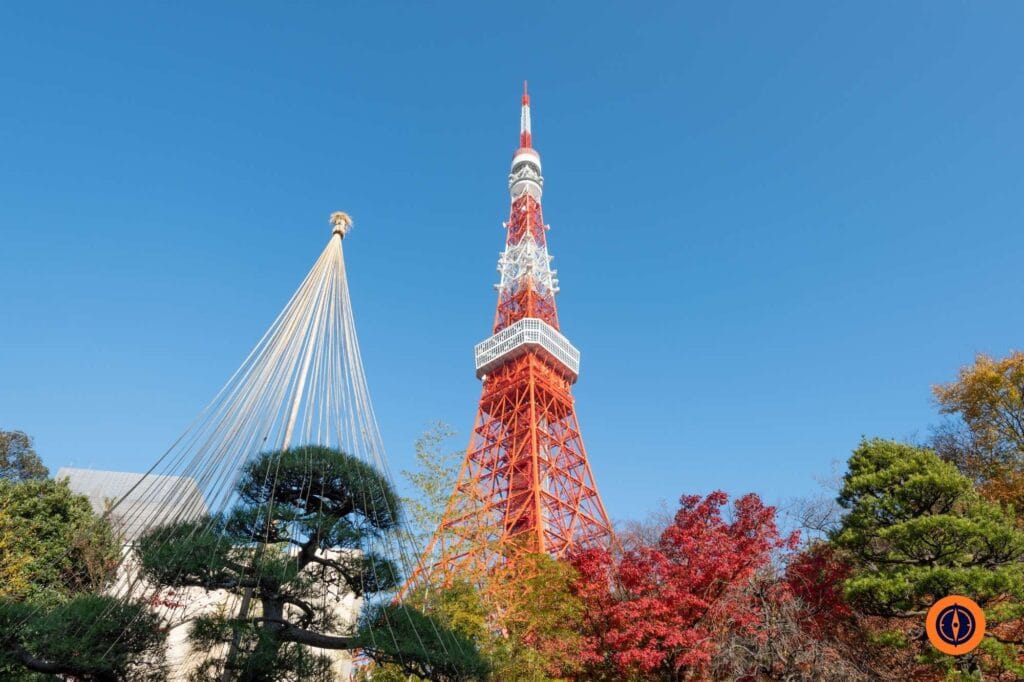
Tokyo: Best for Energy, Variety, and First-Time Convenience
Tokyo is usually the easiest starting point for a first trip because it gives you the widest range of experiences in one place. The official JNTO Tokyo page describes the city as a place of both tradition and innovation, and that balance is exactly why it works so well for first-timers.
It is best for travelers who want:
- a strong first impression of Japan
- a huge range of neighborhoods and food options
- modern city energy
- practical transport connections
For more details, you can also refer to our Tokyo travel guide.
In addition, if Tokyo is your arrival city, choosing the right base can make your first days in Japan much smoother. My Tokyo hotel area guide compares Shinjuku, Ueno, Asakusa, Shibuya, Tokyo Station and Ginza so you can choose based on airport access, transport, budget and evening style.
If you are choosing between Tokyo’s most common first-time bases, my Shinjuku vs Ueno vs Asakusa comparison explains which area fits different budgets, airport arrivals, and travel styles.
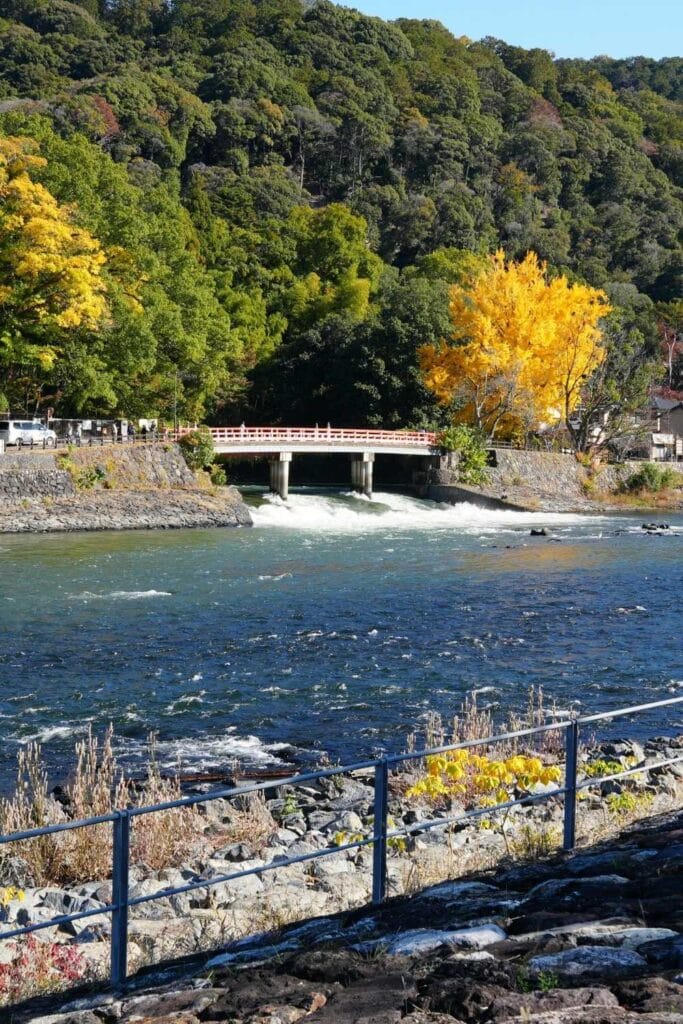
Kyoto: Best for Culture, Atmosphere, and Slower Days
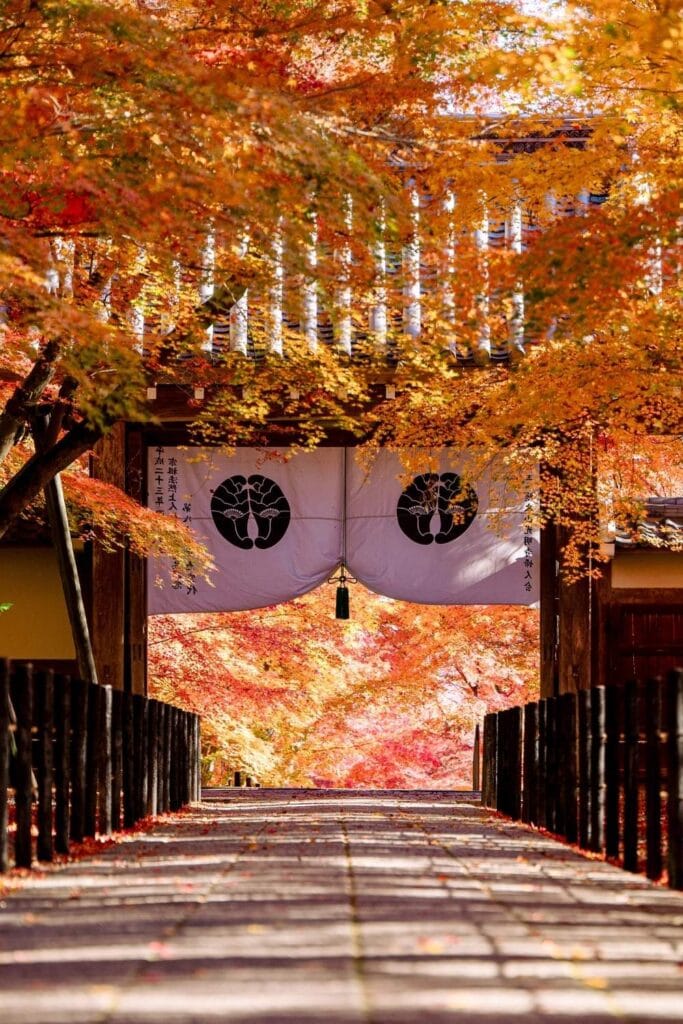
Kyoto suits travelers who want a more reflective and traditional side of Japan. The official JNTO Kyoto page explicitly recommends visiting shrines at less busy times and dividing the city into areas, which matches exactly how Kyoto is best enjoyed in practice.
It is best for travelers who want:
- temples, shrines, and traditional streets
- slower and more meaningful sightseeing days
- atmosphere over nightlife
- a strong contrast to Tokyo
If you would like to know more about Kyoto, you can read our Kyoto travel guide.
In addition, if Kyoto is part of your first Japan route, your hotel base matters more than many travelers expect. My Kyoto stay guide compares Kyoto Station, Central Kyoto, Gion/Higashiyama and Arashiyama from a first-time visitor perspective while my Kyoto Station vs Gion vs Central Kyoto guide can also help you choose a base that fits your transport needs and sightseeing style.
Osaka: Best for Food, Ease, and a More Relaxed Big-City Feel
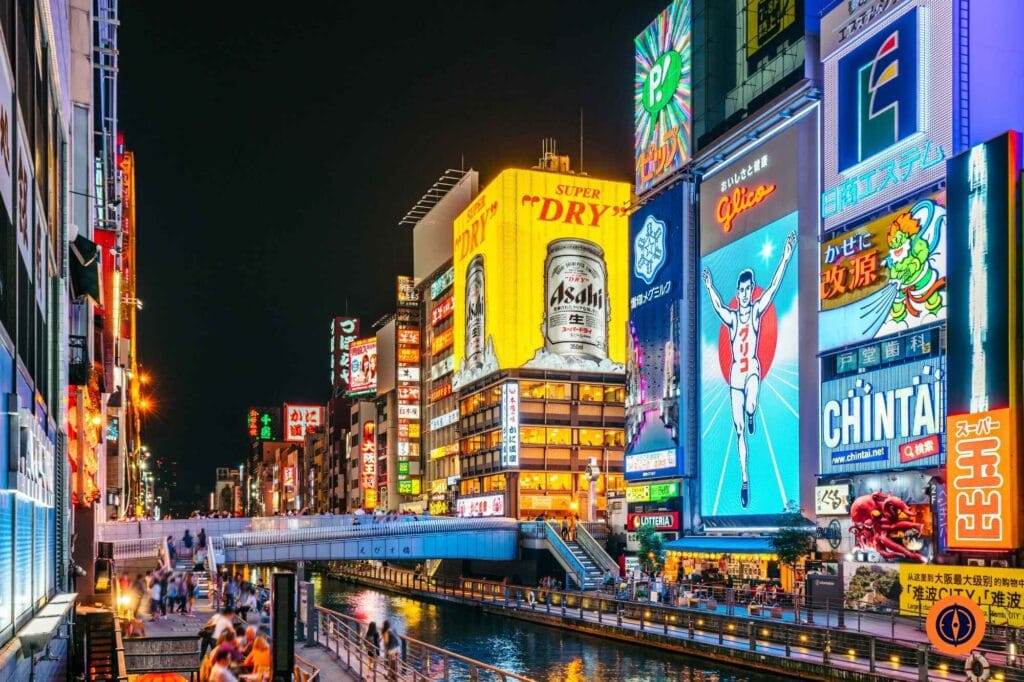
Osaka is often the easiest city to enjoy immediately. The official JNTO Osaka page describes it as bright, playful, and best known for food, fun, and nightlife, which is a very accurate summary of why many first-time visitors find it so easy to like.
It is best for travelers who want:
- food-focused days
- easier evenings
- a lower-pressure urban stop
- a practical base for Kansai
For more information, you can check out our Osaka travel guide.
Moroever, if Osaka is part of your first Japan route, your hotel base can change whether the city feels easy, fun or purely logistical. My Osaka hotel area guide compares Namba, Umeda, Shinsaibashi, Shin-Osaka and Tennoji so you can choose based on food, transport, nightlife and day-trip plans.
While specifically compare Namba vs Umeda vs Shinsaibashi before booking is also vital because each area changes the city’s food, nightlife, and transport experience.
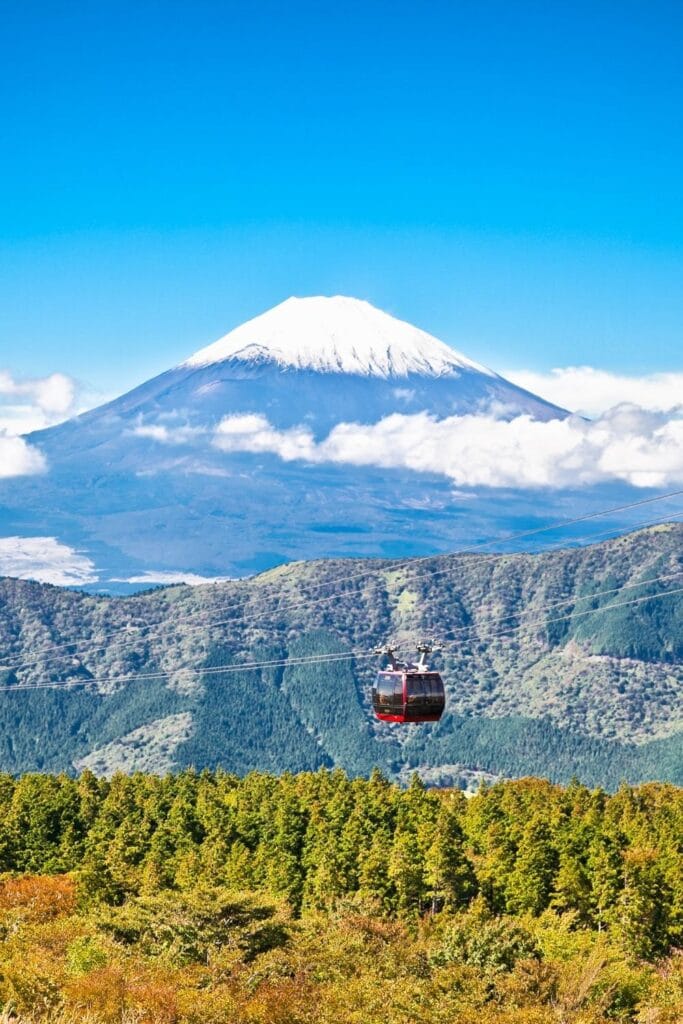
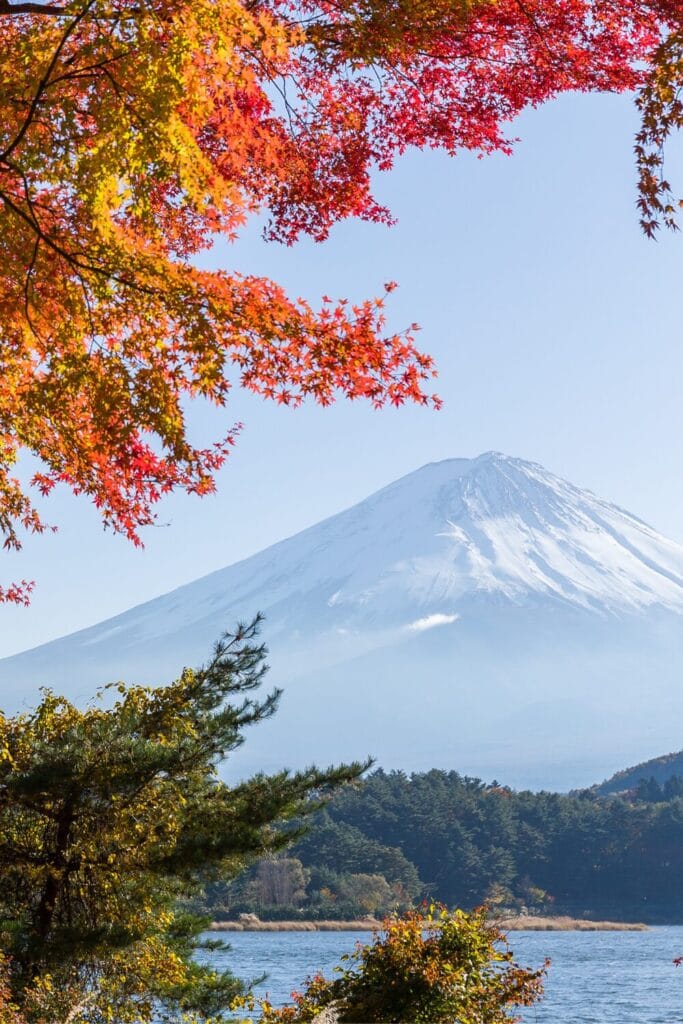
Hakone or the Fuji Area: Best for a Scenic Reset
Hakone or the Fuji area usually works best when you want to break up the city pace with one slower, more scenic stop. This part of the trip often becomes valuable because it gives the itinerary breathing room.
Hiroshima and Miyajima: Best for History and a Broader Route
Hiroshima gives a trip a different emotional tone. Paired with Miyajima, it becomes one of the best additions for travelers who want something deeper than the standard Tokyo-Kyoto-Osaka triangle.
Kanazawa: Best for a Less Obvious Cultural Stop
Kanazawa works well for travelers who want atmosphere and culture without relying only on the most famous first-trip route.
Final takeaway
For a first trip, the most reliable route is still some combination of Tokyo, Kyoto, and Osaka. After that, places like Hakone, Hiroshima, or Kanazawa become valuable when you want your itinerary to feel deeper, slower, or more varied rather than simply longer.
If you are still deciding between cities, you can read our Best Cities in Japan article.
How Many Days Do You Need for a Japan Trip?
The right trip length depends less on ambition and more on how you want the trip to feel.
7 Days: Best for a First Taste of Japan
A 7-day trip works well if you want to experience Japan without overwhelming yourself. It is usually enough for one city in depth or two major stops, such as Tokyo and Kyoto.
The trip will feel selective and fast, but it can still be very rewarding if you accept that you are building a first taste rather than trying to see everything.
10 Days: Best Balance for Most First-Time Visitors
For many travelers, 10 days is the sweet spot. It gives you enough time to combine Tokyo, Kyoto, and Osaka without making the route feel rushed, and still leaves room for one scenic or slower stop in the middle.
If you want your first Japan trip to feel complete but manageable, 10 days is often the strongest choice.
14 Days: Best for a More Rounded and Less Rushed Trip
A 14-day itinerary gives you the most flexibility. You can cover the classic route and still have room to add places like Hakone, Hiroshima, Nara, Miyajima, or Kanazawa without turning the trip into a nonstop transit schedule.
Final takeaway
If you want the simplest answer:
- 7 days is enough for a solid introduction
- 10 days is the best balance for most first-time visitors
- 14 days is best if you want a fuller route without constantly rushing
If you want the route breakdowns in full, you can check our Japan itinerary article.
Is Japan Expensive?
Japan is not the cheapest destination in Asia, but it is often more manageable than travelers expect once they understand where the money actually goes.
The biggest cost pressure usually comes from:
- accommodation
- route complexity
If you move between too many cities, transport costs add up quickly. If you book hotels late, especially in major destinations or busy seasons, the trip can feel much more expensive than it needed to be.
At the same time, many day-to-day costs are easier to control than first-time visitors expect. Convenience store meals, casual restaurants, drugstores, and urban public transport can all be very manageable. You do not need luxury spending to enjoy Japan well.
Where Japan often feels more expensive:
- hotels in popular cities and busy seasons
- long-distance transport on overcomplicated routes
- last-minute bookings
- tourist-heavy dining zones if every meal is in a premium area
Where Japan often feels more reasonable:
- convenience store breakfasts and snacks
- casual lunch sets and local chains
- public transport within cities
- business hotels booked early
- many neighborhood-based sightseeing days
For the full cost breakdown, you can check in Japan budget article.
Getting Around Japan
Transport is one of the biggest reasons Japan works so well for first-time visitors.
For most travelers, the easiest way to think about movement is:
- local city transport for day-to-day exploring
- longer rail journeys between main bases
Inside major cities, you will mostly rely on trains, subways, buses, and walking. Between cities, your route usually comes down to whether you are taking the shinkansen or another straightforward rail connection.
A few practical truths:
- staying near a useful station matters more than many first-time visitors think
- fewer hotel changes almost always makes the trip easier
- the “best” route is often the cleanest one, not the busiest one
- arrival-day logistics feel smoother if you already have mobile data ready
One particularly useful official planning tool is JNTO’s guide to IC travel cards, which explains how pre-paid transit cards make trains, buses, and even small purchases easier across Japan. That is the kind of practical detail that lowers friction across the whole trip.
For most first-time routes, the Tokyo to Kyoto move is the key transport decision, so compare the Shinkansen, bus, and flight options before booking tickets.
Furthermore, before buying a nationwide rail pass, check whether the JR Pass is worth it for your exact route because Tokyo, Kyoto, and Osaka alone often do not justify it.
Safety, Practicalities, and Small Things That Help
Japan’s reputation for safety is one of the biggest reasons it appeals to first-time visitors, and that reputation is broadly deserved. The country is currently at Level 1: Exercise normal precautions in the U.S. State Department system, and JNTO’s emergency guide also describes Japan as very safe overall while reminding travelers to stay prepared for emergencies and natural disasters.
A few official planning resources are especially useful:
- Japan Visitor Hotline for 24/7 tourist assistance in emergencies and general travel support
- Local laws in Japan for smoking, drinking, and identification basics
- Safe drinking water in Japan for simple health and hydration reassurance
These are small details, but they matter. A destination feels easier when the basics feel clear.
If safety is a big concern, you can read our Japan safety guide.
Common Mistakes First-Time Visitors Make in Japan
| Common Mistakes | Reasons |
|---|---|
| Trying to Visit Too Many Cities | This is the biggest mistake. Japan looks compact on a map, but moving around still takes time and energy. A simpler route usually gives a better first trip. |
| Choosing Hotels Based Only on Price | A cheaper hotel can cost you more if it creates long walks, bad transfers, or awkward late-night returns. |
| Underestimating How Tiring Transit Can Be | Even with excellent transport, large stations, luggage movement, and repeated travel days still take energy. |
| Overplanning Every Day | Japan rewards structure, but not over-control. Leave room for slower mornings, food stops, wrong turns, and the kind of spontaneous discovery that often becomes part of the best memories. |
| Leaving Important Planning Too Late | Hotels, route logic, eSIM, insurance, and some high-priority bookings are all easier when handled before the trip starts. |
| Treating Kyoto and Osaka as interchangeable | If you are unsure where to sleep in Kansai, read my guide on whether Osaka is better as a base or day trip from Kyoto. |
Final Verdict: Is Japan a Good First Trip?
Yes. Japan is one of the best countries in the world for a first major trip, especially if you want a destination that feels exciting, structured, safe, and rewarding.
It is not “easy” in the sense that you can completely ignore planning, but it is one of the easiest places to build a high-quality trip if you keep the route realistic and match the itinerary to your energy.
For most first-time visitors, Japan works because it gives you contrast without chaos. Tokyo gives you variety, Kyoto gives you atmosphere, and Osaka gives you ease. Put together well, those ingredients create one of the strongest first-trip routes you can build.
If you want the route already mapped out more clearly, you can consider our Japan route blueprints.
Frequent Asked Questions (FAQs) About Visiting Japan
Is Japan good for first-time visitors?
Yes. Japan is one of the best destinations for first-time visitors because it combines safety, reliable transport, great food, and a wide range of experiences within one trip.
How many days do you need in Japan for a first trip?
For most travelers, 7 to 10 days is a strong starting point. Seven days gives you a good introduction, while 10 days usually provides a better balance of highlights and pacing.
Is Japan expensive for first-time visitors?
Japan can be expensive in some areas, especially hotels and long-distance transport, but many everyday costs are more manageable than travelers expect.
What are the best places to visit in Japan for a first trip?
For most first-time visitors, Tokyo, Kyoto, and Osaka are still the strongest core route because they offer the best combination of variety, culture, food, and manageable logistics.
Is Japan easy to travel without speaking Japanese?
Yes. Many first-time visitors manage well without speaking Japanese, especially in major cities and tourist routes where signage, transport systems, and travel tools are easier to use than expected.
Is Japan safe for solo travelers?
Yes. Japan is one of the most comfortable countries for solo travel, especially for people who want a structured and lower-stress destination.
Do I need travel insurance for Japan?
Travel insurance is recommended because medical treatment, delays, and other travel disruptions can still be expensive without coverage.
Do I need an eSIM for Japan?
It is not mandatory, but having an eSIM makes arrival, navigation, train planning, and daily travel much easier, especially on a short or first-time trip.
Disclosure: This post may contain affiliate links.


Compare prices across top platforms in seconds.