Haneda vs Narita for First-Time Visitors
Which Tokyo Airport Should You Choose?
Introduction
Landing in Tokyo is a memorable experience, but your adventure begins long before the customs clearance. In fact, the first major decision of your trip ocurs when you are going to book your flight: Should you fly into Narita or Haneda?
Selecting between Tokyo’s two primary international airports affects far more than just your arrival time as it impacts the smoothness of navigating the location with heavy luggage, your transport budget, the length of your airport transfer, and which neighbourhood in Tokyo is the most suitable hotel base for your arrival.
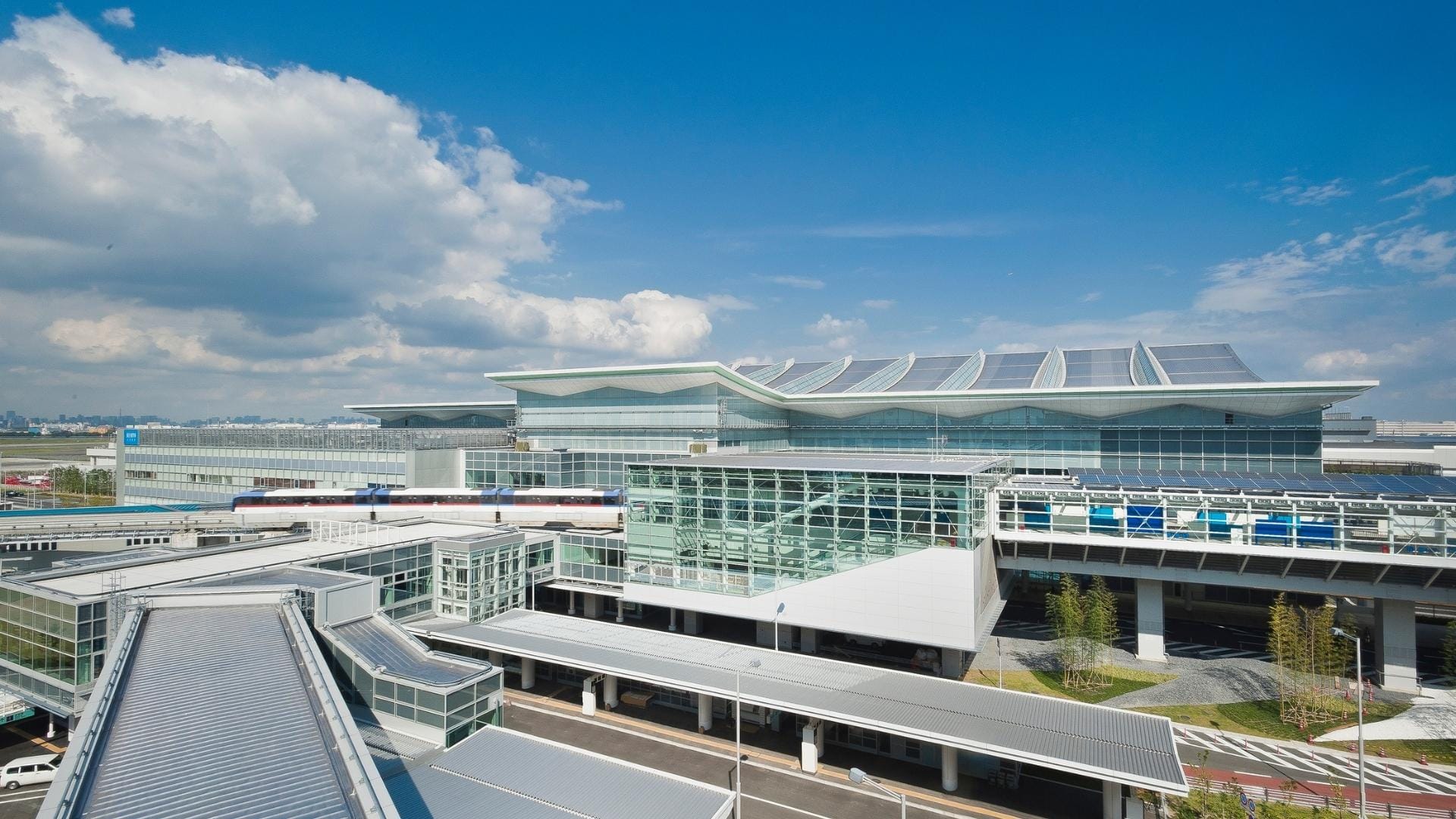
For majority, Haneda Airport (HND) is the better choice if schedules and flight prices are comparable. It located right on Tokyo Bay and sits practically inside the central Tokyo. It provides excellent transit links like the Keikyu Line and Tokyo Monorail, it can easily transfer you to major hubs like Tokyo Station, Shibuya, and Shinjuku.
Nevertheless, Narita International Airport (NRT) should also not be overlooked. It located in neighbouring Chiba Prefecture and it is a massive international hub that frequently provides budget airline routes and cheaper non-stop flights. Thanks to express trains like the Keisei Skyliner, it offers amazingly smooth, direct access to eastern Tokyo neighbourhoods like Nippori and Ueno.
The useful comparison is not just simply Haneda versus Narita, but also compare the complete route from the aircraft to your hotel, followed by the route from your hotel location back to the departure terminal. If you have not yet decide for your Tokyo base, compare the airport decision with this Tokyo hotel guide so both can support your decision.
Quick Answer: Is Haneda or Narita Better?
For quick decision-making, use the comparison table below to assess how both match up across transit routes, target hotel zones, and transport costs.
Haneda vs Narita at a Glance
| Factor | Haneda Airport (HND) | Narita Airport (NRT) |
|---|---|---|
| Location | Within Tokyo city | Chiba Prefecture (outside central Tokyo) |
| Main benefit | Shorter and faster journey into downtown | More flight options and possible airfare savings |
| Top hotel matches | Shinjuku, Shibuya, Ginza, Tokyo Station, and Shinagawa | Eastern Tokyo, Asakusa, Nippori, and Ueno |
| Main rail options | Tokyo Monorail and Keikyu Line | Keisei Skyliner and Narita Express (N’EX) |
| Reserved airport-train cost | Generally not required (standard commuter lines) | Narita Express (N’EX): ~¥3,140–¥3,330; Keisei Skyliner: ~¥2,470–¥2,580 |
| Lower-cost bus option | Route-dependent | From approximately ¥1,500 to Ginza or Tokyo Station |
| Late-arrival flexibility | Exceptional city network integration | Requires strict attention to final transport schedules |
| Luggage experience | Shorter travel times, always using city transport | Reserved express trains offer luggage and seating areas |
| Best overall for | Ease, speed, and first-time visitors | Eastern Tokyo bases and value-focused travellers |
Gentle reminder: Timetables and transit fares fluctuate. Always check the schedules with official operator for your destination, date, and terminal before depending on a specific service.
Why Haneda Is Usually Easier
The primary advanatge of flying into Haneda Airport is due to its proximity to the central Tokyo. Your point-to-point travel times on central rail currently estimates roughly 15 minutes via the Keikyu Line to Shinagawa Station, 20 minutes via the Tokyo Monorail to Hamamatsucho Station, 30 minutes to Tokyo Station, 45 minutes to Shibuya Station, and 50 minutes to Shinjuku Station. You can also refer to the official website for official access estimates.
It is vital to note that these are station-to-station rail times and they do not consider for navigating massive multi-level train stations to find your hotels, baggage collection, customs clearance, or post-landing taxiing.
However, it is a shorter and closer journey which offers you a safety net against getting lost at your first transfer point, missing a particular train, or unexpected immigration delays. It stands out as the better option if you are landing late at night, staying in southern Tokyo, catching a bullet train (Shinkansen) out of Shinagawa down toward Kyoto, or departing early in the morning. Moreover, it also makes a taxi more realistic as a backup plan if you encounter an emergency transit failure.
Why Narita Can Be the Better Purchase
Narita locates approximately 50-60 kilometres outside central Tokyo, the journey is longer compared to Haneda but its express train services make the commute highly manageable if you plan your itinerary strategically. You can refer to its official access guide for further details.
Booking a flight into Narita can be your best choice as the flight ticket is cheap enough to fully offset the higher transfer cost and slightly longer train ride. The arrival also fits your sleep schedule perfectly or enables you to reserve non-stop, and convenient itinerary. Selecting a direct flight to Narita is always less stressful and faster than booking a multi-stop connection to Haneda. It also becomes more attractive if you book hotel near Nippori or Ueno. The high-speed Keisei Skyliner let you arrive directly onto the eastern side of the Yamanote loop line under 40 minutes, while reaching them from Haneda requires you to travel via Tokyo’s city network.
Haneda Airport Transport Options
Navigating from Haneda into central is quick and efficient. You have four main transit methods based on your hotel location, luggage size, and budget.
1. Keikyu Line – It is best for travellers who stay in Shinagawa or anywhere along the Toei Asakusa Subway Line such as Nihombashi or Asakusa. Shinagawa is a major transit gateway offering instant connections to the Tokaido Shinkansen (bullet train) to Kyoto and Osaka and JR urban lines. Some Keikyu airport trains continue onto connected railway networks and not every train shares the same final destination, hence always check the route maps and train display carefully before boarding. While for reaching to western hubs like Shinjuku or Shibuya from Keikyu Line requires transferring to city subway or a JR line at Shinagawa.
2. Tokyo Monorail – It is best for accommodation that locates near eastern central Tokyo, Tokyo Station, Shimbashi, or Hamamatsucho. The monorail is very easy to identify at the terminal which provide scenic views of Tokyo Bay and a stress-free and straightforward route into the city. Standard journeys can be fully paid by using digital IC cards like Pasmo or Suica. You can check the current fares and ticket products via the official website.
3. Airport Limousine Bus – It is best for travellers who are managing heavy luggages or anyone staying at a hotel that can reach directly by the bus. The luggage is securely stored beneath the bus which removing the needs of carrying the suitcases across the crowded railway transfer. However, the Tokyo highway congestion can make the arrival time unpredictable. You can consider to use this Airport Bus Alliance journey planner which helps to confirm how far the stop is from your hotel entrance.
4. Taxi Transfers – It is best for small groups to split the costs, late-night arrivals, or passengers with extensive accessibility needs. Fixed-fare does apply to certain city zones but tolls and other conditions may be added. You can also verify the pricing rules and current zone directly through Haneda Airport’s Official Taxi Information as highway tolls and late-night surcharges generally will be added to the base rate.
Narita Airport Transport Options
Despite its distance, Narita offers highly structured express infrastructure to bring you seamlessly into the downtown of Tokyo.
1. Narita Express (N’EX) – It is best for travellers who stay in Shinjuku, Shibuya, Shinagawa, or Tokyo Station and want a stress-free, comfortable ride. The fastest Narita Airport-to-Tokyo Station journey measured at around 53 minutes and its ordinary-class one-way tickets cost ¥3,140 to Tokyo Station and ¥3,330 to Shinjuku, Shibuya, or Shinagawa. Eligible international visitors can also purchase the N’EX Tokyo Round Trip Ticket for ¥5,200 which covering a return journey within a 14-day window. For more information about the seasonal timetables and eligibility rule, you can verify via the official website. (Note: A standard IC card does not cover a N’EX fare, you have to purchase a separate ticket at multilingual ticket machine or an airport counter).
2. Keisei Skyliner – It is best for visitors who are stay in eastern Tokyo hubs like Ueno or Nippori and the transit time takes about 36-minute journey between Airport Terminal 2・3 Station and Nippori. The standard fare to Keisei Ueno or Nippori is ¥2,470 (or ¥2,465 when utilizing an approved IC card). It is important to note that every seat is strictly reserved, and if your hotel is not near Ueno or Nippori, do estimate the extra cost, time and stress of transferring to local subway networks. For further details, you can refer to Keisei Skyliner Website.
3. Low-Cost Airport Buses – It is best for independent travellers who are budget-conscious and targeting Ginza or Tokyo Station. The bus’s ticket pricing is at around ¥1,500 (excluding early-morning windows or peak late-night). It can be a good choice but the road traffic can delay your arrival. Other than this, always examine which terminal your bus departs from and ensure the service windows align with the estimated time of your customs clearance.
4. Keisei Access Express & Commuter Trains – It is best for budget travellers with light luggage heading to Higashi-ginza, Nihombashi, or Asakusa. The transport is significantly cheaper than the express trains but normally use standard commuter layouts and may make frequent stops without any dedicated luggage racks. Train destinations and through-services vary so it is best to confirm the specific train services before boarding.
5. Standard Airport Buses & Taxis – It is highly practical for nearby buildings or the route stops directly at your hotel lobby, but ensure to confirm the precise building drop-off instead of a broad destination such as “Tokyo Station” or “Shinjuku”. While a taxi from Narita to central Tokyo can be expensive due to the 50-60km distance. It should only be considered for a small group or absolute emergency backup plan rather than a casual travel choice.
Which Airport Is Better for Your Tokyo Hotel Area?
| Tokyo hotel area | Haneda route | Narita route | Practical advantage |
|---|---|---|---|
| Shinagawa | Keikyu Line (Direct) | Narita Express (Direct) | Haneda has a strong advantage in terms of time. |
| Tokyo Station | Keikyu or Monorail connection | Low-cost bus or Narita Express | Narita remains direct and highly convenient; Haneda is faster. |
| Ginza | Bus, Keikyu or monorail connection | Keisei connection, N’EX, or low-cost bus | Haneda usually wins on simplicity and speed. |
| Shinjuku | Airport Limousine Bus or rail transfer | Airport bus or Narita Express (Direct) | Haneda is physically closer; N’EX reduces mid-route transfers. |
| Shibuya | Rail connection (Keikyu to JR) | Narita Express (Direct) | Haneda usually wins on total transit time. |
| Ueno | Inner-city rail transfer | Keisei Skyliner (Direct) | Narita is often preferred. |
| Nippori | Inner-city rail transfer | Keisei Skyliner (Direct) | Narita is often preferred. |
| Asakusa | Keikyu Line via Toei Asakusa Through-Service | Keisei Access Express (Direct) | Compare the exact train timetables as both are close. |
| Ikebukuro | Rail transfer or airport bus | Bus, or Keisei Skyliner + JR Yamanote Line | Compare the transfer counts and complete route costs. |
| Tokyo Disney Resort | JR Train Combination or direct airport bus | Complex rail route or direct airport bus | Check the flight landing time to compare with the bus schedules. |
Western and central Tokyo hubs generally favour Haneda due to the airport is closer. However, Narita Airport’s direct N’EX routes are also highly practical for Shinjuku, Shibuya, and Tokyo Station especially if your flight ticket saves the significant cost.
While Narita will be the best choice for Ueno and Nippori because of its high-speed Keisei Skyliner serves these stations seamlessly. For Asakusa, both airports can provide equally useful rail connections, but the hotel location and exact train routes matter. For detailed comparison of these neighbourhoods like Asakusa, Ueno and Shinjuku, this guide compares the hotel, dining, sightseeings convenience beyong the airport transfer.
In addition, if airport transport and accommodation are part of your cost planning, the Japan travel budget breakdown offers a better overview of first-trip spending.
Check the Correct Terminal
Failing to double-check your exact terminal can cause major transit delays as Tokyo’s airport infrastructure is extensive, and the platform and terminal layout differ. Haneda airport (HND) do not use Terminal 3 by default, several major international flights operate out of Terminal 2, hence it is important to cross-check the airline booking confirmation instead of automatically heading to terminal 3.
While for Narita airport (NRT) , Terminal 1 uses Narita Airport Station, Terminal 2 and 3 use Airport Terminal 2・3 Station. If your budget airline departs from Terminal 3, you have to disembark at the Terminal 2・3 Station and navigate a pedestrian corridor. Official website outlines approximately 5 minutes between the station and Terminal 2, and about 10-15 minutes for Terminal 3.
Going From the Airport Toward Kyoto
If your travel itinerary more into travelling straight to Kyoto or Osaka upon landing in Japan, Haneda airport is the clear winner. Shinagawa station is a major stop on the Tokaido Shinkansen (bullet train) line which just about 15-minutes away with direct train from Haneda. However, if you landing at Narita, it requires a long journey into Shinagawa or Tokyo Station just to reach the Shinkansen platforms. Combining a long-haul international flight with an extended commute transfers creates an exhausting journey during your first day in Japan. Most first-time visitors should consider settling down the first night in Tokyo unless your flight lands early in the morning and you have fully mapped the transfers. The Tokyo-to-Kyoto transport comparison explains the onward journey.
A First-Time Arrival Workflow
To ensure a flawless arrival day in your Tokyo travel, follow this step-by-step checklist:
- Secure offline date – Save your hotel’s address in both Japanese and English, the particular station exit number, and the closest train station. A neighbourhood name along is not sufficient to navigate Tokyo’s districts.
- Screenshot backup routes – Save one backup route and one primary transit route to your phone photos because mobile date may not function immediately after landing.
- Confirm the service after collecting suitcases – Verify the current train status boards, check the next departure, and line delays, and ensure you have bought the limited-express ticket if boarding the skyliner or N’EX.
- Read the platform signs before boarding – The rail infrastructure in Tokyo features massive integration of through-service means the trains from different companie share the same tracks but the trains can head to completely different sides of Japan. Hence, it is important to verify the destination boards before stepping inside.
- Prioritize the hotel drop-off – Head directly to your hotel first before attempting any sightseeings. Store or drop your luggagae, familiarise with the nearest station entrance, and source your first meal within walking distance of your accommodation.
Conclusion
Haneda is usually the best airport for first-time visitors as the city transfer is shorter for the first and final day of the trip and offers more recovery choices when plans change. While Narita should not be rejected simply because of its distance as it can be a good choice for airfare saving, hotel near Nippori or Ueno, or better non-stop flight. Compare the complete journey instead of the airport names as the best airport is the one that allows you to reach hotel at a reasonable time.
FAQ: Haneda vs Narita for First-Time Visitors
Is Haneda or Narita better for first-time visitors?
Haneda Airport (HND) is the best choice for most first-time travellers because it locates directly within the central Tokyo and provides shorter transit experience after a long-haul flight. It is also valuable especially for late-night arrival if your hotel sits in western or central Tokyo like Shibuya or Shinjuku.
However, Narita Airport (NRT) can also remain an excellent option if your flight ticket is considerably cheaper, removes layover via a non-stop itinerary, or provides a more practical arrival time. Furthermore, it is beneficial for you if your hotel is located in eastern Tokyo neighbourhoods like Nippori or Ueno.
How much cheaper should a Narita flight be?
There is no standard price as it depends on your transportation, arrival time, and the hotel location. To calculate the actual airfare saving, you have to substract the extra costs like airport transfers, late-night taxi fares or emergency hotel stays from your initial savings.
Which airport is better for Shinjuku, Ueno or Asakusa?
– For Shinjuku – HND offers the shortest door-to-door transit time but NRT also works due to its N’EX offers direct route without requiring train transfers.
– For Ueno – NRT is the clear winner as the high-speed Keisei Skyliner links NRT straight to Ueno and Nippori compared to HND where it requires multi-transfer city rail commute.
– For Asakusa – Both HND and NRT are equally competitive as both provide cost-effective and direct through-service rail lines via the Keisei Access Express from NRT and the Keikyu Line from HND. You should also compare the exact train timetables aligning with your particular arrival window and terminal.
Is Narita suitable for a late-night arrival?
NRT can work for late-night arrivals only if you have a well-scheduled airport bus departure or confirmed express train after the customs clearance. Avoid to assume that the scheduled landing time is the time you will clear customs and step onto a train platform. When the flight arrival timing is uncertain, you should consider to reserve an airport-area hotel for your first night. Nevertheless, it is still the safer choice in overall.
Should I change hotels before an early departure?
You should only consider of changing hotels if your current accommodation provides a difficult journey of reaching to the departure terminal. Booking your final night near a direct transit such as Shinagawa Station for HND or Tokyo Station for NRT is usually more than sufficient.
How long should I allow between Haneda and Narita?
The estimated journey between HND and NRT is roughly 65-85 minutes by bus or 90-115 minutes by rail. However, the estimation does not include the airport procedures so you will need to consider the time buffers as well.
Disclosure: This post may contain affiliate links.




Compare prices across top platforms in seconds.