Best Cities in Japan for First-Time Visitors
Where to Go and Why
Introduction
Choosing where to go on your first trip to Japan is thrilling, but it’s incredibly easy to overcomplicate. It starts innocently – you add Tokyo, Kyoto, and Osaka. Then you think, ‘Well, what about Hiroshima or Sapporo?’ Suddenly, your dream itinerary looks spectacular on paper, but the actual transit schedule will leave you exhausted.
After years of exploring Japan, I’ve learned a golden rule: the best cities aren’t automatically the most famous ones. A magical trip is about matching your destinations to your actual timeline and travel style.
Some cities are the champions for easy English navigation and first-time convenience. Others are hidden gems perfect for crowd-free moments, mind-blowing food scenes, or traditional streets. The ultimate secret lies in understanding how the cities fit together on a train map and what each city excel at.
I am cutting through the tourist noise to provide an honest breakdown of Japan’s top cities. This article will help to figure out how to build a balanced, stress-free journey, why it is worth your time, and who each city suits best.
Quick Answer: What Are the Best Cities in Japan?
For the best experience in your first-time trip, picking the right destinations requires balancing transportation and hotels with your personal interest. Below is the breakdown of the best cities in Japan ranked by transit efficiency, cultural experiences, and infrastructure.
- Tokyo (The Megacity Base): Best city for high-density Michelin-starred dining, pop culture, shopping, and cutting-edge technology.
- Kyoto (The Traditional Capital): Authentic geisha districts, historic shrines, UNESCO World Heritage temples, culture preservation are not to be missed.
- Osaka (The Nation’s Kitchen): Premier destination for a relaxed local subculture, neon-lit entertainment districts, vibrant nightlife, and casual street food (konamon).
- Hiroshima (The Historical Extension): Well-known for scenic coastal exploration via Miyajima Island, educational peace monuments, and modern history.
- Kanazawa (The Low-Crowd Heritage Hub): Famous for its slower-paced culture, traditional gold-leaf arts, and preserved Edo-period samurai architecture.
- Fukuoka (The Culinary Gateway): Popular for its efficient transit access to Kyushu, world-class Hakata tonkotsu ramen, and regional yatai (open-air food stalls).
- Sapporo (The Northern Frontier): Well-known for its Hokkaido’s wilderness landscapes, premium seafood, cooler summer climates, and seasonal snow festivals.
The Secret to Trip Planning: How to Select Your Perfect Cities
Building a meaningful itinerary in Japan is not about selecting the most popular cities that are being ranked. It is about balancing your journey vibe so you do not get burned out. If treat the trip like a giant checklist, you will likely face the classic traps like dragging your luggage across confusing subway stations or spending your whole day trip on bullet train platforms.
The most effective itineraries use a simple method like the combination of one regional stop popular for its scenery or food, one historic cultural hub, and one modern mega-city. To filter out the cities that do not fit into your trip, you can run your ideas through these four simple choices:
1. Old-world Charm vs City with Futuristic Energy
Every city in Japan normally sits somewhere between quiet history and high-tech neon, so add them into the trip to avoid getting tired of experiencing the same things every day.
- Tokyo: Choose this city if you are more interested in endless dining options, quirky fashion districts, arcade culture, and massive skyscraper views. Each neighbourhood from the luxury street of Ginza to the neon alleys of Shinjuku can feel like a completely different mini-city.
- Kyoto: Visit here if your dream trip includes traditional geisha culture, zen rock gardens, stunning temples, and wooden alleys. The city moves at a much more peaceful and slower pace but the sights are far apart, meaning you will have to wake up early to beat the crowds.
2. The Simple “Golden Route” vs. Taking an Adventurous Detour
Your choice here will decide how easy your trip will be and whether you can use convenient local perks like luggage forwarding (takuhaibin).
- The Classic Golden Route (Tokyo –> Kyoto –> Osaka): This is the best option for first-time visitors and you can just follow a straight, high-speed train line that keeps the travel smooth. It is reliable and stress-free as it has helpful English-speaking staff, plenty of tourist hubs, and the best English signs.
- The Hybrid Detour (Adding an Extra Stop): It is a perfect choice if you would like to have deep history rather than a simple straight line. You can add a side-trip like the beautiful samurai district of Kanazawa or the coastal history monuments of Hiroshima.
3. How Many Days You Have vs. Where to Sleep
Your schedule can be disastrous if the Japan city is too far away. The hard truth of traveling in Japan is that packing bags, checking out of hotels, and finding your next train platform can take much longer than expected.
- 5-7 Days Window: On a shorter trip like this, it is recommended to stick to a maximum of two primary hotel bases (usually Tokyo and Kyoto). As you will lose half day whenever you switch hotels. You can consider for easy day trips like visiting Yokohama from Tokyo or the wild deer in Nara from Kyoto without packing your bags.
- 8-14 Days Window: A 2 weeks trip offers you the time and budget to add 3rd or 4th hotel base. You can explore the classic Golden Route comfortably and add extra overnight stay in other regions like Hiroshima or Kanazawa without rushing.
- 14+ Days Window: For a more than 2 weeks trip, you will have the chance to explore in far-away regions like Sapporo (up north) or Fukuoka (down south). However, these destinations require long multi-hour train rides or domestic flights which the previous trips will have lesser vacation time.
4. Night Vibes: Street Food Alleys vs. Quiet Riverside Walks
First-time visitors tend to forget that Japan cities can change its character after the sun goes down such as how you will decide to hang out and eat.
- Osaka: The city motto is kuidaore which means “eat until you drop”. The evenings here are friendly, loud, and casual, the great atmosphere can be found in the retro pub alley of Shinsekai and the bright neon canals of Dotonbori and you can also have the chance to taste amazing street food like takoyaki (octopus balls).
- Kyoto: The city’s evenings can become incredibly quiet especially in old lantern-lit districts (like Gion or Higashiyama) after 8:00 PM. The nightlife here means peaceful riverside dining (kawayuka) along the water and hidden cocktail bars.
- Tokyo: The city offers everything but it is split up by neighborhood, you can find upscale restaurants in Roppongi, youth music culture in Shibuya, fancy cocktail lounges in Ginza, or nostalgic drinking alleys in Shinjuku’s Omoide Yokocho.
- Fukuoka: The city offers the unique evening experience that you won’t able to find in other Japan’s regions: its popular yatai (movable outdoor food tents) which set up right along the riverfront and you will have the opportunity to enjoy the steaming bowls of authentic Hakata tonkotsu ramen while sitting along with local residents.
Pick Your Cities at a Glance
Still lost in narrowing down your list? The summary table below provides the cities’ information that bring the best experience for your time and budget.
| The Best City | What You’re Craving | How Long to Stay | Insider Travel Tip |
|---|---|---|---|
| Tokyo | Pop culture, arcades & futuristic streets | 4 to 5 Nights | Instead of constantly switching hotels in this city, use easy day trips to visit nearby sightseeings. |
| Kyoto | Wooden alleys. shrines, & old temples | 3 Nights | Try to book a hotel near the major subway line in advance as local buses can get extremely packed with traffic during peak hours. |
| Osaka | Fun nightlife & amazing street food | 2 Nights | Hotel costs here are much cheaper compared to Kyoto and explore its surrounding areas comfortably. |
| Hiroshima | Island views & touching modern history | 1 to 2 Nights | You can easily travel to Miyajima Island with a short ferry ride to see the floating shrine gate and wild deer. |
| Kanazawa | Beautiful gardens & samurai heritage | 2 Nights | It is located on a direct bullet train line right between Tokyo and Kyoto, making it the stress-free and perfect middle stop. |
| Fukuoka | A local, relaxed vibe & outdoor food stalls | 2 Nights | Booking a “multi-city” flight where you fly out from Fukuoka and fly into Tokyo which saves you time of travelling all the way back to the starting point. |
| Sapporo | Giant crab feasts, skiing, & snow festivals | 3 Nights | Skip the exhausting and long train ride from Tokyo, save your energy and catch a cheap and fast domestic flight instead. |
Tokyo
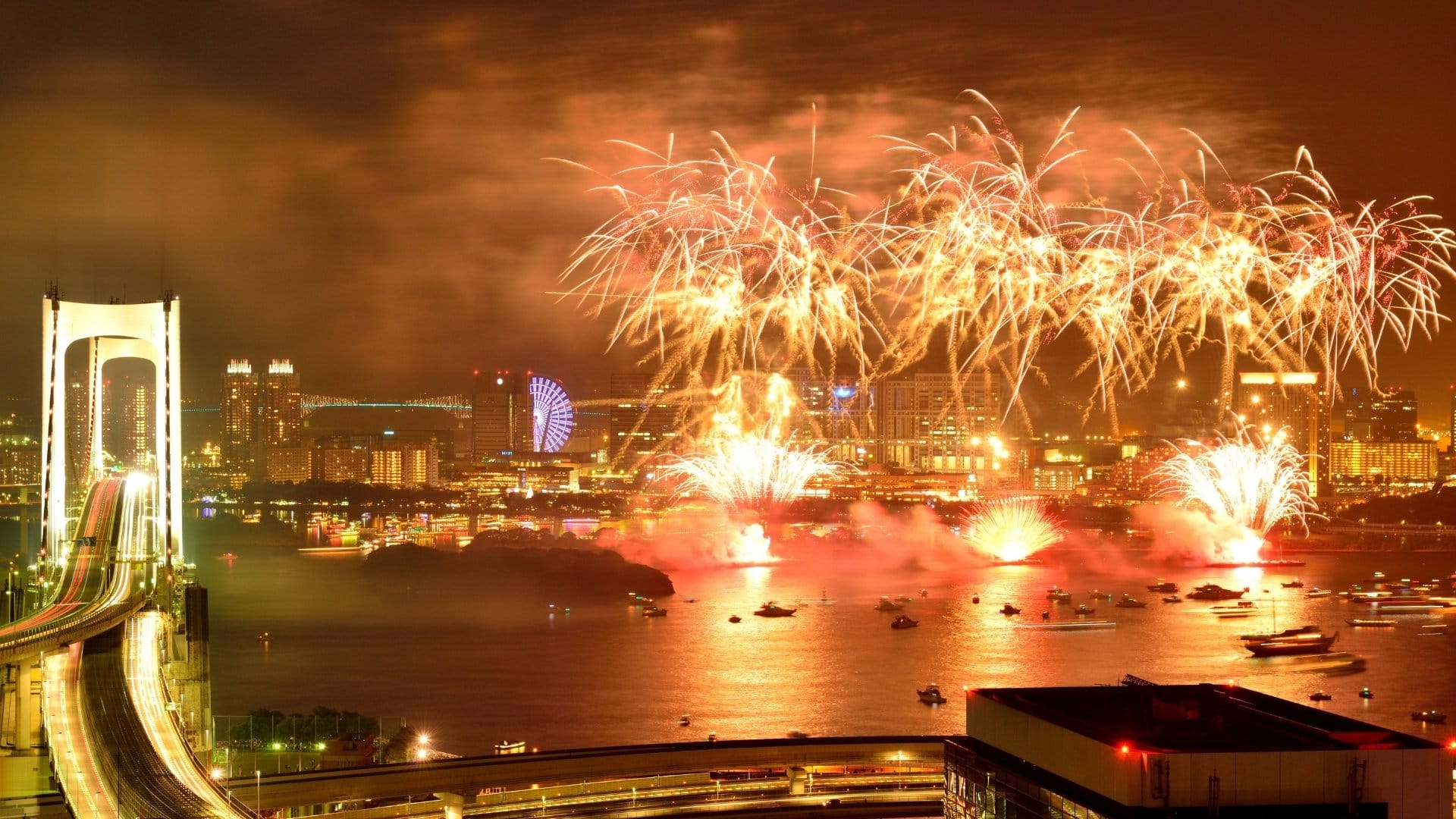
Tokyo is the best beginning point for every first-time visitors. It provides a great foundation of understanding Japan with its mixture of old traditions and mind-blowing modern technology. In one district, you are surrounded by massive shopping malls and giant flashing digital billboards while on other side, you can visit a peaceful wooden gate with a silent shrine garden. It basically offers a little taste of everything before catching the train to explore the rest of Japan.
Besides, Tokyo also naturally adapts to whatever kind of traveller you are such as the beginners who are anxious due to language barrier but the city makes it easy by having plenty of English-friendly ticket machines, English signs, and amazing tourist support. For variety seekers, if you get bored easily, you will also love it here as you have the chance to experience futuristic anime district in the morning while in the afternoon, and you can drink tea in a historic wooden house. For food seekers or shoppers, you will find cheap train station noodle shops to Michelin-starred restaurants and luxury fashion to quirky vintage markets. For flexible travellers, you can enjoy the city with a relaxed and slow budget trip or a jam-packed schedule.
A Quick Guide to Tokyo’s Best Neighborhoods
To save time from wandering around the subway, avoid to think of Tokyo as one giant city but think it as huge collection of mini-villages as each train station has its own distinct vibe like Shinjuku Station is the busiest station in the world as it is the main starting point for day trips of nearby mountains and a straight shot to the suburbs. It is also the home to the popular nightlife bars of Golden Gai and the tiny drinking alleys of Omoide Yokocho.
While Asakusa Station is located on the east side of the city and offers the direct access to the historic heritage towns and the Tokyo Skytree and you will also have the chance to witness the traditional storefronts beautifully lit up by lanterns. Shibuya and Harajuku sits right on the Yamanote line which becomes easier to explore the north and south of Tokyo and the evenings will be packed with late-night music spots and trendy standing bars.
Kyoto
If Tokyo is about fast-paced culture, Kyoto is the exact opposite. It is the city that can transform your holiday rhythm with its stuning temple grounds, historic wooden buildings, atmospheric streets.
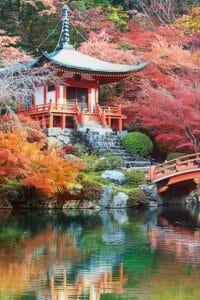
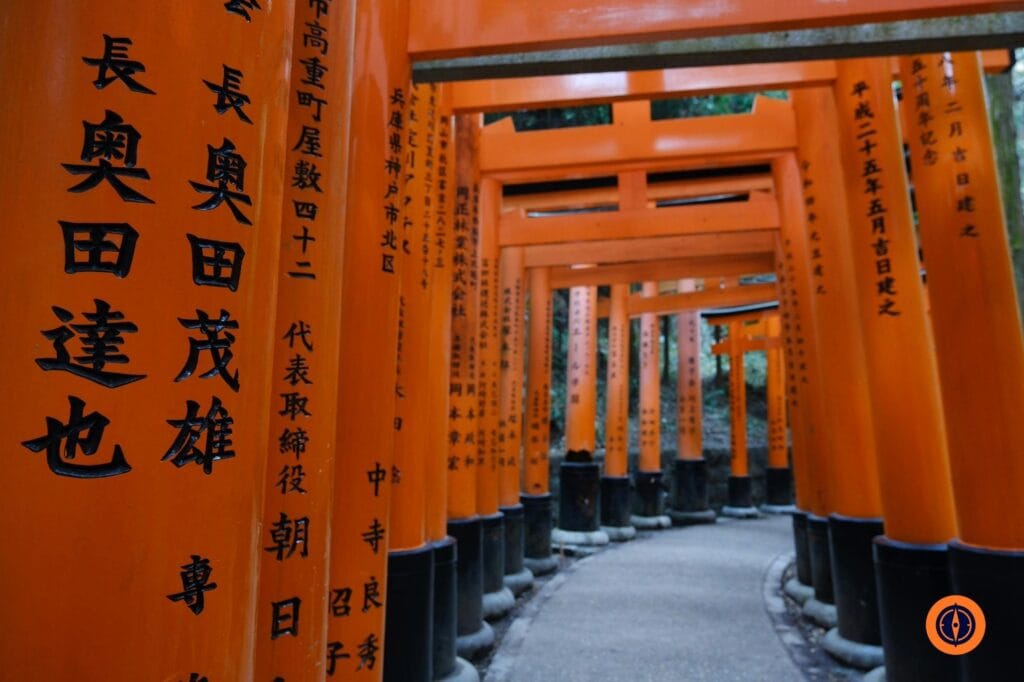
Japan National Tourism Organization (JNTO) points out that to get the best out of Kyoto, you have to pick the right season and plan your days diligently. It is not the same and modern as Tokyo due to its preservation of historic city and smaller train network. This also means that you will need a good patience and a good pair of walking shoes. However, the effort is definitely worth the trip, as you get the chance to experience the thousands of bright red gates winding up the mountain at Fushimi Inari Shrine, the morning mist hanging over the Arashiyama Bamboo Grove, and the sound of traditional wooden sandals (geta) clicking down the stone paths of Gion.
History buffs will find themselves right at home as you can visit protected World Heritage sites, peaceful Zen rock gardens, and ancient wooden temples. If you’re the photographer and slow wanderer, it is the perfect place for you to get lost in quiet, old-school neighbourhoods, and lantern-lit riverside alleys.
Osaka
Osaka is the kind of city that is completely relaxed and bright compared to its neighbour, Kyoto which you will fall in love instantly due to its popularity of bright lights and amazing food. For travellers who plan their trips entirely around dinner, Osaka is a mandatory stop for you to hunt for comfort food like konamon (delicious flour-based dishes), wandering through bustling street-food markets, and exploring hidden back-alley pubs (izakayas). Nowhere beats the sensory overload of Dotonbori at night – squeezing through neon-drenched alleys to watch a street vendor flip molten takoyaki with lightning speed and okonomiyaki (savory cabbage pancakes).
When the sun goes down, the city transforms into a neon-lit wonderland perfect for night owls. While if you’re a budget traveller, it offers the affordable accommodation where you can book a cheaper hotel and simply take an approximate 30-minute train rides to explore Kobe, Nara, or Kyoto during the day.
Hiroshima
It is located along the scenic coast of Western Japan which offers rich of modern history while also introducing some of the most beautiful island scenery in the country such as the monuments of the Peace Memorial Park and also the natural, peaceful beauty of nearby Miyajima Island. This mix provides the incredibly inspiring and rewarding experience without feeling overwhelming.
If you have about two weeks in Japan, then you definitely have sufficient time in your schedule to book a Shinkansen train and add this additional stop besides the standard Golden Route of Tokyo-Kyoto-Osaka. Other than this, it is also a must-visit for anyone who wants to pay their respects at iconic peace monuments or the nature lover who like to see wild, roaming deer and ancient shrines right on the water.
Kanazawa
it is a total hidden gem if you want to truly experience the old-world and beautiful architecture of traditional Japan without facing the massive tourist crowds like in Kyoto. Tucked right between the sea and the dramatic Japanese Alps, this historic town provides an amazing cultural experience that feels relaxing, personal, and quiet.
Simply to put, it is a treasure trove of traditional arts and old samurai history which features incredible seafood markets, historic geisha districts, and preserved neighbourhoods. It offers the rich culture and same historic beauty as Kyoto and packed with highly walkable downtown that is easy to navigate.
It is also home to Kenroku-en which is universally ranked as one of the three most beautiful landscape gardens in Japan and also features stunning modern art musuems. Besides, it is also perfect choice if you are into the city’s world-famous gold-leaf craftsmanship, local pottery, and authentic tea house culture.
Insider Tips for a Seamless Route
You can catch a direct train, Hokuriku Shinkansen (bullet train) line from Tokyo straight to Kanazawa, and then head down to Kyoto from there. When you’re there in the morning, make sure to visit Omicho Market to try some of the freshest seafood in the country. Take a stroll during the dusk at the Higashi Chaya district to watch the old wooden tea houses light up with traditional paper lanterns.
Fukuoka
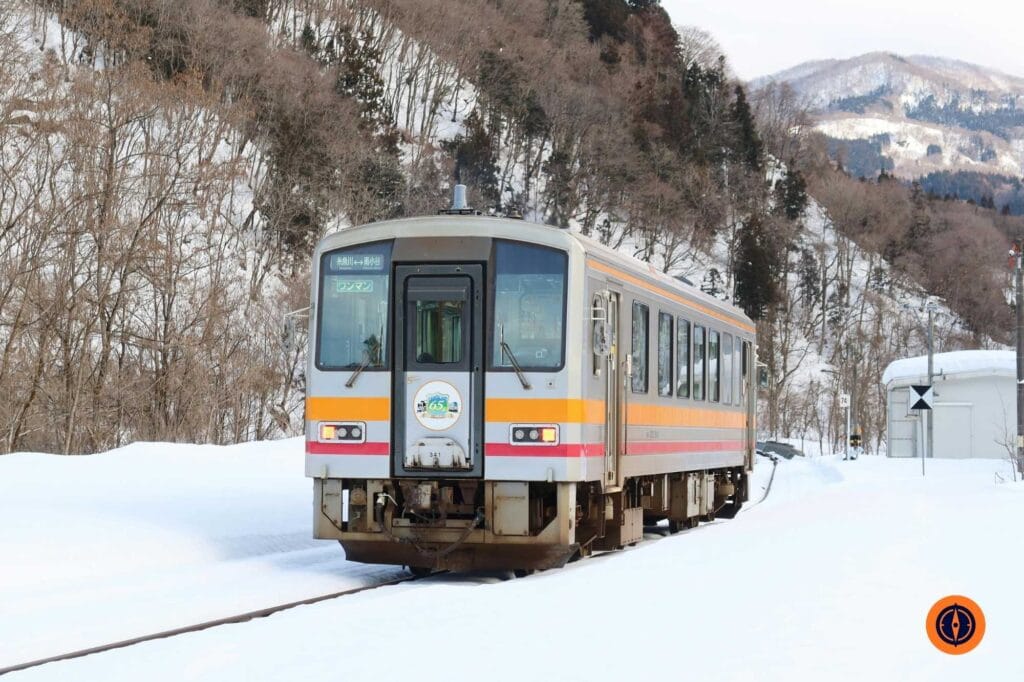
It is a highly dynamic and modern coastal city, tucked away on the northern coast of the southern island of Kyushu and rewards travellers who seeking an authentic look of Japanese urban life, fast travel connections, and world-famous food scene. It is compact, flat, and easy to get around where you will enjoy all the fun perks of a big city like bright neon lights, excellent shopping, and fast subways without overwhelming and massive crowds like Tokyo.
This city is the historic birthplace of world-famous rich pork-bone broth called Hakata tonkotsu ramen which makes it a dream destination for food lovers. It is also a perfect option for booking “multi-city” flight where you can directly fly straight home from Fukuoka International Airport without wasting entire day travelling backward. Furthermore, it is also the best starting point to experience in depth into the Kyushu island where you will find dramatic volcanic landscapes and quiet hot spring (onsen) towns.
The main highlights still belong to its unique evening food culture. As the sun goes down, the riverfront alleys of Nakasu will have local vendors set up yatai, which are cozy, mobile outdoor food tents that only accommodate 8-10 people. This is an experience that you won’t find anywhere else in Japan by slurping a steaming bowl of fresh ramen and sipping a cold beer, while also sitting along with locals under a canvas tent.
Sapporo
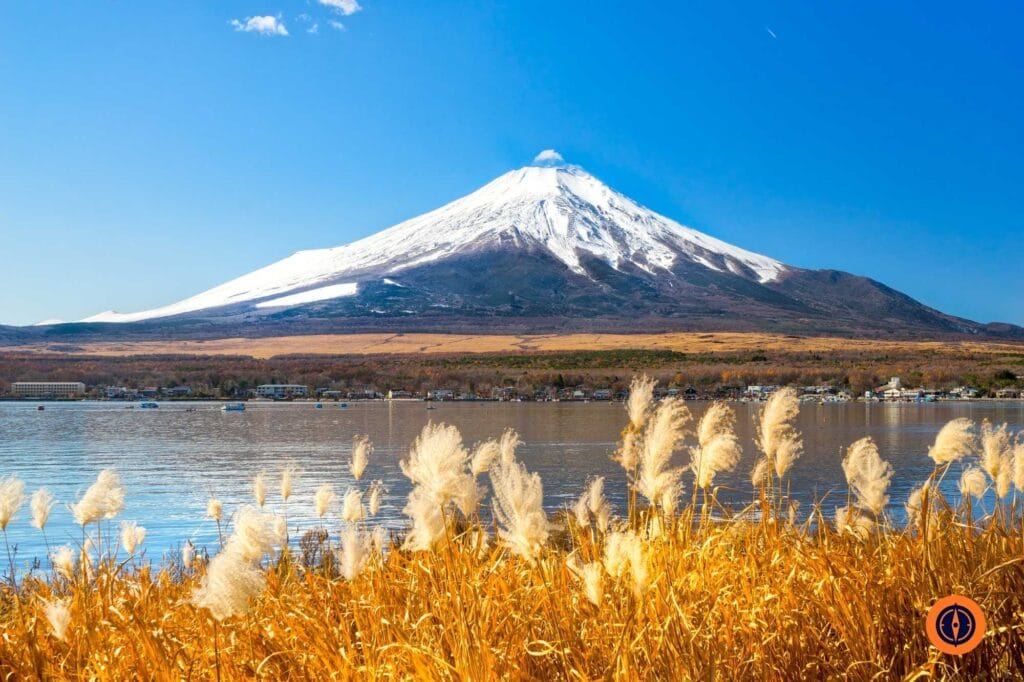
It is a modern and unique city that can be the best starting point for exploring the wild and massive landscapes of Hokkaido. It feels completely different from the main island of Honshu and visitng here can witness the farm-to-table food culture, giant mountains, and changing seasons that you won’t find anywhere else in the country.
Other than this, it is also the main hub for winter festivals and outdoor activities. The city was built in the late 1800s which was designed with a wide, open streets and a simple grid system that make it stress-free and easy to navigate.
It is a perfect choice for travellers who are looking forward for the breathtaking Sapporo Snow Festival every February, or skipping the thick humidity and sweltering heat of Kyoto and Tokyo and heading north to enjoy Sapporo’s cool breezes. If you enjoy seafood and beer, you will also find the world-renowned Sapporo draft beer, famous Hokkaido dairy products, fresh sea urchin, and giant king crab.
The city is situated all the way up on the northern island of Hokkaido so trying to get there by train from Tokyo can be very tiring and long. It will be much cheaper and faster to skip the train completely by booking a quick domestic flight into New Chitose Airport instead.
Seasonal Picks and What to Skip in The Best Cities
Selecting your destinations is only half the battle as you also need to take the weather into consideration. Japan’s weather changes how a city feels, so if you are travelling during peak seasons, your destination choices should be compatible with the local atmosphere.
- Spring (Cherry Blossom Season): Kyoto, Tokyo, and Kanazawa are the best cities to be right now. The temple gardens and historic streets look absolutely magical as it covered in pink blossoms. Just a friendly reminder: This is the busiest time of the year so ensure to book your accommodation months ahead of time!
- Summer (June to August): Central Japan is extremely humid and hot. Consider to head north to Sapporo for cool breeze or visit coastal Fukuoka for a more relaxed vibe.
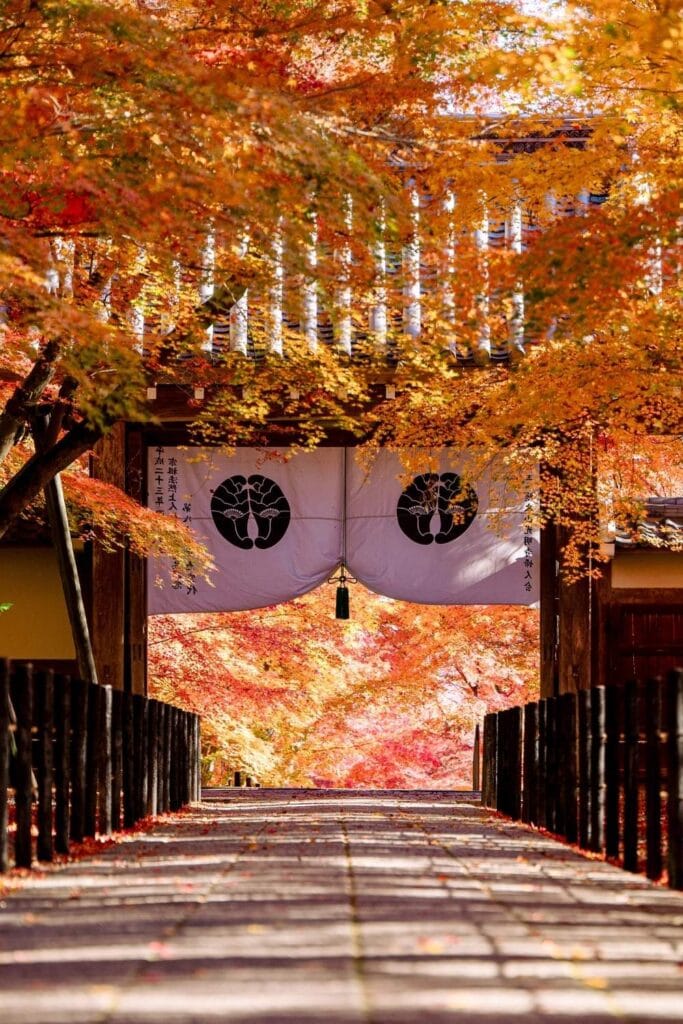
- Autumn (Foliage Season): Kyoto is undeniably the best city to visit during autumn. The bright red maples against the dark wood of ancient temples are memorable. Kanazawa and Tokyo also provides sensational autumn colours in their gardens and grand parks.
- Winter (December to February): Tokyo and Osaka stay crisp and clear which is perfect to visit year-around while Sapporo becomes a magical wonderland and popular for its massive February Snow Festival and incredible winter comfort food.
What You Can Safely Skip on a First Trip
If you only have 7-10 days and try to see everything means you will end up seeing nothing but the train windows, so it is highly recommended to skip these cities below during your first trip:
- Skip Sapporo: Unless you want a dedicated Hokkaido trip or going for winter snow sports. It is too far north which is not fit into short itinerary.
- Skip Fukuoka: Unless you are planning to explore the southern Kyushu island in depth.
- Skip Kanazawa: If your main priority is to complete the classic highlights in Tokyo and Kyoto first.
- Skip Hiroshima: If adding a 4-hour train ride will force you to rush your time in Tokyo or Kyoto.
In short, the best cities are the ones that fit with the season you are travelling to, your daily energy, and your actual timeline.
Conclusion
At the end of the day, there is perfect way to visit Japan. The most memorable trip isn’t the one that is overpacked with famous cities, but the one that lets you actually slow down and enjoy the moment.
If you want high-energy and classic first experience, anchoring your trip around Tokyo, Kyoto, and Osaka which is a proven strategy after all. If you are craving for a quiter or adventurous vibe, consider for a hidden gem like Kanazawa or extending your route to Hiroshima will offer a different and unique experience.
All in all, be realistic about your timeline, trust your travel style, and don’t worry about putting a few cities on hold for your next visit as Japan has its ways to always welcoming you back.
Frequently Asked Questions (FAQs)
Should I buy a Japan Rail (JR) Pass for my route?
Probably not due to the massive price hikes but it still depends on your train route. If you are only doing a standard round-trip between Tokyo, Kyoto, and Osaka, individual tickets are much cheaper. You only need to buy the pass if you plan to travel in long distance like heading down to Fukuoka or Hiroshima.
Is it easy to find English signs and navigate the trains?
Yes, absolutely. All Shinkansen platforms, subways, and major train stations feature English text along with Japanese characters while the train announcements are also being conveyed in English. Download the Google Maps in advance before arrival, it shows you precisely on which platform to stand on and which train car is the closest to your exit.
How should I handle my heavy luggage between cities?
The luggage forwarding service (Takuhaibin) in Japan is the best option as Shinkansen trains have limited space for oversized bags, it is advisable to ask your hotel front desk to ship your bags to your next destination. It usually costs approximately ¥2,000–¥3,000 per bag which takes about 24 hours to process, and allows you to travel completely hands-free.
Is it better to stay in Kyoto or Osaka?
Stay in Osaka for food and budget; stay in Kyoto for atmosphere. Both cities are only about 30 minutes apart by local train. Kyoto hotels are generally more expensive while Osaka provides incredible nightlife, cheaper accommodation, and also plays as a more central transit hub for taking day trips to Kobe and Nara.
Disclosure: This post may contain affiliate links.


Compare prices across top platforms in seconds.