Japan 10-Day Itinerary for First-Time Visitors
Tokyo, Hakone, Kyoto and Osaka
Introduction
A 10-day Japan itinerary is one of the best trip lengths for first-time visitors. It provides sufficient time to experience Tokyo without it feeling too hectic, add a scenic break around the Fuji area or Hakone, slow down your pace in Kyoto, visit Nara Park, and finish with Osaka’s amazing city and food culture.
One common mistake made by first-time visitors is trying to include many cities in their bucket list just because they have 10 days but more stops do not ultimately result in a better experience. Japan is easier to enjoy when each day has enough breathing room, the hotel bases make sense, and the route is clean.
Every hotel change takes time, as you need to navigate the stations, move your luggage, check out from the hotel, find the right platform, then need to process another check-in and being adapt with a new area. When majority of the trip is spending the time to move between places, the itinerary looks exciting but it feels exhausting in real time.
This guide is devised to help you come up with a realistic 10-day Japan Itinerary, not just a long checklist of popular destinations. You will learn how to follow the route day by day, how to think about transport, what to skip, where to stay and the Japan Rail Pass in 2026, and how to prevent your journey in Japan turning into a tiring race.
If you only have a week, consider for a 7-day Japan itinerary instead as a concentrated and shorter route will normally feel much better than focring a 10-day plan into fewer days.
Quick Answer: A Practical 10-Day Japan Itinerary for First-Time Visitors
For majority, the best 10-day Japan route is Tokyo, Hakone or the Fuji area, Kyoto, Nara, and Osaka. This route provides a balanced introduction to food-focused city travel, scenic Japan, traditional Japan, and modern Japan such as combine with the Tokyo energy, reset with onsen or mountain scenery, slow down in Kyoto and end with more casual trip in Osaka.
A practical day-by-day version would look like below:
- Day 1: Arrive in Tokyo, settle in and keep the first day light. Arrival, airport transfer, check-in, jet lag, and dinner are generally sufficient.
- Day 2: Visit Meiji Shrine, Harajuku, Omotesando, and Shibuya. These areas are located strategically on the western side of central Tokyo, hence it becomes easier to visit without too much backtracking.
- Day 3: Explore Asakusa, Ueno, and East Tokyo where they offers a more traditional side of Tokyo, with local shopping streets, parks, museums, older districts, and temples.
- Day 4: Travel to the Fuji area or Hakone before moving on to Kyoto, which helps break up the city-focused route.
- Day 5: Continue to Kyoto with a light travel during evening as it is the transfer day.
- Day 6: Explore Gion, Kiyomizu-dera, and Higashiyama to enjoy the evening culture, preserved streets, and temples.
- Day 7: Visit Arashiyama, Fushimi Inari, or keep the day slower based on your energy level.
- Day 8: Take a Nara day trip, then continue to Osaka in the evening.
- Day 9: Spend a full day in Osaka for nightlife, shopping streets, markets, and food.
- Day 10: Depart from Osaka is smoother, or return to Tokyo if needed
Day 1: Arrive in Tokyo and Keep the First Day Light
Your first day arrival should be about landing smoothly, not related to major sightseeings. Even if your flight arrives earlier, the process normally takes more energy in reality due to train tickets, mobile data setup, airport transfer, luggage collection, immigration, and looking your nearest station can almost fill the first half of the day.
Tokyo is one of the easiest cities in Japan to start your first trip because both Narita and Haneda have robust transport links into the city, and Haneda is specifically less than an hour from many major Tokyo neighbourhoods. It also has practical arrival services such as luggage delivery, coin lockers, luggage storage, pocket Wi-Fi rental, SIM cards which can make the first day easier if you are exhausted or carrying large bags.
Prioritize station convenience over room size for your first Tokyo trip as small hotel near useful station is generally more valuable than a larger room that adds additional transfers, confusion or walking every day. Shibuya, Ikebukuro, Tokyo Station, Ginza, Asakusa, Ueno, and Shinjuku can all work, but the best option depends on your luggage situation, budget, flight airport, and the neighbourhoods you intend to visit.
If your flight land in the morning or early afternoon, keep the plan simple like check in or store your luggage, take a short walk to familiarise with your hotel area, purchase basic supplies, and eat at nearby location. This is not the day to aim for famous restaurant or visit the famous neighbourhoods. While if you arrive late, save your hotel location offline, charge your phone, confirm the closest station exit to make the evening arrival predictable. These small habits can build up experience and the trip becomes more manageable as a result.
Day 2: Meiji Shrine, Harajuku, Omotesando, and Shibuya
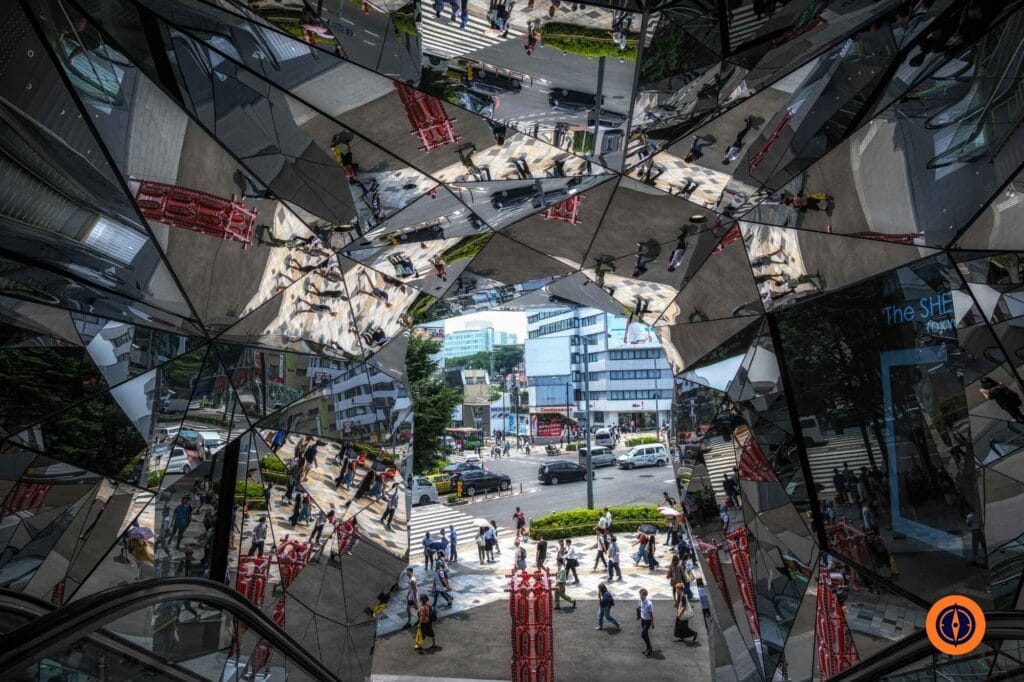
Your first full day in Tokyo should feel exciting and a West Tokyo route works well because it moves naturally from calm cultural spaces to energetic youth culture and neon-lit streets. This route reduces train transfers and protect your energy so you can fully enjoy what Tokyo truly offers.
The West Tokyo Full-Day Structural Route
- Visit Meiji Shrine in the Morning (Calm & Reflection) – Start your day at the Meiji-jingu Shrine which located about 10-minute walk from Meiji-jingumae or Harajuku stations. Walking through the torii gates, forested and peaceful nature offers a gentler view of Tokyo before diving into the hectic districts.
- Harajuku & Omotesando (Cultural Mid-Day) – Located along the JR Yamanote loop line, explore Takeshita Street’s pop culture and snack shops in casual Harajuku. After that, continue your walk to Omotesando which provides a more polished atmosphere with modern architecture and premium boutiques.
- Shibuya (Late Afternoon with Pulse and Density) – Head into Shibuya to experience the famous Shibuya Scramble Crossing. Make full use of your time here to explore the hidden alleyways, department stores, and underground food halls, then witness the city light up after sunset.
- Shinjuku (Optional Evening Choice) – If your energy still high, you can continue your walk in Shinjuku which is accessible via train, it provides amazing nightlife, hidden bars, and night views from skyscrapers.
Tips for First-Time Visitors
- The best method to explore Harajuku, Omotesando, and Shibuya is on foot. Wear comfortable walking shoes with your lightweight backpack.
- Stay on the designated paths and respect the quiet nature of the forest when visiting the shrine.
- The biggest mistake that first-time visitors make is trying to visit all the places under one day. Focus on experiencing what the neighbourhoods offer rather than rushing from one attraction to the next.
Day 3: Asakusa, Ueno, and East Tokyo
Your next stop should be discovering the historic roots of Tokyo after the visit in West Tokyo. Moving east allows you to experience shitamachi (traditional low-city) culture which characterized by world-class museums, expensive parks, vibrant street markets, and ancient temple grounds.
In Day 3, you can pair Asakusa and Ueno which offers rich culture of East Tokyo trip. The route reduces the transit time and provides deep dive of pre-modern heritage in Tokyo.
- Morning: Old Traditions at Senso-ji (Asakusa)
Start your early morning in Asakusa before the afternoon crowds arrive. Senso-ji established in 645 AD and officially recognised as the oldest Buddhist temple in Tokyo. Enter via the iconic Kaminarimon (Thunder Gate) which is popular for its massive red paper lantern and this leads you onto Nakamise-dori, a 250-meter historic shopping street packed with souvenirs, crafts, and traditional snacks. Try fresh senbei (rice crackers) or ningyo-yaki (small baked cakes filled with sweet red bean paste) that prepared right on the street.
- Afternoon: Culture and Nature in Ueno Park
Take a quick 5-minute ride on the Tokyo Metro Ginza Line in Asakusa to go to Ueno Station. Ueno Park is one of the public parks in Japan that housing the oldest zoo, pagoda, and a boating pond. The park also has the popular Tokyo National Museum which housing the largest collection of Japanese art, and the Nationa Museum of Western Art (designed by Le Corbusier). If you are feeling tired, skip the museum trips and opt for a relaxing wander around the Shinobazu Pond to enjoy the cherry blossoms or seasonal lotus blossoms.
- Evening: Visit Market at Ameyoko Street
It is a bustling open-air market located right beneath the elevated train tracks between Okachimachi and Ueno stations. It filled with spices, fresh seafood, cosmetics, and discount clothing stalls. This is also one of the famous spots for open-air dining and casual street food like cheap, high-quality bowl of kaisendon (fresh seafood over rice) or grilled yakitori skewers.
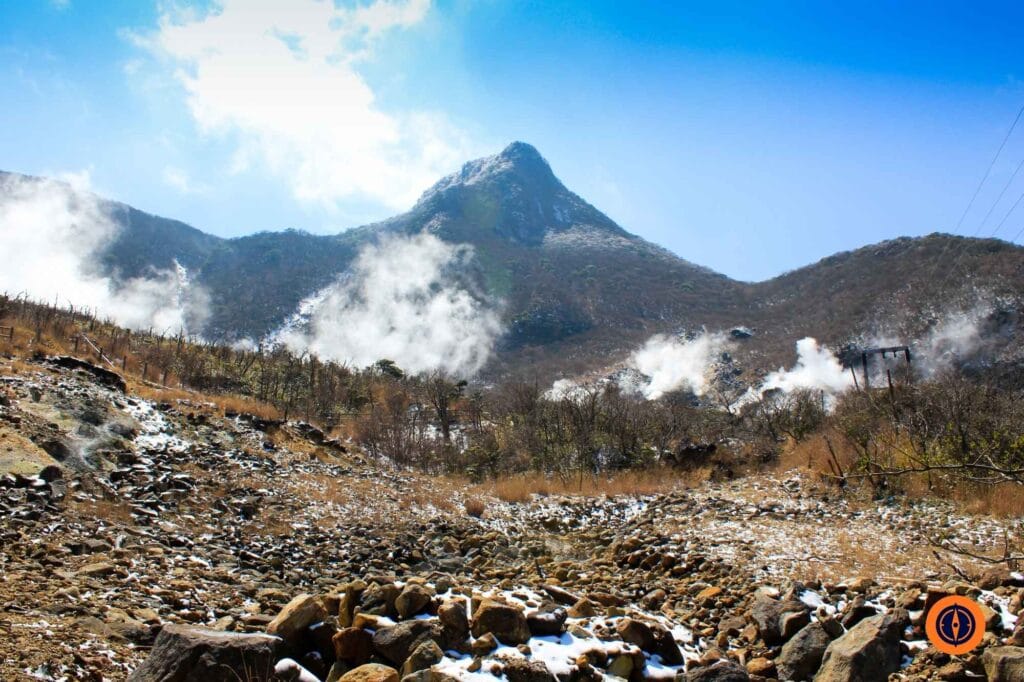
Day 4: Journey to Hakone (Hot Springs & Mountain Views)
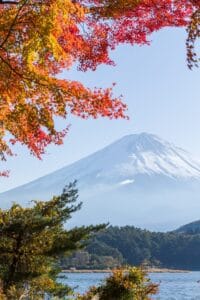
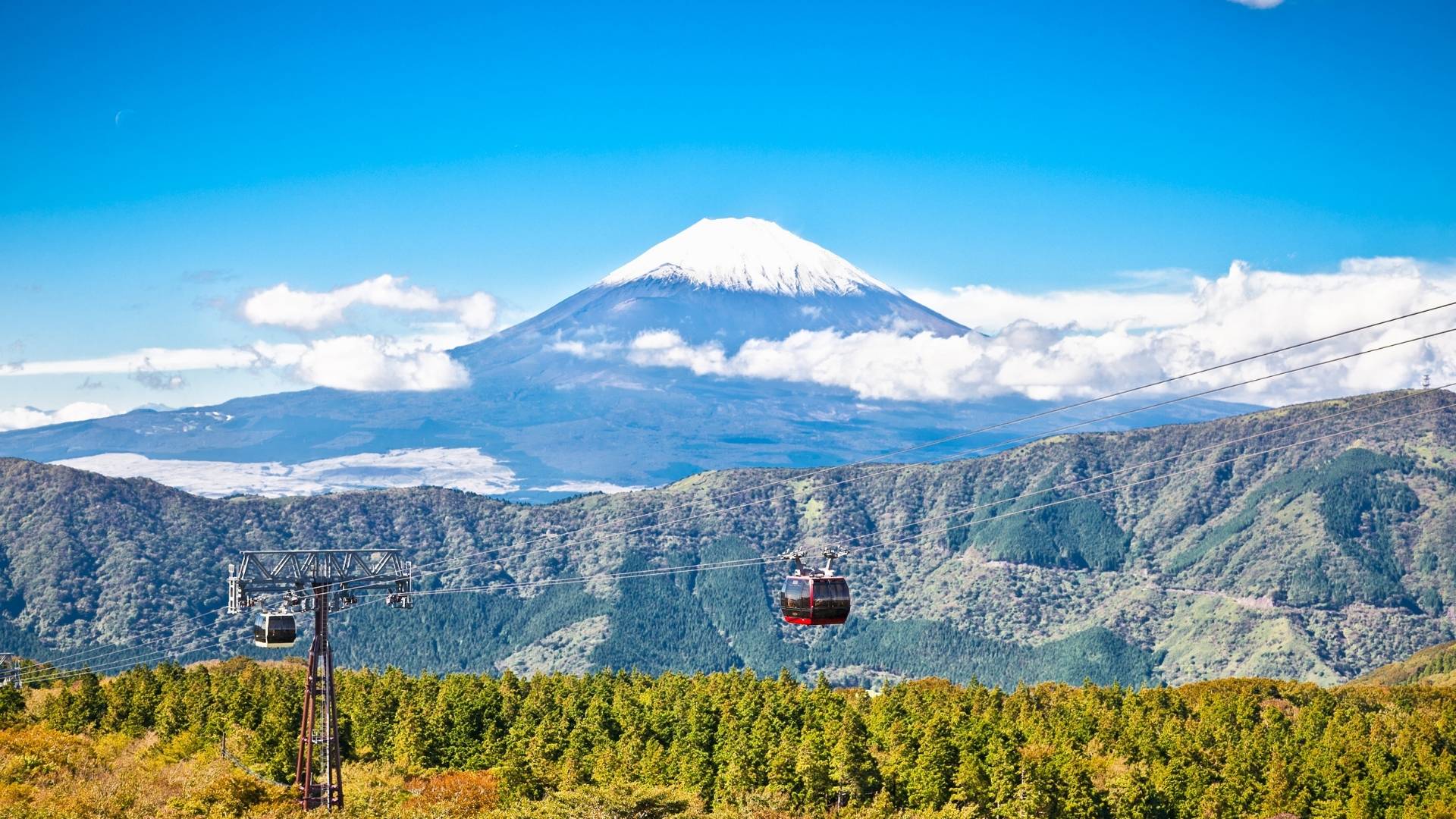
Hakone offers a different shift from Tokyo’s urban life with volcanic hot springs (onsen), views of Mount Fuji across Lake Ashi, and mountain railways.
Your morning task will be boarding the Odakyu Odawara Line “Romancecar” limited express train from Shinjuku Station and it delivers you directly to Hakone-Yumoto Station in approximately 85 minutes. Avoid dragging your luggage or heavy bags up to the mountain, you can consider for Hakone Carrying Service at the station as they will deliver your luggage directly to ryokan or hotel by the afternoon. (Important Note: Hakone’s official luggage service only serves participating accommodation and has reception deadlines.)
Make full use of the Hakone Freepass for riding the Hakone Tozan Railway, the sightseeing cruise across Lake Ashi, and the Hakone Ropeway over the sulfurous vents of Owakudani. The visibility of Mount Fuji is highly dependent on seasonal weather so treat it as a bonus while the hot springs, contemporary art at the Hakone Open-Air Museum, and the ancient cedar forests is your main focus during this trip.
Gora serves as a highly accessible transportation hub for first-time visitors and also offer incredible atmosphere due to deeper in the mountains but need to navigate the local bus routes after dark. Besides, it is recommended to check into your accommodation by 4pm or 5pm because multi-course kaiseki dinners are served at a set time, followed by a therapeutic soak in the onsen.
Day 5: Shinkansen to Kyoto
Moving from the mountains of Hakone to the historic capital of Kyoto generally takes about 2 to 2.5 hours via the Shinkansen (bullet train). You can take a local bus or train from your Hakone hotel back down to Odawara Station and then catch the JR Tokaido Shinkansen directly to Kyoto Station.
In terms of Kyoto hotel bases, choose the Kyoto Station area if your main priority is straightforward bus connections, smooth luggage handling, and seamless day trips. If you prefer the hotel nearby dining districts, lantern-lit streets, consider for Kawaramachi or Gion area. Avoid remote boutique hotels that require multiple subway transfers or long taxi rides.
You will likely arrive in the afternoon so avoid to rush to any major temples as they close their gates by 4:30 PM or 5:00 PM. Instead, take a relaxing walk around Pontocho, a narrow alley that is parallel to the Kamo River and it is popular for its atmospheric restaurants, hidden bars, and preserved wooden architecture. You can join the locals sitting along the banks of the Kamo River (Kamogawa) as the lanterns turn on.
Day 6: Classic Kyoto (Higashiyama, Kiyomizu-dera & Gion)
Southern Higashiyama offers hillside temples, stone-paved lanes, preserved wooden townhouses (machiya) and you can experience all these completely on foot.
Try to arrive at Kiyomizu-dera by 7:30 AM as this UNESCO World Heritage site opens at 6:00 AM, and beating the tour buses is essential so you can fully enjoy its panoramic city views and massive wooden stage. After that, walk down from the temple via Sannenzaka and Ninenzaka and these iconic sloping streets are lined with artisan shops and traditional tea houses.
In the midday, you can continue your move to Maruyama Park which is popular for its cherry blossoms, and also Yasaka Shrine which is the main spiritual of the district. Avoid to rush during this timing, you can go for a seasonal multi-course bento lunch or a traditional matcha set in a quite side lane.
During the night, continue to cross into Gion where its lantern-lit streets of Hanami-koji provide an amazing overview of pre-modern Japan. Gion is a living neighbourhood so it is vital to respect local culture like if you want to take photograph of Maiko or Geiko on public streets, do ensure to have respectful distance without restricting their paths and private alleys are strictly prohibited for photography due to resident’s privacy.
Day 7: Choose Your Adventure (Arashiyama, Fushimi Inari, or Slow Travel)
Avoid combining West Kyoto (Arashiyama) and South Kyoto (Fushimi Inari) as it creates a rushed itinerary during your journey. Instead, pick only one of these based on your travel style.
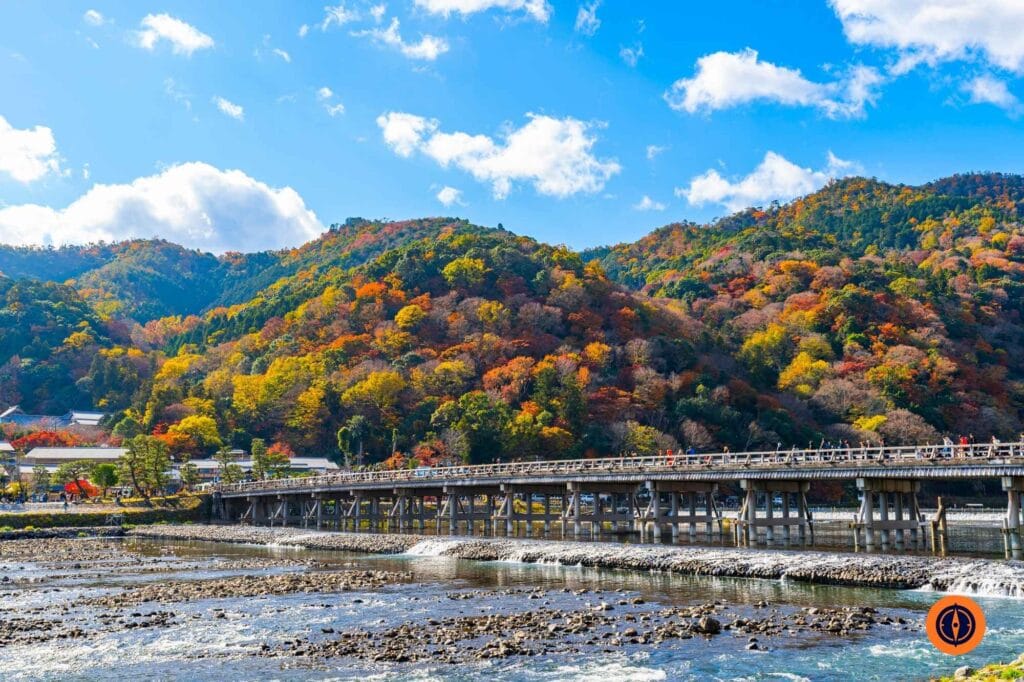
Arashiyama is the nature lover’s route as it offers river views, bamboo groves, and mountain scenery. You can take the JR San-in Line from Kyoto Station straight to Saga-Arashiyama Station, try to arrive at the Arashiyama Bamboo Grove by 8:00 AM, then beat the crowds by visiting Tenryu-ji Temple and its pristine 14th-century garden, or rent a rowboat on the Hozu River.
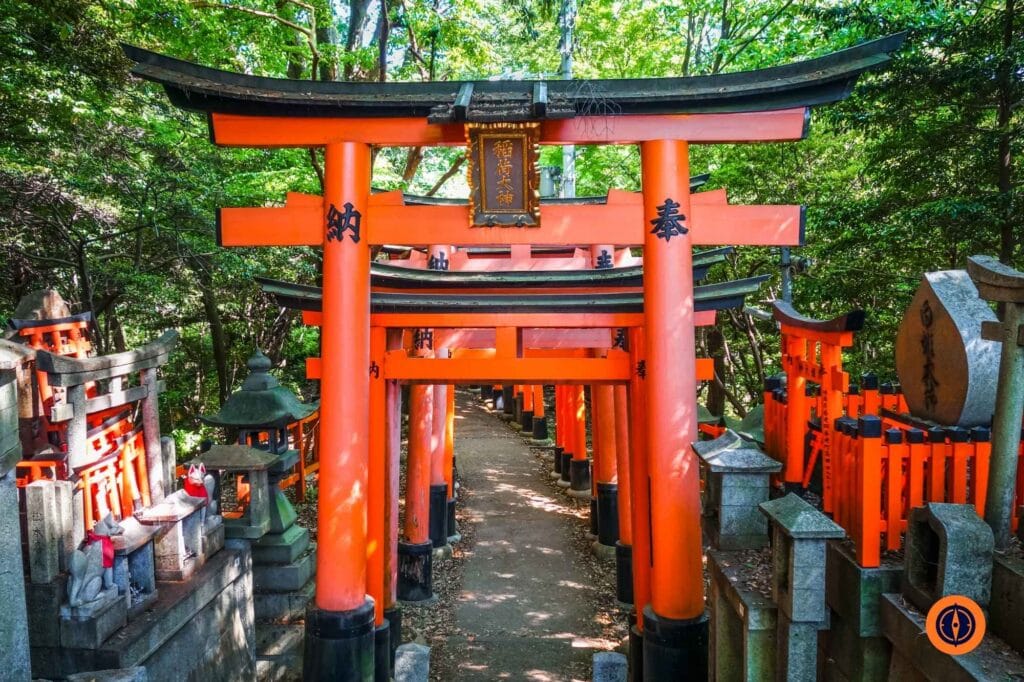
Fushimi Inari-Taisha rewards a hillside hike and best for vibrant photography. You can take the JR Nara Line from Kyoto Station to Inari Station (a quick 5-minute ride). It is popular for its path with over 10,000 red torii gates looping up Mount Inari and the shrine is open 24/7. You can see lesser crowd if hike about 30 to 45 minutes up towards the Yotsutsuji intersection.
Alternatively, you can skip both locations above and spend a slow morning exploring a lesser-known Zen temple like Kennin-ji or Tofuku-ji. After that, you can aim for a leisure lunch along the Kamo River and strolling around the culinary stalls at Nishiki Market.
Day 8: Nara Day Trip & Osaka Evening
Nara is a low-stress day trip from either Osaka or Kyoto. It offers unique experience into wildlife conservation and 8th-century architecture before visiting Osaka city. You can reach Nara by boarding the Kintetsu Line from Osaka-Namba Station (40 minutes) or the JR Nara Line from Kyoto Station (45 minutes via Miyakoji Rapid).
In Nara, one of the main attraction is Todai-ji Temple where you can head directly to the Daibutsuden (Big Buddha Hall) and witness one of the world’s biggest wooden structures, housing a massive bronze Buddha with 15-metre-tall. Another attraction is the Nara Park, you will encounter the popular bowing shika (sacred deer). Purchase shika-senbei (deer crackers) from local licensed vendors, but need to handle the deers with care as it can become fierce when food is visible.
If your departure flight is in western Japan, check out of Kyoto in the morning and move your hotel base to Osaka on Day 8. Spend your first evening visiting Dotonbori, the popular neon-drenched canal district in Osaka, take a picture along with the iconic Glico Running Man sign, try their famous local street food like okonomiyaki (savory cabbage pancakes) and takoyaki (battered octopus balls) from street vendors.
Day 9: Osaka City Day (Markets, Castles, & Modern Skylines)
During this day, you can explore the Osaka Castle Park with its citadel and stone ramparts. The main point is the elevator access and interactive museum. After that, head to the Kuromon Ichiba Market for lunch which features over 150 stalls specializing in seasonal fruits, wagyu beef skewers, and fresh seafood.
Alternatively, if you still have time, you can visit the Tsutenkaku Tower and Shinsekai to experience local gaming arcades, traditional kushikatsu (deep-fried skewers), and early-20th-century Osaka nostalgia. Another option is head north to Umeda for panoramic city views from the Umeda Sky Building’s open-air Kuchu Teien Observatory and upscale shopping centers.
Day 10: Departure Day
Your final day should have a strict focus on the international airport gateway and avoid adding any other sightseeings. If you are departing via Kansai International Airport (KIX) from Kyoto, you can take the JR Haruka Express which will arrive in about 80 minutes, while the Nankai Rapi:t Limited Express from Osaka-Namba will arrive in about 35 minutes. Hence, be prepared to have a minimum 3-hour buffer prior to international departures.
If your return flight departs from Haneda (HND) or Narita (NRT), consider for the bullet train from Shin-Osaka to Tokyo Station which takes roughly 2.5 hours to avoid any unforeseen circumstances.
Where to Stay for First-Time Visitors
| City Region | Key Benefit | Best Suited For |
|---|---|---|
| Tokyo (Shinjuku) | Direct express train loops, culinary depth, and unrivaled nightlife | Travellers who prefer big city energy |
| Tokyo (Ueno) | Accessible budget options and direct Keisei Skyliner link to Narita Airport | History-focused travellers and families |
| Hakone (Gora) | Direct link to the scenic circuit lines and mountain cable cars. | First-time onsen and ryokan visitors. |
| Kyoto Station | Centralized hub for city bus systems, regional JR lines, and bullet trains. | Practical, fast-paced sightseers. |
| Kyoto (Gion/Kawaramachi) | Evening food access, lantern-lit streets, and preserved walking paths. | Cultural, and atmospheric immersion. |
| Osaka (Namba) | Immediate access to the KIX airport train lines and Dotonbori street food. | Culinary enthusiasts and Nightlife lovers. |
| Osaka (Umeda) | High-end department shopping and modern rail terminal infrastructure. | Easy transit connections and business comfort. |
Transport and Budget Breakdown
It is recommended not to buy a nationwide Japan Rail (JR) Pass as the price will increase to 53,000 yen and not worth for the standard Golden route from Tokyo to Hakone, Kyoto, Nara, and Osaka. Instead, purchase individual Shinkansen tickets at station kiosks or SmartEX for major intercity travels. Use local IC cards like ICOCA, or Welcome Suica for private non-JR train networks, buses, and city subways to save money and reduce ticketing friction.
If excluding the internatinal flights, the realistic spending for mid-range travellers will be around 150,000 to 330,000 yen per person for this 10-day Japan trip.
For accommocation, it is recommended to book the hotels at least 4-6 months in advance especially for peak seasons like Cherry Blossoms in late March or April and Autumn Leaves in November due to price surges in these periods.
For food costs, you can consider to mix high-end dinners with cheap, high-quality local fast food like department store basement food halls (depachika), teishoku (set meal) chains, neighborhood ramen shops, and convenience store (conbini) breakfast packs.
Conclusion
A 10-day Japan itinerary is one of the best first-time trip because it offers enough space and time to experience Japan properly without expanding the route too far. Tokyo, Hakone, Kyoto, Nara, and Osaka provides the best combo of modern city life, scenic views, traditional culture and food-focused evenings. Ten days should not become an excuse to add every popular places but it should give enough breathing room to make the trip feel fully enjoyable.
Frequently Asked Questions (FAQs)
Is the nationwide Japan Rail (JR) Pass worth it for this 10-day itinerary?
No. Following the price surge of JR Pass, a standard trip covering Tokyo, Hakone, Kyoto, Nara, and Osaka become no longer reasonable to purchase it. You can save the cost and enjoy better flexibility by purchasing the individual Shinkansen (bullet train) tickets for your long-distance trips and using local digital IC cards for your daily inner-city transit.
Can I visit Arashiyama, Fushimi Inari, and Kinkaku-ji all on the same day in Kyoto?
It is not recommended as these three attractions locates on completely opposite corners of Kyoto. Forcing to visit them under one day will make your visit feel rush as you will experience crowded commuter trains or city buses rather than enjoying the sights. Hence, pick one major sightseeing per day to keep your trip enjoyable.
What happens if Mount Fuji is hidden by clouds when I am in Hakone?
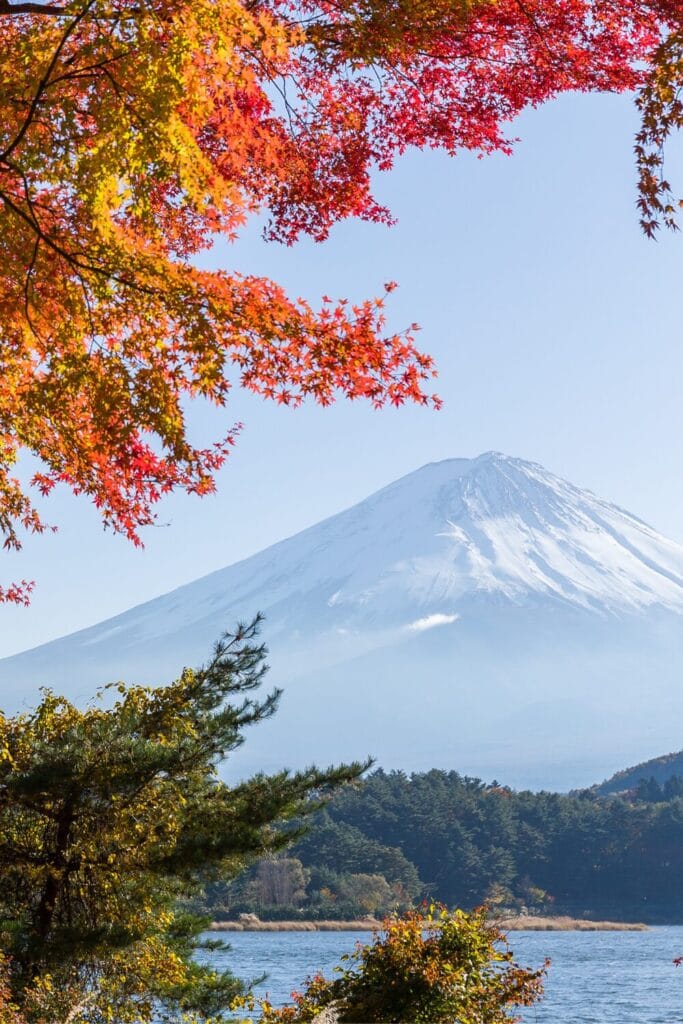
Fuji visibility depends on the change of seasonal weather patterns, and clouds frequently hide the peak especially during the humid summer months. But still, Hakone remains as an incredible stopover due to its contemporary museums, historic mountain transport circuits, traditional ryokan dining experiences, and world-class volcanic hot springs (onsen).
How much cash should I carry vs. using credit cards?
While Japan has become friendly with credit card usage over the last few years but you will still need cash for recharging physical transit IC cards at station kiosks, old-school coin lockers, traditional street food vendors (like those in Kuromon or AmeyokoMarket), and temple entrance fees.
Should I base myself in Osaka or Kyoto for the second half of the trip?
This really depends on your travel style: If you prefer preserved historic lantern-lit streets, a quieter evening pace, and major temples, choose Kyoto; if you prefer a highly convenient, direct express train link straight to Kansai International Airport (KIX) for your departure, a vibrant food culture, and nightlife, choose Osaka as your main stay.
Disclosure: This post may contain affiliate links.



Compare prices across top platforms in seconds.