Where to Stay in Kyoto for First-Time Visitors
Best Areas Compared
Introduction
Choosing where to stay in Kyoto is not just about finding the lowest price or the most attractive hotel, your chosen hotel area affects how smoothly you can start each sightseeing day, manage your luggage, return after dinner, and connect Kyoto with the rest of your Japan Itinerary.
Kyoto looks compact on a map, but in reality, its dining areas, historic streets, gardens, shrines, and major temples are spread across different parts of the city. Some routes are well linked by the subway or trains, while others require occasional taxis, longer walks, or buses. A hotel that looks close to some attractions on a map may become less convenient than desired once transportation options are taken into consideration.
There is no single best area in Kyoto but for a typical stay of three nights or longer, Central Kyoto generally offers the best balance of dining and transport convenience. Kyoto Station is easier for early departures, heavy luggage and short visits while Southern Higashiyama and Gion provide more atmospheric environment and suitable for travellers who are comfortable with less direct transport and more walking. Hence, hotel location should be selected according to its price and room quality as it becomes inconvenient to stay in an area where unnecessary transfers were required for every sightseeings.
This guide will cover Kyoto Station, Central or Downtown Kyoto, Gion, and Southern Higashiyama, Arashiyama and others that are worth considering. Your broader Japan route will also affect the decision. For example, a traveller that spending only 2 nights in Kyoto may prioritise transport and luggage handling, while someone staying 4 nights may value evening walks, restaurants, and smoother access to several parts of the city. If your itinerary belongs to 7 days or 10 days, reviewing the lists before booking helps to decide whether regional connections, neighbourhoods, transport convenience should take priority.
Quick Answer: Best Area to Stay in Kyoto
For most first-time travellers who are staying at least 3 nights, the best-balanced option is the Central Kyoto which specifically around Sanjo, Kawaramachi, Karasuma, and Shijo. It provides useful transport connections, extensive shopping and dining, and convenient access to evening areas.
Choose Kyoto Station when regional rail journeys, departures, and arrivals are the priority. It is suitable for 1-2 night stays, travellers carrying substantial luggage, and early departures; choose Gion or Southern Higashiyama when visiting eastern Kyoto and traditional environments are more vital than simple cross-city transport; choose Arashiyama when a slower experience or scenic ryokan stay in western Kyoto is the priority in your itinerary – not just because the bamboo grove is on your bucket list.
| Area | Best for | Main advantage | Main limitation |
|---|---|---|---|
| Central Kyoto | Most first-time visitors choose to stay three nights or longer. | Strong balance of evening convenience, transport, and dining. | Less traditional than Gion |
| Kyoto Station | Regional journeys, early trains, luggage, and short stays. | JR access, straightforward arrival, and departure. | It requires additional transports for most of the sightseeings. |
| Gion and Southern Higashiyama | Eastern Kyoto sightseeing and traditional surroundings. | Smoother early or evening walks and historic setting. | Precise station access varies. |
| Arashiyama | Slower itineraries, ryokan experiences, and scenic stays. | Access to western Kyoto and peaceful mornings. | Less handy for visiting the rest of the city. |
| Imperial Palace and Marutamachi | Longer stays or quieter. | Useful subway access and calm surroundings. | A short stay offers fewer immediate benefits. |
The easiest decision is:
- Central Kyoto for the best overall balance
- Kyoto Station for the simplest transportations
- Gion or Southern Higashiyama for atmosphere
- Arashiyama for a scenic stay
For a more detailed three-way decision: Kyoto Station vs Gion vs Central Kyoto.
How to Choose the Right Kyoto Area
To choose the right areas, concentrate on the journeys you will visit most often and the type of convenience that is critical during your whole stay.
Start with your arrival, departure and luggage
Think of how you will reach Kyoto and where you will visit afterwards. Staying close to Kyoto Stations can lower luggage movement when you are going to have several journeys at the station, leaving early, or arriving by Shinkansen. The area also has numerous luggage and locker services which enables the arrival and departure days easier.
Nevertheless, a station hotel does not simplify your sightseeings day as many attractions still need walk, bus, subway, or train from Kyoto station. While travellers with less time-sensitive departures and manageable luggage may prefer to proceed for one extra transfer on arrival in exchange for a more convenient stay in Kyoto.
Consider how many nights you have
With only 1-2 nights, the efficiency of arrival and departure is critical on the trip so Kyoto Station is the safer choice in this situation. If you have 3-4 nights, repeated daily convenience becomes more vital than saving one transfer on arrival, Central Kyoto provide greater value due to its access convenience to shops, evening walks, restaurants, and in several directions. While for a longer stay, you can opt for quieter spots further away since you will not waste most of your trip travelling.
Decide how you want to use your evenings
Choosing where to stay is related to more than just your daytime trip. Central Kyoto is perfect if you want walkable streets, shops, and lively restaurants right outside your door after a long day of sightseeing. For a more traditional vibe, Gion and Southern Higashiyama allow you to remain immersed in historic surroundings after the busiest sightseeing hours. Meanwhile, Kyoto Station provides unbeatable shopping and dining experience, though the surrounding district lacks the historic streetscapes that first-time visitors usually aim for.
Compare Kyoto sightseeing with regional journeys
An itinerary that is train-heavy makes staying near Kyoto Station more useful. This area is perfect if you plan to have an early morning departure or take multiple day trips. Nevertheless, if you plan to spend most of the time to explore the city by yourself, avoid choosing a station hotel just for easy intercity travel. A more central area helps to reduce friction in daily commutes, even if it adds additional transfer on your arrival and departure days. Simply to put, the main question is not “Which area has the most transport?”, but about “Which area best supports the daily routes I will take most often?”
Check the actual hotel location
Avoid trusting the broad neighbourhood names blindly as map distance markers do not tell the whole story. For instance, two hotels labeled “Arashiyama”, “Central Kyoto”, or “Higashiyama” can provide completely different levels of convenience such as evening facilities, bus stops, and useful stations. Before booking your Kyoto accommodation, check the essential details: the actual walking route from the closest transit stop, whether the route includes narrow streets, underpasses, stairs, or hills, luggage accessibility from the station to the hotel base, your transport plan for the first 3 sightseeing days, food availability after returning in the evening, and backup plan when there is hot weather or rain.
Central Kyoto: Best Overall for Most First-Time Visitors
When searching for where to stay in Kyoto, you will always see “Central Kyoto” on booking platforms. It generally refers to the areas around Sanjo, Kawaramachi, Karasuma, and Shijo. For first-time visitors, Central Kyoto is the strongest all-round base due to perfect balances of dining, shopping and evening flexibility.
For example, Shijo-Karasuma is ideal for fast transit as it links directly to Kyoto Station through the Karasuma Subway Line. While Kawaramachi side is the best for walking as it places travellers closer to the historic streets of Gion, Pontocho Alley, the Kamo River, and Nishiki Market. Kyoto’s official tourism guidelines particularly recommend this downtown zone for visitors who prioritize diverse retail and dining choices.
Why Central Kyoto Works for Sightseeing
Due to the fact that top attractions in Kyoto are scattered and you might head south to Fushimi Inari on day 1, west to Arashiyama the next, or east to Kiyomizu-dera on day 3. Although the central base unable to provide direct route to every single temple, but it keeps you balanced on the ground instead of staying far away. After having a 20,000-step day of sightseeing, you can conveniently find world-class restaurants outside your hotel lobby without commuting.
Who Should Book a Central Kyoto Hotel?
Central Kyoto is the perfect choice if you are staying for more than 3 nights, aim for vibrant nightlife and dining which takes aound 5-10 minutes walk, prefer flexibility instead of being limited to just one landmark, you need balanced transit access to both Eastern Kyoto and Kyoto Station, or if you are still concluding your itinerary and want the default and safe option.
In short, Central Tokyo is a bustling commercial center with modern architecture, neon signs and busy main roads, and it lacks the quiet and traditional environment compared to other districts. It is broad so your exact street address matters as a hotel tucked near Karasuma Station provides a completely different vibe than a hotel near Kawaramachi or Sanjo. Always map your precise walking route to the nearest subway gate before booking.
Kyoto Station: Best for Short Stays and Day Trips
If your travel priorities favor limited time, hassle-free luggage handling, and seamless rail connections over historic neighbourhood atmosphere, Kyoto Station is the best hotel area to consider for. The station links the Karasuma Subway Line, multiple regional JR lines, and the Tokaido Shinkansen (bullet train). This makes it an efficient transit spot for reaching major attractions such as Arashiyama, Tofuku-ji, and Fushimi Inari Shrine. In addition, the area provides the city’s highest number of luggage-forwarding services and coin lockers.
Why Kyoto Station Works
The main benefit is its convenience and simplicity of transportation. Upon arrival, you can check into your hotel instantly without having to navigate subway transfer or crowded city buses with heavy bags. This saves valuable time which is critical for short itineraries. Its surrounding streets have diverse dining choices, essential travel services, department stores, and packed with hotels.
Who Should Book a Hotel Near Kyoto Station?
This area is highly recommended if you are staying for only 1-2 nights in Kyoto, travelling with strollers, large or heavy luggage, departing or arriving via the Shinkansen bullet train, have an early morning departure to your next airport or destination, plan multiple trips with heavy rail-focused (eg. to Himeji, Osaka, or Nara), and prefer predictable and stress-free transfers over traditional architectural style.
Kyoto Station is a bustling, modern commercial and transit district but it lacks the historic and preserved streetscapes found in areas like Southern Higashiyama or Gion. Furthermore, first-time visitors often misunderstand the area is the best for connecting to multiple sightseeings, in fact, reaching Kyoto’s main shrines and temples still requires an additional subway or bus ride from the station. Select this area only because of your transit route, not to expect every Kyoto attraction to be within walking distance.
Kyoto Station is built with massive and multi-level facility and hotels that labeled as “near the station” can offer a totally different arrival experience sometimes. Hence, before finalizing your reservation, it is important to verify these four details first:
- Check whether your hotel is closer to the South (Hachijo) Exit for the Shinkansen, or the North (Karasuma) Exit for city buses.
- Map the route to ensure it does not require complicated navigation while carrying heavy bags.
- The south side is heavily modern and commercial, while the north side features more traditional nightlife and dining.
- Inspect how long it takes to walk from the hotel lobby to the subway platform or the specific JR you will use most often.
Gion and Southern Higashiyama: Best for Traditional Atmosphere
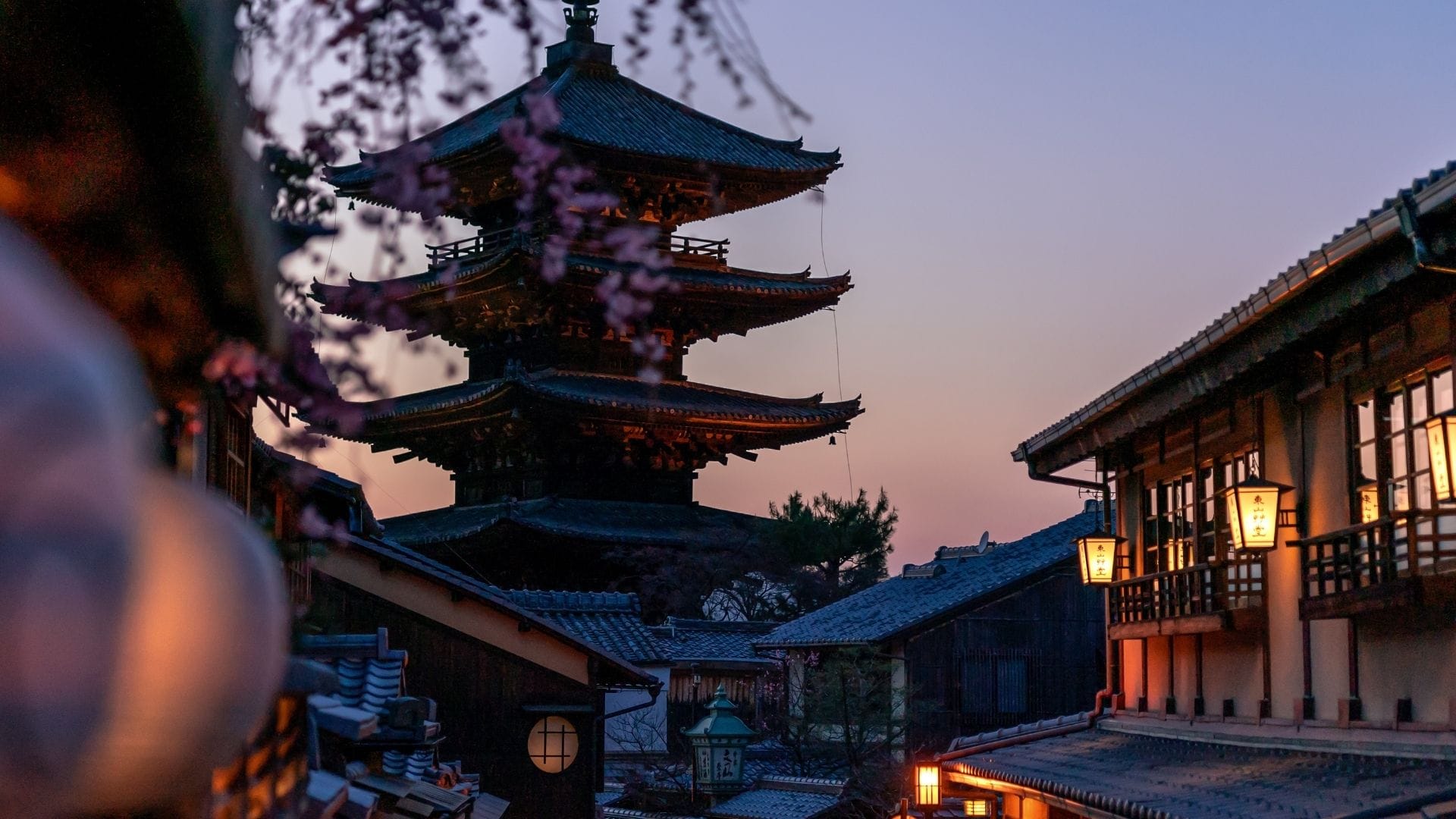
Compared to Kyoto Station and Central Kyoto, Gion and Southern Higashiyama provide the strongest traditional atmosphere. This part of eastern Kyoto includes shrines, temples, and historic streets around places such as Kodai-ji, Kiyomizu-dera, and Yasaka-jinja along with modern and luxury accommodation and long-established ryokan.
The Main Benefit: Beating the Crowds
The biggest advantage of booking a hotel in Gion or Higashiyama is due to its off-hours accessibility. If you are staing nearby, you can easily explore eastern Kyoto’s most popular streets during the quiet evenings or the serene early morning hours. This enables you to beat the tourist crowds during the daytime without having to commute across the city at dawn.
Who Should Stay in Gion and Southern Higashiyama?
This historic area is the best if you are more into historic charm and traditional aesthetics over the transportation efficiency, plan an itinerary that focused on Eastern Kyoto’s temples and shrines, enjoy atmospheric evening strolls and early morning walks, comfortable with walking longer distances as many areas are only for pedestrians, reserving a luxury ryokan stay, and verified your hotel’s distance to a reliable bus stop or train station.
Before reserving, it is critical to check your hotel’s location in this district, as some are located conveniently near major city bus routes or Keihan Railway stations, while others sit deep into residential hills which require long walks or heavy dependence on taxis. Cross-city trips to western destinations like northern temples or Arashiyama require more planning and time than they would from a Central Kyoto base.
Moreover, accommodation prices in Higashiyama fluctuate dramatically during peak seasons like autumn foliage and spring cherry blossoms and high prices also do not guaratee superior room quality. Therefore, always check transit access, exact dates, and revise cancellation policies thoroughly.
Respecting the locals
As a matter of cultural respect and travel etiquette, it is important to remember that Gion is a residential neighbourhood and not a film set or theme park. It is strictly prohibited to touch, follow, or take photos of geiko and maiko (geishas and apprentice) without their permission. Always keep noise levels low at night, avoid blocking narrow streets, and respect private property signs. To have a best stay experience in this district depends on treating sacred cultural spaces and local residents with the utmost care.
Arashiyama: Best for a Scenic, Slower-Paced Stay
Located on Kyoto’s western side, Arashiyama is popular for its peaceful riverside temples, stunning mountain backdrops, Togetsukyo Bridge, and iconic Bamboo Grove.
Booking a hotel in Arashiyama is definitely a rewarding choice if you want Kyoto’s natural landscapes to be the main spot of your stay. While the area has well-built rail connections to downtown Kyoto, but it is more of a daytime destination as most local cafes and restaurants close much earlier than those in central districts.
When Arashiyama Works as a Base
This district is an ideal option if you are booking a high-end riverside property or a luxury ryokan, aim for an early start at the Bamboo Grove before heavy crowds hit in, planning for 4 nights or more in Kyoto, more into Western Kyoto’s sightseeings, prefer natural and quiet surroundings over a vibrant nightlife scene, a repeat visitor who has already finished the core attractions in the central Kyoto, and don’t mind to wait for longer transit times to reach other city landmarks.
If you are only planning 2-3 nights during the first trip, Arashiyama is not the most viable choice as commuting from the far west to central, eastern, and southern Kyoto adds significant travel time in your daily trip. Consider for dedicated day trip from a central hub is usually the best experience in overall.
Imperial Palace & Marutamachi: Best for a Quieter City Stay
You can consider for Kyoto Imperial Palace (Kyoto Gosho) and Marutamachi if you want a peaceful urban environment away from the primary tourist districts. This northern-central zone could be an alternative to the city’s bustling commercial hubs. It is featured by its boutique hotels, indie coffee shops, and quiet residential streets, this area provides excellent connectivity via the Karasuma Subway Line.
Who Should Book in the Imperial Palace Area?
This is for you if you prefer tranquil surroundings over busy shopping streets and nightlife, able to tolerate with occasional additional transit transfer, feel confident to navigate city bus networks and local subway, have well-planned transit lines and daily routes, and want to have an authentic city neighbourhood instead of the districts with heavy-tourists.
It remains a secondary recommendation for most first-time travellers as it is broad and a hotel located right next to Marutamachi Station can provide a total different transport experience compared to a property located further north or west. Hence, always verify the precise walking distance to the closest subway entrance before booking your room.
Best Kyoto Area by Trip Type
| Your situation | Recommended area | Why |
|---|---|---|
| 3-4 nights visit | Central Kyoto | Best balance across multiple sightseeing days |
| 1-2 nights visit | Kyoto Station | Reduces arrival and departure friction |
| Several regional day trips | Kyoto Station | Smoother access to major rail connections |
| Couple’s trip that prefer atmospheric environment | Gion or Southern Higashiyama | Traditional setting and eastern Kyoto access |
| Scenic stay or special ryokan | Arashiyama | The accommodation experience becomes part of the itinerary |
| Solo traveller wanting evening activity and convenience | Central Kyoto | Transport, dining and a more active evening environment |
| Traveller with heavy luggage | Kyoto Station | Simpler luggage services and station access |
| Quiet longer stay | Marutamachi or Imperial Palace area | Calmer surroundings with useful central access |
| Most time spent sightseeing within Kyoto | Central Kyoto | More balanced daily movement |
| Train with early departure | Kyoto Station | Lowers departure-day transfers |
How Kyoto Transport Should Affect Your Hotel Choice
Navigating Kyoto efficiently needs a strategic understanding of its two-line city subway where it intersecting with five district rail operators – Kintetsu, Randen, Keihan, Hankyu, and JR – alongside multiple private and public bus networks.
While city buses have filled significant gaps geographically but the popular routes still face heavy crowds and traffic delays. Therefore, it is advisable by the Kyoto Municipal Transportation Bureau that travellers to use a smart combination of bus, rail, and subway transit rather than depending exclusively on a single mode of transport.
This also means that a hotel near a major railway or subway offers immediate backup routing choices if impacted by the road traffic while a property that forces you to board the buses during both morning and evening ties you with strict timetables and traffic conditions.
Before booking, trace your first three days from the hotel:
- Morning Departures: How will you reach your first sightseeing destination every morning?
- Transfer Efficiency: Does the route require multiple transfers with different transportations?
- Rail over Road: Are you able to use train or subway line to bypass the street traffic?
- Late-Night Returns: How easy is it to reach your hotel after dinner when the bus frequencies reduce?
- Luggage Arrival: How smoothly can you arrive at your hotel with heavy luggage?
- Crowd Contingency: Is there any other transport option available if the main tourist bus is fully occupied?
Note: While Kyoto provides various subway and bus day passes, the validity rules, fare structures, and participating operators adjust periodically, so it is important to verify via their official website before purchasing.
Pro Tips for Booking Hotels in Kyoto
1. Book Early for Peak Seasons
Demand for Kyoto accommodation surges dramatically during the major cultural festivals like the Gion Matsuri, autumn foliage, and spring cherry blossom (sakura) season. It is suggested to book your hotel 3-6 months in advance for these periods so you can secure the best balance of location and price.
2. Prioritize Interconnected Access Over Pure Distance
Avoid relying on a map’s linear distance as a hotel listed as “2 kilometers from Nijo Castle” might need multi-transfer efforts. Prioritize properties within a 5-10 minute walk of a major train or subway line, treating walking paths and bus stops as secondary options.
3. Check Recent Reviews for Final Decision
Skip the generic 5-star ratings and refer to user feedback specifically like the difficulty of the actual station walk, physical accessibility, noise levels, logistical services like whether the front desk provide late check-in options or luggage storage, and availability of convenience stores (konbini) or evening dining spots within a short walking distance.
4. Maximize Hands-Free Travel with Luggage Delivery
Kyoto has well-built baggage-forwarding ecosystem where it allows you to bypass travelling with large and heavy bags entirely. You can drop your luggage directly at Kyoto Station upon arrival and have it transferred straight to your hotel room. Before planning your arrival day, always verify the current price tiers, delivery cut-off times, and your hotel’s participation.
5. Calculate the Total Cost of Location
The hotels tagged with the cheapest price tends to locate in a distant, isolated property which introduces hidden costs such as costly localized dining choices, unexpected late-night taxi fares, and multiple transit transfers. At the same time, avoid paying for premium price for a famous neighbourhood unless its location can save significant hours of daily commute.
Conclusion
To make your final decision easy, your choice should align with your travel style and particular itinerary duration. The ideal neighbourhood is not the one with the most popular street name or the lowest base rate, but it is the particular location that can support your daily transit routes, respect your limited time, and provide the best possible experience in Kyoto.
Frequently Asked Questions (FAQs)
Is it better to stay near Kyoto Station or in Central Kyoto?
Central Kyoto is better for longer stays (3+ nights) because it provides superior shopping, dining options, and great balance of bus and subway routes to reach tourist attractions, while Kyoto Station is best for short stays (1-2 nights), frequest day trips to Nara or Osaka, early departures, and heavy luggage.
Can you walk to major sightseeing destinations from Kyoto Station?
No. While Kyoto Station is very convenient for intercity bullet trains, it is not within walking distance of major attractions as reaching iconic temples such as the Arashiyama Bamboo Grove or Kiyomizu-dera will still require a secondary journey via city bus, regional train, or subway.
Is staying in Gion expensive?
Not always. While Gion and Southern Higashiyama has some of the most premium hotels and historic ryokan, the prices fluctuate heavily depends on the season like rates spike during autumn foliage and spring cherry blossoms, so travellers must compare the dates and look for mid-range choices.
Is a hotel near a bus stop enough to get around Kyoto easily?
Not during peak hours. Kyoto city buses can become incredibly crowded, and routes are often slowed down due to heavy traffic. To ensure stress-free trips, it is recommended to book a hotel within a 5-10 minute walk of a train or subway line so you can have a contingency plan.
How far in advance should I book a hotel in Kyoto?
It is suggested to book your accommodation 3-6 months in advance if you plan to visit during peak seasons like autumn (November) or spring (April). Rooms fill up quickly in prime areas like Gion and Central Kyoto.
Disclosure: This post may contain affiliate links.



Compare prices across top platforms in seconds.