Japan Itinerary for 7, 10, and 14 Days
First-Time Routes That Actually Work
Introduction
Planning a trip to Japan sounds simple until you actually start deciding how many cities to include.
That is usually the moment when excitement turns into second-guessing. Should you try to fit Tokyo, Kyoto, Osaka, Hakone, Nara, and Hiroshima into one trip, or keep it simpler and actually enjoy where you are? Is one week enough? Is 10 days the sweet spot? And at what point does a longer itinerary become better rather than just busier?
For most first-time visitors, the best Japan itinerary is not the one with the most stops. It is the one that gives you enough contrast to feel the trip was worth it, while still leaving room to breathe, recover from travel days, and enjoy each city properly.
This guide covers realistic 7-day, 10-day, and 14-day Japan itineraries for first-time visitors. The goal is not to build the most packed route possible. It is to help you choose a route that actually works for your budget, your energy, and the kind of trip you want to have.
If you are still deciding which cities belong in your route, start with my guide to the best cities in Japan for first-time visitors, then come back here to choose the itinerary length that fits your trip.
Quick Answer: Which Japan Itinerary Is Best?
If you only want the short version, here it is:
| 7 days | – Best for travelers with limited leave who want a classic first trip – Best route: Tokyo + Kyoto, or Tokyo + Kyoto + Osaka – Main tradeoff: exciting, but fast |
| 10 days | – Best for most first-time visitors – Best route: Tokyo + Hakone or Fuji area + Kyoto + Osaka – Main tradeoff: the best balance of pace, highlights, and logistics |
| 14 days | – Best for travelers who want the classic route plus one deeper extension – Best route: Tokyo + Kyoto + Osaka + Hiroshima/Miyajima or Kanazawa – Main tradeoff: more rewarding, but needs more disciplined planning |
If you want to check whether the route fits your money plan, my Japan travel budget breakdown explains realistic 7-day, 10-day, and 14-day costs.
What This Japan Itinerary Assumes
TThis guide is built around a few practical assumptions.
It assumes this is your first trip to Japan, that you are using public transport rather than renting a car, and that you want a moderate pace rather than an ultra-fast checklist trip. It also assumes you are arriving in Tokyo, which is still the easiest starting point for many first-time visitors because of international flight access and onward rail connections.
The routes below focus on the most common first-trip priorities:
- major cities
- easy train connections
- satisfying contrast between destinations
- a route that feels memorable without becoming exhausting
They are not designed for travelers who want to cover every region in one go.
That matters more than many people expect. A Japan trip usually feels better when you give yourself permission to do less, especially if you are also handling hotel changes, train timing, booking decisions, and daily route planning yourself.
The Tokyo to Kyoto move is the key transport decision in this itinerary, so compare the Shinkansen, bus, and flight options before buying tickets.
How to Choose Between 7, 10, and 14 Days
The right route length depends less on ambition and more on how you want the trip to feel.
Choose 7 Days If:
- your main limit is time
- this is a shorter annual-leave trip
- you want a strong first taste of Japan without overcomplicating the route
- you are comfortable keeping the trip tight and selective
Seven days can still be very worthwhile, but only if you accept that you are building an introduction rather than trying to “do Japan properly.” This is the version where your route choices matter most, because every unnecessary hotel change will be felt immediately.
If you already know you only have one week, my detailed Japan 7-day itinerary gives you a more focused version of this route with clearer day-by-day pacing.
Choose 10 Days If:
- You’re embarking on your first Japan trip and desire a well-rounded experience.
- You want to visit Tokyo, Kyoto, and Osaka without feeling rushed every day.
- You’d like to include one scenic or leisurely stop in the middle of your journey.
- You want enough time to relax and enjoy the trip rather than constantly managing it.
For most first-time visitors, 10 days is the strongest balance between Tokyo, Kyoto, Osaka, and recovery time. I also have a detailed Japan 10-day itinerary if you want the fuller route breakdown.
Choose 14 Days If:
- you already know you prefer slower travel
- you want the classic route plus one deeper extension
- you want more flexibility, better pacing, and fewer “should we skip this?” decisions
- you want your first trip to feel broader, not just longer
If you are torn between 7 and 10 days, it is usually worth leaning toward 10 if your budget allows it. The extra few days improve the feel of the trip far more than many first-time visitors expect.
The Best 7-Day Japan Itinerary
A 7-day Japan itinerary works best when you keep it simple. This is not the trip to cover half the country. It is the trip to see a few major highlights, get comfortable with how Japan feels, and leave wanting to come back.
Days 1 to 3: Tokyo
Start in Tokyo for three nights.
For most first-time visitors, Tokyo is the right place to begin because it gives you the clearest introduction to modern Japan. The official JNTO Tokyo destination guide presents the city as a place where old and new exist side by side, and that is exactly why it works so well at the front of a first itinerary.
A strong short Tokyo stay usually includes:
- one major skyline or city-view experience
- one or two classic neighborhoods such as Shinjuku, Shibuya, Asakusa, or Ueno
- a mix of food, shopping, and evening wandering
- one slower half-day to recover from arrival
Tokyo can feel intense on day one, especially if you arrive jet-lagged. Staying near a useful station helps far more than many travelers expect.
For the Tokyo portion of the trip, read my Tokyo travel guide first, then compare hotel bases with my guide to where to stay in Tokyo for first-time visitors.
Days 4 to 5: Kyoto
Move to Kyoto for two nights.
Kyoto gives your itinerary a completely different rhythm after Tokyo. The pace feels quieter, the scenery more traditional, and the trip starts to feel more layered. The official JNTO Kyoto destination guide also emphasizes that the city is best approached by area and timing, which fits how first-time visitors usually get the best experience.
For a short first visit, focus on:
- one temple or shrine area in the morning
- one traditional district such as Gion or Higashiyama
- one relaxed afternoon instead of trying to force too many major sights together
Two nights in Kyoto works for a 7-day trip, but it will feel tight. That is normal. The goal here is not to complete Kyoto. It is to get a meaningful taste of it without overwhelming the rest of the route.
For the Kyoto portion, my Kyoto travel guide explains how to approach the city, while my Kyoto stay guide helps you choose between Kyoto Station, Gion, and central Kyoto.
Day 6: Osaka
Use Osaka as your final major stop.
Osaka works very well at the end of a shorter route because it is easygoing, food-focused, and less mentally demanding than trying to do more temple-heavy sightseeing at the end of the trip. The official JNTO Osaka destination guide leans into exactly what makes the city so useful here: food, nightlife, and easier urban energy.
A simple Osaka day might include:
- Dotonbori or Namba for food and city energy
- a casual shopping district
- one viewpoint or city walk
- a relaxed final dinner instead of more heavy sightseeing
If you are unsure how much time Osaka deserves, read my Osaka travel guide and my guide on whether Osaka is better as a base or a day trip from Kyoto.
Day 7: Final City Time or Departure
Your last day should stay light.
If you are flying out of Osaka, keep the final morning simple. If you are returning to Tokyo, resist the temptation to add one more major stop. Final-day overplanning is one of the easiest ways to make a good trip feel stressful right at the end.
Who This Route Is Best For
This is the best Japan itinerary if you want a short, classic, first-time trip and you are happy to move at a faster pace.
The Best 10-Day Japan Itinerary
For most first-time visitors, 10 days is the most balanced choice.
It gives you enough time to enjoy Tokyo and Kyoto properly, add one scenic stop without chaos, and still finish the trip feeling like you saw the highlights without spending the whole time packing and unpacking.
Days 1 to 4: Tokyo
Spend four nights in Tokyo.
This gives you more breathing room than the 7-day version. You can explore the city without rushing, leave space for slower mornings, and still cover a good mix of neighborhoods. It also gives you a cushion in case your arrival day is partly lost to flight timing or exhaustion.
A four-night Tokyo stay works well because it lets you balance:
- major first-timer areas
- one cultural or historical stop
- one food-focused evening
- one lighter or slower day
That extra time matters. Tokyo is one of those cities where trying to do too much too quickly can make the trip feel like admin rather than travel.
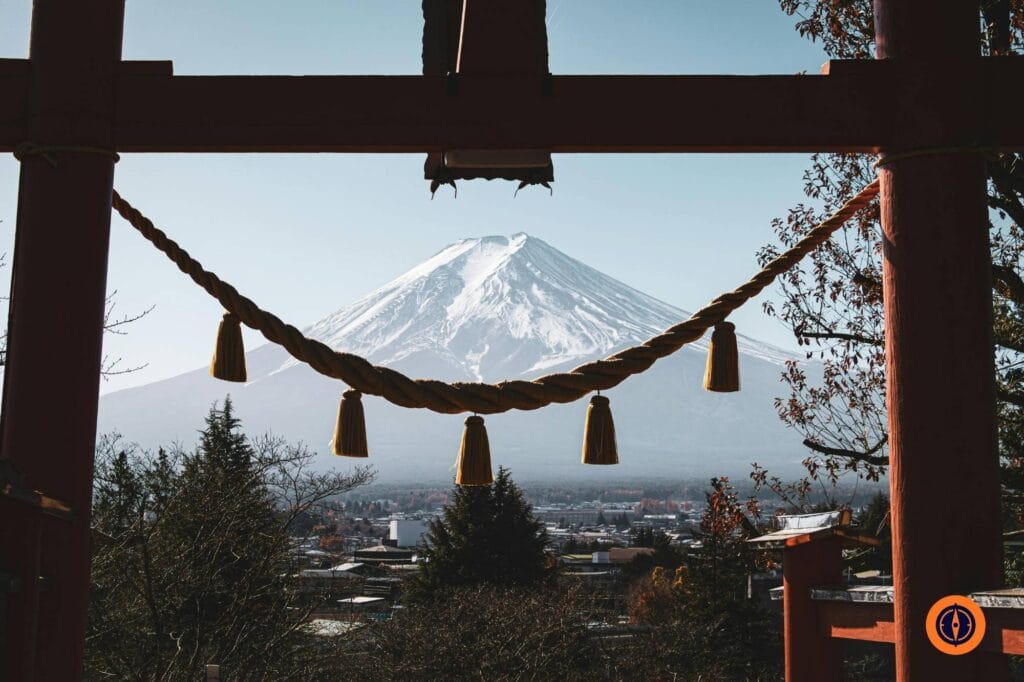
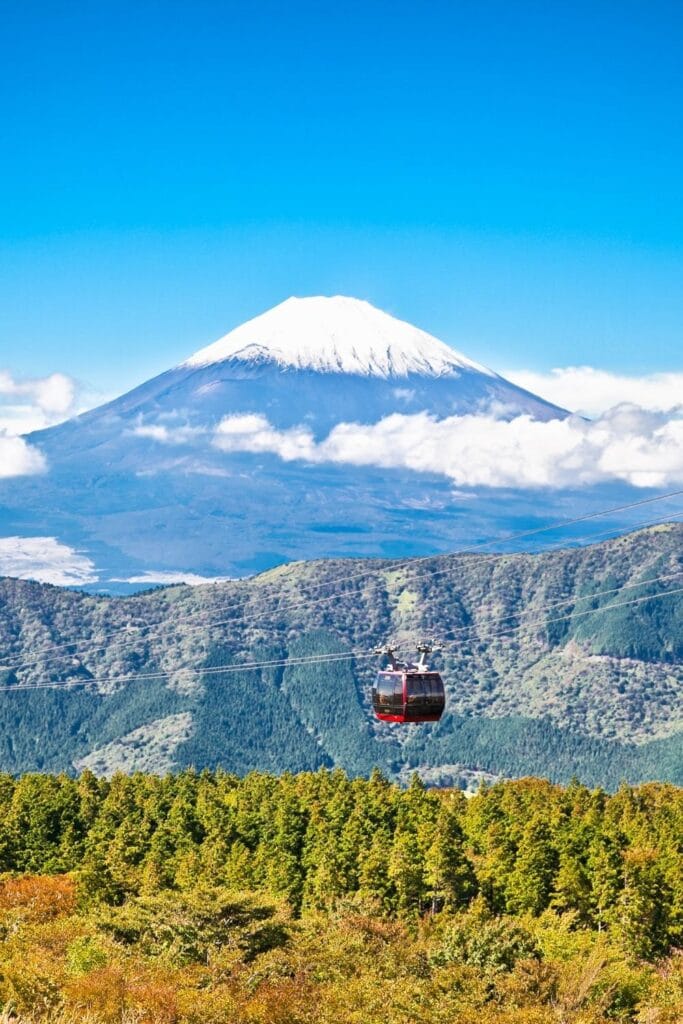
Day 5: Hakone or the Fuji Area
Add one scenic stop between Tokyo and Kansai.
This is one of the best ways to make a first Japan trip feel more complete. Tokyo and Kansai are great, but a scenic break in the middle helps the trip feel less urban and more memorable.
Choose Hakone if:
- you want something more convenient
- you like the idea of an onsen stay
- you want a smoother connection between Tokyo and Kyoto
Hakone is especially useful because JNTO’s own itinerary describes it as an easy excursion from Tokyo and recommends two days, which matches why it works so well as a short reset stop.
Choose the Fuji area if:
- you care most about iconic views
- you are comfortable with more weather uncertainty
- you want that classic Mount Fuji moment in your trip
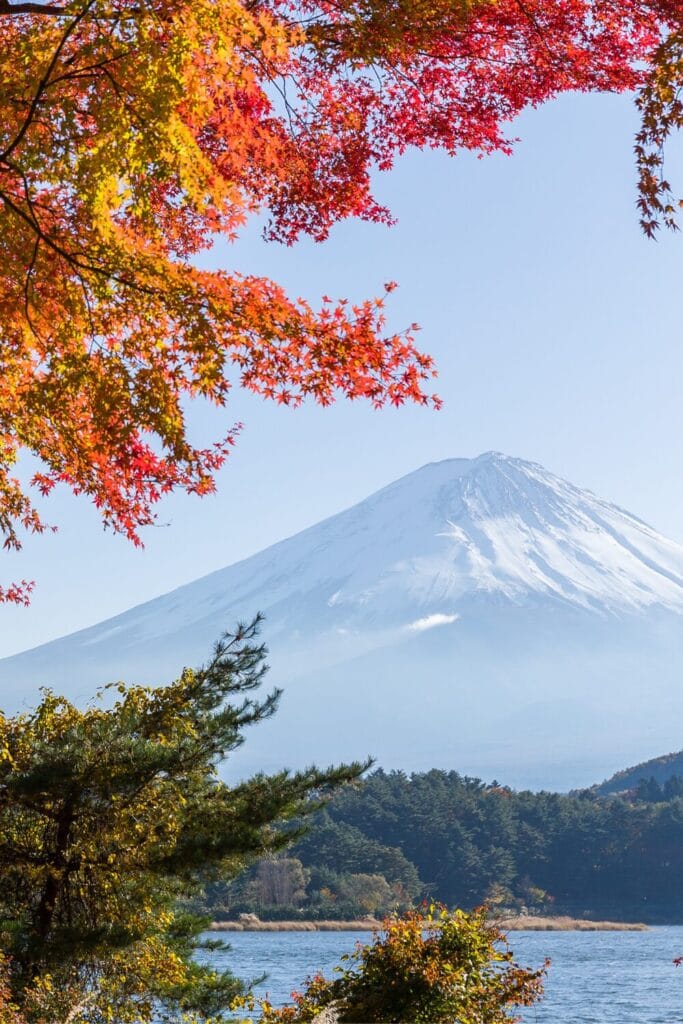
The official Mt. Fuji guide is a good reminder that this part of the trip is more flexible than many people think. It is not only about climbing Fuji. It is about views, lakes, hot springs, and a different rhythm.
Days 6 to 8: Kyoto
Spend three nights in Kyoto.
This is where the 10-day route starts to feel much stronger than the 7-day version. Three nights gives you room to enjoy Kyoto properly rather than feeling like you are just passing through between train tickets.
Use Kyoto for:
- traditional districts
- temple and shrine areas
- slower evenings
- early-morning exploring before crowds build
Kyoto also tends to feel more tiring on foot than first-time visitors expect, so giving yourself more time here usually improves the whole trip.
Days 9 to 10: Osaka
Finish with two nights in Osaka.
Osaka is a practical and enjoyable final base. It gives you easier access to food, shopping, and transport, and the mood is usually more relaxed at the end of the trip. If you still have energy, this is where a simple Nara day trip can fit naturally.
Who This Route Is Best For
This is the best option for most first-time visitors who want the classic route done well.
The Best 14-Day Japan Itinerary
A 14-day Japan itinerary works best when you use the extra time for depth, not random extra stops.
This is where many travelers go wrong. Two extra cities do not automatically make the trip better. A stronger approach is to keep the classic Tokyo-Kyoto-Osaka foundation and use the additional days for one meaningful extension.
Option 1: Tokyo, Hakone or Fuji, Kyoto, Osaka, Hiroshima and Miyajima
This is one of the best 14-day first-time routes if you want a wider sense of Japan without losing the classic highlights.
| A realistic structure looks like this: | – Days 1 to 4: Tokyo – Day 5: Hakone or Fuji area – Days 6 to 8: Kyoto – Days 9 to 10: Osaka – Days 11 to 12: Hiroshima and Miyajima – Day 13: flexible return or slower Osaka/Kyoto day – Day 14: departure |
| Why it works: | – Tokyo gives you the modern energy – Kyoto gives you the traditional contrast – Osaka gives you food and an easier pace – Hiroshima and Miyajima add depth, history, and a different emotional tone |
The official JNTO Hiroshima guide reinforces why this is such a strong addition. Hiroshima is not just about the peace memorials. It also opens up access to Miyajima, the Seto Inland Sea atmosphere, and a different side of western Japan.
This route feels broader without feeling random.
Option 2: Tokyo, Kanazawa, Kyoto, Osaka, Nara
This version suits travelers who want a slower and slightly more atmospheric route.
| A realistic structure looks like this: | – Days 1 to 4: Tokyo – Days 5 to 6: Kanazawa – Days 7 to 9: Kyoto – Days 10 to 12: Osaka – Day 13: Nara or another lighter Kansai day – Day 14: departure |
| Why it works: | – Kanazawa adds a cultural stop that feels different from the standard golden route – Kyoto and Osaka still keep the first-trip essentials – Nara fits naturally without unnecessary hotel changes |
The official JNTO Kanazawa page is a good reminder of why this city appeals to many second-wave first-timers: strong traditional culture, seafood, gardens, and craft heritage without the same scale or intensity as Kyoto.
If you like the idea of a trip that still feels classic but slightly less obvious, this route can be a very good fit.
Who This Route Is Best For
This is the best route length for travelers who want both the classic first-time cities and one slower extension that gives the trip more character.
Best Hotel-Base Logic for These Routes
Where you stay matters more in Japan than many first-time visitors expect. A convenient hotel base can save a surprising amount of time and energy over the course of the trip.
Tokyo
For most first-time visitors, the easiest choices are:
- Shinjuku for transport access and city energy
- Ueno for convenience and often better value
- Asakusa for a calmer atmosphere with easier traditional sightseeing access
The key is not to chase the “perfect” neighborhood. It is to pick a base that reduces daily friction.
Kyoto
The most practical areas are:
- Kyoto Station Area for transport convenience
- Central Kyoto for balance
- Gion or Higashiyama for atmosphere, if you accept a little more complexity
Kyoto accommodation often books out earlier than many travelers expect, especially in busy seasons.
Osaka
The easiest Osaka bases are:
- Namba for food and atmosphere
- Umeda for transport convenience
- Shinsaibashi for a central middle ground
A simple rule helps here: one base per city is usually enough. Changing hotels too often inside the same city usually adds more hassle than value.
Practical Planning Notes That Make the Itinerary Easier
A strong Japan itinerary is not only about which cities you choose. It is also about the small practical decisions that lower friction.
Get Mobile Data Sorted Early
Having data from the start makes maps, train planning, hotel check-in details, and everyday travel much easier. This is why an eSIM usually pays off immediately on arrival day.
Learn the Basics of IC Cards
If you are unfamiliar with transport cards in Japan, the official JNTO IC card guide is worth understanding. These cards make city transport and small purchases much smoother across a large part of the country.
Keep the Route Cleaner Than You Think You Need
A slightly simpler route almost always feels better in practice. Japan is efficient, but large stations, luggage, and repeated check-ins still take energy.
Know Where to Get Help
The official Japan Visitor Hotline is useful to know about before you need it. That kind of support matters more on a first trip than many travelers expect.
Common Mistakes People Make With a Japan Itinerary
| Common Mistakes | Reasons |
|---|---|
| Trying to Cover Too Much | This is the biggest mistake. Japan looks efficient on a map, but every city change still costs time and energy. |
| Treating Arrival Day Like a Full Sightseeing Day | Even experienced travelers underestimate how tired they feel on the first day. Keep arrival days lighter. |
| Choosing the Wrong Hotel Base | A slightly cheaper hotel can make the whole route harder if it creates longer walks, poor station access, or inconvenient late-night returns. |
| Underestimating Kyoto | Many people under-budget time and energy for Kyoto. It often needs more planning and more patience than expected. |
| Not Planning the Basics Early Enough | For shorter Japan trips, these usually matter: –hotels -train logic -eSIM -travel insurance -any high-priority bookings |
Final Verdict: Which Japan Itinerary Should You Choose?
If you want the simplest answer:
- choose 7 days if time is limited and you want a classic first taste
- choose 10 days if you want the best overall first-trip balance
- choose 14 days if you want the classic route plus one deeper extension
For most first-time visitors, 10 days is the strongest choice. It gives you enough time to enjoy Tokyo, Kyoto, and Osaka properly, while still leaving room for a scenic stop and better pacing.
A Japan itinerary feels best when it is realistic. The goal is not to prove how much you can fit into the trip. It is to build a route you will actually enjoy from start to finish.
If you want the hotel-base logic, route order, and day-by-day flow already mapped out, my Japan route blueprints are built for first-time independent travelers planning Tokyo, Kyoto, and Osaka.
Frequent Asked Questions (FAQs) About Planning a Japan Itinerary
What is the best Japan itinerary for first-time visitors?
For most first-time visitors, the best route includes Tokyo, Kyoto, and Osaka. If time allows, adding Hakone or the Fuji area creates an even better balance.
Is 7 days enough for Japan?
Yes. Seven days is enough for a good first trip, but it works best when you keep the route simple and avoid trying to cover too many cities.
Is 10 days enough for Japan?
Yes. For many travelers, 10 days is the sweet spot because it offers a strong balance between highlights, pacing, and logistics.
Is 14 days too much for a first trip to Japan?
No. Fourteen days can be excellent for a first trip if you use the extra time for depth and pacing rather than adding too many random stops.
Should I include Osaka in my first Japan itinerary?
Yes, but how much time you give it depends on the trip length. Osaka often works best as a shorter but enjoyable stop after Kyoto.
Should I stay in one hotel per city?
Usually yes. For most travelers, one hotel base per city is enough. Changing hotels too often inside the same city usually adds more hassle than value.
Do I need travel insurance for a Japan itinerary?
Travel insurance is recommended because medical treatment, delays, and lost luggage can still be expensive or disruptive on a multi-city route.
Do I need an eSIM for Japan?
It is not mandatory, but having mobile data makes arrival, maps, train planning, and day-to-day travel much easier.
Disclosure: This post may contain affiliate links.


Compare prices across top platforms in seconds.