Is Japan Safe for Travelers?
What to Know Before You Go
Introduction
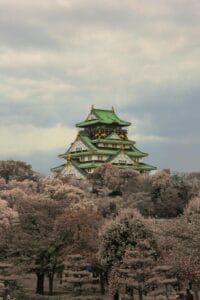
Japan is broadly considered one of the safest countries in the world to visit which is also one of the primary reasons many travellers choose it as their first international trip.
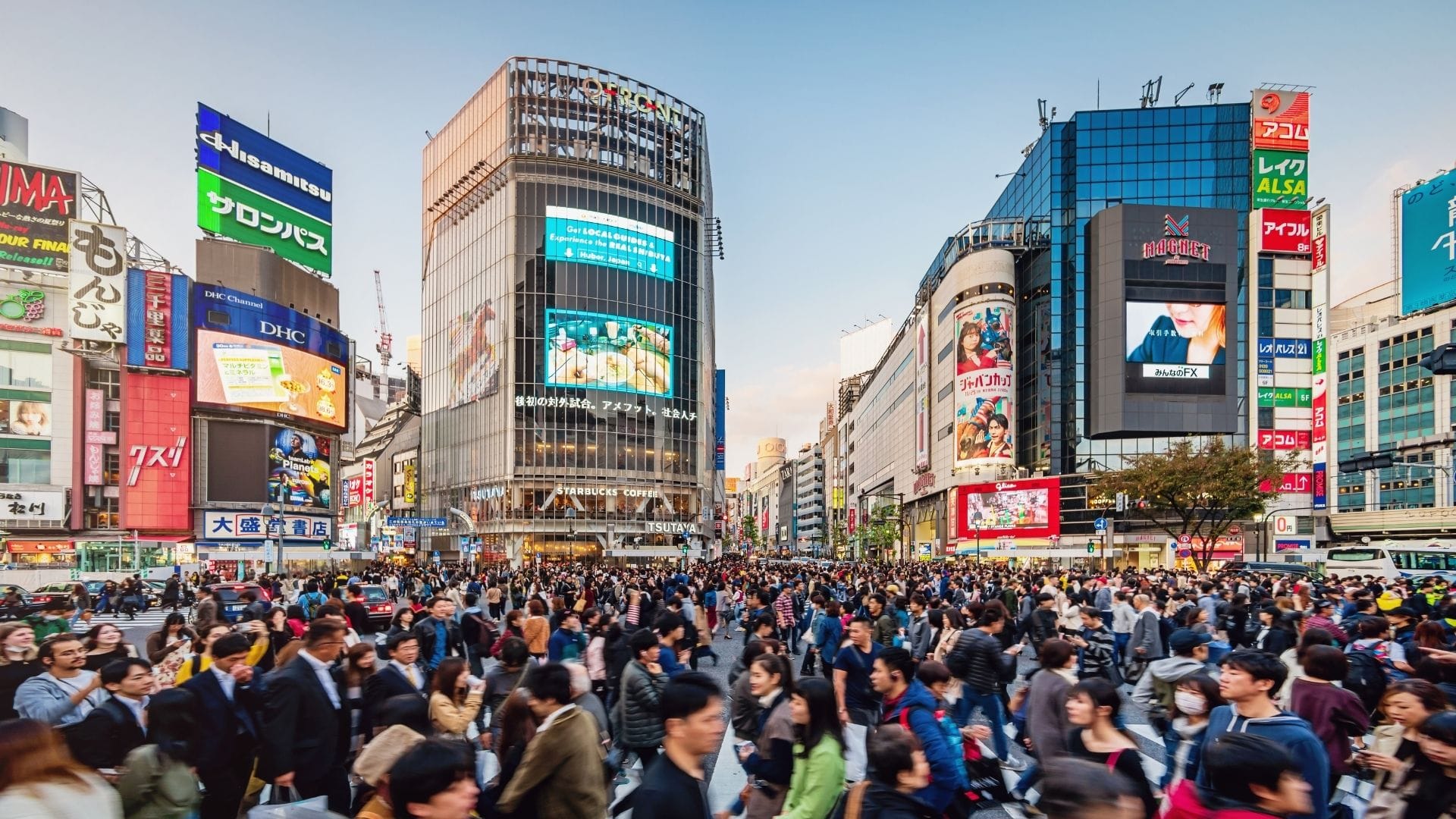
Cities like Tokyo, Kyoto, and Osaka are well-known for their efficiency in public transportation, low visiblity of crime, cleanliness in public spaces, and certain level of order that makes independent travel feel far less stressful than expected. That combination helps Japan stand out, especially for travellers who opt for a destination that does not feel chaotic. It minimises the social and practical stress when wandering around.
However, “safe” does not signify “risk-free”. Even in a country with strong reputation for safety, visitors still need to exercise precautions and think about daily issues like how to respond to weather or emergency alerts as per shared by JNTO’s safety guide, personal belongings, late-night transport choices, crowded stations, and nightlife promoters. The distinction is that in Japan, the risks are usually detectable and manageable compared to other countries.
The main risks travellers should still watch out for
The majority of the visitors are not dealing with serious violent crimes and most are usually smaller and more practical.
| Risk | What it usually looks like | Best response |
|---|---|---|
| Nightlife touts | Get invited by street promoters into bars or clubs | Avoid following the strangers into the venues that you’re unfamiliar with. |
| Late-night itinerary mistakes | Costly last-minute decisions, bad hotel location, and missing the easiest return | Aware of your last-train logic and stay near useful stations |
| Lost property | Bag, wallet or phone misplaced in busy stations or in transit | Contact the facility first, then file a report at koban or police station if needed |
| Natural disasters | Earthquake, typhoon disruption, heavy rain | Follow official alerts and local instructions |
| Overconfidence | Neglecting normal judgment due to a calm environment. | Treat Japan as safe, but not risk-free |
Is Japan Safe for First-Time Visitors?
Yes, it is generally safe and also one of the strongest options for your first international trip. If someone is very anxious of travelling abroad for the first time, Japan usually presents in three useful ways:
Structured transportation
Buses and trains are usually run on time, removing the anxiety of unforeseen delays. Other than this, major transit hubs provide clear signage with numbered exits, color-coded lines, and English language. Travellers can also reserve particular seats at ticket offices for their Shinkansen bullet trains to have carefree long-distance journey. In addition, digital transit cards like Suica also allow easier and seamless payment for convenience store goods and local subways.
Major tourist routes can be easily researched
The highly predictable path also called as the Golden Route which connects Tokyo, Kyoto, and Osaka is widely documented in digital travel guides. Apps like Google Maps also offer carriage recommendations for transfers, transit prices, and precise platform numbers while services like Yamato Transport allow you to ship bags directly between hotels to avoid dragging your luggage through the crowds.
A Proven Safe Environment
Violent crime, scams, and petty theft are remarkably rare, meaning you can wander around safely at night in general. The Koban system where thousands of nearby police boxes are dispersed across cities to ensure assistance is accessible and visible. Community members are usually helpful and willing to go extra miles to guide tourists who are lost by using gestures or translation apps although there is language barrier.
The combination of aboves allow travellers to build confidence and exploring the cities independently, using transports with minor adjustment, and moving across different cities without feeling unfamiliar risks.
Is Japan Safe for Solo Travelers?
Yes, it is one of the most comfortable countries for solo travel. Spending time alone in city districts, stations, and cafes, moving around by train, and eating alone all feel pretty normal in Japan. This eradicates a lot of friction solo travellers felt in other places.
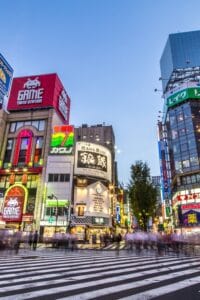
However, solo travellers still need to incorporate normal precautions like staying aware of nightlife and scams. Entertainment districts like Kabukicho (Shinjuku) and Roppongi in Tokyo have known issues with vigorous street promoters, avoiding to follow them into unknown venues. If you feel unsafe, locate the nearest Koban (neighbourhood police box) which can be easily found in different cities. Besides, always remember to keep a loaded physical or digital IC transit card such as Pasmo or Suica so you can hop onto any public transport like bus or train immediately without groping for tickets if you intend to exit an uncomfortable circumstance.
Is Japan Safe for Solo Female Travelers?
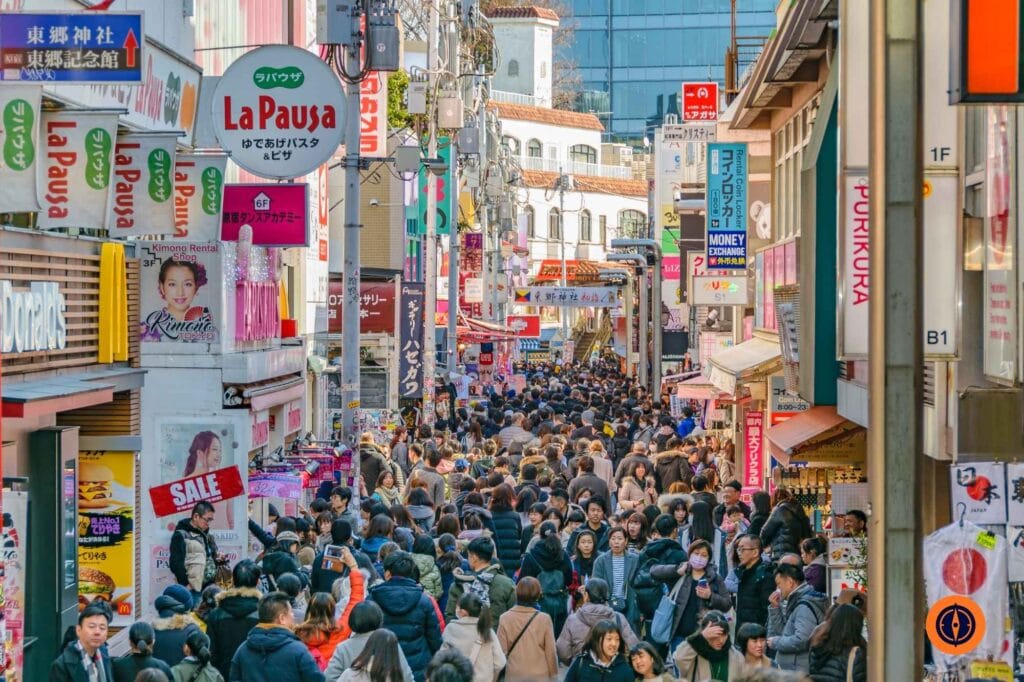
Japan is widely regarded one of the most comfortable destinations for solo female travellers, and many women choose it particularly due to lower risk compared to other countries. Major tourist spots are normally feel comfortable to explore, solo dining is normal, and public transport is heavily used. Safety precaution can also be found in some transit lines where there are women-only cars during rush hours so younger children and women can have a greater sense of security when on board.
However, it is still important to have common precautions like avoid walking through unfamiliar or poorly lit areas during late night, choose accommodation or hostels that are convenient to access into major train lines and many hostels offer secure entry and dedicated female-only floors.
What To Do in an Emergency
Japan is known for its strong emergency infrastructure and it helps to understand the basics before you really need them. These are the numbers and services worth documenting:
| Need | Contact |
|---|---|
| Police emergency | 110 |
| Ambulance / fire | 119 |
| Japan-wide visitor help | Japan Visitor Hotline: 050-3816-2787 |
| Tokyo non-emergency guidance / advisory help | #9110 or 03-3501-0110 |
The official Japan Visitor Hotline is extremely advantageous as it operates 24 hours a day, 365 days a year and offers emergency assistance and tourist information in Korean, Chinese, and English. Alternatively, if you’re in Tokyo and seeking for non-emergency police guidance, the Tokyo Metropolitan Police Department lists #9110 or 03-3501-0110 as advisory contact options, while also clarified that 110 should only be used for accident-related emergencies or actual crime.
If you think you have lost something valuable inside a facility, shop or a train station, you can contact the operator first. If you really have no idea the exact location of the missing item, you can consider to file a Lost Property report at a police box (Koban) or police station. The recovered items are generally preserved by police for 3 months, and travellers should include phone number and an email address in case the item is found after they leave Japan.
Natural Disasters and Weather Awareness
In Japan, it is normal to experience heavy rain, typhoons, and earthquakes, but this also helps in building their own strong public alert systems. For instance, when the risk levels change, the Japan Meteorological Agency will issue emergency warnings.
The best approach for travellers is to always stay aware of weather conditions, maintain flexibility in travel plans if conditions change, follow local announcements, and also avoid neglecting the transport warnings. Japan has been in well-positioned for preparedness and it works best when the visitors respect the current in-built alert systems.
Do You Need Travel Insurance for Japan?
Yes, travel insurance is highly recommended. Although Japan is safe in overall but it does not remove the financial risk of bookings cancellation, missing luggage, possibility of transport disruption, medical treatment and additional extended stays in accommodation during delays. For instance, a hotel that seems cheap but requires late-night transfers is not really cost-effective choice while late arrival in unfamiliar area is not considered as risky by default, but it feels much more difficult than a daytime arrival near a useful district or station.
Final Verdict: Is Japan Safe?
Yes, Japan is one of the safest countries in the world and also one of the easiest in terms of navigation. Its biggest strengths not just relies on low visibility of crimes, but also how manageable and structured the cities are. Travel usually feels relaxed and calmer, cities are well-organized, and public transport is reliable compared to other destinations.
The main risks are usually practical ones like the weather disruptions, exhausted decisions, crowded stations, and nightlife promoters. Japan is comfortable to visit as long as you stay alert of those mentioned and plan reasonably.
Frequent Asked Questions (FAQs) About Japan Travel Safety
Is Japan safe for first-time visitors and solo travellers?
Yes. Japan is one of the safest countries for first-time visit due to strong reliability of transport systems, well-organized public spaces, and public safety is generally reassured. While solo travellers can also feel comfortable as it is pretty normal for solo dining and independent movement over there.
Is public transport safe at night in Japan?
Yes. Public transport is generally safe in most of the cities including in the evening. The important concern is to understand your itinerary and avoid late-night decision making if staying afar from main station.
Are Koban useful for travellers?
Yes. It is very useful and considered as a real part of community-policing systems that developed in Japan, it can be helpful in reporting problems, asking help for directions or file for missing properties.
Disclosure: This post may contain affiliate links.


Compare prices across top platforms in seconds.