Osaka Travel Guide for First-Time Visitors:
Is Osaka Worth Visiting?
Introduction
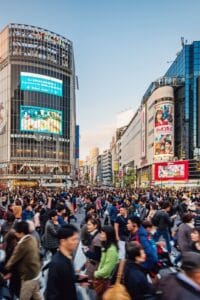
When visitors planning their first trip to Japan, Tokyo and Kyoto always steal the spotlight and leaving Osaka as a backup plan. That is a mistake as we might also miss out on what Osaka truly offers.
Osaka is not the city travellers consider first but it ends up being the city that provides one of the most enjoyable legs of the trips. Local tourism boards frame the city where Kita (Umeda) as the northern gateway for experiencing the retail hub and premier business while Minami features vibrant busy streets where atmosphere, fashion and food take place together.
The Japan National Tourism Organization (JNTO) depicts Osaka in similar, and affable way – relaxed, enchanting and best known for night life, fun and food. That is the reason why it is a brilliant idea to add on into your first-time itinerary. It provides great urban energy without strict timings like Kyoto or the absolute physical endurance required to deal with Tokyo.
If your time is limited, Osaka is honestly the perfect place to slow down and recharge. The transit is very easy to tackle, the nightlife does not need a tight schedule, and the street food is top-notch.
Quick Answer: Is Osaka Worth Visiting?
In my opinion, Osaka is definitely worth for your bucket list especially if you are a food lover. It delivers energetic and cheerful environment that feel less overwhelming like Tokyo and also comes with fantastic evening scene and practical transit. Nevertheless, it may feel less indispensable if your trip is short and main priorities are wholly focused in quiet mornings, traditional lanes, and temples.
| If your goal is… | Osaka is worth it? | Why |
|---|---|---|
| Casual city energy, food and night life | Yes | It is one of the most lively cities in Japan to enjoy without a concrete plan |
| A simpler ultimate stop after Kyoto | Yes | The route feels less overwhelming and easy to navigate |
| A Kansai base for day trips | Yes | Parts of Osaka and Umeda work well for broader regional movement |
| Mostly traditional scenery and temples | Maybe | Kyoto could be better fit if these are your primary objectives |
| A very short 4–5 day first trip | Maybe | Osaka can still work, but it may need to be a short stay or evening stop rather than a major city block |
The real gem of Osaka is not about the checklist of famous landmarks but how effortless of the experience the city offers. There is no need to plan a complicated route for having a good time in Osaka, hence it is valuable to be included in the 2nd half of your Japan trip where energy used tend to be lower than expected.
What Osaka is Actually Good At
Some of the first-time travellers often dismiss Osaka as just a louder version of Kyoto or a smaller option to Tokyo but that misses the point completely. Its real strength is the smoother navigation and you don’t have to plan in order to get the most out from the city. But instead, you can just pick a central neighbourhood, then spend the rest of the day in 1-2 different district by wandering, eating and still feel like the whole day has been fully taken care of.
The vibe here is completely different compared to its neighbours as Tokyo requires strong willingness to explore and an open mindset such as you might be in hidden and quiet valley in one day and in the next day, you will be in a district with futuristic tech and neon-lit. In short, it is a metropolis of micro-streets or neighbourhoods, each has its own particular vibe.
While for Kyoto, it requires early starts and tight schedules like as early as 7:00 AM if you want to beat the crowds to truly experience its bamboo forests, temples, and historical shrines.
When comparing to Osaka, it is all about the combination of entertainment, food and street energy. You can simply arrive in a district like Shinsekai or Dotonbori, then follow your hunch by moving from bustling izakayas to street-food stalls without stringent itinerary.
The city divides into two different personalities as up north, Kita (Umeda) is a modern and sleek mega-hub where it also serves as a future gateway determined by world-class culinary, iconic skycrapers, and subterranean shopping networks.
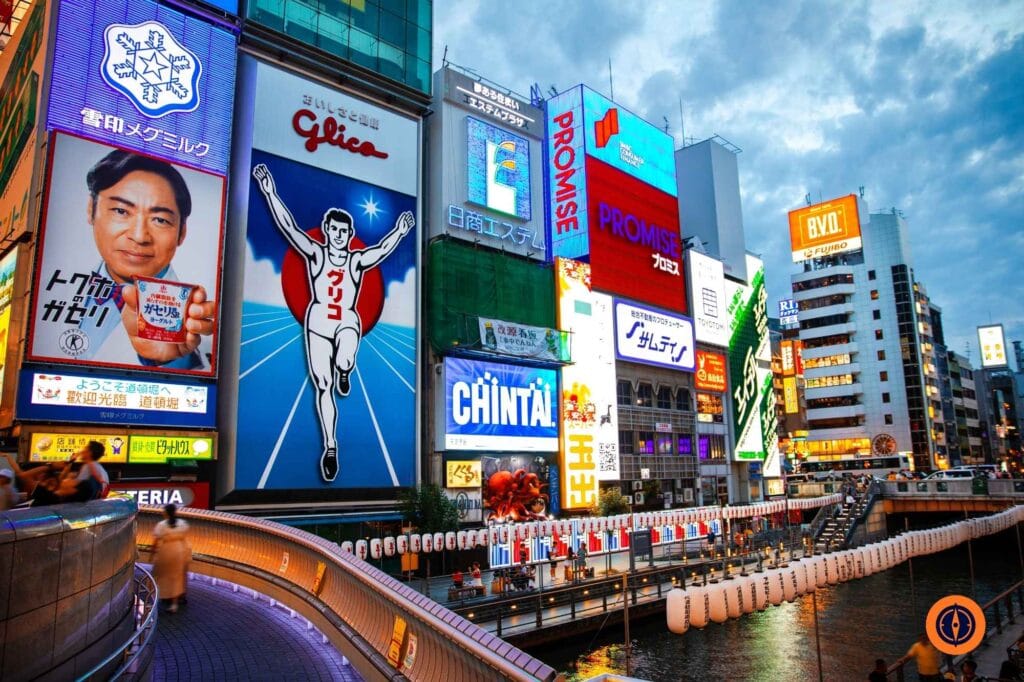
While down south, Minami (Namba / Shinsaibashi) is all about pure street energy, trend, tradition, and food. Its street energy is due to being home to a buzzing nightlife, crowded alleys, and the iconic sign of Glico running man. Besides, Minami is also the main area of famous street food like kushikatsu and takoyaki and kuidaore (eat until you drop). It is also filled with modish fashion boutiques in traditional shopping arcades and Amerikamura. Its traditional root can also be found in historic spots like traditional Kabuki theaters and Hozenji Yokocho alley.
Apart from that, Osaka is also crowned as one of the strongest food identities in Japan where noticeable local dishes like kushikatsu, okonomiyaki, and takoyaki can be easily spotted and its reputation as “Japan’s Kitchen” is not just brand promotion but it changes the way how visitors embrace the city. Meals are definitely one of the reasons to be there.
Who Osaka suits best
| Osaka is a strong fit for | Osaka is a weaker fit if |
|---|---|
| 1. First-time travellers who wish to have a city that feels more comfortable to enjoy alone. | 1. Your main purpose is to visit traditional atmosphere. |
| 2. Solo travelers who like to have evenings, casual meals and walking without feeling awkward. | 2. You’re more inclined towards slower and calmer urban environments. |
| 3. Friends and couples who aim for city atmosphere, shopping and food without over-planning. | 3. Your trip length is limited and Kyoto itinerary requires more time. |
| 4. Travellers who is looking for a practical Kansai base. | 4. You’re looking for daily sightseeings rather than neighbourhoods. |
| 5. Mixed-interest groups or families if Universal Studios Japan (USJ) is part of the trip. |
How many days do you need in Osaka?
In fact, 1-2 days is sufficient for most of the first-time visitors.
It normally breaks down as below:
| Osaka time | Best for | What it practically offers you |
|---|---|---|
| 1 day | Fast Osaka taste, Kyoto-based visits, short routes | Dotonbori/Namba, one core attraction, dinner, evening atmosphere |
| 2 days | Best option for majority by default | A fulfiling feel for Osaka like one or two primary areas without rushing, a better evening and smoother pacing |
| 3 days | USJ day trip, slower travel or Kansai base stays | Sufficient time for Osaka including main entertainment day or dedicated day trip |
Overall, 2 days is the sweet spot if Osaka is for you to have breathing room, nightlife, and food after Kyoto while 1 day is enough if Osaka is treated as a transport hub but it will feel more like a pragmatic stop than a city you truly experienced.
If USJ is the primary reason for visiting Osaka, then a small add-on will not be reasonable as the park offer many attractions that it can spend more than a day to experience all of them. It is highly recommended to plan in advance with its official app including the Express pass.
Best areas to stay in Osaka
Where you stay in Osaka changes how you feel in the city in terms of convenience, fun or efficiency. For first-time visitors, the decision should revolve around like “What task does Osaka need to offer in my route?” instead of “Which area is objectively the best?”.
| Area | Best for | Why it works | Watch-outs |
|---|---|---|---|
| Namba | Short stays, nightlife, food, and first-time atmosphere | Best overall choice if you need something that feel lively from the moment you step outside | Noisy and busy in some occasions |
| Umeda | Polished city base, broader Kansai movement, and day trips | A robust logistics if Osaka is also the regional transport hub | Less energetic than Namba |
| Shinsaibashi | Walkability, shopping and central balance | A good balance between Namba energy and Umeda practicality | The area can still be dense |
| Shin-Osaka | Early Shinkasen departures and transit-heavy stays | Beneficial only if train convenience is more important than neighbourhood feel | Less atmospheric for first Osaka stay |
| Tennoji | Straightforward route for airport/rail, southern Osaka access and cost-effective | Compared to Namba or Umeda, it is more grounded and affordable | Less “classic first-time Osaka” compared to Namba |
Namba
Undeniably, Namba is the best base for first-time visitors as it provides you a closer distance to casual food, shopping arcades, iconic neon-lit canals, and fast access to Dotonbori and the broader Minami side. It also offers fast airport access as the Nankai Rapi:t express train can allow you travel from Kansai Airport (KIX) to Namba Station in as little as 34 minutes. Moreover, it also connected to vast underground arcades like major transit lines and Namba Walk which enables you to navigate the rest of the city conveniently.
Umeda
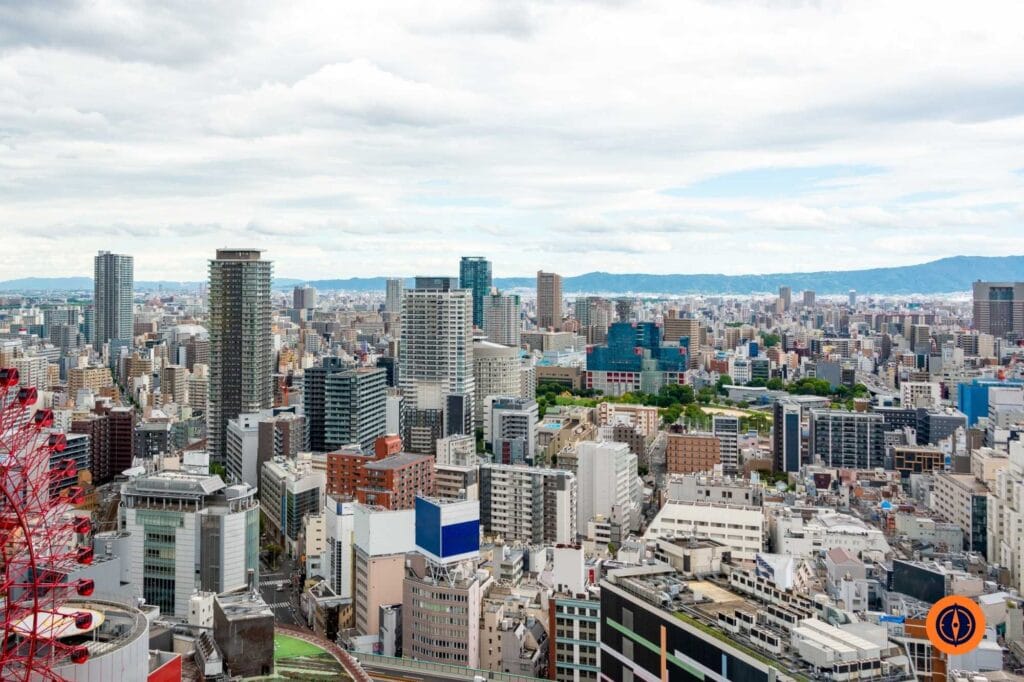
For Kansai regional trip, Umeda is the ultimate transportation hub where it offers immediate and quick access to Shin-Osaka, Himeji, Kobe or Kyoto alongside efficient business hotels and high-end department stores. It is highly strategic for particular transit routes:
- To Shin-Osaka (Shinkansen): 1 stop away via the Midosuji Subway Line or the JR Kyoto line;
- To Himeji: Roughly 60 minutes on the JR Special Rapid Service;
- To Kobe: Roughly 25 minutes on the Hankyu Kobe Line or JR Special Rapid Service;
- To Kyoto: Roughly 30 minutes via the Hankyu-Kyoto Main Line or the JR Kyoto Line.
Shinsaibashi
Shinsaibashi is also arguably one of the most strategic decision to stay in Osaka. As it is near to the central, you can pullout to slightly calmer streets than what you’ll experience in the sleepless and bustling hubs of Dotonbori and Namba.
While the famous Shinsaibashi-suji Arcade is a must visit which stretches for approximately 600 meters (nearly a mile) and the street directly links Shinsaibashi to the Dotonbori River. It is one of the oldest shopping streets where you will find vivid blend of everything from crafty local boutiques to high-end fashion and popular street food vendors who are selling takoyaki; walking naturally toward the south will eventually bring you to the iconic Glico Running Man sign and the Ebisubashi Bridge.
Shin-Osaka
Shin-Osaka is always overpicked by anxious first-time visitors. As the area tends to be transit-first and business hub, the night life is practically non-existent when compared to the neon-lit and energetic part of the city. Personally, I will only pick it if your itinerary has a tight schedule, hotel deals are unusually favorable, or you have an early Shinkansen departure.
Tennoji
Tennoji is also a highly functional, transit-rich hub in southern Osaka as it embodies traditional charm and modern convenience. It primarily features major train lines like JR West HARUKA Express where it links Kansai International Airport (KIX) directly to Tennoji with just approximately under 35 minutes and also offers direct routes to Kyoto, Shin-Osaka, and Osaka; Osaka Metro Midosuji Line is the primary subway artery where it is connecting Tennoji directly to central hubs like Umeda, Shinsaibashi, and Namba; JR Osaka Loop Line is the line where it wraps around central Osaka and make it easier to transfer to Shinkansen lines at Shin-Osaka.
Getting around Osaka without overcomplicating it
One reason that Osaka feels smoother than Kyoto is that many of the stations used by first-time visitors sit along the same urban backbone. Tennoji, Namba, Shinsaibashi, Umeda, and Osaka Metro are all on the Midosuji Line while Shinsaibashi, Namba and nearby transfer points link you to the broader regional and city rail network. Because of the close linkings, it becomes easier to understand instead of overthinking it as dozens of separate districts.
The simplest movement advice in Osaka is to select one smart base; group the day by district instead of attractions; avoid crossing the city repeatedly; make use of walking whenever Dotonbori, Shinsaibashi, and Namba naturally link and consider station exits seriously in major hub areas and Umeda.
For travellers who plan to move around frequently in one day, the Enjoy Eco Card can also be advantageous as it provides unlimited rides on Osaka City Bus and Osaka Metro for whole day and also encompass discounts at around 20 tourist facilities. However, if you’re only walking around Minami or having a few short rides, it may become unnecessary.
Best things to do in Osaka during your first trip
There is no need to have a massive checklist for Osaka but you need the correct combination:
Spend one complete evening in Dotonbori and the wider Minami side
Dotonbori acts as a mix of entertainment and neon, and it is widely considered one of the places that works better after dark. The crowd energy, the snack stops, the bridges, the signs, and the river are part of the delight. If prefer calmer environment, I will recommend to turn into Hozenji Yokocho for a quieter lantern-lit lane of traditional restaurants.
Eat Osaka food in a way that matches the city
Avoid trying to transform every meal into a popular booking mission in Osaka. The city is at its best when you allow one or two random meals become part of the day like izakaya food, ramen, kushikatsu, okonomiyaki, takoyaki, or a food hall stop. The first-time visitors can quickly notice on the ground where the city’s famous dishes are sociable, casual, and deeply connected to its character.
Use Kuromon Market as a grazing stop, not a half-day anchor
Think of Kuromon Ichiba Market in Osaka as a fast, tasty pit stop rather than a half-day destination. To beat the crowded lunch time, try to drop a visit between 8:30 AM and 9:30 AM. The must-tries include fresh strawberry mochi, giant grilled scallops, melt-in-your-mouth Wagyu beef skewers, and fresh uni (sea urchin). As this is a quick stop about 30-45 minutes, you can pair it with nearby attractions like Namba Parks or Dotonbori where it is just a short 10-15 minute walk.
Choose one major sight, not five
Choose one anchor if you want a more “sightseeing” Osaka day so the rest of your day can stay loose and urban.
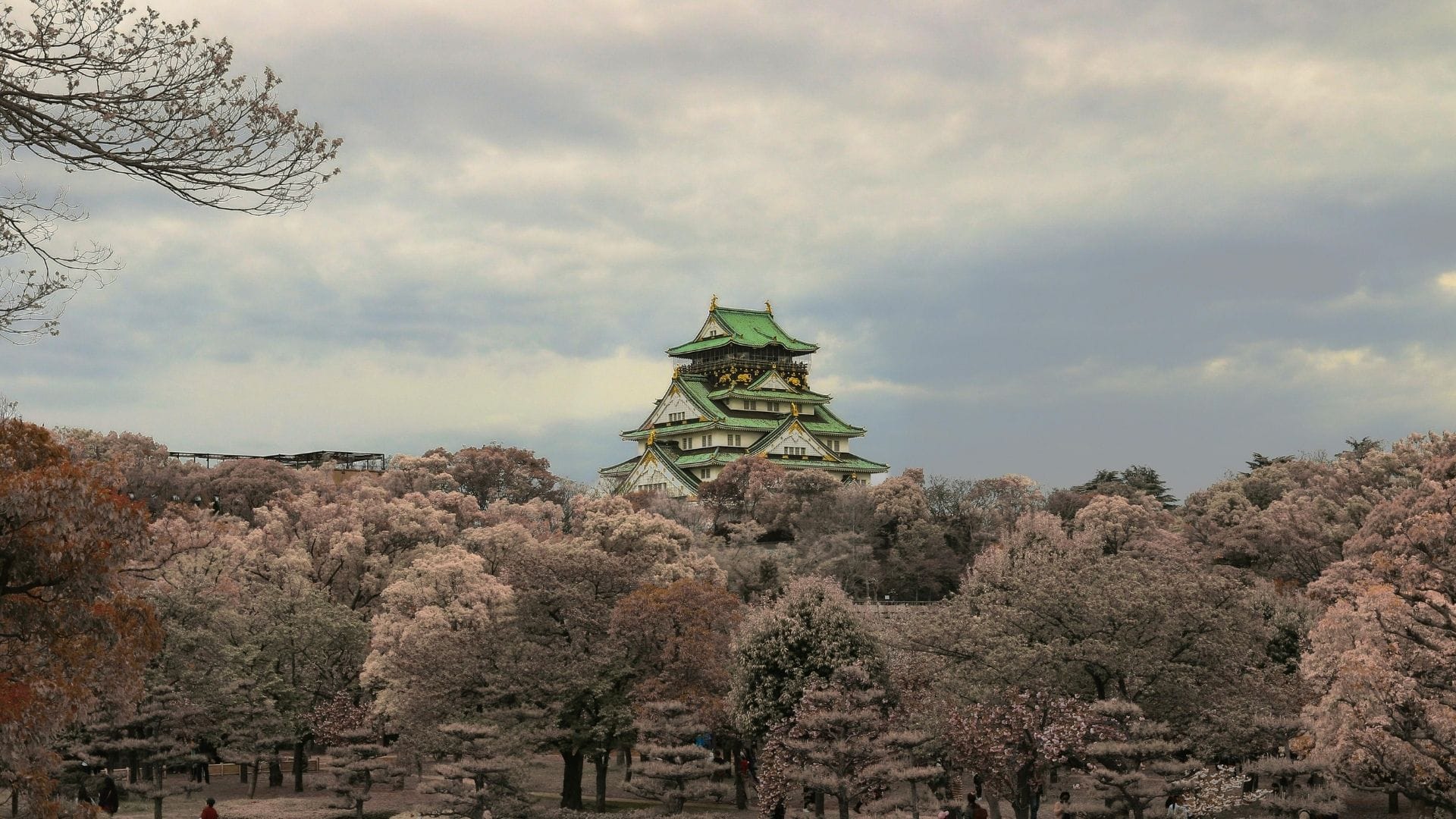
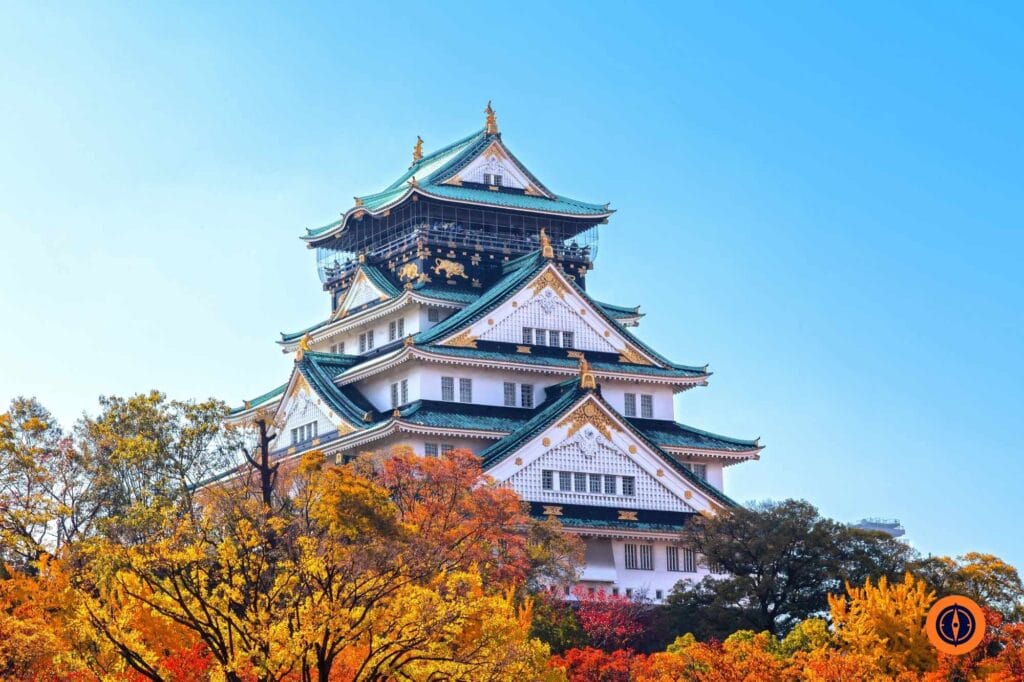
Good anchors include Horie/Amerikamura if street culture and shopping suit you better; Tsutenkaku/Shinsekai if you prefer retro-city atmosphere; Umeda Sky Building or another viewpoint if you enjoy a moment with skyline; or Osaka Castle park if you prefer open space and history. A lot of first-time visitors always overestimate the need to push all the major landmarks to complete into one day.
Treat USJ as a separate decision
USJ is a whole-day trip where it requires at least 12-14 hours from early entry to the evening shows, normally it consumes a full day and need to plan in advance to avoid long queues. It is recommended to plan for 1-2 days at the park, Day Studio Pass is a famous choice if you plan to do everything without excessive exhaustion and can purchase it via Trip.com or Klook in advance. Try to arrive 60-90 minutes earlier before the opening time 9:00 AM.
Is Osaka Safe for Travelers?
Yes, Osaka is considered as a safe city to explore and Japan has also been listed by the U.S. State Department at Level 1 which travellers can exercise normal precautions. Nevertheless, this does not signify that we can completely ignore the basic safety precautions, but the country still reflect the safest environment in overall. Osaka specifically offers famous districts like Umeda, Shinsaibashi, and Namba which are heavily visited, busy, and well-linked that helps the city feel convenient to navigate. Public transports also widely used and visitors tend to feel comfortable in exploring during the day and night.
You should still exercise normal precautions in Japan like stay aware of areas that crowded with nightlife, avoid following street promoters into unknown clubs or bars, make use of standard public transports or taxis during evening, secure your belongings in entertainment districts and crowded stations, and also avoid being overconfident in making late-night decision just because the city feels smoother. Besides, stay alert with the signs of natural disasters such as typhoons and earthquakes.
Is Osaka Expensive?
Osaka is slightly more flexible, affordable and manageable compared to Tokyo especially the casual food and accommodation. But it does not mean every Osaka area offers good value all year. For example, the cost can still fly high in Umeda and Namba during the peak seasons.
The bigger mistake is aiming for cheaper room instead of considering the most suitable route. As cheaper hotel in wrong area can make you feel harder to navigate than a hotel that is slightly pricey but located in the correct area. However, if you’re in budget travel, you can still find simpler business hotels, capsule hotels, and hostel; if you’re in mid-range budget, you can often find private rooms with good-value near major stations. While food spending is generally manageable as Osaka provides variety of local and casual choices
Common Mistakes Visitors Make in Osaka
| Common Mistakes | Reasons |
|---|---|
| Treating Osaka Like Just a Stopover | Some visitors always rushing through Osaka without having sufficient time to truly experience what Osaka offers. The city may not need many days like Tokyo or Kyoto but still worth the day trip due to its incredible nightlife and dining scene during the evening time. |
| Staying in the Wrong Area like Shin-Osaka | Namba is better choice if you aim for food and atmosphere; Umeda is better base if you look for easier logistics; Osaka is much easier when you pick a hotel location based on the trip you intend to accomplish. |
| Overplanning the City | The city exploration works better when you just leave room for casual walk instead of trying to structure it like a city with heavy-sightseeings. |
| Buying every transport pass too early | Purchase them only after the day plan is clear and avoid buying the pass first then reshape the whole day just because of it. |
| Comparing Osaka Too Much to Tokyo | Osaka does not need to “defeat” Tokyo to be significant for visiting. If Tokyo is about variety and scale, Osaka is always about having fun, food, and ease with lesser efforts. |
Final Verdict: Is Osaka Worth Visiting?
Yes. Osaka is definitely worth visiting during your first trip to Japan. It may not be the city with the most iconic attractions but it is one of the simplest places in Japan to experience independently. It offers looser pace, lively energy, delicious street food that balances perfectly with Tokyo and Kyoto. If your route can support it, you should keep Osaka into the bucket list or if you want a route that already 100% mapped out, you can find out more about our Japan route blueprint.
Frequent Asked Questions (FAQs) About Visiting Osaka
Is Osaka worth visiting on a first trip to Japan?
Yes, Osaka is one of the most enjoyable and simplest cities to be included in your first Japan trip especially if you care about nightlife, food variety, and a more relaxed urban environment compared to Tokyo.
How many days should I spend in Osaka?
1-2 days is sufficient for first-time visitors but if you want to use Osaka as a Kansai base or USJ as part of the plan, 3 days will be more reasonable.
What is the best area to stay in Osaka for first-time visitors?
Namba normally is the best option if would like to have easier access to food, atmosphere and nightlife while Umeda is better if your route relies on day trips and regional rail connections.
Should I visit Osaka as a day trip from Kyoto or stay overnight?
A day trip is sufficient to wander around the city but an overnight stay is better if you want Osaka to feel like more than a checklist destination.
Is Osaka better than Kyoto for first-time visitors?
Both are good for different reasons as Kyoto is stronger for early-morning cultural sightseeings, traditional streets, and temples while Osaka is stronger fit for low pressure experience, vibrant nightlife and delicious street food.
Disclosure: This post may contain affiliate links.


Compare prices across top platforms in seconds.