When to Book Hotels in Japan
A Practical First-Timer’s Timeline
Introduction
Having a complete understanding of your Japan hotel booking timeline is the secret to safeguarding both your daily itinerary and travel budget. Many first-time visitors concentrate wholly on searching for cheap room rates, but overlook the fact that if a hotel is poorly located, it can cause a domino effect of frustrating luggage arrangements, daily movements, and transit headaches. To build a stress-free vacation, booking the right accommodation at the right time is just as critical as mapping out your route.
It depends entirely on your location, accommodation type, and travel season to know exactly when to book hotels in Japan. For a standard Japan trip, it is recommended to check accommodation about six months in advance of departure for securing the popular hotel areas. For peak seasons such as traditional ryokan stays, Golden Week, autumn foliage, and cherry blossom season, it is best to extend your planning timeline to 6-9 months in advance.
It is just a strategic planning windows as some hotels do not release rooms nine months ahead as particular weekends can still see price spikes due to domestic holidays or local festivals, the wisest move is to determine the hard-to-replace stay, reserve a suitable refundable choice, and then refine your itinerary after the route is stable.
Quick Answer: How Far Ahead Should You Book Japan Hotels?
| Travel situation | Recommended planning window | Main reason |
|---|---|---|
| Standard Tokyo, Kyoto or Osaka stay | 3-5 months | Great balance of hotel choices and travel plans. |
| Cherry blossom season | 6-9 months | Spring months are high in demand and very popular. |
| Kyoto autumn foliage weekends | 6-9 months | Visitors want to see the beautiful leaves during this exact period. |
| New Year or Golden Week | 6-9 months | Local families travel frequently during these weeks. |
| Onsen (Hot Spring) or Ryokan (Inn) stay | 6-9 months | Fewer rooms and prepare big meals just for guests. |
| Family, triple or connecting room | 6-9 months | Limited quantity compared to normal ones. |
| Small Towns and Countryside | 4-8 months | Fewer places to choose in these quite areas. |
| Flexible solo traveler in a quieter month | 2-4 months | Greater flexibility in terms of room options and time. |
| Big events or Festivals | As soon as the date is confirmed | Everyone wants to book a room for that big night. |
The correct question is not only “How early should I reserve?” but also about “Which night would be the most difficult to replace?”. That question creates a firmer booking order than directly reserving Tokyo, Kyoto and Osaka in sequence.
Why Booking Windows Are Not Guarantees
There is no single month when every Japan hotel becomes more costly or cheaper all of sudden. Prices and availability depend on the events, cancellation conditions, booking platform, day of the week, room type, and property taking place nearby.
A blank calendar nine months ahead does not signify the hotel is fully sold out but it may not yet completely released. Some hotels unfold dates gradually, while others allow rooms available much earlier via their selected booking partners or own website.
In turn, it also does not mean you can safely wait as a hotel may still have rooms while the convenient station-side choices, family rooms, and best-value categories have already been reserved. The timeline in this guide should there be referenced as a decision and monitoring framework. It helps you to know when the risk of waiting and when to start comparing may become better than the possible saving.
6 Strategic Factors Shaping Your Booking Timeline
1. Season and domestic holidays
Autumn foliage and cherry blossom season produce strong international demand, while long domestic weekends, New Year, and Golden Week increase travel within Japan. A quieter month can still have expensive days because of a festival, sports event, or concert. This is why the travel month alone is insufficient and you have to always verify the city calendar and exact dates before treating a trip as off-season.
2. Destination size
Tokyo has a gigantic accommodation market spread across different districts, whereas Kyoto has far fewer convenient bases for first-time visitors. Meanwhile, isolated onsen towns, remote islands, and rural areas may only provide a limited number of rooms. Hence, the smaller and more specialized of the area, the earlier you must secure your room.
3. Room type
Businesshotel singles and standard double rooms are generally more common than apartment-style, connecting, quadruple, or triple rooms. Families and travel groups should book earlier because losing the preferred room type can split into multiple standard rooms, raising costs and stay farther from the planned route. Solo travellers may have more flexibility in business hotels, but this benefit becomes weaker during festival periods and peak weekends.
4. Accommodation type
A Western-style business hotel manages hundreds of similar rooms with automated check-ins. A traditional ryokan operates in a limited quantity with fewer rooms, meal capacity, and constant multi-course kaiseki dinner seatings. For a meal-inclusive night or special ryokan, administer the property’s own booking calendar rather than depending only on a general hotel platform.
5. Location requirements
A traveller who is willing to stay anywhere in Tokyo provides more flexibility than someone who needs a short walk from a particular station, a family room, and direct Haneda access. The pickier you need to be about amenities and location, the earlier you should start to reserve.
6. Cancellation flexibility
A refundable booking offers time to enhance the routes or adjust the seasonal shifts without losing a confirmed base while non-refundable rates provide upfront savings but it restrict you into a rigid plan. When planning a complex itinerary, measure the cost of being wrong before seeking the cheapest non-refundable rate.
When to Book for Cherry Blossom Season
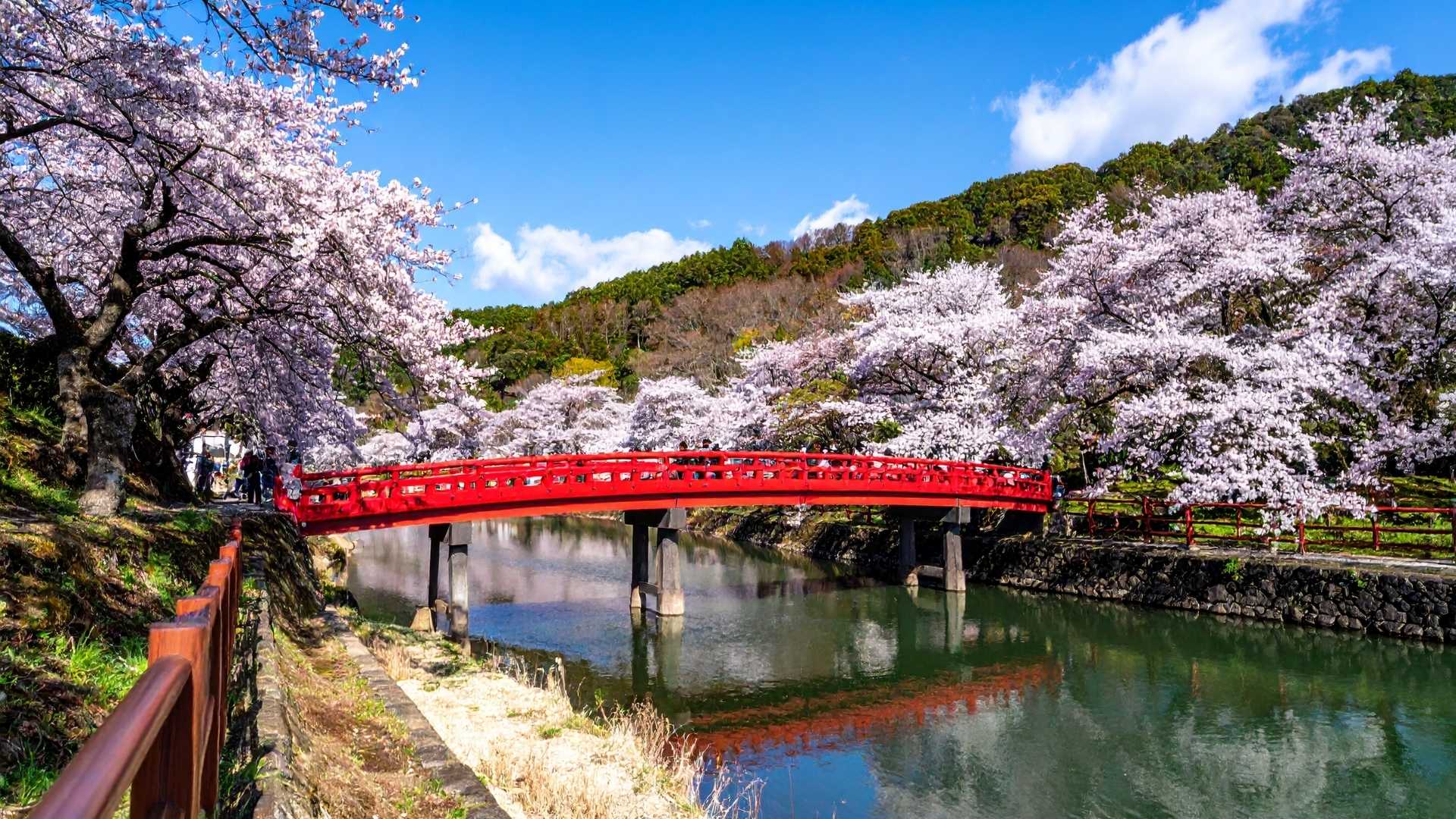
If your trip is about spring cherry blossoms (sakura) in Tokyo, Kyoto, or Osaka, begin your accommodation search at least 6-9 months in advance. The exact blooming dates change every single year based on late-winter temperature, hence avoid locking yourself into non-refundable bookings according to unverified and early weather forecasts.
Kyoto requires the special attention as the Kyoto City Tourism Association (KCTA) suggests booking accommodation well in advance during cherry blossom season and also reminded that reasonably and mid-range priced rooms sell out rapidly due to local cultural events and overlapping spring festivals.
The proof was found in Kyoto’s May 2026 tourism report which recorded almost 87% occupancy among participating ryokan and hotels, with an approximate daily rate of ¥24,231. The data proves 2 critical points where high travel demand blankets the entire spring season, not just the 7-10 days blossom peak, and last minute booking leaves you with the only booking options of poorly located areas or luxury suites.
To get the best value without losing your peace of mind, consider to secure your hard-to-replace nights first such as the specialized family rooms, traditional ryokans, weekend stays, and kyoto dates before looking at standard business hotels in Tokyo. Furthermore, paying a slightly higher rate for free cancellation rate is also worth it as you can change your dates without losing money, and avoid changing the whole itinerary for weather forecasts, as it creates more expense and transport friction than value.
When to Book for Autumn Foliage
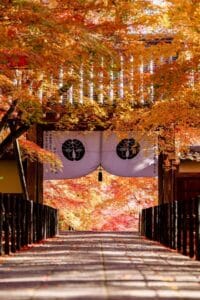
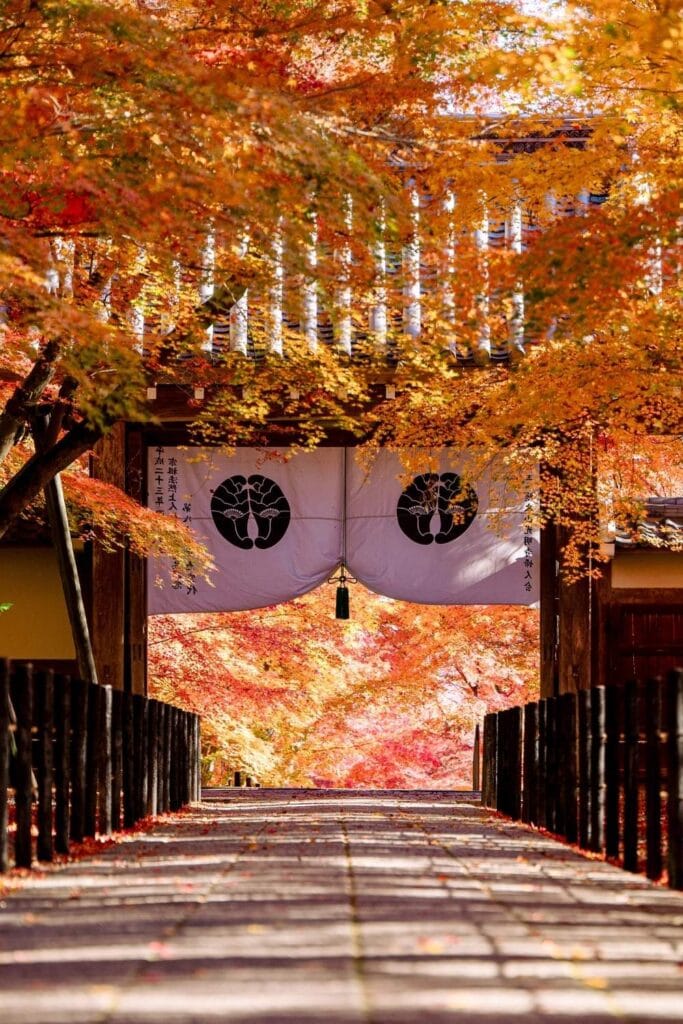
Kyoto’s famous autumn leaves always draw international crowds and should be treated with similar care to cherry blossom season. Start monitoring 6-9 months ahead and the primary focus should be during late November to Early December.
The demand is concentrated specifically around premium foliage viewings, evening temple illuminations, and weekends. While a Tuesday stay might indicate standard availability, but Saturdays tend to have spike in price or sell out completely. Schedule your Kyoto temple tours for mid-week dates to capture better hotel prices.
Kyoto and Osaka are geographically close but do not treat both as identical and interchangeable bases. Osaka may offer better hotel rates but commuting from Osaka into Kyoto every morning consumes the morning travel hours, directly conflicting with the early entry plans of temple for beating the crowds and add repeated transport.
If you are considering the tradeoff, you can refer to full guide on whether Osaka should be your base or a day trip from Kyoto before switching the accommodation plan.
When to Book for Golden Week
Golden Week is a cluster of national holidays rather than one event including Children’s Day, Greenery Day, Constitution Memorial Day, and Shōwa Day that produces an explosive wave of domestic vacation travel across Japan. In 2026, the official calendar falls on April 29 and May 3–6. For future dates, it is best to verify via their official website.
During this period, the demand for transport and domestic hotels can increase across family destinations, onsen towns, resorts, and major cities. Hence, it is recommended to search for your accommodation 6-9 months ahead when the dates are fixed. Besides, it is also important to finalize your city order and lower mid-holiday transfers before locking your rooms as transport networks and high-speed Shinkansen trains operate at limited capacity.
When to Book for New Year
Late December and early January require more preparation than a normal winter visit. Accommodation demand can rise while small businesses, attractions and restaurants may change their operating schedules from December 29 through January 3. Start 5-8 months ahead for major cities and earlier for limited ryokan or onsen stays. In addition, during this period, you may struggle to find open dining options nearby if book a room-only rate, so always check meal availability and choose for plans that included breakfast and dinner.
Tokyo offers a market with larger accommodation options, while Kyoto concentrates heavily on shrine pilgrimages (hatsumode) which causing accommodations near primary temples and shrines fill up quickly while local business districts go quiet.
When to Book for Summer and Festival Periods
Summer booking pressure varies depending on major festivals like regional Tohoku festivals, Osaka fireworks nights, Obon, school holidays, and Kyoto’s Gion Matsuri (spanning July) which create different conditions. City marathons and university entrance examination weeks can also catch international tourists off guard. Hence, before assuming a summer date is easy, always cross-reference your dates with official event calendar to protect your budget.
What Should You Book First?
Book the stays that are the hardest to replace first, rather than automatically booking the first city on your itinerary. For a standard Tokyo, Kyoto and Osaka route, Kyoto is the most challenging booking due to its convenient areas tend to be tighten during peak periods. On a longer trip, the priority may instead be a small regional destination, family room, Miyajima overnight, onsen town, or a ryokan. A useful booking order is:
| Priority | Accommodation | Why |
|---|---|---|
| 1 | Fixed small destination, family room, event night, or ryokan. | Lowest flexibility for replacement. These properties have fixed dining capacities and fewer rooms. |
| 2 | Peak-season Kyoto or another high-demand base | Location pressure and strong date. Demands spike heavily around particular transit hubs. |
| 3 | Arrival and departure hotels | Protects airport logistics. Directly affects your first and last 24 hours in Japan. |
| 4 | Main Tokyo and Osaka stays | Broader options across districts. |
| 5 | Flexible intermediate nights | Easier to refine after the main route stabilizes. |
If you have not yet made a final decision for the trip direction, decide whether Tokyo or Kyoto should come first before proceed to complete multiple non-refundable bookings.
When to Book Kyoto Hotels
In Kyoto, for standard dates, you can aim to secure the room around 4-6 months ahead. While for Gion Matsuri, Golden Week, and Sakura season, it is best to book 6-9 months ahead. The neighbourhood selection dictates your entire transit experience every day.
Kyoto Station is best for seamless luggage forwarding and Shinkansen transfers, Centra Kyoto (Oike/Karasuma) provides a strategic geographic balance for subway routes and cross-town bus. Higashiyama/Gion prioritizes evening access and traditional atmosphere. Therefore, pick your district based on your daily sightseeing priorities before comparing individual room prices.
If still deciding the Kyoto stays, you can refer to this complete guide, while if the decision is particularly in Central Kyoto, Gion, and Kyoto Station, the detailed Kyoto area comparison demonstrate the tradeoffs.
When to Book Tokyo Hotels
Tokyo provides many property types and hotel districts but geography still dictates your trip rhythm. For ordinary dates, 3-5 months is a useful planning window. Start earlier for limited family rooms, major events, New Year, and cherry blossom weekends.
Staying Asakusa offers excellent access to Narita Airport but needs longer metro transfer to western districts. Staying in Shibuya or Shinjuku improves day trips and nightlife to Hakone while Tokyo Station or Ueno streamlines Shinkansen departures northward.
If still working out on where to stay in Tokyo, you can refer to this full guide and then compare hotels inside the area that supports your daily route and arrival airport.
When to Book Osaka Hotels
For ordinary dates, start comparing Osaka approximately 3-5 months ahead while for larger room types, holiday weekends, and major events, it is best to plan earlier like about 4-6 months in advance.
Namba supports Nankai access to Kansai Airport, evenings, and food; Umeda supports Himeji, Kobe, and Kyoto movement; Tennoji is a budget-friendly and excellent alternative with direct JR connections to both Nara and KIX.
If you are planning to pick the best Osaka stays for your route, you can visit this guide to compare those bases in depth.
Ryokan, Onsen Towns and Regional Stays
Regional stays always deserve higher booking priority than Osaka or Tokyo. A small onsen town may have fixed dinner capacity, limited private bathrooms, and English-bookable properties. If a rural ryokan indicates no availability in a blank calendar, it does not always meant the rooms have sold out as many traditional properties only open their reservation exactly 3-5 months in advance. Check their official Japanese site to examine their release schedule of booking.
Ryokan pricing is generally calculated per night, per person, rather than flat room rates. Verify whether your reservation is half-board includes breakfast and multi-course kaiseki dinner and also take note of the final check-in time for dinner, as arriving past 6:00 PM frequently results in a forfeited dinner without any refund due to accurate preparation schedules in the kitchen.
What If the Hotel Appears Sold Out?
You can apply this five-step diagnostic framework used by experienced travel planners to check hidden room availability:
Step 1. Check whether the booking window has opened – A blank booking calendar 6–9 months ahead does not mean the hotel is fully sold out. Many independent inns and hotel chains release their room availability in strict, automated batches. Try looking at earlier months on the hotel’s official calendar to determine their release pattern.
Step 2. Confirm the number of guests – Japanese hotel bookings are sensitive to guest counts because taxes and room rates are generally calculated per person rather than per room. For example, a. search for 3-4 adults may show no availability although there are several double rooms remain. Consider for 2 adjacent double rooms or apartment-style hotel for groups instead of looking for a non-existent family room.
Step 3. Cross-check the official hotel website with one or two established booking platforms – The hotel might distribute or allocate certain types of rooms in different booking platforms. You can try to search local Japanese booking portals like Rakuten Travel or Jalan, which frequently contain the room types that unable to be found on international platforms.
Step 4. Test the dates separately – A restricted Saturday, one unavailable night or a minimum stay may lead to the entire search to return with no results. Consider to break down your search and test each night individually. If discover that only Saturday blocking the availaibility, you can lock in the open weekdays and move to a traditional ryokan or an alternative neighborhood for that single weekend night.
Step 5. Contact the hotel if it is critical enough to shape the route – Waiting lists are sometimes managed manually behind the scene, cancellations happen in real-time or system malfunction, hence reach out to the hotel directly via their official email contact form and clearly state if you are willing to be placed in priority waitlist.
Conclusion
For a standard first Japan trip, start monitoring hotels about 6 months in advance and aim to lock the primary city stays 3-5 months before departure. Move earlier for fixed event nights, festivals, onsen towns, ryokan, family rooms, and peak Kyoto dates.
Book the least replaceable stay first with refundable options available while the route is still in planning progress, finalise the exact station before paying and compare the conditions rather than headline prices.
Frequently Asked Questions (FAQs): When to Book Japan Hotels
How far in advance should I book hotels in Japan?
For majority of your trips, book Japan hotels at least 3-6 months in advance. For Kyoto stays, New Year, Golden Week, autumn foliage, and cherry blossom season, book 6-9 months ahead if your dates are fixed.
Is 3 months ahead enough for Japan hotels?
3 months ahead is sufficient for normal seasons, especially in Osaka and Tokyo. It may be too late for hotels with the best value in Kyoto during busy weekends, Golden Week, autumn foliage season, or cherry blossom season.
Should I book my Japan hotels before planning my itinerary?
No. You should always conclude your main route and city order before booking the accommodations. Besides, locking in non-refundable rooms early can also lead to expensive transit friction if you change your itinerary all of sudden. The only exception is peak season, where you should monitor the hotel availability before buying the flight ticket.
When should I book accommodations for Cherry Blossom season?
Start monitoring and reserving the rooms 6-9 months ahead before departure. Spring demand is exceptionally high across Osaka, Kyoto, and Tokyo. The dates of sakura blooming change annually due to late-winter temperatures, so prioritize your refundable rates and you can change your dates without incurring additional costs.
Does Japan hotel pricing skyrocket during the spring?
Yes, room rates increase significantly due to demand from both domestic and international visitors especially in Kyoto where the hotel occupancy can hover around 87% throughout the spring season which pushing the daily room rates higher compared to normal season. Always book Kyoto first as the city has limited availability of hotels compared to Tokyo or Osaka.
Is it better to stay in Osaka or Kyoto to save money?
While Osaka hotels provide larger rooms and lower base rates, commuting from Osaka to Kyoto every morning waste valuable travel hours and repetitive transit costs. If your main goal is early morning temple visits to beat the crowds, you can consider to stay in Kyoto centrally. If you prioritize food, nightlife, and regional day trips to Himeji or Kobe, Osaka is the better choice.
What should I do if a traditional Ryokan shows no availability 6+ months out?
Many traditional hot spring (onsen) and independent ryokans do not release their booking calendars until exactly 3-5 months before the date. You can check the property’s official website to find out their general release schedule.
Is it cheaper to book last-minute hotels in Japan?
It is highly risky due to late bookers normally face highly inflated luxury rates, inconvenient transit links, isolated suburban locations, or limited choices.
Disclosure: This post may contain affiliate links.



Compare prices across top platforms in seconds.