Where to Stay in Osaka for First-Time Visitors
Best Areas Compared
Introduction
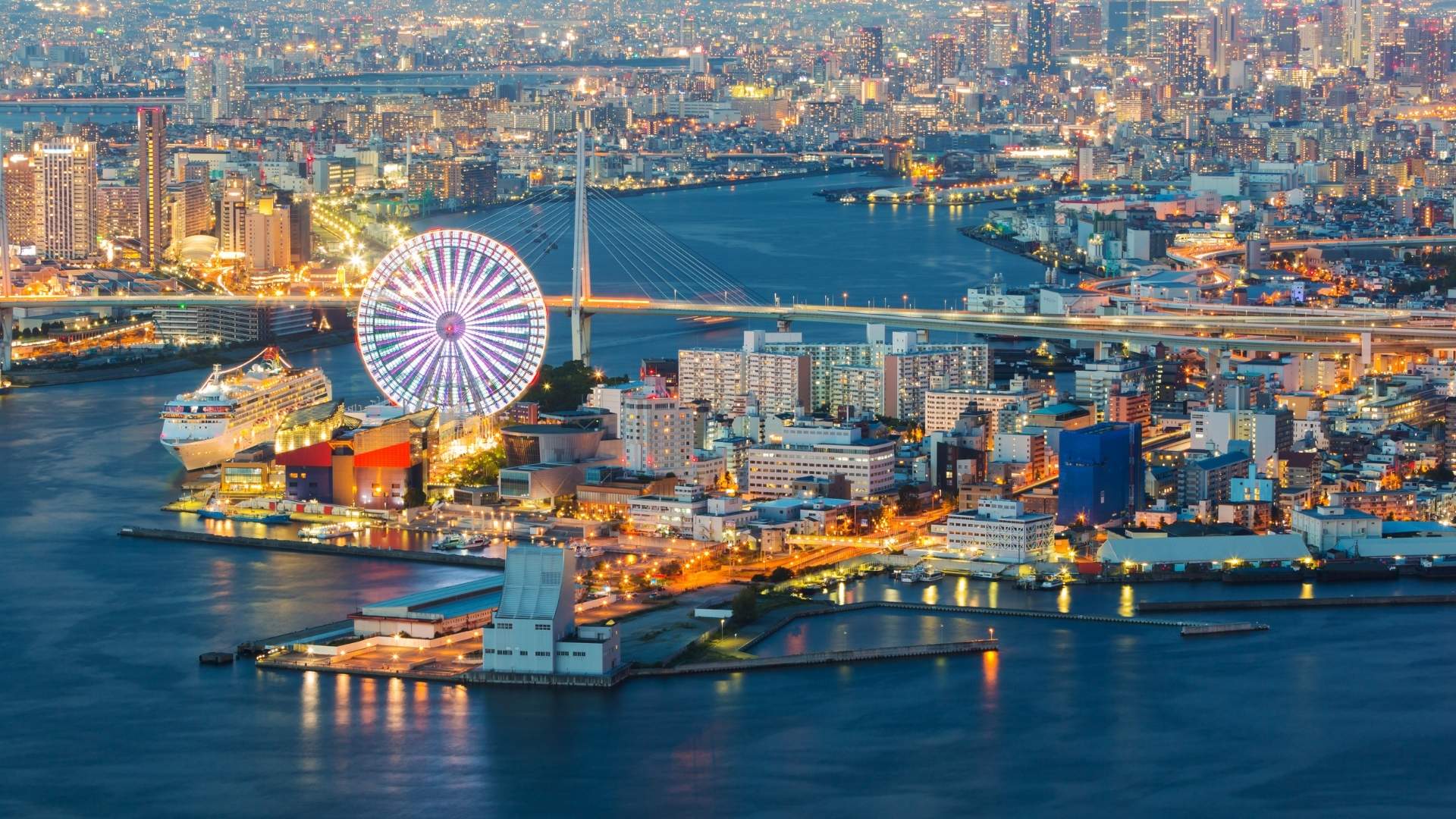
Choosing where to stay in Osaka is not just about the most popular neighbourhoods but also the right area to pick for the wider route. The right base improves the overall experience and daily travel flow, matching particular needs like theme parks, transit lines, or food access.
Namba is the best default option for first-time visitors who are keen for quick access to energetic evenings, nightlife, and Dotonbori street food; Umeda is the preferred transit hub for regional day trips via train to Himeji, Kobe, or Kyoto; Shinsaibashi is highly walkable and convenient shopping district situated right next to Namba; Tennoji offers budget-friendly hotel value with direct lines to Nara and Kansai International Airport (KIX); Shin-Osaka is the best logistical option for bullet train (Shinkansen); Honmachi is best for quiet and away from the heavy tourist noise; Universal city is for travellers who are concentrating wholly on Universal Studios Japan (USJ).
Quick Answer: What Is the Best Area to Stay in Osaka?
| Area | Best for | Main advantage | Main tradeoff |
|---|---|---|---|
| Namba | KIX, nightlife, and food | Nankai airport access and easy evenings | Potentially noisy and busy. |
| Umeda | Shopping, Himeji, Kobe, and Kyoto | Strong regional rail connections | Confusing and large station complex. |
| Shinsaibashi | Walkability and shopping | Close to Namba with more shopping options | No direct hub built for long-distance rail. |
| Tennoji | Southern Osaka, Nara, and KIX | Multiple lines and direct airport services | Farther from northern trips and Umeda. |
| Shin-Osaka | Transit and Shinkansen stays | Haruka and direct bullet-train access | Weaker evening atmosphere. |
| Honmachi | Quiet central positioning | Between Namba and Umeda | Less atmospheric compared to others. |
| Universal City | Universal Studios Japan (USJ) | Smooth early access into the park | Farther away from the main Osaka base. |
If you are still deciding between the 3 most famous central choices, you can refer to Namba vs Umeda vs Shinsaibashi comparison where the broader guide concentrates on how all the main Osaka bases influence the complete route.
Why the Exact Station Matters
When booking a hotel in Osaka, seeing the name “Umeda” or “Namba” on a listing is insufficient. In Japan, major transit hubs are divided into multiple separate stations operated by different rail companies. Selecting the wrong one can mean dragging heavy luggage through long underground corridors or massive crowds.
“Namba” can refer to five distinct, interconnected stations and operated by different companies. Nankai Namba Station is the best hub for airport transit, while Osaka-Namba Station serves as the gateway for regional lines like the Kintetsu Line. Osaka Metro Namba Station handles local subway transit, JR Namba Station offers a quieter, less central option to the west, and Nipponbashi Station sits on the eastern edge near local markets.
While the northern hub of Umeda is also equally complicated as Hanshin Osaka-Umeda, Hankyu Osaka-Umeda, JR Osaka Station, and three separate subway stations (Nishi-Umeda, Higashi-Umeda, and Umeda) form a massive, sprawling labyrinth. Hence, a hotel advertised being “in Umeda” might still require a considerable underground walk about 15-20 minutes.
Before making a reservation, trace your exact route from the platform to the hotel entrance like check the station exit, luggage route, elevator availability and whether the advertised walking time start from the train platform or the nearest entrance you will actually use.
In addition, the Midosuji Line (Red Line) is the city’s main transport line as it directly links Tennoji, Namba, Shinsaibashi, Honmachi, Umeda, and Shin-Osaka. Staying near the station makes the city travel incredibly smooth, though you will still need to check the separate lines for airport transit and regional day trips.
Namba: Best for Food, Evenings and Kansai Airport
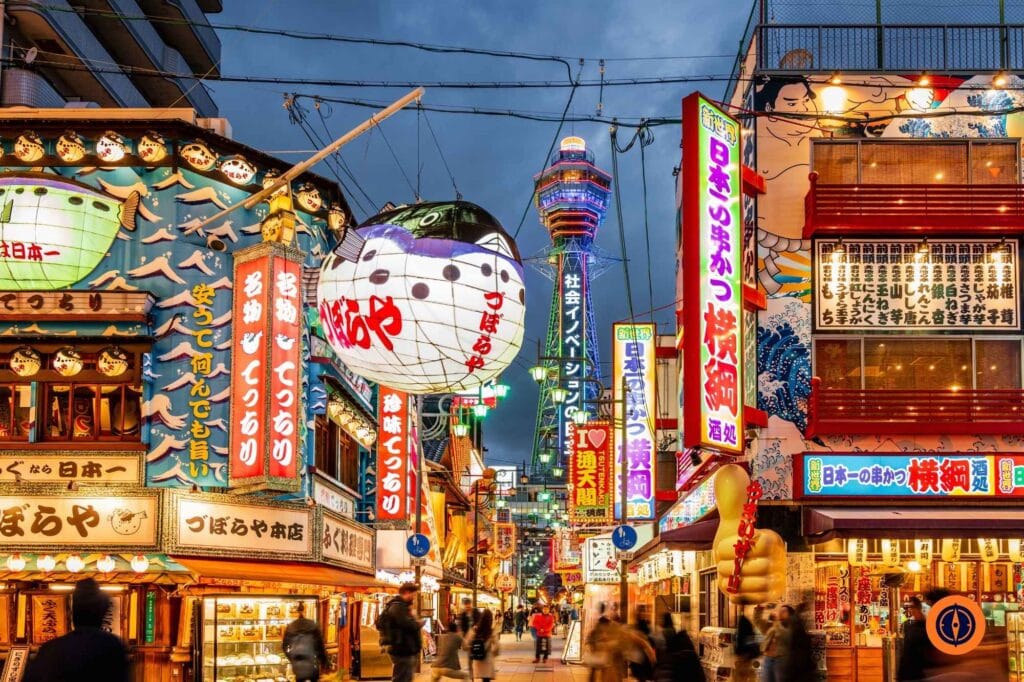
If your main objective in Osaka is to experience the vibrant nightlife and legendary food scene, Namba is the best choice for first-time visitors. Popular street-food hubs like Dotonbori, late-night Izakayas, endless shopping arcades, and the historic lantern-lit alleys of Hozenji Yokocho are all packed into this walkable district in south-central Osaka.
The biggest advantage of staying here is that you don’t need to navigate a second train line just to find dinner. With hundreds of top-tier restaurants right outside your hotel, you will save a lot of time – especially valuable if your itinerary is short and evening hours represent a huge part of your Osaka experience.
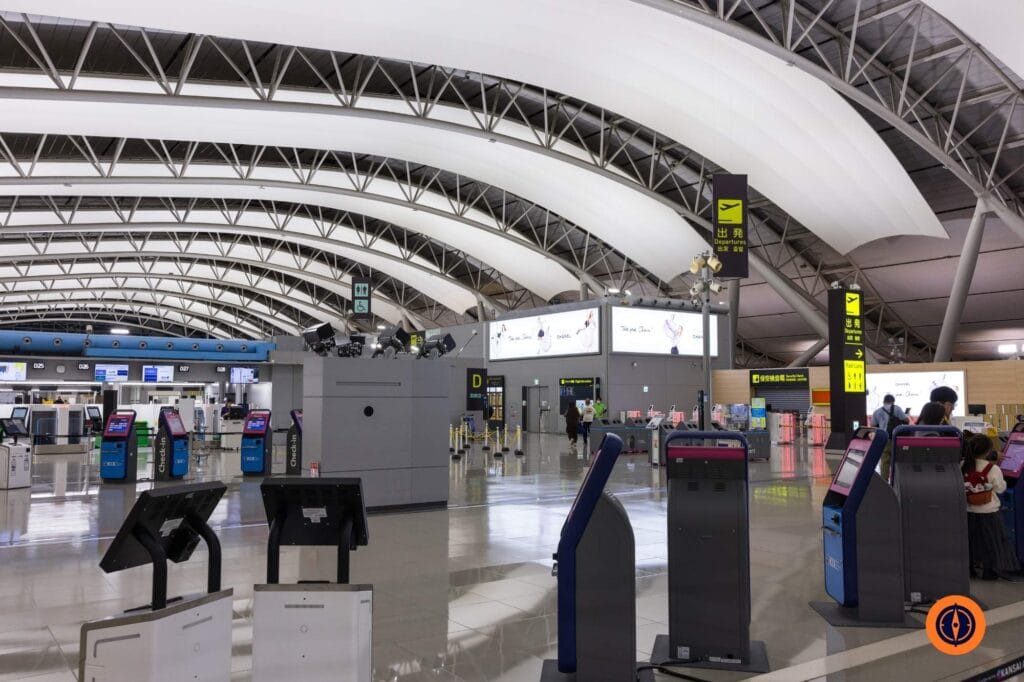
Besides, Namba also provides the most straightforward rail connection to KIX via the Nankai Railway. According to current airport rail schedules, travel times on these express trains are highly efficient:
- Nankai Rapi:t Alpha: Approximately 34 minutes station-to-station.
- Nankai Rapi:t Beta: Approximately 39 minutes station-to-station.
- Airport Express: Approximately 43 minutes station-to-station.
Note: Additional buffer time to walk from your hotel room to the station is excluded.
Which Part of Namba Should You Choose?
Fortunately, there is no need to sleep directly under the neon lights of Dotonbori just to enjoy them. If you are a light sleeper, look for a quieter, highly walkable street just a few blocks away from the main entertainment strips.
- Near Nankai Namba Station: It is ideal for direct airport access and sits just south of the main crowds which providing a slightly calmer environment.
- Near Osaka-Namba Station: Perfect if you plan to use other private rail networks or take the Kintetsu Line to Nara.
- Near Nipponbashi Station: It is great for exploring the easter side of Dotonbori and Kuromon Ichiba Market.
- Near JR Namba Station: A quieter western position that provides a peaceful escape, though it needs a longer walk to the main nightlife areas.
Who Should Avoid Staying in Namba?
- Regional Explorers & JR Pass Holders: If your itinerary involves taking daily JR trains to Himeji, Kobe, or Kyoto, staying in Namba will add an additional subway ride. Umeda is the better option as it offers a much cleaner and direct route for these day trips.
- Crowd-Averse Travelers: The evening streets in Namba can feel loud, densely packed, and overwhelming. If you prefer more relaxed and calmer environment after dark, consider for other neighbouring districts.
Umeda: Best for Regional Rail and Polished Convenience
Umeda surrounds several railway terminals and Osaka Station which makes it the strongest overall base for travellers using Osaka to reach Himeji, Kobe, or Kyoto, specifically when those journeys happen more than once.
The district provides a broad range of hotels, offices, dining floors, underground malls, and department stores which looks more polished than Namba, but it is not the ideal area for lively nightlife and street food. It has also become more useful for Kansai Airport as the Haruka journey from KIX to Osaka Station takes approximately 50 minutes.
The Umeda station problem
The Hanshin Osaka-Umeda, Hankyu Osaka-Umeda, JR Osaka Station, and three separate subway stations (Nishi-Umeda, Higashi-Umeda, and Umeda) form a massive multi-operator complex with long underground passages. A hotel that appears right next to “Umeda” on a map might need a long and confusing walk via underground tunnels from the particular platform you arrive on.
Before arriving with heavy luggage, saving hotel entrance and the correct exit in advance so navigating by particular exits is much easier than trying to memorize the entire layout of the station.
Who should choose Umeda?
If Osaka is your main stop to explore the broader Kansai region rather than just a nightlife stop, then select Umeda as it is highly effective for travellers who prefer direct train line to Kobe and Kyoto, upscale shopping, and organized commercial areas.
However, if your main priorities are late-night wandering and classic street food, skip Umeda as although you can easily visit Namba via short subway ride, but you have to always catch up with the last metro train runs during your night out.
Shinsaibashi: Best for Shopping and a Walkable Balance
Shinsaibashi located directly north of Namba along the central Midosuji Line which offers an excellent middle ground. It grants you direct access to excellent restaurants, trendy boutiques, and endless shopping arcades without forcing you to sleep right in the middle of Namba’s loudest nightlife zones.
It is a perfect balance for travellers who want to experience Osaka’s evenings but also prefer a little distance from the overwhelming crowds in Dotonbori. Depending on where you stay, you can easily walk south for dinner and back to your hotel without needing to pay for a taxi or board a subway.
Unlike Umeda or Namba, it is mainly served for local Osaka Metro subways rather than major intercity train terminals. Although it is very convenient to move around central Osaka, but it is less efficient if you want the direct, single-train Nankai airport route, or daily regional trips to Kyoto.
The district’s vibe shifts quickly from block to block, hence pay close attention to the particular street you reserve. For instance, hotels located further east towards Nagahoribashi Station provide a more residential and quieter feel compared to the bustling properties sit directly along the primary shopping arcades.
Tennoji and Abeno: Best for KIX, Nara and Southern Osaka
Tennoji should not be treated only as the budget alternative. It is a substantial and highly capable transport hub in southern Osaka featuring Hankai Tramway, Kintetsu, Osaka Metro, and JR connections. It also provides you immediate access to the historic streets of Shinsekai, southern Osaka’s hidden gems, and the Abeno Karukas skyscraper.
For travellers with tight flight schedules, it is one of the smartest operational bases in the city. The JR Haruka Express links KIX to Tennoji Station in just 30 minutes, while the local airport rapid trains takes approximately 45 minutes. This makes it a stress-free choice for late-night arrivals or early-morning departures.
Moreover, it provides efficient and direct JR lines heading straight to Nara and the Midosuji Line subway connects Tennoji directly to Shin-Osaka, Umeda, Shinsaibashi, and Namba which allows it functions as a highly practical central area.
That said, if you plan to spend every single evening drinking in Dotonbori or daily trips to Kyoto, you will end up spending a lot of time commuting for staying here. It makes sense if you are looking for a hotel with reasonable price, having an itinerary that focused on southern Osaka and Nara, or prioritize low-stress airport transit.
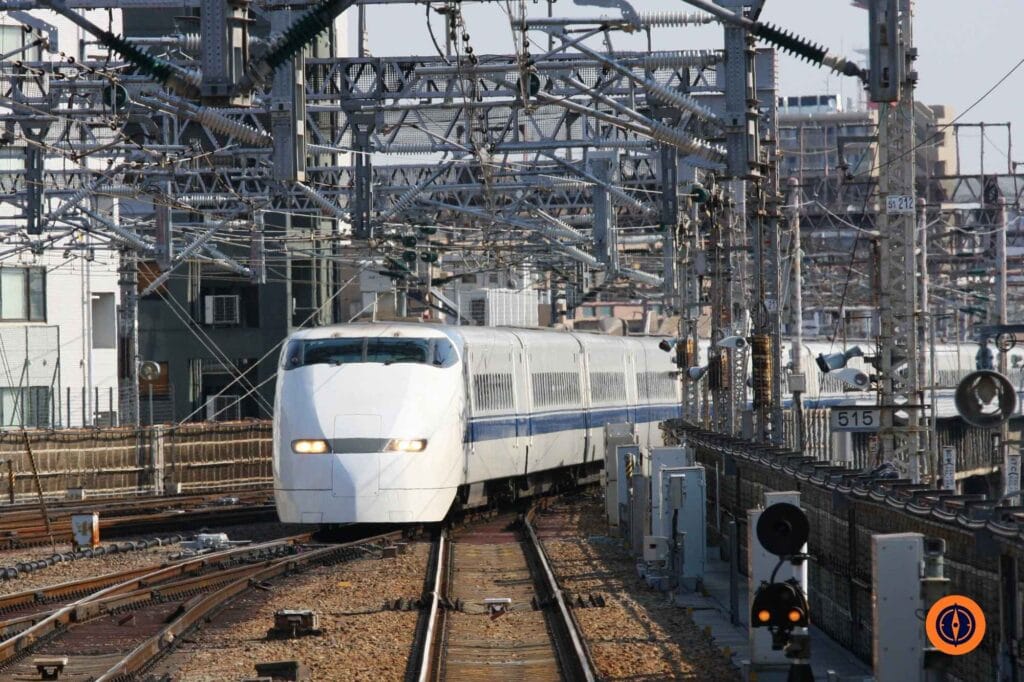
Shin-Osaka: Best for Shinkansen Logistics
Shin-Osaka is the right option if your hotel decision is made entirely based on the Shinkansen timetable. It works if you are making a quick one-night transit stop as you move across Japan, catching a very early train out, or arriving late on a bullet train.
The station is also fully connected to the local Midosuji Line subway and sits north of the Yodo River. It also enjoys direct JR Haruka Express connects from Kansai Airport which taking roughly 75 minutes station-to-station which meant you won’t have to navigate complicated transfer with your luggage during the arrival day.
Besides, while the station provides plenty of convenient facilities, souvenir shops, and amazing restaurants, the surrounding neighbourhood lacks local character like street-food culture, evening atmosphere, and wandering experience like Shinsaibashi or Namba as it functions mainly as a business district.
Therefore, for general sightseeings, you will always require to board a train to go south. It is recommended not to book Shin-Osaka simply because your bullet train arrives there, it is much more enjoyable to have one straightforward subway transfer trip instead of commuting into central Osaka throughout the stay..
Honmachi: Best for a Quieter Central Position
Honmachi sits between Shinsaibashi and Umeda on the Midosuji Line and it is a useful business-hotel district for travellers who want a central and highly strategic area without paying the premium prices for Umeda’s overwhelming foot traffic or Namba’s nightlife.
The area is quieter, meaning some sections have fewer choices for late-night dining. At the end of the day, its real value lies in its strategic location rather than a bustling holiday atmosphere. It works best when the hotel is situated close to the correct metro entrance. If you prefer calm and quiet evenings, and don’t mind taking a quick 5-10 minute subway ride down to Namba for entertainment and dinner, it can be one of the best hotel stay options you can consider for.
Universal City: Best When USJ Is the Main Priority
Universal City is for special purpose instead of a general Osaka recommendation as it makes sense when USJ is the main reason for the stay especially for travellers or families who want to simplify an early park arrival and also beat the crowds.
Staying here means it become less convenient for general sightseeing activities. You have to travel from Universal City to Dotonbori for dinner, making day trips to Kyoto, or doing general sightseeings in Osaka requires additional travel time and multiple train transfers.
A hotel room here should be used to serve your dedicated park days rather than use as default base for your entire vacation. Avoid changing hotels for one park day unless the package benefits, family logistics, or early access outweigh the hassle of moving your luggage across the city.
You can also refer to JR West route and station maps which are useful for verifying which Osaka terminal supports the actual day trips.
Best Area by Traveler Type
Solo travellers – For independent travellers, choosing where to stay depends on the safety of transportation and dining convenience. Namba is an excellent choice for solo travellers because of its endless dining spots, Shinsaibashi provides a well-balanced vibe, and Umeda offers unmatched transit and commercial convenience.
When making decision, you should concentrate heavily on the exact walking distance from the station instead of the broad neighbourhood, lowering the long walks to the quiet side streets during evening ensures peace of mind. For a deeper look at safety protocols, you can check out the guide about whether Japan is safe for travelers which explains practical precautions without labelling entire districts as unsafe.
Couples – If you are travelling as a pair, your ideal stay depends on how close you want to be to the action. Many couples prefer Umeda or Shinsaibashi because they provide boutique shopping and fine dining without the bright neon and chaotic crowds right outside the hotel window. Nevetherless, if your goal is to have direct access into the lively evening street food scene, Namba remains the best option.
Families – When travelling with children, it is important to check the family-friendly breakfast buffets, elevator-accessible transit routes, and particular room layouts (like triple or quadruple beds) before selecting atmosphere. Tennoji and Umeda provides less congested train stations, excellent dining options and broader sidewalks. Universal City can be practical if the main priority is the early entry to USJ. Namba works well if your family wants to have direct exposure into nearby evening entertainment without taking another train.
Small groups – Travelling with friends always brings some challenges due to catering to different tastes. Namba can be the best choice because the sheer variety of food and entertainment choices will reduce disagreements. On the other hand, if your group is using the city primarily as a launchpad for day trips, staying near the transit lines in Umeda will save your valuable time.
For cancellation and timing strategy, you can refer to complete guide about when to book hotels in Japan. For trip related costs, you can also visit this article to understand the budget breakdown.
Final Recommendation
Your choice of where to stay in Osaka should not be determined solely by price but also the effectiveness of the locations to reduce the daily transit friction from your itinerary. Once you have identified the district that aligns with your route, you can narrow down the search to particular hotels that are within the walking distance. The best hotel in Osaka is the one that saves you the most physical exhaustion and travel time on a daily basis.
FAQ: Where to Stay in Osaka for First-Time Visitors
Is it better to stay in Namba or Umeda?
It relies entirely on your travel itinerary. Namba is the best area for travellers who want direct access into iconic landmarks like Dotonbori, shopping, nightlife, and street food. Umeda is best for regional sightseeing as its massive transit hub provides direct and rapid train links to Himeji, Kobe, and Kyoto.
Where should first-time visitors stay in Osaka?
First-time visitors should look for hotels in Shinsaibashi or Namba as these districts put you within walking distance of the most popular street-food and entertainment zones, reducing the need to navigate complex subway lines during the night.
Is Osaka’s accommodation tax included in hotel prices?
It varies by property and booking platform. The mandatory Osaka Perfecture accommodation tax currently ranging from ¥200 to ¥500 per person, per night which can be bundled into your online payment or collected separately in card or cash at the front desk.
Should I stay in Shin-Osaka if I have a JR Pass?
You should only consider for Shin-Osaka if your itinerary relies heavily on taking early-morning Shinkansen (bullet trains) to distant cities like Tokyo or Hiroshima. If you plan to spend most of the time exporing Osaka or taking local trains to Kyoto, Umeda or Namba offers a more authentic and vibrant experience.
How many days should I stay in Osaka?
3-4 days is the ideal duration for a standard first-time itinerary. This gives sufficient time to explore local highlights like USJ, Shinsekai, and Osaka Castle plus another 1-2 days to use the city as a convenient stop for day trips to Kobe or Nara.
Disclosure: This post may contain affiliate links.


Compare prices across top platforms in seconds.