Tokyo Travel Guide for First-Time Visitors
Is Tokyo Worth Visiting?
Introduction
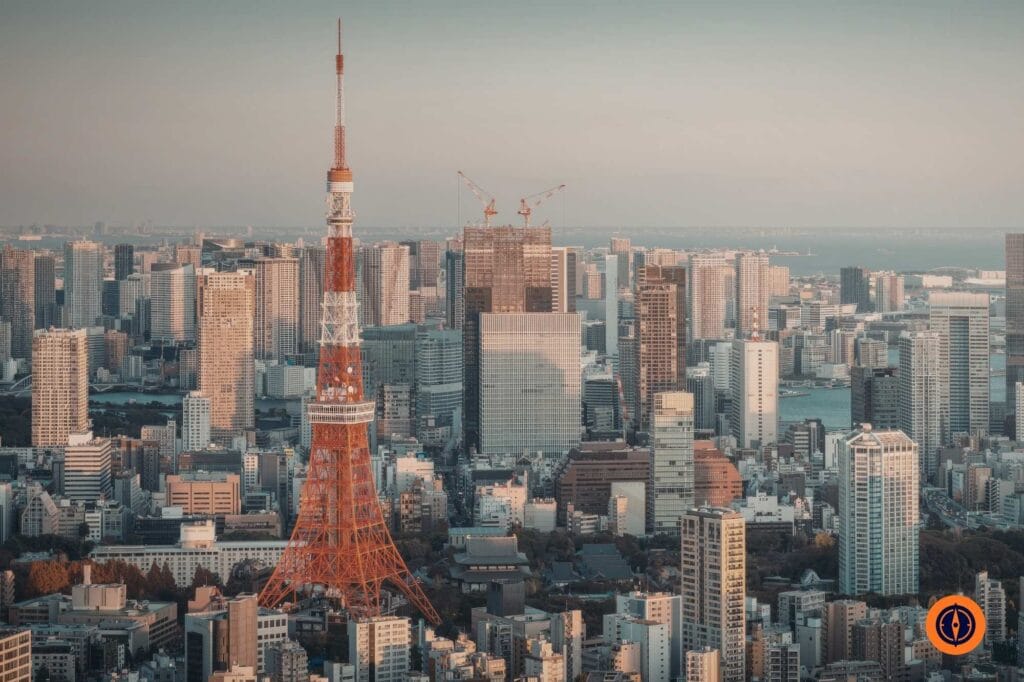
Tokyo is one of the world’s most thrilling cities that can feel intimidating at first glance as many first-time visitors envision it as challenging, expensive, and overwhelming to navigate if unable to communicate in Japanese fluently. Nevertheless, in fact, the city is much easier to navigate than anticipated. It is highly efficient, organized, and filled with neighbourhoods if you stop treating it as a single, sprawling city that needs to be fully experienced.
Besides, it provides a broad range of choices for travellers and enable them to tailor their own experience based on preferences. For example, Tokyo offers flexibility based on your intinerary style like a slower-based neighbourhood, cultural introduction, deep-focused in food and shopping, or a fast-paced environment.
If you’re planning your first trip to Japan, exploring Tokyo, Kyoto, and Osaka constitutes the country’s iconic “Golden Route“. Each city provides a completely distinct vibe, and selecting the correct itinerary is all about finding a balance between traditional culture and exploration of fast-paced city.
Quick Answer: Is Tokyo Worth Visiting?
Yes, Tokyo is definitely worth visiting as its districts have been tailored to all the visitors according to preferences and also stands out as one of the simplest major cities to plan an all-around trip.
It also lies in the key factors below:
- World-Class Public Transport: Its rail network and subway like Tokyo Metro and lines operated by JR East are extensive, clean, and operate with absolute precision, the same goes for apps like Navitime or Google Maps, which make routing simple. This will allow visitors to explore and navigate different areas easily..
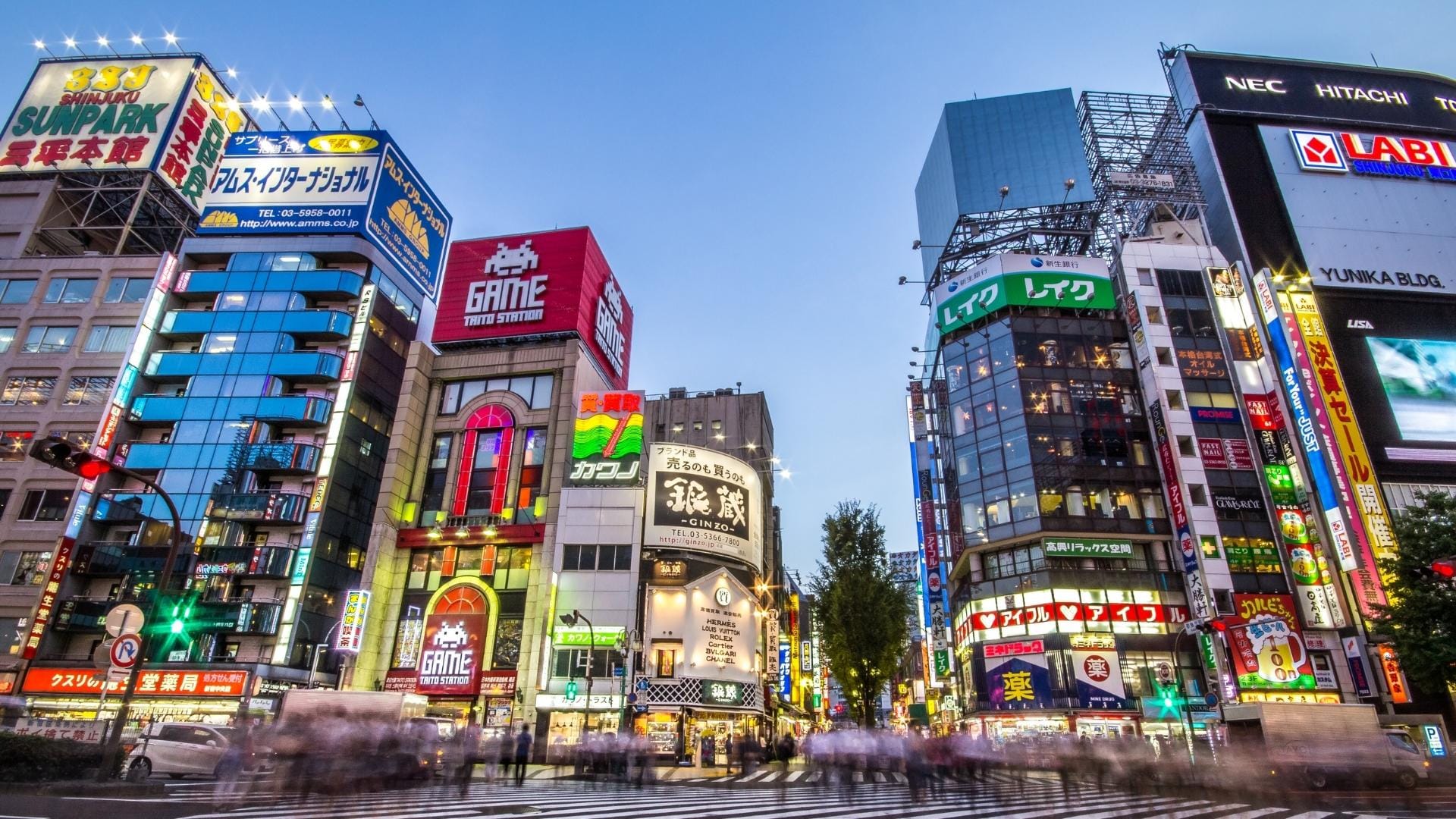
- The Diversity of Neighbourhood: Each area acts as its own different city and this allows you to explore and discover the hidden gems like the upscale shopping in Ginza, the historic vibes of Asakusa, the youth culture in Harajuku, and the neon-lit streets of Shinjuku which ensures a complete enjoyable experience.
- Endless Dining Options: The city provides diverse, unparalleled culinary and budgets such as busy street food spots like the Tsukuji Outer Market, casual and budget-friendly ramen bars, and Michelin-starred omakase which offers a pleasant adventure for food enthusiasts.
- Unmatched Safety: Tokyo consistently being ranked as one of the safest major cities in the world which allow many travellers to pick it as an ideal starting point to experience a blend of cultural richness and convenience comfortably.
Tips for First-Timers
Tokyo is huge and its vast size can pose a challenge for those who plan poorly during the first trip. Group your daily activities by neighbourhood instead of trying to cross the city multiple times in a single day. You should also get an e-SIM or rent a portable Wi-Fi device when you arrive at the airport as you will need to use them heavily on navigation apps to travel around. Other than this, remember to grab a reloadable IC card which can be found physically at stations or Apple Wallet and you can tap effortlessly through the entire transit system.
Why Tokyo Works for First-Timers & Solo Travelers
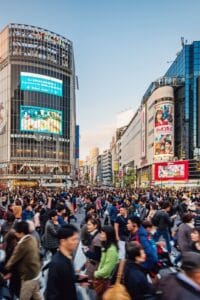
Tokyo provides first-time visitors the unusual blend of zero constant friction and immense freedom. You do not need a rigid schedule or structured group to enjoy the city, as you can freely stroll between quiet, historic gardens and busy, neon-lit energy like Shinjuku or Shibuya or even simply relaxing in a park or café.
- Stress-Free Solo Experience: Solo wandering, browsing, and dining are deeply normalized in Japanese culture, making independent travellers feel incredibly comfortable.
- Smooth Transportation: Tokyo is popular for its efficiency, cleanliness, ease of navigation and punctuality of its subway networks and trains.
- Safe Environments: It consistently being ranked as one of the safest countries to visit in the world and allowing travellers to feel secure about belongings or safety.
- Patchwork of Districts: The city is a gathering of different neighbourhoods, meaning you can comfortably tailor your plan based on your energy level.
- Modernity and Analog Habits: The city perfectly balances ultra-modern tech with analog habits and deep-rooted traditions.
Who Tokyo Is Best For
Tokyo is the ultimate destination for independent explorers, foodies, and first-timers who want a blend of flexible itineraries and high-energy city. It offers endless choices for entertainment, shopping, and dining while it can also be overwhelming for those seeking nature-focused and quiet escapes.
Why Tokyo is the Perfect Fit
- First-Time Visitors: It provides a safe, exciting, and highly efficient introduction to Japan that is easy to navigate even with jet lag;
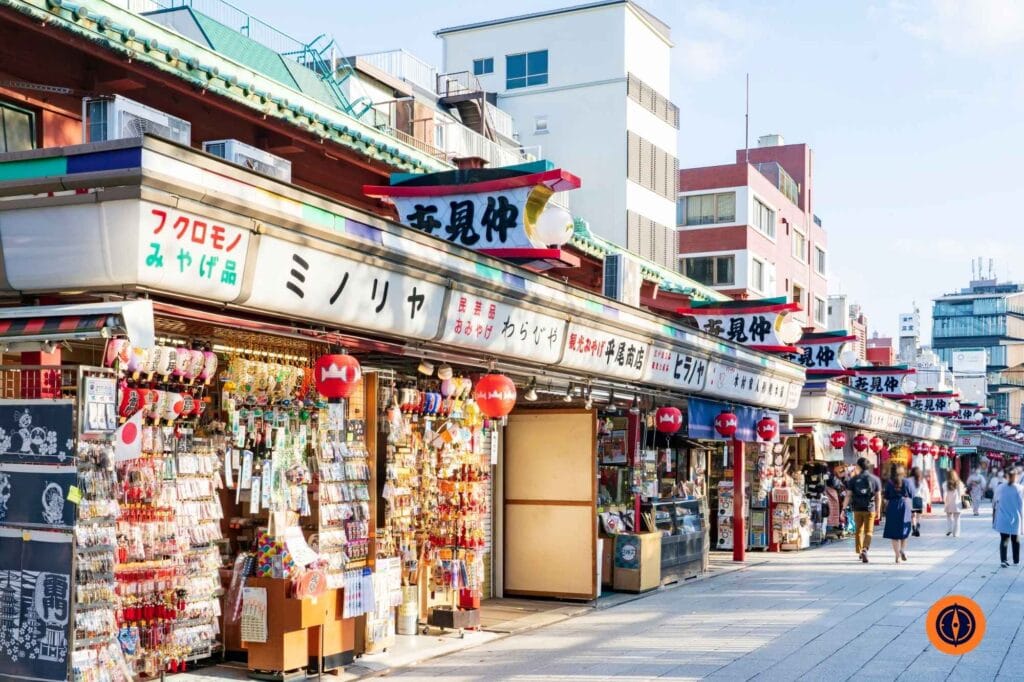
- Neighbourhood Exploration: The city is a collection of different districts or neighbourhoods where you can enjoy the evening in the busy hub, neon-lit of Shinjuku or spend the morning in the peaceful traditional streets of Asakusa;
- Food & Shopping: From the famous Tsukiji Outer Market and Michelin-star dining to the luxury boutiques in Ginza, these are the experiences that specifically tailored to every budget tolerance.
Who Should Skip Tokyo?
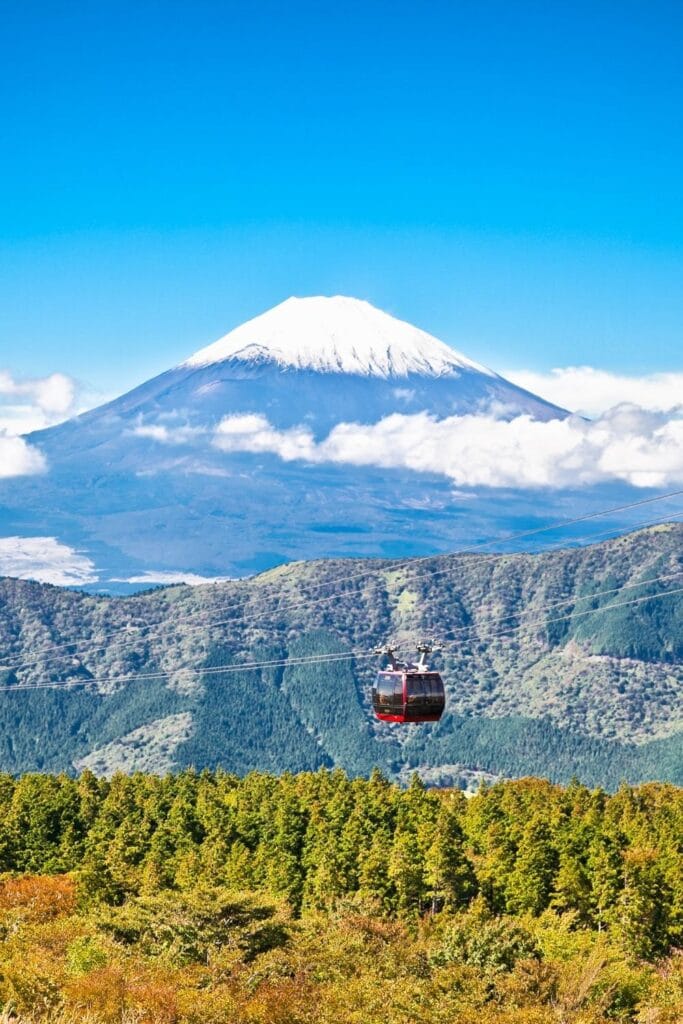
- Nature Seekers: If your planned trip is focused on low stimulation, quiet trails, and remote landscapes, places like Yakushima, Kiso Valley, or Hakone will suit you better.
- Slow-Paced Travellers: Those who prefer low-stimulation, small environment might find Tokyo’s overwhelming speed and massive crowds tiring.
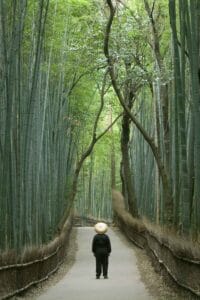
If you are concerned about the sensory overload, the secret is to slow down by picking one or two areas per day instead of trying to “vanquish” the metropolis. You can balance the chaos by enjoying your afternon in serene green spaces like Yoyogi Park or Shinjuku Gyoen National Garden.
Is Tokyo Safe for Travelers?
Japan is currently listed by the U.S. State Department as Level 1: Exercise normal precautions which signifies that the city remains one of the safest major cities in the world but the visitors still need to exercise standard urban common sense like stay alert with the signal of natural disaster and nightlife entertainment districts.
To ensure a secure and smooth trip, consider these particular safety strategies:
- Avoid Nightlife Scams: Firmly while also politely decline any invitations from street promoters which can be commonly found in Kabukicho and Roppongi to enter clubs or bars to avoid exorbitant and hidden cover charges;
- Secure Valuables: Keep your belongings secure and close in densed and concentrated transit hubs like Shibuya or Shinjuku, and store passport safely;
- Prepare for Natural Disasters: Download the official Safety tips App inspected by the Japan Tourism Agency to receive weather, tsunami, and real-ime earthquake alerts;
- Save Important Contacts: Contact the 24/7 Japan Visitor Hotline provided by the Japan National Tourism Organization (JNTO) if you are in need for assistance during emergency;
- Enroll in STEP: U.S. citizens can register with the Smart Traveler Enrollment Program to receive the alerts and help the U.S. Embassy discover you in an emergency.
How Many Days Do You Need in Tokyo?
3-4 days is the sweet spot for most first-time visitors as the timeframe allows to settle in, visit diverse neighbourhoods like Shinjuku, Asakusa, and Shibuya, and balance sightseeing with leisurely moments to avoid exhaustion or sensory overload.
A simple guideline to map out your trip:
- 2 days: It is a very short highlights stay so expect a lots of walking and tight schedule;
- 3 days: A strong foundation that offers flexibility to dive into the cultural stops and the food scene;
- 4 days: The ideal balance for majority as it enable a quick day trip out of the city and also slows down your pace;
- 5 days: Perfect choice if plan a deep dive into particular interests or if you want to avoid feeling rushed.
If you have only 7-day itinerary plan, 3 days should be sufficient without squeezing Kyoto and Osaka too tightly while let say if you have 10-day itinerary plan, it should allows a stronger schedule for Tokyo so the first few days will feel less rushed.
Best Areas to Stay in Tokyo
In Tokyo, it is important to pick your stay wisely as a good base can feel easy while a poor base can make your plans feel tiring. To pick the perfect Tokyo base, you need to look beyond the general vibes and dissect hidden mirco-neighbourhoods, airport logistics, and exact transit layout. Here is the complete breakdown of Tokyo’s top 5 bases for optimizing your stays:
| Neighborhood | Vibe & Crowd | Major Transit Perks | Best For | Main Pitfall |
|---|---|---|---|---|
| Shinjuku | Mssive skyscrapers, Hyper-neon | Direct lines to West Tokyo, Hakone, Mt. Fuji | First-timers & Nightlife | The station looks like a maze. |
| Shibuya | Trendy shopping, youth culture | Direct links to Yokohama, Harajuku | Trendseekers & Fashion | Hills & High crowds |
| Ueno | Relaxed market, Old-school | Direct Keisei Skyliner to Narita | Museum lovers, families, budget | Quieter after 9:00 PM |
| Asakusa | Low-rise and historic temples | Direct lines to Ginza & Nikko line | Slow culture & travel | Harder to reach West Tokyo |
| Tokyo Station | Historic, sleek, corporate | Hub for all Shinkansen bullet trains | Business, short stays, luxury | Lacks local neighborhood charm |
1. Shinjuku: The Mega-Hub
- The Transit Fact: Shinjuku station deals with over 3.5 million people everyday and it is a subterranean labyrinth with over 200 exits. If you stay on the East Side (San-chome/Kabukicho), you will witness dense crowds, bars, and neon lights while if you stay on the West Side (Nishi-Shinjuku), you will get skyscraper views and quiet luxury hotels.
- Hidden Gem: It is the best destination for day trips where the Odakyu Romancecar departs directly from here to Hakone’s hot springs, Odawara, and Enoshima while highways buses leave from Busta Shinjuku for Mt. Fuji.
2. Shibuya: The Cultural Epicenter
- The Transit Reality: Shibuya is highly walkable to youth-culture districts like Omotesando and Harajuku (15-minute walk). It sits on the loop-line JR Yamanote Line, meaning you can zip to Tokyo Station or Shinjuku without transferring.
- Hidden Gem: It is a primary hub for the Tokyu Toyoko line which provides a cheap and direct 30-minute train ride to Yokohama, or a 5-minute hop to Nakameguro (popular for cherry blossoms).
3. Ueno: The Practical Gateway
- The Transit Fact: Ueno is the ultimate safeguard against airport tension as the Keisei Skyliner links Narita Airport directly to Keisei-Ueno Station merely under 36 minutes.
- Hidden Gem: It sits right next to Ueno Park, home to the Tokyo Metropolitan Art Museum and Tokyo National Museum. It also located nears to Ameyoko Market, the area has street markets with full of energy and packed with yakitori stalls, open-air and cheap seafood that provide amazing local vibe without Shinjuku prices.
4. Asakusa: The Historic Sanctuary
- The Transit Fact: Located on the eastern edge of central Tokyo and does not sit on the JR Yamanote loop line. Hence, for getting to western hubs like Shibuya or Shinjuku, you will need a 30-to-40 minute subway ride with at least one transfer.
- Hidden Gem: After the tour buses leave Senso-ji Temple in the evenings, you will have the chance to experience the surrounding historic alleys (Hoppy Street) with outdoor drinking tables and low-slung lanterns which provides a nostalgic and authentic atmosphere.
5. Tokyo Station & Ginza: The Premium Grid
- The Transit Fact: It is the cleanest and most organized part of Tokyo where Tokyo Stations is the starting terminal for almost all Shinkansen (bullet trains) heading to Hokkaido, Osaka, or Kyoto.
- Hidden Gem: The entire area is well-linked by vast underground pedestrian tunnels lined with food streets such as Tokyo Ramen Street and Tokyo Character Street as well as high-end shops. This enables you to walk for miles, shop, and eat world-class meals entirely indoors on intensely hot or rainy day.
Your arrival airport can also affect your first Tokyo day, so compare Haneda vs Narita before choosing a hotel area or booking flights.
Is Tokyo Expensive?
Yes, it can be expensive but also highly flexible and sometimes surprisingly affordable. Your daily travel costs generally range from $50–$150 USD and largely driven by activity preferences, daily meal, how early you book, and accommodation options.
Breaking Down Your Tokyo Budget:
- Accommodation: Normally it is the biggest expense, so booking early and staying in well-linked areas outside ultra-central hubs like Shinjuku or Shibuya can reduce the costs significantly.
- Food & Dining: Tokyo is popular for its budget-friendly food where the visitors can enjoy meals range from $8-$15 at convenience stores, conveyor-belt sushi, or ramen shops, then balance these with luxury or occasional mid-range splurges.
- Transportation: Local transit price is reasonable and visitors can opt for purchasing a Pasmo card or digital Suica so you can move cheaply across the city’s subway network. Alternatively, if you are thinking about buying a rail pass, check whether the JR Pass is worth it for your exact route before assuming it will save money.
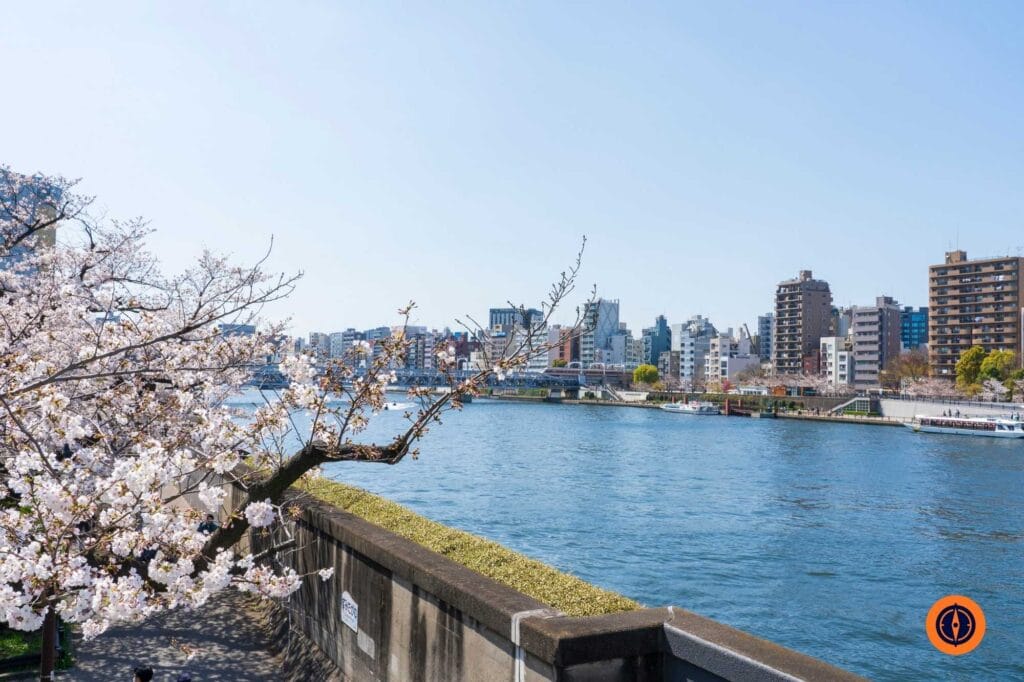
- Seasonal demand: Peak seasons, like the cherry blossom season in the spring, can cause a spike in accommodation and flight prices while travelling during off-season months such as January, June, or September can dramatically lowers your trip’s cost.
Final Verdict: Is Tokyo Worth Visiting?
Yes, it is a must-visit in your lifetime. It serves as a perfect, high-energy introduction to Japan and mingling ultra-modern sights with serene historical spots. Its transport efficiency, diverse neighbourhoods, and incredible food scene which make it a bucket list especially for first-time visitors.
From the neon-lit nightlife of Shinjuku to the youth culture of Harajuku and the traditional streets of Asakusa, every district provides a unique and different vibe. It also serves as a global food capital where it has an unmatched culinary footprint, ranging from authentic and casual ramen bars to the world-class sushi at Toyosu Market. The rail network is also one of its strongest strength including the Yamanote Line which is clean, safe, and enables you to navigate the massive metroplis with ease and speed.
Frequent Asked Questions (FAQs) About Visiting Tokyo
Is Tokyo safe for travelers?
Yes. Tokyo is one of the safest cities in the world but normal precautions should still be exercised in the crowded stations and nightlife areas.
How many days should I spend in Tokyo?
3-4 days is ideal for most of the first-time visitors as it offers you sufficient time to explore several districts without overruning your itinerary.
Where should first-time visitors stay in Tokyo?
Shibuya, Asakusa, Ueno, and Shinjuku are all good choices depending on your travel style and budget. For majority, Ueno and Shunjuku are the easiest bases.
Do I need mobile data in Tokyo?
It is highly recommended. Mobile data makes daily navigation, hotel access, train planning, and maps much convenient in this large city.
Disclosure: This post may contain affiliate links.



Compare prices across top platforms in seconds.