Vietnam Solo Travel Guide
for Beginners
Introduction
Vietnam has become one of the most researched destinations for solo travelers in Southeast Asia. Its combination of affordable daily costs, diverse landscapes, and established backpacker routes makes it appealing to independent travelers.
However, Vietnam’s geography and transportation systems differ significantly from smaller countries. Planning a solo trip requires understanding regional variations, climate differences, and transit logistics between cities.
Unlike Thailand’s compact tourism infrastructure, Vietnam requires more regional planning due to its north-to-south geography.
This Vietnam solo travel guide provides a structured overview covering safety, budgeting, transportation, visa requirements, and route planning to help first-time solo travelers prepare confidently.
Why Vietnam Is Popular for Solo Travelers
Vietnam attracts solo travelers for different reasons compared to Thailand. While Thailand is known for tourism infrastructure, Vietnam is often selected for its diversity of landscapes and long north-to-south travel route.
Affordable Daily Costs
Vietnam is generally considered budget-friendly.
Solo travelers can expect:
- Affordable hostel accommodation
- Low-cost local meals
- Inexpensive intercity buses and trains
- Competitive domestic flight pricing
This makes Vietnam attractive for travelers managing longer trips.
Diverse Landscapes in One Country
Vietnam offers significant regional variation:
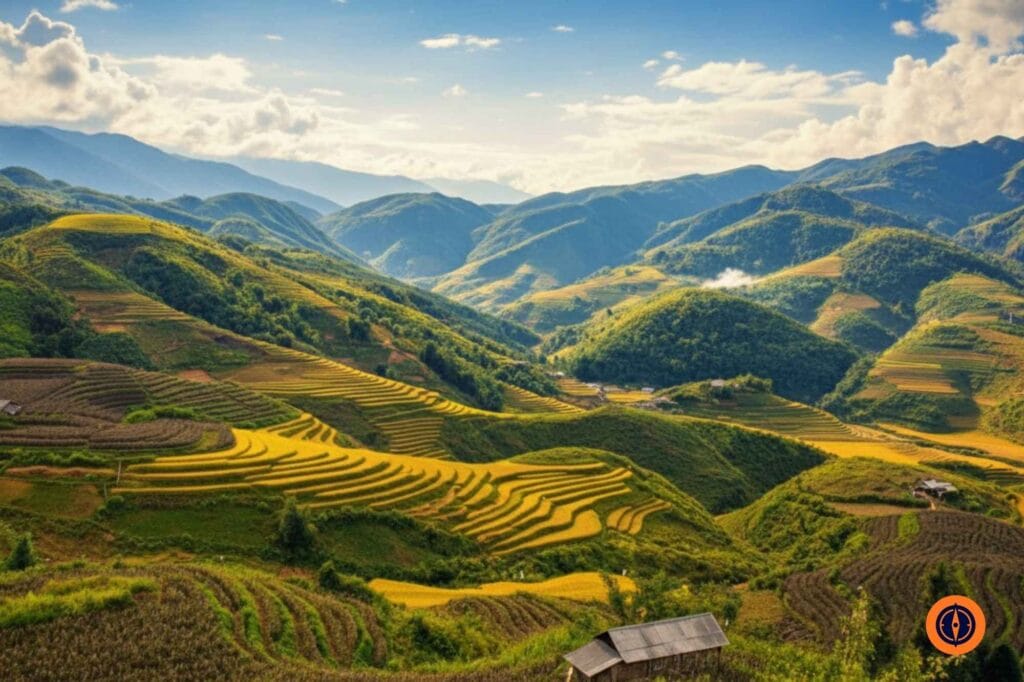
- Mountain regions in the north
- Coastal cities in central Vietnam
- Urban environments in the south
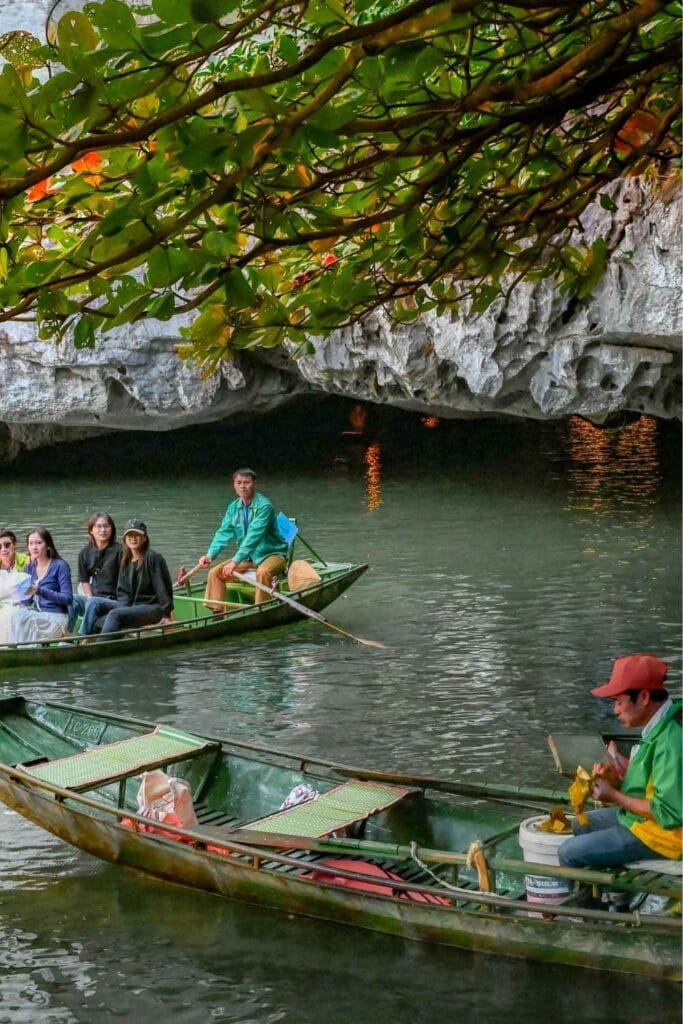
- Mekong Delta river systems
Travelers can experience multiple environments without crossing borders.
Established Backpacker Route
A well-known north-to-south (or south-to-north) route connects:
- Hanoi
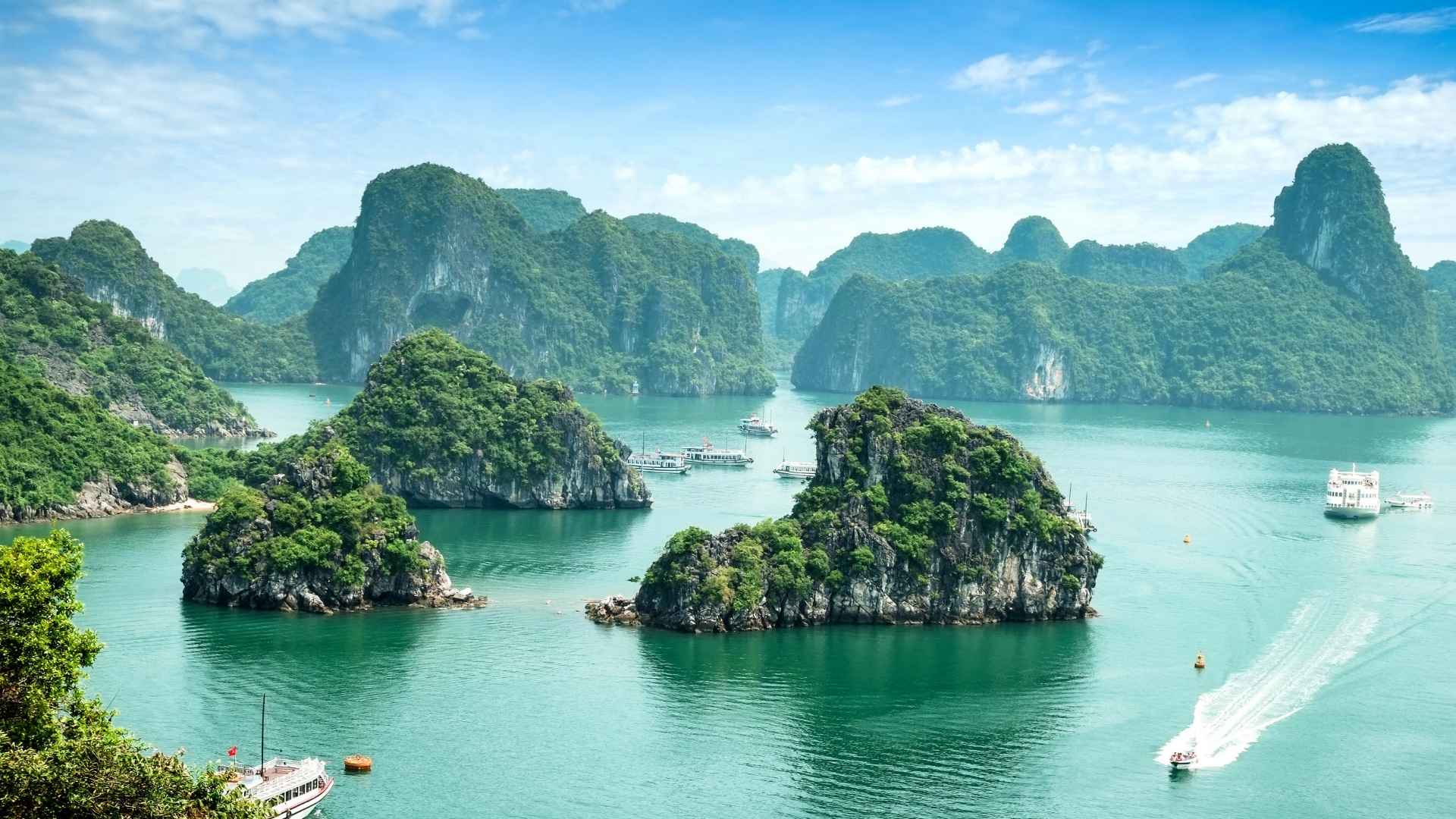
- Ha Long Bay
- Hue
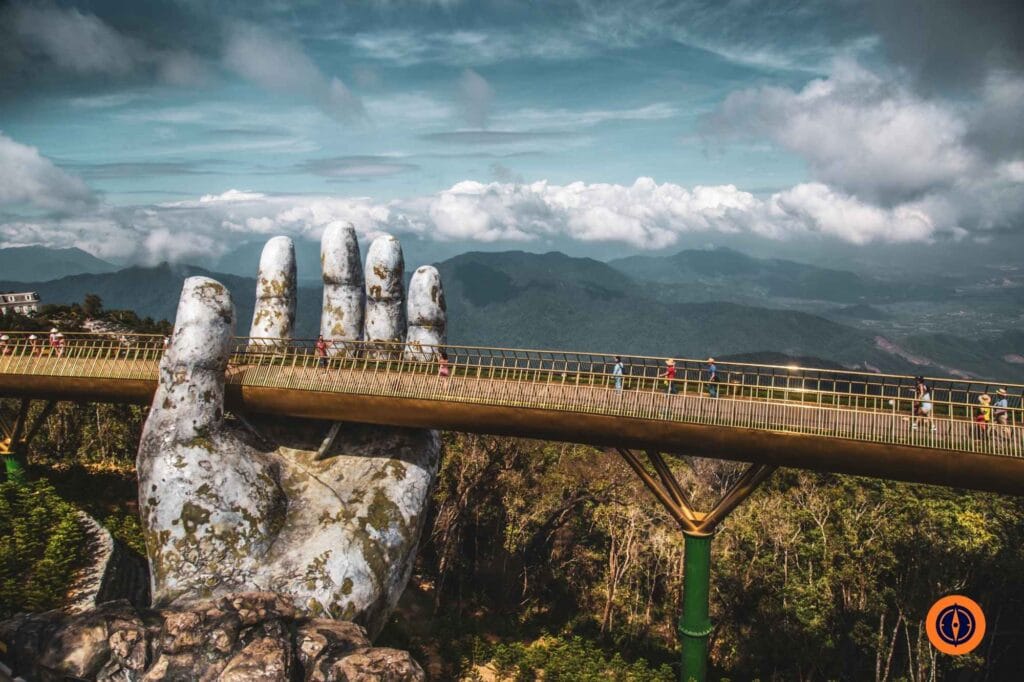
- Da Nang
- Hoi An
- Ho Chi Minh City
This structure simplifies itinerary planning for solo travelers.
Strong Food Culture
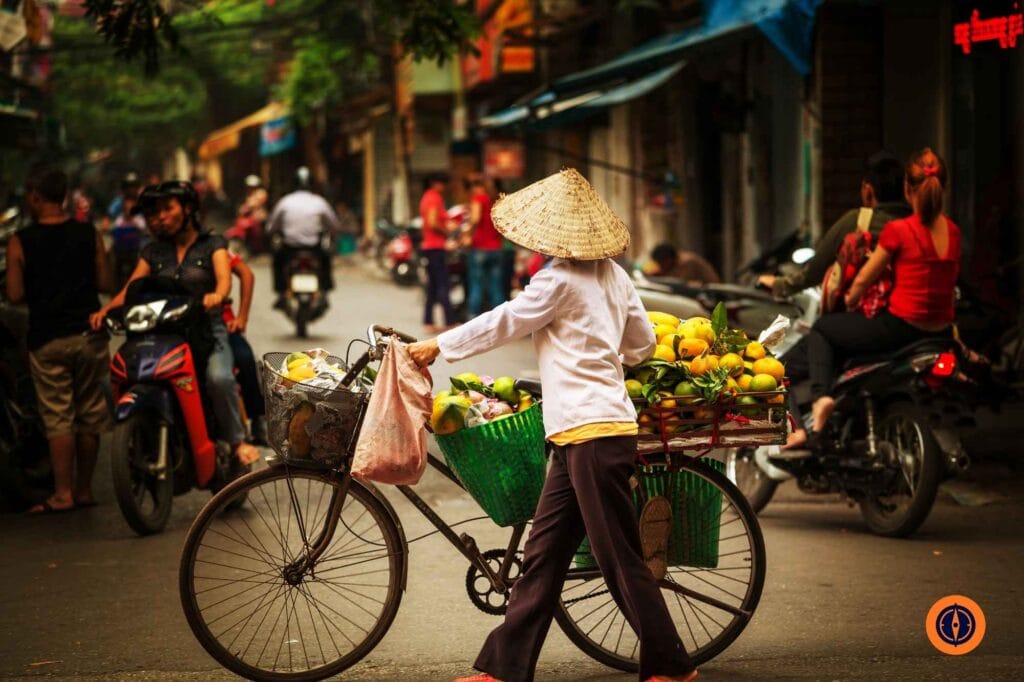
Vietnam’s street food scene is a major attraction. Affordable and accessible local meals make daily budgeting easier.
Vietnam’s popularity is supported by cost efficiency and route structure. However, transportation logistics and regional climate differences require more planning compared to compact destinations.
Best Regions in Vietnam for Solo Travel
Vietnam stretches over 1,600 kilometers from north to south. Climate, landscape, and travel pace vary significantly by region. For solo travelers, understanding these regional differences is essential before building an itinerary.
Northern Vietnam — Mountains and Cultural Heritage
Key destinations:
- Hanoi
- Ha Long Bay
- Sapa
Northern Vietnam offers:
- Mountain landscapes
- Cooler seasonal temperatures (in winter months)
- Cultural and historical landmarks
- Structured tour access to Ha Long Bay
Hanoi serves as the primary gateway in the north and is often the starting point for north-to-south routes.
Best for:
Travelers seeking scenic landscapes, structured tours, and cooler climate periods.
Central Vietnam — Coastal Cities and Historic Towns
Key destinations:
- Hue
- Da Nang
- Hoi An
Central Vietnam combines:
- Beaches
- Historic architecture
- Walkable old towns
- Short intercity distances
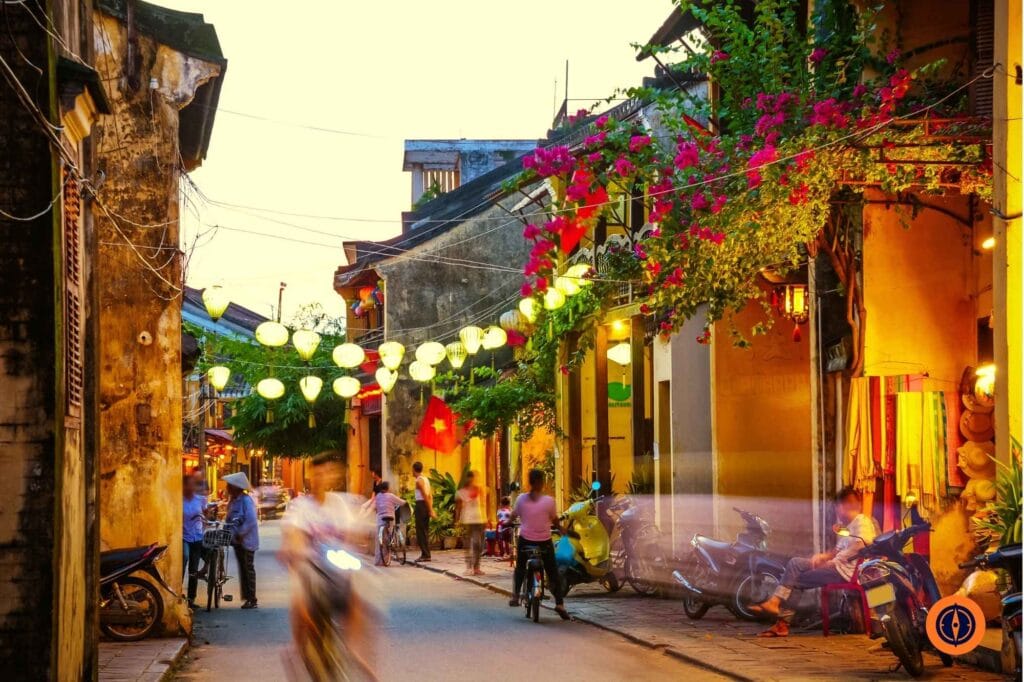
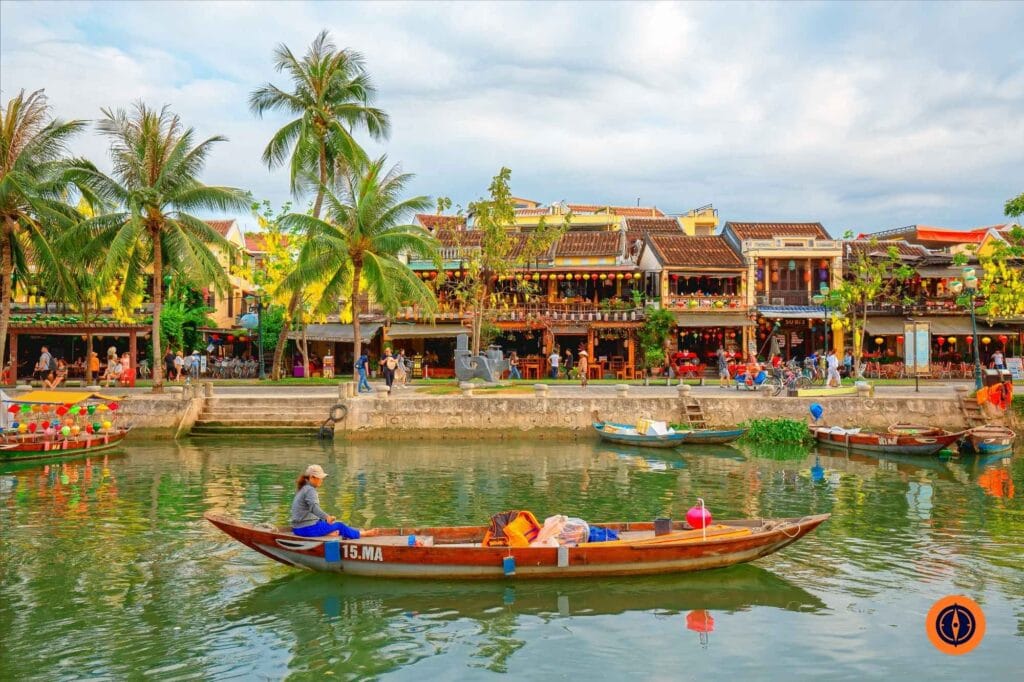
Hoi An is particularly popular with solo travelers due to its compact layout and relaxed pace.
Best for:
Travelers wanting cultural landmarks combined with coastal relaxation.
Southern Vietnam — Urban Energy and River Systems
Key destinations:
- Ho Chi Minh City
- Mekong Delta
Southern Vietnam offers:
- High-energy urban environments
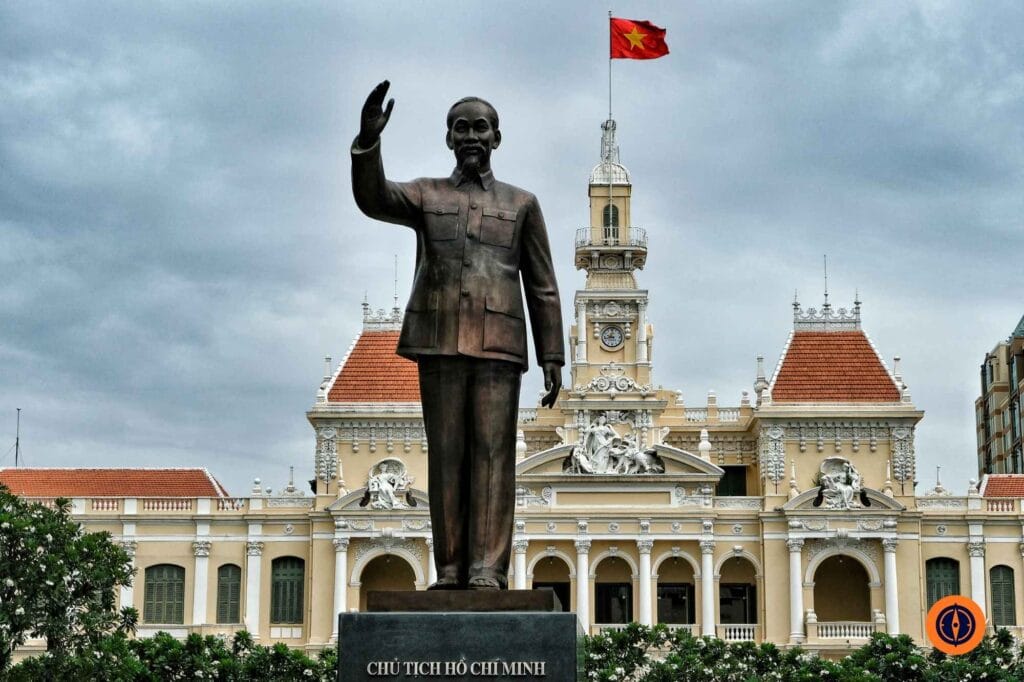
- War history museums
- River-based excursions
- Warmer year-round climate
Ho Chi Minh City functions as a major transportation hub for southern routes.
Best for:
Travelers comfortable with busy cities and structured day tours.
Vietnam’s regions differ significantly in pace and environment. Many solo travelers combine at least two regions to experience contrast without excessive travel fatigue.
If you are deciding where to travel within the country, this guide to the best cities in Vietnam for solo travelers compares several popular destinations.
Budget Expectations in Vietnam
Vietnam is generally considered one of the more affordable destinations in Southeast Asia. However, total trip cost depends on travel style, transportation frequency, and tour participation.
Understanding realistic daily ranges helps prevent underbudgeting, especially when covering long distances.
Accommodation
Vietnam offers a wide range of options.
- Hostel dorm bed: $6–$18 per night
- Budget hotel: $20–$45 per night
- Mid-range hotel: $45–$100 per night
Prices may increase in highly touristic areas such as Hoi An or Ha Long Bay.
Food
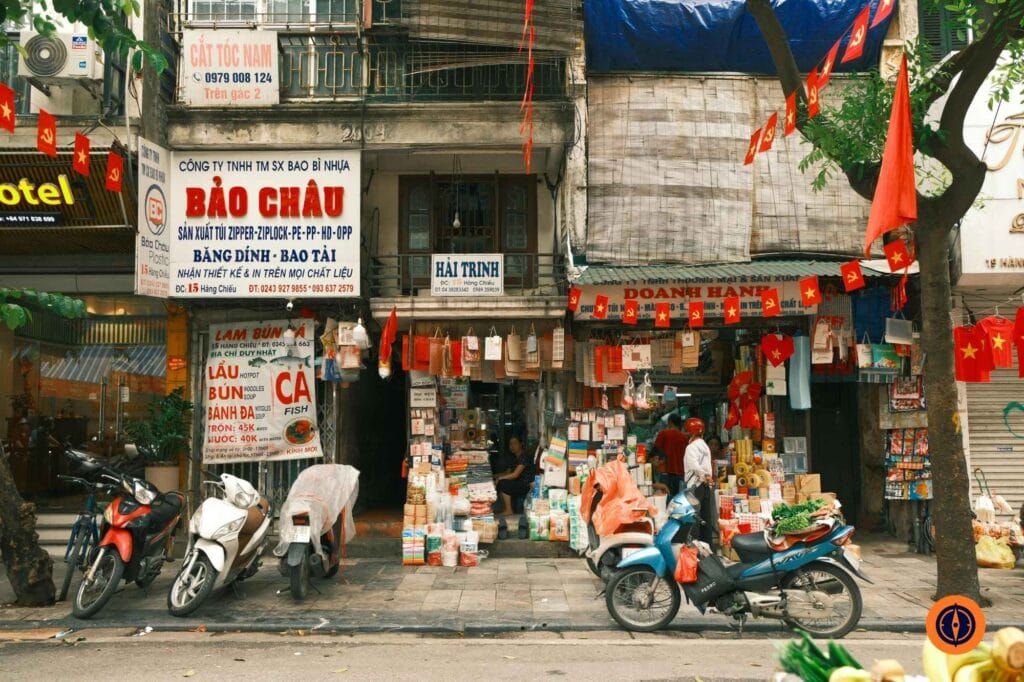
Local food is affordable and widely available.
- Street food meal: $2–$5
- Casual local restaurant: $5–$12
- Western restaurant: $10–$20
Daily food costs remain manageable when prioritizing local cuisine.
Transportation
Intercity travel is a significant part of Vietnam itineraries.
- Sleeper bus: $10–$25
- Train ticket: $15–$40
- Domestic flight: $30–$90
Frequent long-distance travel can increase total cost if not planned efficiently.
Tours and Activities
Some activities are tour-based, particularly in:
- Ha Long Bay
- Mekong Delta
- Sapa
Estimated ranges:
- Day tours: $25–$60
- Overnight cruise in Ha Long Bay: $100–$200+
Estimated Daily Budget
- Budget traveler: $25–$50 per day
- Mid-range traveler: $50–$110 per day
International flights are not included in these estimates.
If you require a detailed financial framework, review a structured solo travel budget guide before finalizing your Vietnam itinerary.
Budget planning is an important part of preparing for Vietnam. This Vietnam solo travel budget guide also explains typical travel expenses including accommodation, transportation, and food.
Safety Considerations in Vietnam
Vietnam is generally considered manageable for solo travelers, particularly in major cities and established tourist regions. However, transportation patterns, traffic density, and regional differences require situational awareness.
General Safety Environment
In popular destinations such as Hanoi, Hoi An, and Ho Chi Minh City:
- Tourism infrastructure is visible
- Hostels and hotels are accustomed to solo travelers
- Organized tours are widely available
Violent crime targeting tourists is uncommon. Most safety concerns relate to petty theft and traffic navigation.
Traffic and Road Awareness
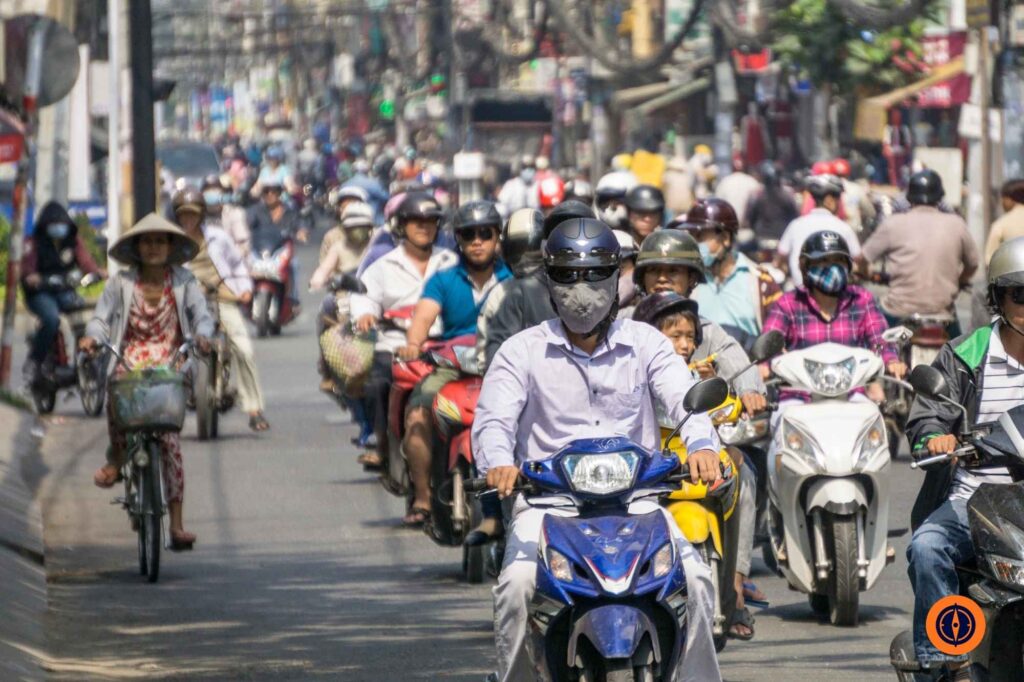
Traffic conditions in Vietnam can feel overwhelming at first, especially in Hanoi and Ho Chi Minh City.
Common considerations:
- High motorbike density
- Informal crossing systems
- Limited pedestrian priority
When crossing streets:
- Walk steadily at a consistent pace
- Avoid sudden stops
- Make eye contact with approaching drivers when possible
Motorbike rental is common but not required. Travelers without proper licensing or experience should reconsider renting.
Petty Theft
In crowded urban areas:
- Keep valuables secured
- Avoid placing phones loosely in back pockets
- Use crossbody or anti-theft bags if preferred
Incidents are typically opportunistic rather than violent.
Tour and Transport Booking
Book tours and long-distance transport through:
- Reputable agencies
- Well-reviewed operators
- Official transportation counters
Confirm pricing and itinerary details before payment.
Vietnam is generally safe for solo travel when paired with practical awareness, especially regarding traffic and transportation logistics.
While Vietnam is generally considered safe for travelers, understanding common precautions is still important. Our Vietnam solo travel safety guide explains practical safety tips and common scams to watch for.
Transportation in Vietnam
Vietnam’s long north-to-south geography makes transportation planning a central part of any solo itinerary. Unlike smaller countries, travel distances between regions can be significant.
Understanding the main transport options helps reduce fatigue and unnecessary expense.
Domestic Flights
Flights are the fastest way to move between major regions.
Common routes include:
- Hanoi ↔ Da Nang
- Da Nang ↔ Ho Chi Minh City
- Hanoi ↔ Ho Chi Minh City
Flight duration typically ranges from 1 to 2 hours. Booking in advance often provides competitive pricing.
Flights are recommended when time is limited.
Sleeper Buses
Sleeper buses are widely used for long-distance travel.
- Lower cost compared to flights
- Overnight travel saves accommodation expenses
- Variable comfort depending on operator
While popular with backpackers, comfort levels differ and may not suit all travelers.
Trains
Vietnam’s train system connects major cities along the coast.
Advantages:
- More stable ride compared to buses
- Sleeper cabin options available
- Scenic coastal views on certain routes
Train journeys may take longer than flights but offer more space.
Ride-Hailing and Urban Transport
In major cities:
- Ride-hailing apps such as Grab are widely used
- Taxis are available but confirm meter usage
- Motorbike taxis are common for short distances
Public metro systems are limited compared to Thailand, so ride-hailing is frequently used.
Vietnam’s transportation network is manageable with planning. For shorter trips, limiting the number of regions visited reduces transit fatigue.
Visa Requirements for Vietnam
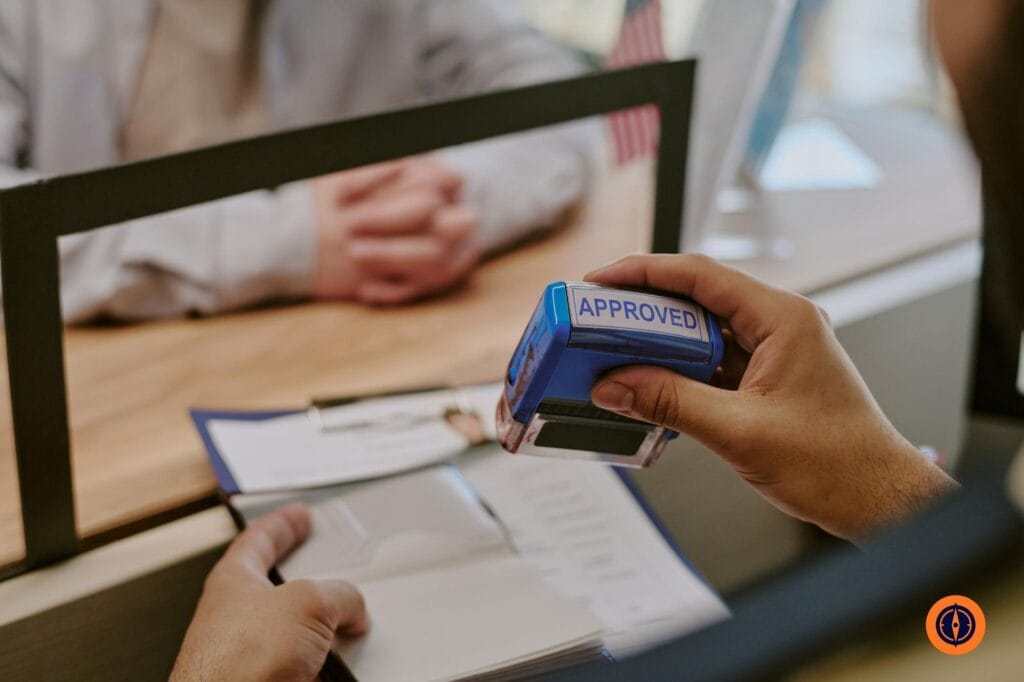
Visa requirements for Vietnam depend on nationality and length of stay. Entry policies can change, so verification through official government sources before departure is essential.
Visa Exemption
Certain nationalities may qualify for visa-free entry for short stays. The permitted duration varies depending on passport country.
Travelers should confirm:
- Length of allowed stay
- Passport validity requirements
- Re-entry limitations (if applicable)
eVisa
Vietnam offers an electronic visa (eVisa) option for many nationalities.
Key considerations:
- Online application prior to travel
- Processing time varies
- Entry through designated airports and border crossings
Applicants should ensure all information is entered accurately to avoid delays.
Visa on Arrival
Visa on arrival is typically applicable only with pre-approval letters arranged in advance. It is not the same as automatic arrival authorization.
Travelers should confirm whether this option is available for their nationality before relying on it.
Overstay Penalties
Overstaying a visa may result in fines or administrative complications. If planning a longer stay, research extension procedures before arrival.
Before booking flights, confirm entry rules through:
- Vietnam’s official immigration website
- Your country’s foreign affairs or travel advisory website
Administrative preparation reduces entry complications and supports smoother travel planning.
Suggested 10-Day Vietnam Solo Travel Route
Vietnam’s geography makes a north-to-south or south-to-north route the most efficient structure. This sample 10-day plan prioritizes manageable pacing and reduced backtracking.
This outline assumes arrival in Hanoi and departure from Ho Chi Minh City. The route can be reversed if flight pricing favors southern entry.
Days 1–3: Hanoi and Ha Long Bay (Northern Vietnam)
Day 1 – Arrival in Hanoi
- Settle near the Old Quarter
- Explore local markets
- Walk around Hoan Kiem Lake
Day 2 – Hanoi Cultural Sites
- Temple of Literature
- Ho Chi Minh Mausoleum area
- Street food exploration
Day 3 – Ha Long Bay Tour
- Day tour or overnight cruise
- Return to Hanoi in evening (if day trip)
Limiting northern activities to 3 days prevents schedule compression.
Days 4–6: Central Vietnam (Da Nang and Hoi An)
Travel to Da Nang via flight (recommended for efficiency).
Day 4 – Transfer to Da Nang / Hoi An
- Short flight from Hanoi
- Transfer to Hoi An (approximately 45 minutes)
Day 5 – Hoi An Exploration
- Ancient Town walking tour
- Lantern district in evening
- Local café exploration
Day 6 – Beach or Cultural Option
- An Bang Beach
- Marble Mountains
- Light cycling around town
Hoi An’s compact layout makes it ideal for solo travelers seeking a slower pace.
Days 7–9: Ho Chi Minh City (Southern Vietnam)
Fly from Da Nang to Ho Chi Minh City.
Day 7 – Arrival and Orientation
- Explore District 1
- Visit Ben Thanh Market
Day 8 – Historical Sites
- War Remnants Museum
- Cu Chi Tunnels (optional guided tour)
Day 9 – Mekong Delta Tour
- Day trip through organized operator
- River exploration
Ho Chi Minh City is fast-paced but manageable with structured planning.
Day 10: Departure
Plan departure based on international flight schedule. If flying long-haul, allow sufficient buffer time for airport transfer.
This 10-day Vietnam solo travel route provides exposure to northern landscapes, central coastal towns, and southern urban environments without excessive transit.
Who Vietnam Is Best For
Vietnam appeals to solo travelers who are comfortable navigating moderate transportation logistics and moving between regions. While it remains beginner-accessible, it requires slightly more planning compared to smaller destinations.
Budget-Conscious Travelers
Vietnam is well-suited for travelers aiming to manage daily costs.
- Affordable accommodation options
- Low-cost local food
- Competitive intercity transport
Longer stays remain financially manageable with structured planning.
Travelers Interested in Regional Variety
Vietnam offers strong geographic contrast within one country.
- Mountain landscapes in the north
- Coastal towns in central regions
- Urban energy in the south
This makes it suitable for travelers who want varied experiences without crossing borders.
Travelers Comfortable With Urban Traffic
Major cities such as Hanoi and Ho Chi Minh City require adjustment to dense motorbike traffic.
Travelers who remain calm in busy environments will adapt more easily.
Travelers Seeking Structured Routes
The north-to-south travel framework simplifies itinerary building. Solo travelers who prefer clear route planning benefit from Vietnam’s linear geography.
Vietnam is often ideal for second-time solo travelers or confident first-timers willing to prepare carefully.
Who May Find Vietnam Challenging
While Vietnam is accessible for solo travelers, certain factors may make it more demanding compared to destinations with compact geography or highly structured public transportation systems.
Travelers Preferring Slow, Single-Base Trips
Vietnam’s main appeal lies in regional movement. If you prefer staying in one city for an entire week without relocating, Vietnam’s long-distance structure may feel less convenient.
Frequent transport between regions is common in 10–14 day trips.
Travelers Uncomfortable With Heavy Traffic
Major cities have:
- High motorbike density
- Informal pedestrian crossings
- Fast-moving traffic patterns
Although manageable with awareness, the environment may feel intense during the first few days.
Travelers Avoiding Overnight Transport
Sleeper buses and trains are common for budget travelers. While flights are available, avoiding overnight transport entirely may increase total travel costs.
Travelers Seeking Highly Structured Public Transit
Unlike cities with extensive metro systems, Vietnam relies more heavily on ride-hailing, taxis, and buses.
Travelers who prefer large-scale metro networks similar to Tokyo or Bangkok may need to adjust expectations.
Vietnam remains suitable for solo travel, but preparation and route planning improve overall comfort.
Packing properly for Vietnam’s tropical climate can make travel more comfortable. This Vietnam packing list for solo travelers outlines essential items to bring.
Conclusion
Vietnam offers a structured north-to-south travel route, diverse regional landscapes, and manageable daily costs. For solo travelers willing to plan transportation carefully, it provides strong variety within a single country.
Before finalizing your itinerary, review safety considerations, seasonal climate patterns, and visa requirements to reduce logistical complications.
For a broader overview of preparing for your first independent trip, refer to the complete solo travel planning guide before departure.
Disclosure: This post may contain affiliate links.



Compare prices across top platforms in seconds.