Thailand Solo Travel Guide for Beginners
Complete Planning Overview
Introduction
Thailand is one of the most researched destinations for first-time solo travelers. Its combination of tourism infrastructure, transportation accessibility, and affordable daily costs makes it a practical option for independent travel.
For beginners, destination complexity can significantly influence overall confidence. Thailand offers structured travel routes, established accommodation networks, and accessible services in major cities. This reduces logistical uncertainty while still providing cultural depth and variety.
Rather than viewing Thailand as simply a popular destination, it is more accurate to evaluate it as a manageable starting point for solo travel. This guide provides a structured overview covering safety, budgeting, transportation, accommodation, and itinerary planning to help you determine whether Thailand aligns with your travel goals.
Why Thailand Is Popular for First-Time Solo Travelers
Thailand is frequently researched by beginner solo travelers because it combines accessibility with variety. Unlike destinations that require complex logistics, Thailand has a well-established tourism system that supports independent travel.
Several factors contribute to its popularity:
1. Strong Tourism Infrastructure
Major cities such as Bangkok and Chiang Mai have:
- Clearly marked transportation systems
- Wide accommodation availability
- Accessible booking platforms
- English-language services in tourist areas
This reduces friction during arrival and daily movement.
2. Affordable Daily Costs
Compared to many Western destinations, Thailand offers:
- Budget-friendly accommodation
- Inexpensive local transportation
- Affordable street food and local dining
- Flexible pricing options for tours and activities
This makes it easier for beginners to manage financial expectations.
3. Well-Connected Transportation Network
Thailand has:
- Multiple international airports
- Domestic flights between major cities
- Overnight trains and buses
- Ride-hailing services in urban areas
Travel between destinations is relatively straightforward when planned in advance.
4. Established Solo Travel Routes
Certain areas in Thailand are accustomed to independent travelers. This creates:
- Visible solo traveler presence
- Group tour opportunities
- Social hostels
- Clear activity booking systems
For first-time solo travelers, this environment can feel less isolating.
Thailand’s popularity does not automatically make it the right choice for everyone. However, its structured systems make it a manageable option for beginners who prefer clarity over complexity.
Best Cities in Thailand for Solo Travel
Thailand offers diverse environments within a relatively compact travel network. For first-time solo travelers, choosing cities with strong infrastructure and accessibility can reduce logistical challenges.
Below are commonly researched locations for independent travel.
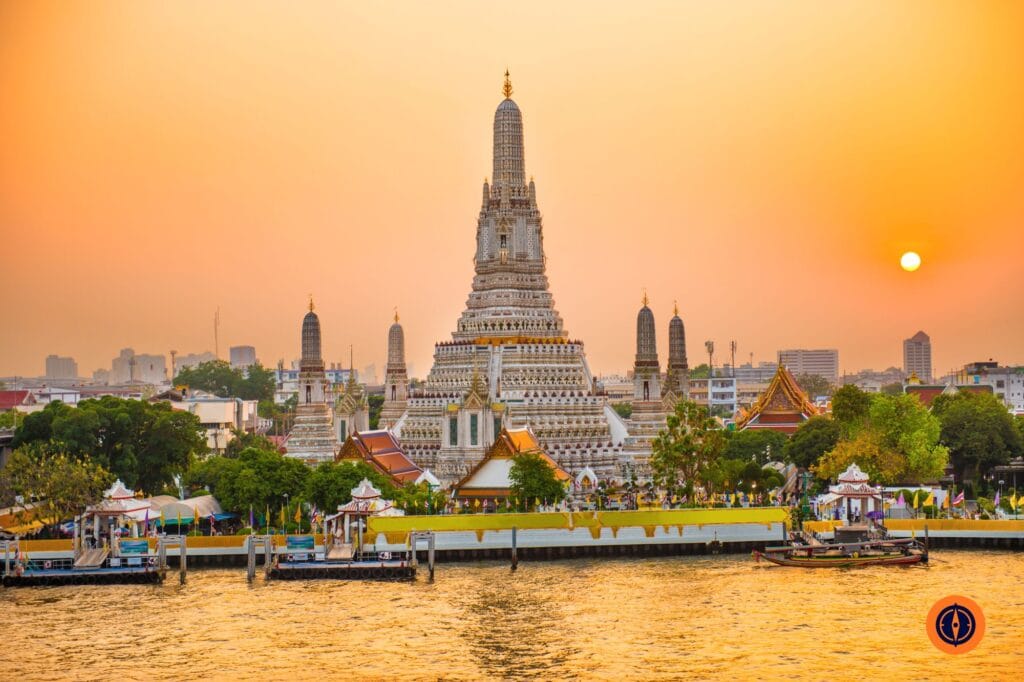
Bangkok
Bangkok is typically the primary international entry point into Thailand.
It offers:
- Two major airports
- Extensive public transportation (BTS Skytrain and MRT subway)
- Wide accommodation range
- Accessible English signage in central areas
Bangkok provides exposure to Thai culture, street food, temples, and city exploration. However, traffic congestion and large-scale urban activity may feel overwhelming for some beginners. Staying near public transport lines improves navigation.
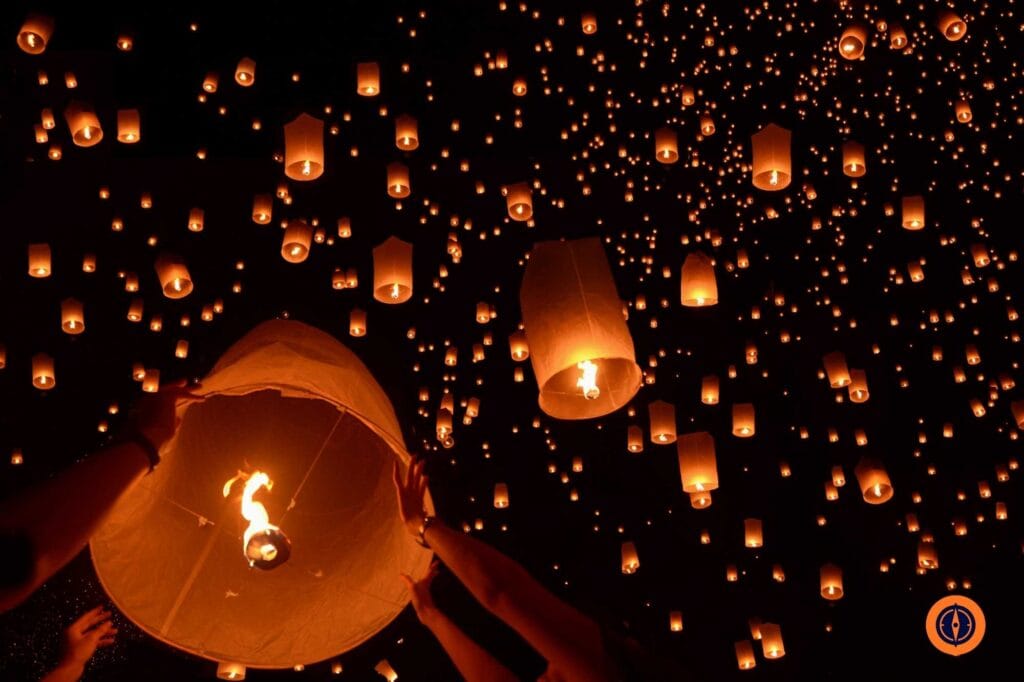
Chiang Mai
Located in northern Thailand, Chiang Mai is often considered more manageable than Bangkok.
It offers:
- Walkable Old Town area
- Lower daily costs
- Relaxed pace
- Access to cultural sites and nature excursions
Chiang Mai is frequently researched by solo travelers who prefer slower-paced exploration.
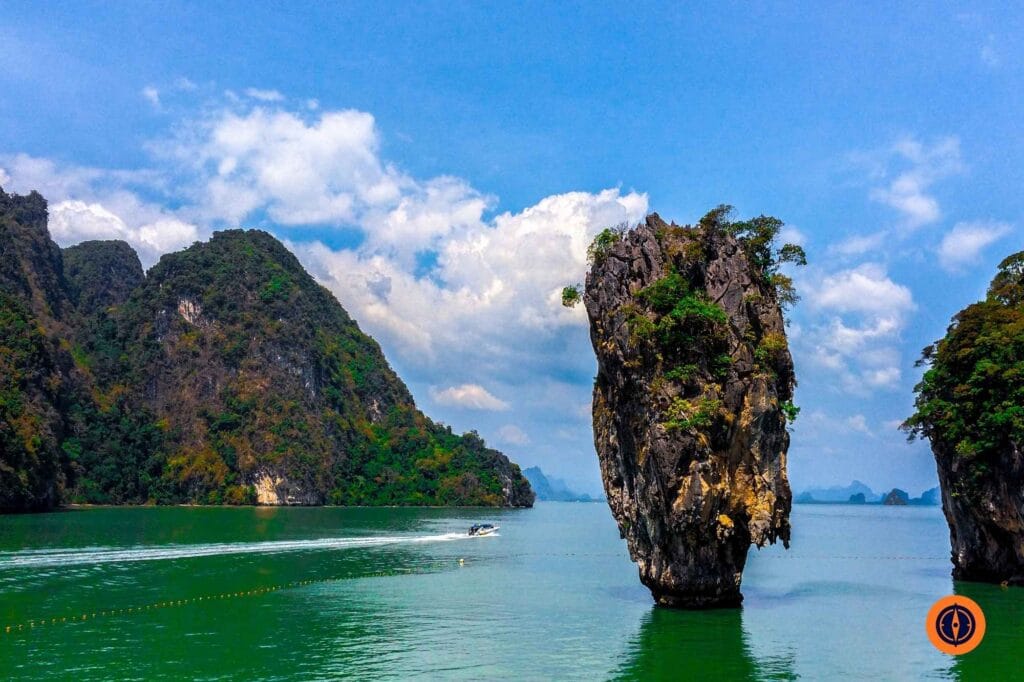
Phuket
Phuket is a southern island destination known for beaches and resort-style travel.
It offers:
- International airport access
- Island-based accommodation options
- Beach-focused activities
- Established tourism services
Transportation on the island often relies on taxis or ride-hailing services rather than extensive public transport.
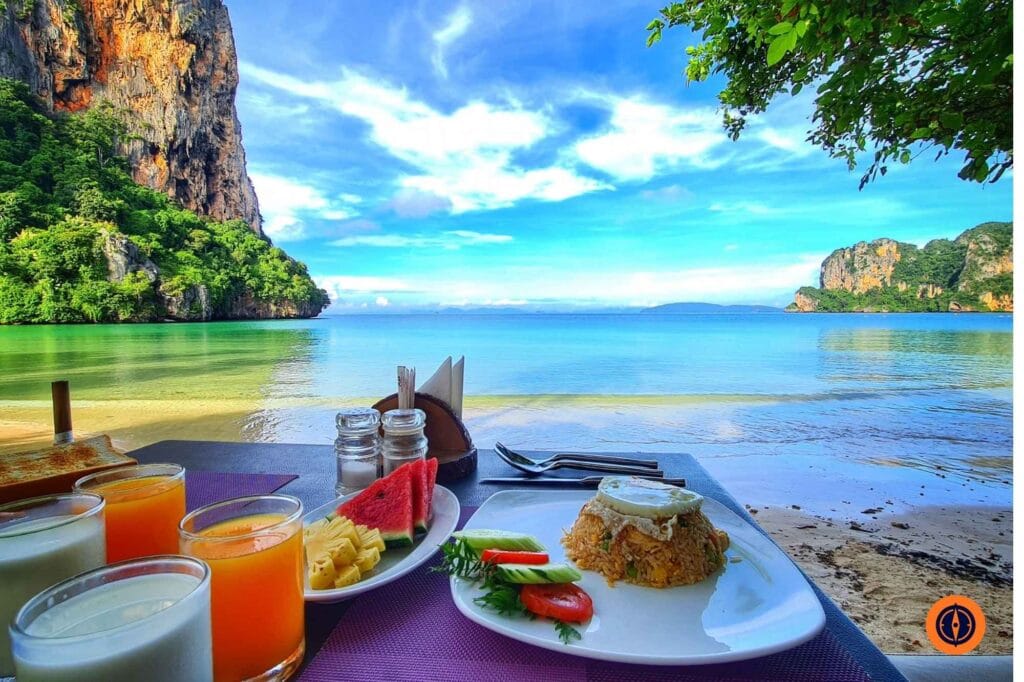
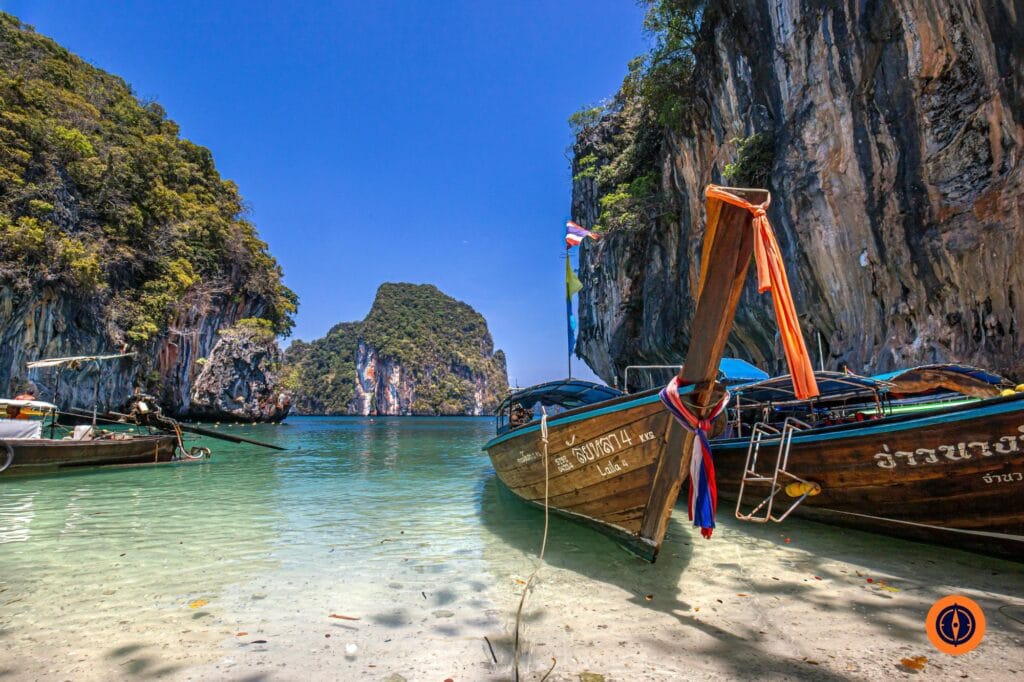
Krabi
Krabi is another southern destination known for coastal scenery.
It offers:
- Access to nearby islands
- Relaxed environment
- Mid-range accommodation options
It is often selected by travelers seeking a quieter alternative to larger urban centers.

Pai
Pai is a smaller northern town accessed via Chiang Mai.
It offers:
- Scenic mountain environment
- Backpacker-focused hostels
- Compact town layout
However, transportation to Pai involves winding mountain roads, which may not be ideal for all beginners.
For a first solo trip to Thailand, combining Bangkok with either Chiang Mai or a southern coastal destination is common. Selecting locations that match your travel style and comfort level improves overall experience.
If you are deciding where to go, this guide to the best cities in Thailand for solo travelers compares popular destinations and travel styles.
Budget Expectations in Thailand
Thailand is often described as affordable, but daily costs vary depending on travel style, city selection, and accommodation standards. Setting realistic expectations prevents overspending and improves overall trip planning.
Before planning your itinerary, it is helpful to understand typical travel expenses. This Thailand solo travel budget guide breaks down accommodation, food, and transportation costs.
| Travel Style | Estimated Daily Budget |
| Budget | $25-$50 |
| Mid-range | $50-$120 |
Below is a general overview of common expenses.
Accommodation
Prices vary by location and season.
- Hostel dorm bed: approximately $8-$20 per night
- Budget hotel: approximately $20-$50 per night
- Mid-range hotel: approximately $50-$120 per night
Bangkok and popular island destinations may have higher prices during peak seasons.
Food
Thailand offers flexible dining options.
- Street food meal: $2-$5
- Local restaurant meal: $5-$12
- Western restaurant meal: $10-$20
Daily food costs depend heavily on dining choices and frequency.
Transportation
Transportation costs depend on distance and method.
- BTS/MRT in Bangkok: low single-digit fares
- Grab or taxi within city: moderate cost depending on distance
- Domestic flight: varies by season
- Overnight train or bus: budget-friendly alternative
Planning intercity travel in advance may reduce costs.
Activities and Tours
Optional activities may include:
- Temple entrance fees
- Island tours
- Cooking classes
- National park access
Costs vary widely depending on type of activity.
Estimated Daily Budget Range
- Budget traveler: $25-$50 per day
- Mid-range traveler: $50-$120 per day
These ranges exclude international flights.
If you need a detailed budgeting framework, review a structured solo travel budget guide before finalizing your trip plan.
Safety Considerations in Thailand
Thailand is generally considered a manageable destination for solo travelers, particularly in major cities and established tourist areas. However, practical preparation remains important.
For a detailed breakdown of risks, transportation awareness, and common tourist scenarios, read the complete Thailand safety guide before your trip.
General Safety
In popular areas such as Bangkok, Chiang Mai, and Phuket:
- Tourist infrastructure is visible
- Emergency services are accessible
- Accommodation standards are regulated in major districts
Petty theft can occur in crowded areas, as in any major city. Keeping valuables secure and remaining aware of surroundings reduces risk.
Transportation Awareness
When using taxis or ride-hailing services:
- Use registered taxis or official ride-hailing apps
- Avoid unlicensed drivers
- Confirm route direction using navigation apps
For motorbike rentals, ensure proper licensing and safety precautions. Traffic accidents are a known risk in Thailand, particularly involving motorbikes.
Health and Medical Access
Major cities provide:
- International-standard hospitals
- English-speaking medical staff in private facilities
- Travel insurance is strongly recommended before departure.
Always verify official travel advisories through your country’s government website before traveling.
Common Tourist Scenarios
Some visitors report:
- Overpriced transport in tourist-heavy zones
- Unofficial tour operators
- Informal pricing without meters
These are typically manageable with awareness and research.
If you want a structured pre-departure safety framework, review a practical solo travel safety guide before confirming your plans.
Transportation in Thailand
Thailand offers multiple transportation options that support independent travel. Understanding how these systems work before arrival can reduce uncertainty and improve efficiency.
International Arrival
Most travelers enter Thailand through:
- Bangkok Suvarnabhumi Airport (BKK)
- Bangkok Don Mueang Airport (DMK)
- Phuket International Airport (HKT)
- Chiang Mai International Airport (CNX)
Bangkok’s Suvarnabhumi Airport connects directly to the city via Airport Rail Link, taxis, and ride-hailing services.
Public Transportation in Major Cities
Bangkok provides the most developed public transport network in the country:
- BTS Skytrain
- MRT Subway
- Airport Rail Link
These systems are clearly marked and relatively easy to navigate.
In other cities such as Chiang Mai and Phuket, public transportation is more limited. Ride-hailing services and local taxis are commonly used.
Intercity Travel
Traveling between cities can be done through:
- Domestic flights (fastest option)
- Overnight trains
- Long-distance buses
Flights are often affordable when booked in advance. Trains and buses provide lower-cost alternatives and may offer overnight routes.
Ride-Hailing and Local Transport
In urban areas, ride-hailing apps such as Grab are commonly used. They provide transparent pricing and route tracking.
In some areas, local transport may include:
- Songthaews (shared taxis)
- Tuk-tuks
- Motorbike taxis
Understanding typical fare ranges in advance can help avoid confusion.
Thailand’s transportation systems are generally manageable for beginners when planned ahead. Selecting accommodation near major transit routes improves daily convenience.
Travelers visiting Thailand for the first time may prefer a structured route. This 7-day Thailand solo travel itinerary outlines a beginner-friendly travel plan.
Accommodation Types in Thailand
Thailand offers a wide range of accommodation options suitable for different budgets and comfort levels. Choosing the right type depends on your travel style, privacy preferences, and budget expectations.
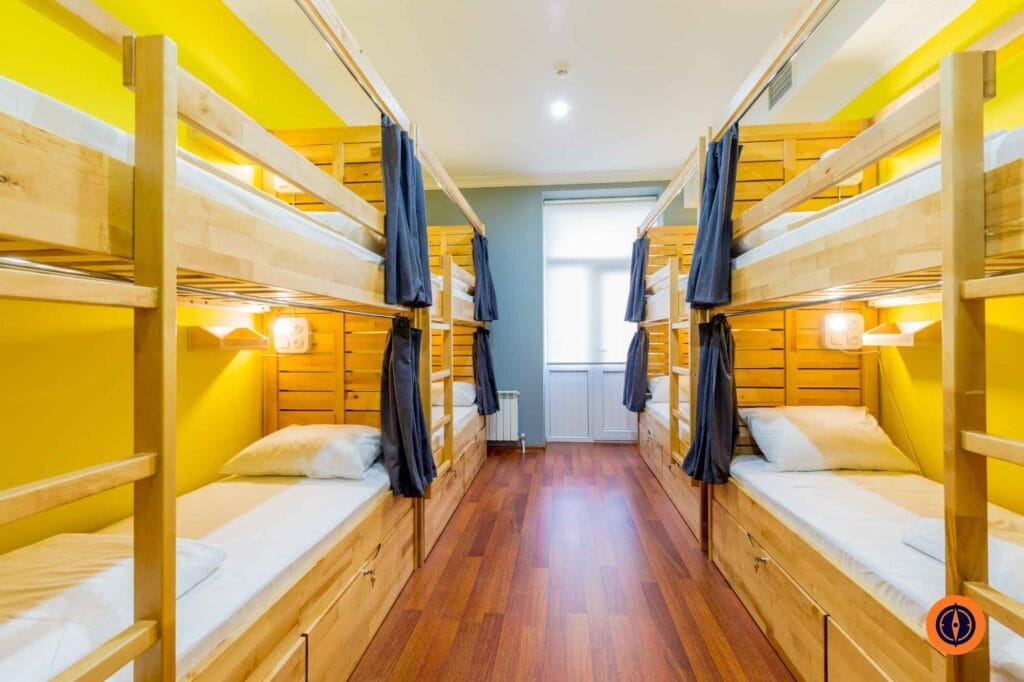
Hostels
Hostels are widely available in major cities and tourist destinations.
They typically offer:
- Dormitory-style rooms
- Private rooms in some locations
- Social common areas
- Organized tours or activities
Hostels can be a practical choice for solo travelers who want social interaction and lower nightly costs. However, noise levels and shared facilities may not suit everyone.
Budget Hotels and Guesthouses
Budget hotels and guesthouses provide:
- Private rooms
- Air conditioning
- En-suite bathrooms in most cases
- Moderate pricing
This option is often preferred by solo travelers seeking privacy while maintaining affordability.
Mid-Range and Boutique Hotels
Mid-range hotels offer:
- Higher comfort standards
- Reliable customer service
- Better location access
- Additional amenities such as pools or breakfast
These are common in Bangkok, Chiang Mai, and major island destinations.
Resort-Style Accommodation
In coastal areas such as Phuket or Krabi, resort-style properties are widely available. These may include:
- Beachfront access
- Private facilities
- Higher nightly rates
They are suitable for travelers seeking relaxation-focused experiences.
When choosing accommodation, consider:
- Proximity to public transportation
- Verified reviews on reputable booking platforms
- Neighborhood safety
- Cancellation policies
Selecting centrally located accommodation near transit systems reduces daily travel friction.
If you are unsure how to prepare for accommodation planning, review a step-by-step solo travel planning guide before booking.
Visa Requirements for Thailand
Visa requirements for Thailand depend on your nationality and the length of your stay. For many travelers, Thailand offers relatively straightforward entry procedures, which makes it appealing for first-time solo trips.
Visa-Free Entry
Citizens of many countries are allowed visa-free entry for short stays. The permitted duration varies by nationality and may change over time.
Typically, travelers must:
- Hold a passport valid for at least 6 months
- Provide proof of onward travel
- Show evidence of sufficient funds if requested
Always verify the exact entry rules based on your passport before departure.
Packing appropriately for Thailand’s tropical climate can improve your travel experience. This Thailand packing list for solo travelers outlines essential items to bring.
Visa on Arrival and eVisa
Some nationalities may qualify for:
- Visa on arrival
- Electronic visa application (eVisa)
- These processes usually require:
- Passport-sized photographs
- Application forms
- Payment of applicable fees
Processing times and requirements vary.
Overstay and Extensions
Overstaying a visa in Thailand may result in fines or entry restrictions. If you plan to stay longer, research extension procedures through official immigration channels.
Important Reminder
Entry policies can change. Always confirm information directly through:
- Thailand’s official immigration website
- Your country’s foreign affairs or travel advisory website
Verifying official sources before booking flights reduces administrative stress.
7-Day Thailand Solo Trip Sample Outline
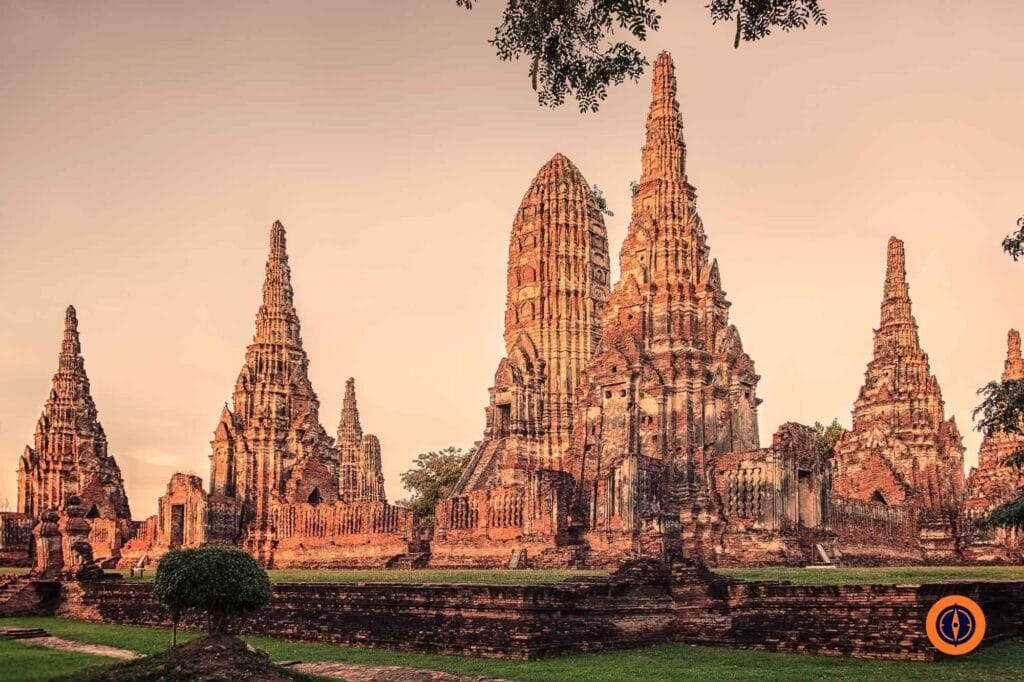
For a first solo trip to Thailand, a balanced 7-day structure can provide exposure to both urban culture and regional contrast without excessive transit time.
Below is a sample outline combining Bangkok and Chiang Mai. This structure prioritizes manageable logistics.
Day 1–3: Bangkok
Focus areas:
- Grand Palace and Wat Pho
- BTS Skytrain exploration
- Local markets
- Street food districts
- Chao Phraya River boat transport
Staying near a BTS or MRT station simplifies movement.
Day 4: Travel to Chiang Mai
Options:
- Domestic flight (fastest)
- Overnight train (budget-friendly alternative)
Plan arrival during daylight hours if possible.
Day 5–6: Chiang Mai
Focus areas:
- Old Town temples
- Local markets
- Cooking classes
- Day trips to nearby nature areas
Chiang Mai’s compact layout makes navigation easier for beginners.
Day 7: Return to Bangkok or Depart
Depending on flight schedules:
- Return to Bangkok via flight
- Depart directly from Chiang Mai International Airport
Keeping the itinerary limited to two primary locations reduces travel fatigue.
This outline is only a starting point. A detailed daily breakdown should consider pace, interests, and transportation timing.
Who Thailand Is Ideal For
Thailand is not a universal fit for every traveler, but it aligns well with certain travel preferences and experience levels.
Thailand may be suitable for:
1. First-Time International Solo Travelers
- Strong tourism infrastructure
- Accessible transportation in major cities
- Wide accommodation availability
- Established travel routes
The presence of visible tourism support systems reduces uncertainty for beginners.
2. Budget-Conscious Travelers
- Flexible accommodation pricing
- Affordable street food
- Cost-effective domestic transportation
Thailand allows travelers to control spending without sacrificing core experiences.
3. Travelers Seeking Cultural Variety
Within one country, travelers can experience:
- Urban city environments
- Mountain regions
- Coastal and island settings
- Temple and historical sites
This variety makes it possible to structure a diverse itinerary without crossing multiple borders.
4. Travelers Comfortable With Warm Climate
Thailand has a tropical climate in most regions. High temperatures and humidity are common, particularly in urban areas.
Travelers sensitive to heat should plan accordingly.
Thailand is often selected by travelers who prefer manageable complexity, clear tourism systems, and flexible budgeting options.
Who May Find Thailand More Challenging
While Thailand is often considered beginner-friendly, certain aspects may feel challenging depending on personal preferences and expectations.
Thailand may feel more complex for:
1. Travelers Seeking Extremely Quiet Environments
Major cities such as Bangkok are densely populated and fast-paced. Traffic congestion and urban noise may feel overwhelming for those who prefer slower, quieter settings.
2. Travelers Uncomfortable With Heat and Humidity
Thailand’s tropical climate includes high temperatures and humidity for much of the year. Outdoor activities during midday may be physically demanding.
Planning activities during cooler morning or evening hours can help manage this.
3. Travelers Avoiding Informal Transport Systems
In some regions, transportation options may include tuk-tuks, shared taxis (songthaews), or motorbike taxis. While manageable, these systems may feel less structured compared to metro-based cities.
4. Travelers Planning Extensive Rural Exploration
Remote areas and small islands may require additional planning, including limited public transportation or longer transfer times.
For a first solo trip, staying within well-connected urban and tourist-supported regions reduces complexity.
Understanding both the advantages and potential challenges allows you to determine whether Thailand aligns with your expectations and comfort level.
Closing
Thailand offers a combination of affordability, infrastructure, and cultural variety that makes it a practical starting point for many first-time solo travelers. However, suitability depends on personal travel style, climate tolerance, and logistical preferences.
Evaluating Thailand using structured criteria—such as safety, budget compatibility, and transportation accessibility—ensures that your decision is based on preparation rather than popularity.
If you are still building your overall solo travel framework, review a step-by-step planning guide before finalizing your itinerary.
Disclosure: This post may contain affiliate links.




Compare prices across top platforms in seconds.