Is Vietnam Safe for
Solo Travelers?
Introduction
Vietnam is frequently considered a manageable destination for independent travelers. However, first-time visitors often question whether Vietnam is safe for solo travelers, particularly due to its traffic patterns, transportation logistics, and urban density.
While violent crime targeting tourists is uncommon, understanding local conditions, road safety, and common travel scenarios is essential for planning confidently.
This guide outlines realistic safety considerations, including petty theft, traffic awareness, regional differences, and transport precautions for solo travelers visiting Vietnam.
Before traveling, it is also helpful to review the complete Vietnam solo travel guide, which explains transportation, destinations, and trip preparation.
General Safety Overview
Vietnam is generally considered safe for solo travelers, particularly in major cities and established tourist destinations. Violent crime against visitors is rare, and tourism infrastructure continues to expand in popular areas.
Most safety concerns relate to:
Traffic conditions
- Petty theft in crowded areas
- Overcharging or minor tourist scams
- Transportation reliability
With basic situational awareness, Vietnam remains manageable for independent travel.
Safety in Major Cities
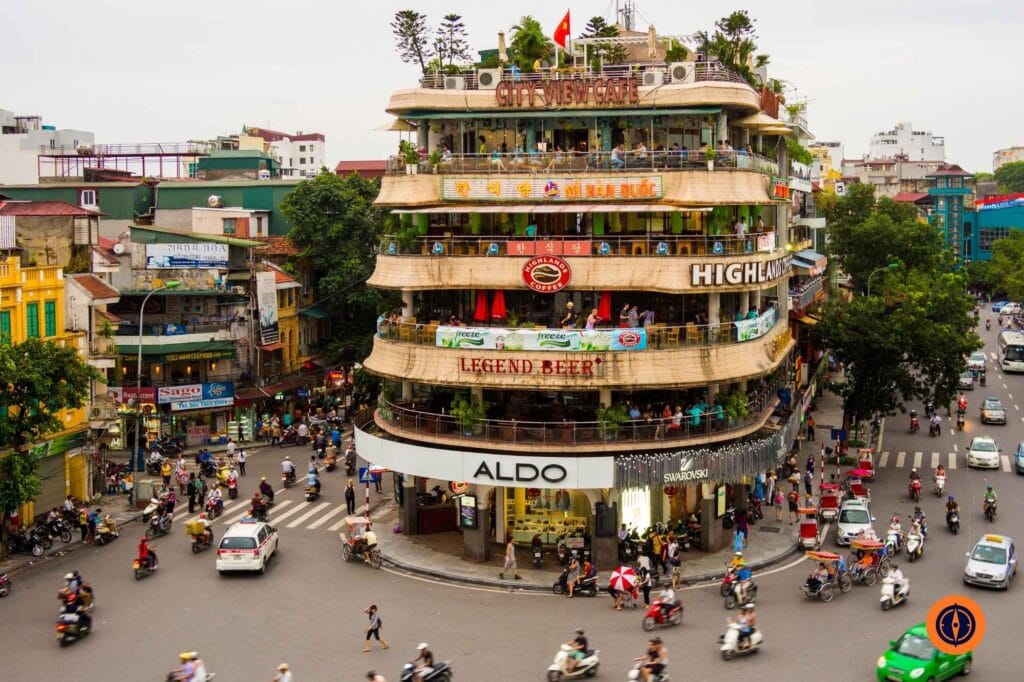
In cities such as Hanoi and Ho Chi Minh City:
- Hostels and hotels are accustomed to solo travelers
- Tour booking services are widely available
- Ride-hailing applications operate reliably
Urban environments may feel busy, but they are not typically dangerous.
Rural and Tourist Regions
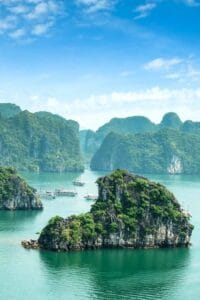
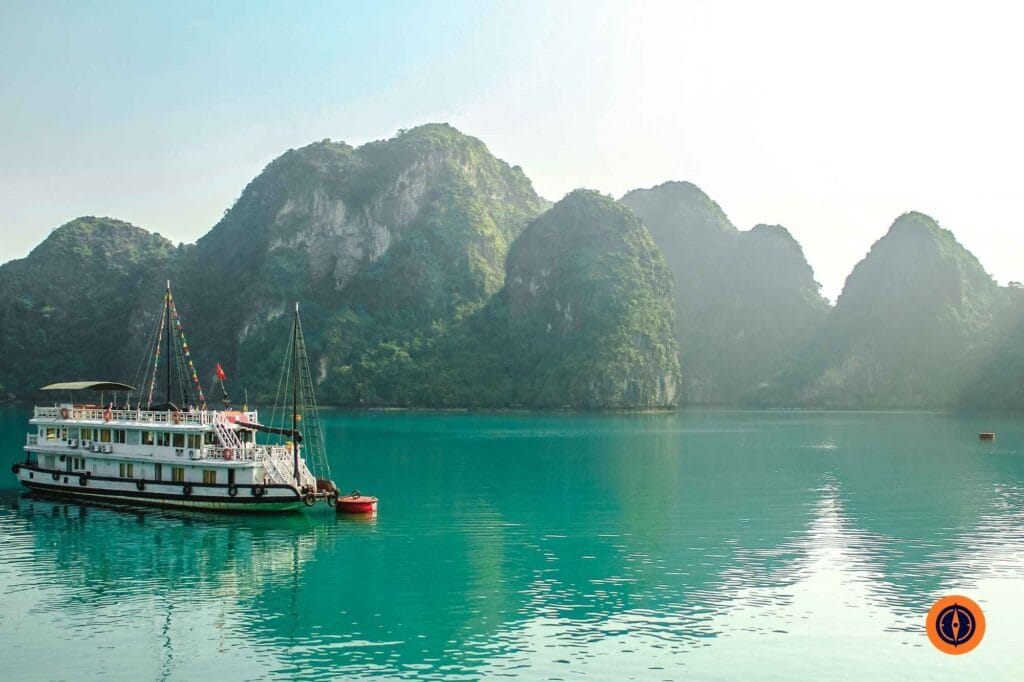
In places such as Hoi An, Ha Long Bay, and Sapa:
- Tourism is well established
- Organized tours reduce navigation risks
- Accommodation providers assist with transport arrangements
These areas are commonly visited by independent travelers.
Vietnam’s overall safety profile supports solo travel, provided transportation awareness is prioritized.
For broader safety advice that applies to all destinations, you can also review our solo travel safety guide.
Traffic and Road Safety in Vietnam
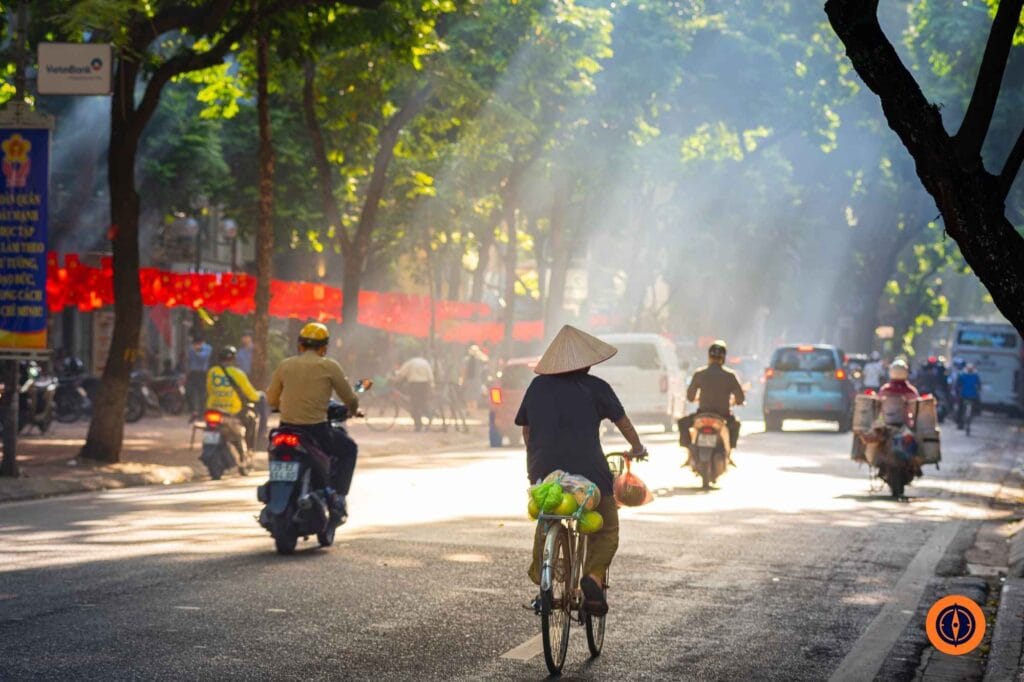
Traffic conditions are often the biggest adjustment for first-time visitors. Major cities such as Hanoi and Ho Chi Minh City have high motorbike density, and traffic flow may appear unstructured compared to Western cities.
Understanding local patterns reduces stress and improves safety.
Crossing the Street
Pedestrian crossings exist but are not always strictly followed.
When crossing:
- Walk at a steady, predictable pace
- Avoid sudden stops or backward steps
- Make gradual eye contact with approaching drivers
- Stay calm and consistent
Motorbikes typically adjust their path around pedestrians who move steadily.
Motorbike Rentals
Motorbike rental is common among travelers, especially outside major cities. However, it is not mandatory for visiting Vietnam.
Before renting:
- Confirm you have appropriate licensing
- Wear a helmet at all times
- Assess your comfort level with dense traffic
Travelers without prior riding experience should reconsider renting in major cities.
Long-Distance Transport Safety
Sleeper buses and trains are widely used for intercity travel.
To improve safety:
- Book through reputable operators
- Confirm departure times and ticket details
- Keep valuables secured during overnight transport
- Flights are the safest and fastest option when budget allows.
Traffic awareness is often the primary adjustment required in Vietnam, but it becomes manageable with preparation and calm movement.
Petty Theft and Personal Security
Petty theft is the most common safety concern for solo travelers in Vietnam. Incidents are generally opportunistic rather than violent.
Staying alert in crowded environments significantly reduces risk.
Common Situations
Petty theft may occur in:
- Busy markets
- Night districts
- Public transportation
- Tourist-heavy streets
Phone snatching from passing motorbikes has been reported in major cities.
Practical Prevention Measures
To reduce risk:
- Avoid using your phone near busy roads
- Use crossbody or anti-theft bags if preferred
- Keep valuables secured inside zippered compartments
- Avoid displaying large amounts of cash
Most issues can be avoided through simple awareness rather than defensive behavior.
Understanding typical travel costs can also help avoid scams. This Vietnam solo travel budget guide explains realistic expenses for accommodation, food, and transportation.
Accommodation Safety
In hostels and guesthouses:
- Use provided lockers
- Lock luggage when leaving room
- Store passport securely
Established accommodations in tourist areas are generally accustomed to independent travelers.
Vietnam’s personal security risk level remains moderate and manageable with basic precautions.
Scams and Tourist Awareness
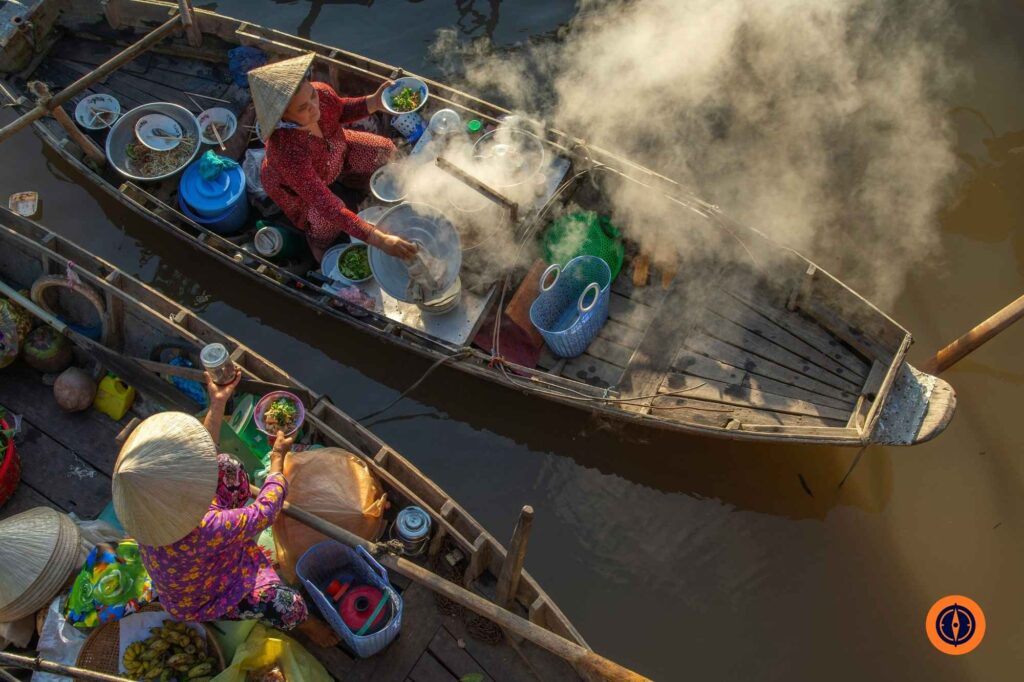
Like many popular destinations, Vietnam has minor tourist-related scams. These are usually low-impact and involve overcharging rather than serious safety threats.
Being informed in advance helps prevent inconvenience.
Overcharging and Price Inflation
In markets or informal services:
- Prices may initially be quoted higher to tourists
- Bargaining may be expected in certain markets
- Taxi meters should be monitored when not using ride-hailing apps
Using ride-hailing applications reduces pricing uncertainty in major cities.
Unofficial Tour Operators
When booking tours:
- Use well-reviewed operators
- Confirm itinerary details before payment
- Avoid handing over passports unnecessarily
Reputable agencies are common in established tourist districts.
Currency Confusion
Vietnamese Dong has large numerical denominations, which may cause confusion.
To avoid mistakes:
- Double-check change before leaving counters
- Familiarize yourself with currency notes
- Use card payments when appropriate
Transportation Miscommunication
Confirm:
- Departure times
- Seat type (sleeper vs standard)
- Arrival location
Clear communication reduces misunderstandings during long-distance travel.
Most scams in Vietnam are minor and avoidable through preparation and calm decision-making.
Regional Safety Differences
Safety conditions in Vietnam vary slightly by region, mainly due to traffic density and tourism concentration rather than crime levels.
Understanding regional differences helps solo travelers prepare appropriately.
Northern Vietnam
In cities such as Hanoi:
- Traffic density is high
- Streets can feel congested
- Tourist areas are well-monitored
Mountain regions such as Sapa are generally calm, though road conditions may vary during rainy seasons.
Weather-related disruptions can occasionally affect travel plans.
Central Vietnam
In Hoi An and Da Nang:
- The pace is slower
- Streets are more walkable
- Tourism infrastructure is well-developed
These areas are often considered beginner-friendly within Vietnam.
Southern Vietnam
Ho Chi Minh City has:
- Heavy traffic
- Dense urban environment
- Strong tourism presence
Petty theft awareness is slightly more important in crowded districts, though violent incidents remain uncommon.
Rural and Remote Areas
In less-developed regions:
- English usage may be limited
- Transportation options may be fewer
- Medical facilities may be more basic
Travelers venturing outside established routes should plan transportation and accommodation in advance.
Overall, Vietnam’s safety profile remains consistent across regions, with traffic awareness being the primary adjustment factor.
Travelers visiting Vietnam for the first time may benefit from following a structured route. This 10-day Vietnam solo travel itinerary outlines a practical travel plan.
Emergency Services and Practical Safety Tips
While Vietnam is generally manageable for solo travelers, understanding emergency procedures improves preparedness.
Emergency Numbers
In Vietnam, common emergency numbers include:
- Police: 113
- Fire: 114
- Ambulance: 115
Response times and English availability may vary depending on location.
For serious issues, contacting your country’s embassy or consulate may provide additional support.
Health and Medical Access
Major cities such as Hanoi and Ho Chi Minh City have:
- International clinics
- Private hospitals
- English-speaking medical staff in larger facilities
Travel insurance with medical coverage is strongly recommended.
General Practical Tips
To improve overall safety:
- Share your itinerary with a trusted contact
- Avoid isolated areas late at night
- Keep digital copies of important documents
- Use ride-hailing apps for predictable transport pricing
- Stay informed about seasonal weather conditions
Most safety concerns in Vietnam are manageable through preparation rather than avoidance.
Conclusion
Vietnam is generally safe for solo travelers, particularly in established tourist regions. While traffic conditions and transportation logistics require adjustment, violent crime against visitors remains uncommon.
With practical awareness, structured planning, and appropriate travel insurance, Vietnam can be navigated confidently by independent travelers.
If you are choosing destinations, this guide to the best cities in Vietnam for solo travelers compares several popular places.
Disclosure: This post may contain affiliate links.




Compare prices across top platforms in seconds.