Thailand Packing List for Solo Travelers
Climate & Practical Guide
Introduction
Packing for Thailand requires understanding its tropical climate, regional differences, and activity-based needs. Temperatures are generally warm throughout the year, but humidity levels and seasonal rainfall can influence clothing choices.
For solo travelers, packing efficiently improves mobility and reduces transportation stress, particularly when moving between cities or islands.
This Thailand packing list for solo travelers outlines essential clothing, documents, toiletries, electronics, and climate-specific items to help you prepare without overpacking.
Before preparing for your trip, it may also help to review the complete Thailand solo travel guide, which explains destinations, transportation, and travel preparation.
Climate Considerations in Thailand
Thailand has a tropical climate in most regions, with warm temperatures throughout the year. However, humidity levels, seasonal rainfall, and regional geography influence what you should pack.
General Climate Overview
- Daytime temperatures commonly range between 28–35°C (82–95°F)
- High humidity levels in urban and coastal areas
- Strong sun exposure throughout the year
Lightweight, breathable clothing is essential for comfort.
Rainy Season (Varies by Region)
Thailand experiences seasonal rainfall, typically between May and October in many areas. Coastal regions may have slightly different patterns.
During rainy periods:
- Short but heavy downpours are common
- Streets may flood temporarily
- Outdoor activities may be delayed
Packing quick-dry fabrics and a lightweight rain layer is recommended.
Northern Thailand (Chiang Mai, Pai)
Northern regions may experience slightly cooler temperatures in the evenings during the cooler season (roughly November to February).
If visiting northern Thailand during this period:
- A light long-sleeve layer may be useful
- Early mornings and evenings may feel cooler
Coastal and Island Regions
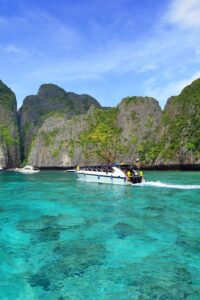
Coastal areas such as Phuket and Krabi maintain consistent warmth year-round. Sea conditions may vary depending on season.
Breathable fabrics, sun protection, and comfortable sandals are practical choices.
Understanding seasonal timing before departure helps prevent overpacking or under-preparing.
Essential Clothing for Thailand
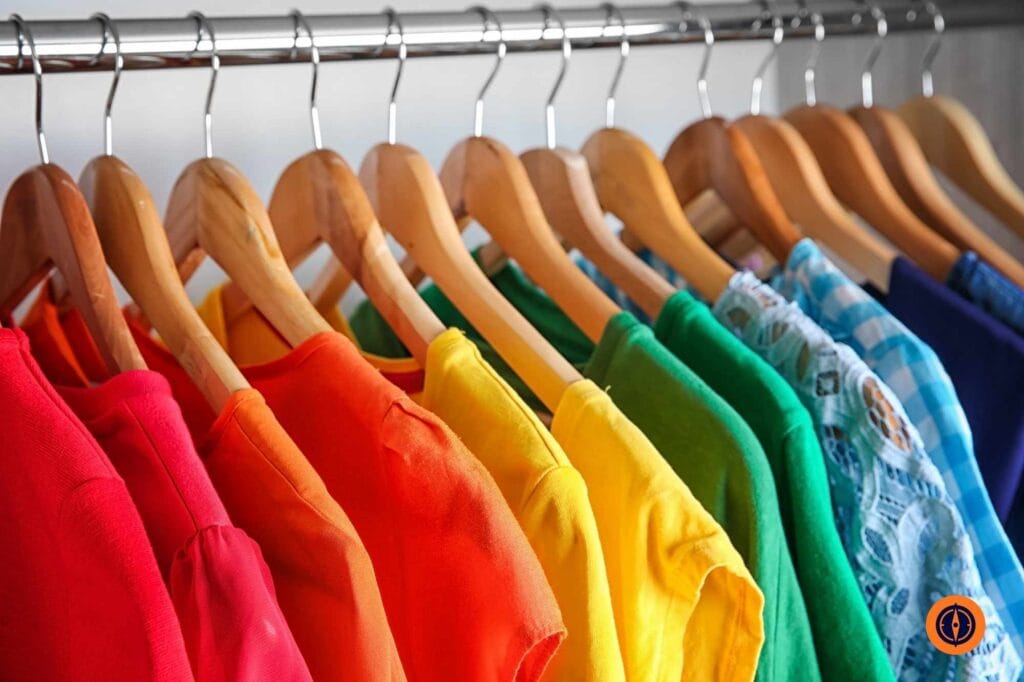
Clothing choices for Thailand should prioritize comfort, breathability, and mobility. Since most regions are warm and humid, lightweight fabrics are generally more suitable than heavy materials.
For solo travelers, packing versatile pieces reduces luggage weight and simplifies transit between destinations.
Everyday Clothing
Recommended items:
- 3–5 lightweight T-shirts or tops
- 2–3 pairs of breathable shorts or lightweight trousers
- 1–2 casual evening outfits
- 1 pair of comfortable walking shoes
- 1 pair of sandals or flip-flops
Quick-dry fabrics are useful if you plan to hand-wash clothing during longer stays.
Temple-Appropriate Clothing
When visiting temples in Thailand, modest dress is required.
Pack:
- At least one pair of long trousers or a long skirt
- A shirt that covers shoulders
- A lightweight scarf or shawl for flexibility
Carrying one modest outfit avoids last-minute purchases near attractions.
Swimwear and Beachwear
If visiting coastal destinations:
- 1–2 swimsuits
- Lightweight cover-up
- Compact beach towel (optional)
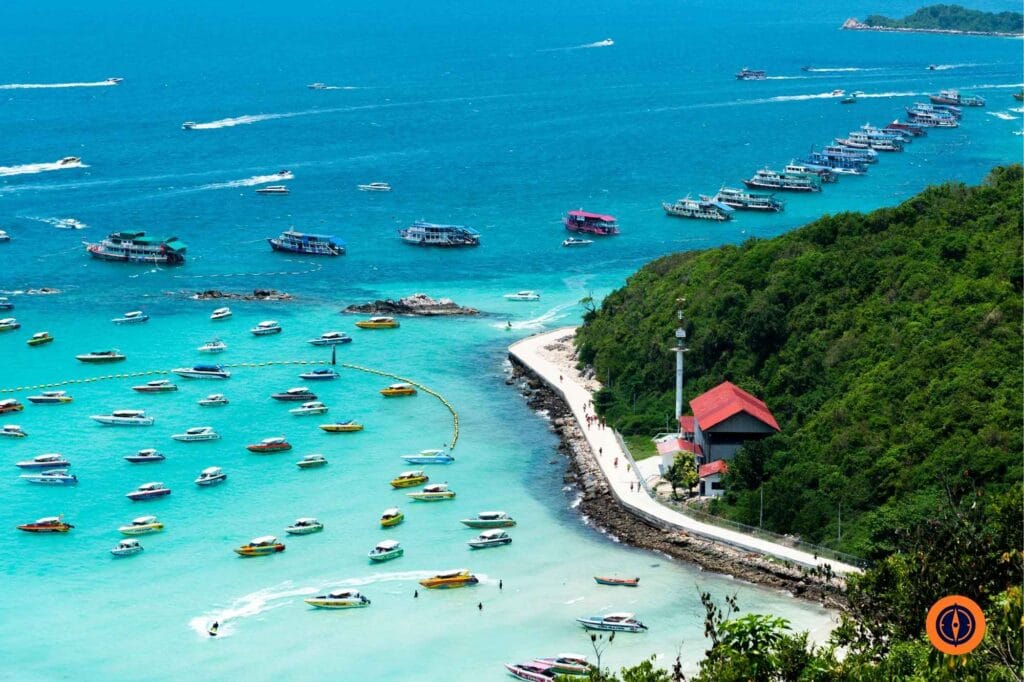
Island destinations often involve boat transfers, so quick-drying clothing is practical.
Light Layer
Although Thailand is warm, air conditioning in malls, airports, and transportation can feel cool.
Pack:
- 1 lightweight jacket or cardigan
In northern Thailand during cooler months, this layer may also be useful in the evenings.
Packing balanced clothing options prevents discomfort while keeping luggage manageable.
Packing efficiently can also reduce travel expenses. Our Thailand solo travel budget guide explains typical daily costs and budgeting tips.
Toiletries and Health Essentials
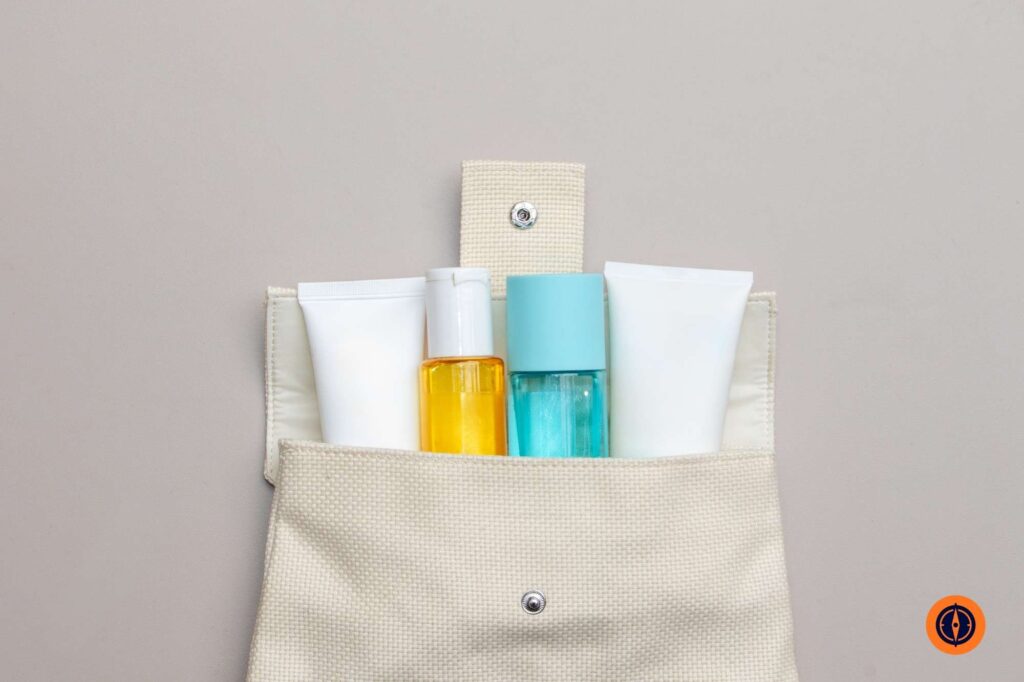
Most basic toiletries are available in Thailand, especially in major cities and tourist areas. However, carrying essential personal items ensures comfort upon arrival and during transit.
Basic Toiletries
Recommended items:
- Travel-size shampoo and body wash
- Toothbrush and toothpaste
- Deodorant
- Razor or grooming items
- Compact microfiber towel (if staying in hostels)
Travel-sized containers reduce luggage weight and simplify airport security checks.
Sun Protection
Thailand’s strong sunlight makes sun protection important.
Pack:
- Sunscreen (SPF 30 or higher)
- Sunglasses
- Hat or cap
Sunscreen can be more expensive in tourist-heavy areas, so bringing a small supply may reduce costs.
Insect Protection
In some regions, especially rural or coastal areas:
- Mosquito repellent is recommended
- Lightweight long sleeves may help during evening hours
This is particularly useful if visiting nature areas or staying near water.
Basic Medication
Carry a small personal kit including:
- Pain relievers
- Motion sickness tablets (if sensitive to boat travel)
- Any prescription medication
- Oral rehydration salts
Pharmacies are widely available in cities, but bringing essential medication avoids delays.
Packing essential health items reduces inconvenience and allows quicker response to minor issues.
Electronics and Travel Documents
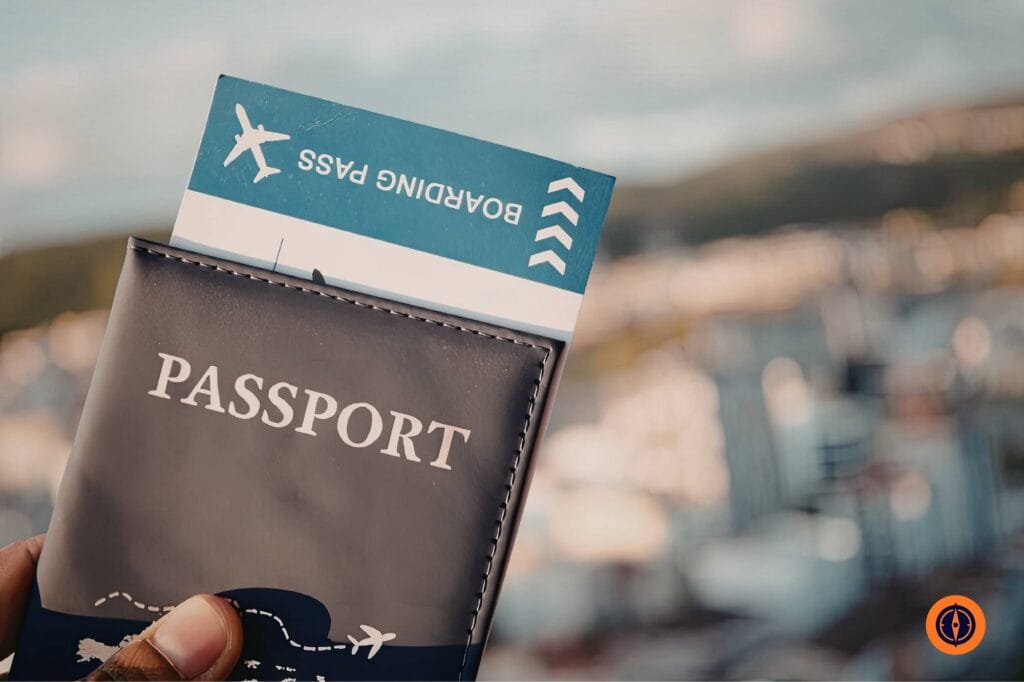
Organizing electronics and essential documents properly reduces stress during airport transfers and accommodation check-ins. Solo travelers benefit from keeping important items easily accessible.
Essential Travel Documents
Carry both digital and physical copies of:
- Passport (valid for at least 6 months)
- Return or onward flight confirmation
- Accommodation booking confirmations
- Travel insurance policy details
- Visa documentation (if required)
Store digital copies in secure cloud storage and offline on your device.
Electronics
Recommended items:
- Smartphone with offline maps downloaded
- Charging cable
- Power bank
- Universal travel adapter (Thailand uses Type A, B, and C plugs)
- Lightweight laptop or tablet (optional)
Power outlets are widely available in accommodation and cafés, but carrying a compact extension adapter may be useful.
Connectivity
Options for internet access:
- Local SIM card (widely available at airports)
- eSIM (if compatible with your device)
Reliable mobile data simplifies navigation, ride-hailing services, and emergency communication.
Keeping electronics organized in a small tech pouch prevents damage and improves efficiency during transit.
Optional but Useful Items for Thailand
While not essential for every traveler, certain items can improve comfort depending on your itinerary and travel style.
Lightweight Daypack
A small daypack is useful for:
- Temple visits
- Day trips
- Carrying water and sunscreen
- Storing camera or electronics
Choose a lightweight and compact design to avoid unnecessary bulk.
Reusable Water Bottle
Staying hydrated is important in Thailand’s warm climate.
- Many accommodations provide refill stations
- Reduces reliance on single-use plastic
If concerned about water quality, consider using bottled or filtered water as recommended locally.
Packing Cubes
Packing cubes help:
- Organize clothing
- Separate clean and used items
- Simplify repacking during multi-city trips
They are especially useful for solo travelers moving between Bangkok and island destinations.
If you are planning your route, this 7-day Thailand solo travel itinerary provides a beginner-friendly travel plan.
Quick-Dry Towel
Useful for:
- Beach visits
- Boat tours
- Hostels without towel service
Microfiber options dry quickly in humid environments.
Basic Laundry Kit
If traveling longer than one week:
- Travel detergent
- Sink stopper
- Lightweight clothesline
Hand-washing reduces the amount of clothing required.
Optional items should enhance convenience rather than increase luggage weight unnecessarily.
What Not to Pack for Thailand
Overpacking is one of the most common mistakes for first-time visitors. Thailand’s climate and accessibility reduce the need for heavy or excessive items.
- Heavy Clothing
- Avoid packing:
- Thick jackets
- Heavy sweaters
- Multiple pairs of jeans
Most regions remain warm year-round. Even in northern Thailand, a light layer is usually sufficient.
Excessive Toiletries
Large full-size bottles are unnecessary.
Basic toiletries are widely available in:
- Convenience stores
- Supermarkets
- Pharmacies
Carrying oversized items increases luggage weight without clear benefit.
Too Many Shoes
Limit footwear to:
- One comfortable walking shoe
- One sandal or lightweight alternative
Additional pairs add bulk and are rarely needed for a one-week itinerary.
Large Cash Amounts
Carrying excessive cash increases risk.
ATMs are widely available in urban and tourist areas. Using a combination of cash and card is generally sufficient.
Non-Climate-Appropriate Fabrics
Avoid:
- Heavy synthetic fabrics that trap heat
- Dark, thick materials unsuitable for humidity
Breathable fabrics such as cotton or moisture-wicking materials are more suitable.
Packing efficiently improves mobility, especially when transferring between Bangkok and coastal or northern destinations.
Travelers preparing for their first independent trip may also want to review this solo travel packing checklist, which outlines essential items for any destination.
Conclusion
Packing for Thailand should focus on lightweight clothing, climate adaptability, and essential travel documents. The goal is to remain mobile while maintaining comfort in warm and humid conditions.
Before departure, review your itinerary and confirm seasonal weather patterns. Adjust clothing quantities based on trip length and access to laundry services.
If you are deciding where to travel in Thailand, our guide to the best cities in Thailand for solo travelers compares popular destinations.
Disclosure: This post may contain affiliate links.



Compare prices across top platforms in seconds.