Best Destination for First Solo Trip
How to Choose the Right One
Introduction
Choosing the best destination for your first solo trip is not about finding the most exciting place on the internet. It is about choosing a place that matches your confidence, budget, travel style and ability to handle small problems on your own.
This matters because your first solo trip teaches you how you travel when no one else is making decisions with you. You learn how you respond to airports, unfamiliar transport, restaurant choices, hotel check-ins, wrong turns, tired evenings and unexpected delays. A destination with strong infrastructure will not remove every challenge, but it gives you more room to learn without feeling overwhelmed.
Many first-time solo travelers ask, “Where is the safest place to travel alone?” That is a reasonable question, but it is not the full question. Safety matters, but so do transport simplicity, accommodation quality, language support, budget fit, entry requirements, medical access and whether the destination actually interests you.
The best destination for your first solo trip is the place where you can build confidence instead of constantly recovering from avoidable stress.
If you are still at the broader planning stage, you may also want to read my guide on how to plan your first solo trip before committing to flights.
Quick Answer: What Is the Best Destination for a First Solo Trip?
For many first-time solo travelers, the best destination is a well-connected city or country with reliable public transport, clear tourist infrastructure, stable safety conditions, a wide range of accommodation, and enough activities to enjoy independently.
Japan is one of the strongest choices if you want culture, food, trains, city exploration and a route that can be planned clearly. Singapore is one of the easiest short-trip options if you want a clean, organized, English-friendly city introduction to solo travel. Taiwan can be excellent for food, friendly cities and manageable transport. Portugal, South Korea, Thailand, Australia and New Zealand can also work well depending on your budget, flight access and preferred travel style.
There is no universal winner. A destination that is perfect for one beginner may feel wrong for another. The better approach is to choose based on your personal friction points. If you worry about language, choose somewhere with easier communication. If you worry about budget, avoid destinations where accommodation will make you anxious. If you worry about getting lost, choose a city with strong public transport and simple airport transfers.
What Makes a Destination Beginner-Friendly?
A beginner-friendly destination is not necessarily the cheapest or the most famous. It is a place where ordinary travel decisions are easier to manage alone.
For a first solo trip, you want a destination where you can arrive without confusion, reach your accommodation safely, move around without needing private transport every day, find food without difficulty, access help if something goes wrong, and recover from small mistakes without the whole trip falling apart.
That last point is important. Every traveler makes small mistakes. You may take the wrong train, choose the wrong neighborhood, underestimate the weather, book an awkward arrival time or feel tired earlier than expected. In a good first solo destination, those mistakes are manageable. There is another train, another food option, another clear sign, another staffed hotel desk or another safe way back.
This is why major cities often work better than remote areas for a first solo trip. Remote travel can be beautiful, but it usually requires more planning confidence. For your first solo experience, the goal is not to prove how adventurous you are. The goal is to create a trip that helps you trust yourself.
Start With Safety, But Do Not Stop There
Safety should be part of your decision, but it should be evaluated carefully. No country is completely risk-free, and no ranking can tell you how every neighborhood, late-night street or travel situation will feel.
Start with official government travel advisories. The U.S. Department of State travel advisory system is one useful reference, and you should also check the advisory from your own country if available. These sources are not perfect, but they are helpful for understanding broad risks such as civil unrest, crime patterns, terrorism threats, natural disaster concerns, health alerts and entry issues.
You can also use wider safety indicators as context. The Institute for Economics and Peace publishes the Global Peace Index, which ranks 163 countries and territories using indicators across societal safety, conflict and militarization. This kind of index should not be your only source, but it gives a useful high-level comparison when you are narrowing destination choices.
After that, look at city-level information. A country may be generally safe, but your actual experience depends heavily on the city, neighborhood, hotel location, transport route and time of day. For solo travelers, safety is often less about the country name and more about the specific daily situations you create.
This is why I would rather stay in a slightly smaller room near a good station than choose a cheaper room far from the area I actually want to explore. Good location is a safety and energy decision, not just a comfort decision.
Match the Destination to Your Current Confidence Level
Before choosing a destination, be honest about what makes you nervous. Some travelers are comfortable navigating public transport but anxious about eating alone. Some are fine with language barriers but worried about scams. Others want social hostels, while some need quiet private rooms to feel grounded.
A good first solo destination should reduce your biggest worries, not amplify them.
If you are nervous about transport, choose somewhere with clear airport connections and strong public transit. If you are nervous about language, choose a place where English is commonly understood in tourist areas or where signage is clear enough for visitors. If you are nervous about loneliness, choose a city with walking tours, food tours, hostels, classes or easy group activities. If you are nervous about overspending, choose a destination where your budget gives you breathing room instead of forcing constant compromise.
This is also why copying someone else’s “best destination” list can be misleading. A confident backpacker may recommend a destination because it is cheap and adventurous. A first-time solo traveler may need a place that is structured, predictable and easy to navigate. Neither person is wrong. They are simply optimizing for different things.
Budget Fit Matters More Than Cheapness
The best first solo trip destination is not always the cheapest. Cheap destinations can still become stressful if transport is complicated, accommodation quality is inconsistent or you feel pressured to make decisions without enough information.
What matters is budget fit. Your destination should allow you to stay in a safe, practical area, eat comfortably, use reliable transport and keep an emergency buffer without feeling anxious every day.
For example, Japan is not the cheapest destination in Asia, but it can be manageable because public transport is reliable, budget hotels can be efficient, convenience stores are useful, and daily planning can be organized. Singapore is more expensive, but its simplicity can make it a good short first solo trip if your budget allows it. Thailand can be very budget-friendly, but beginners should still choose the route carefully rather than trying to improvise remote transfers immediately.
For a first solo trip, I would rather choose a destination where I can afford a good location than a destination where I can only afford the cheapest and most inconvenient option. Your accommodation base shapes how safe, relaxed and independent you feel every day.
If you need help estimating costs before choosing a country, read my guide on how to budget for your first solo trip.
Transport Can Make or Break the First Trip
Transport is one of the biggest confidence factors for solo travelers. When transport is clear, you feel independent. When transport is confusing, every day can feel heavier than it should.
For a beginner-friendly destination, look for simple airport access, reliable city transport, clear maps, reasonable taxi or ride-hailing backups, and accommodation near useful stations. You do not need every sign to be in English, but you need enough information to move around without constantly feeling lost.
Japan is a good example of a destination that can look intimidating before arrival but become manageable with the right plan. The train networks are extensive, but they are also highly organized. IC cards make daily movement easier, and major stations have increasing English support. The challenge is not whether Japan has good transport. It is whether your route is realistic.
This is why I prefer route planning over random city collecting. A first solo trip should have fewer transfers, stronger bases and more margin between activities. You want the route to support you, not test you every morning.
Language and Communication Should Be Practical, Not Perfect
You do not need to speak the local language fluently to travel alone, but you should understand how communication will work in everyday situations.
Ask yourself: Can I check into hotels easily? Can I understand basic transport signs? Can I order food without too much stress? Can I use translation apps reliably? Can I show my hotel address in the local language if needed?
In some destinations, English is widely spoken in tourist areas. In others, English may be limited, but the systems are organized enough that you can manage with preparation. Japan is a good example. Language barriers exist, but major cities are structured, transport information is accessible, and translation tools help a lot.
A simple preparation habit can reduce stress: save your accommodation address in the local language, download offline maps, install a translation app, and learn a few basic phrases. This does not make you fluent, but it makes you less dependent on panic.
Best Destinations to Consider for a First Solo Trip
The destinations below are not ranked as a universal “best in the world” list. They are practical starting points for different types of first-time solo travelers. Your best choice depends on what you want your first trip to feel like.
Japan: Best for Organized First-Time Travelers Who Want Culture, Food and Trains
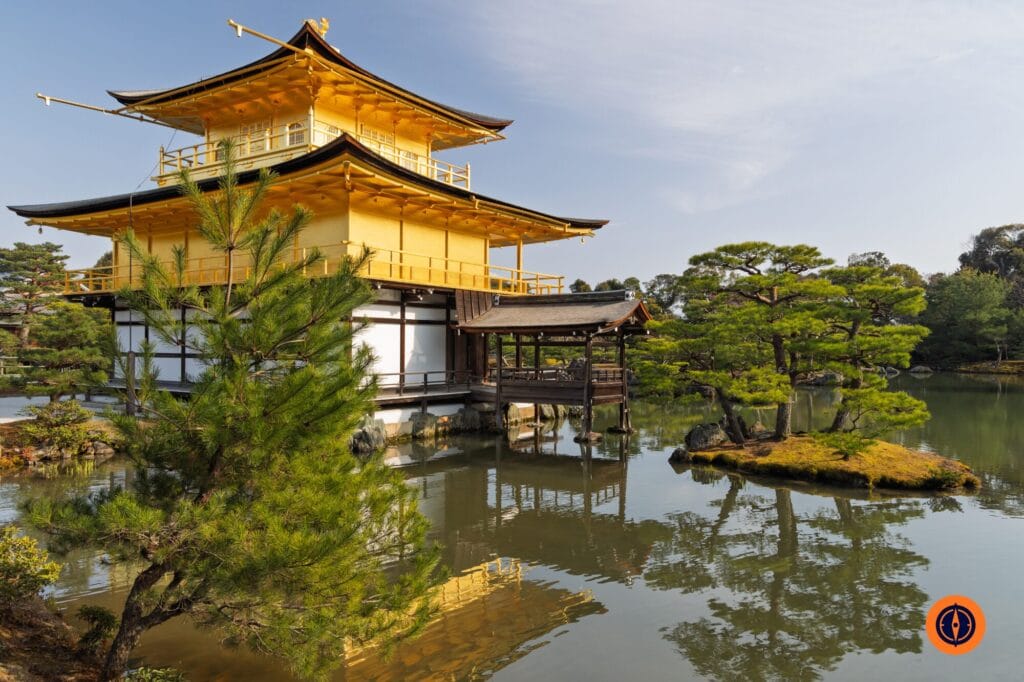
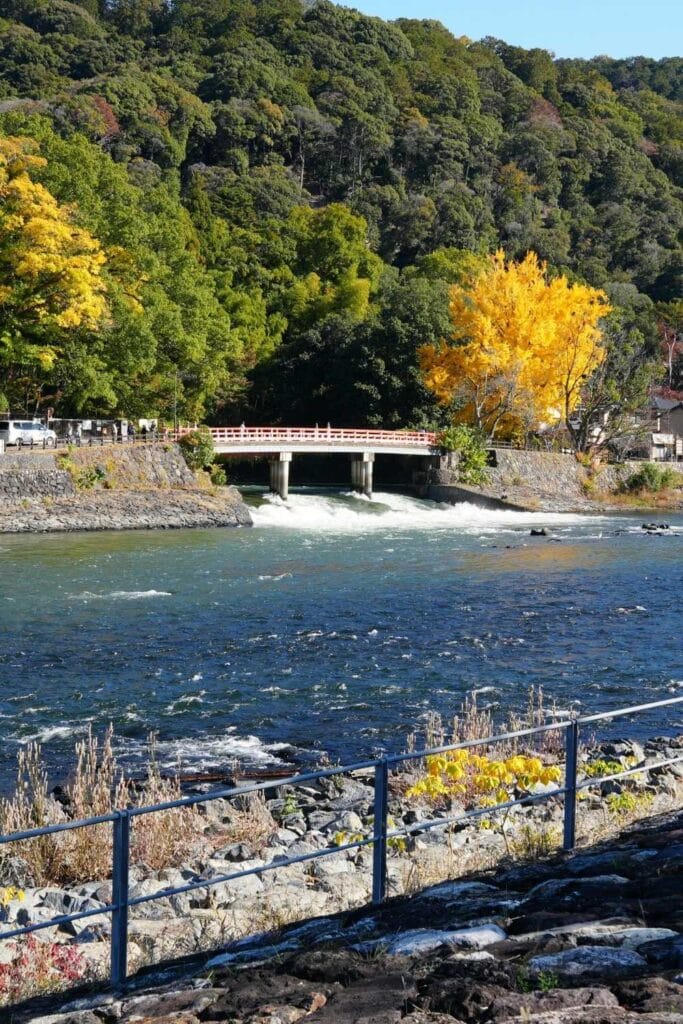
Japan is one of the strongest first solo trip choices if you want a destination that feels exciting but still highly structured. Tokyo, Kyoto and Osaka give first-time visitors a powerful mix of modern city life, traditional culture, food, shopping, temples and efficient rail travel.
Japan is especially good for travelers who like planning. The country rewards clear routes, early accommodation booking and sensible hotel bases. It is not the best choice if you want to improvise everything last minute during peak seasons, but it is excellent if you want a trip that can be mapped out with confidence.
The main challenge is that Japan can become overwhelming if you overbuild the itinerary. Tokyo is huge, Kyoto attractions are spread out, and rail passes are often misunderstood. For a first solo trip, a simple 7 to 10 day route is usually better than trying to include every famous destination.
If Japan is high on your shortlist, my Japan 5-7 Day Starter Route Blueprint and Japan 8-14 Day Bundle are designed to remove that route uncertainty.
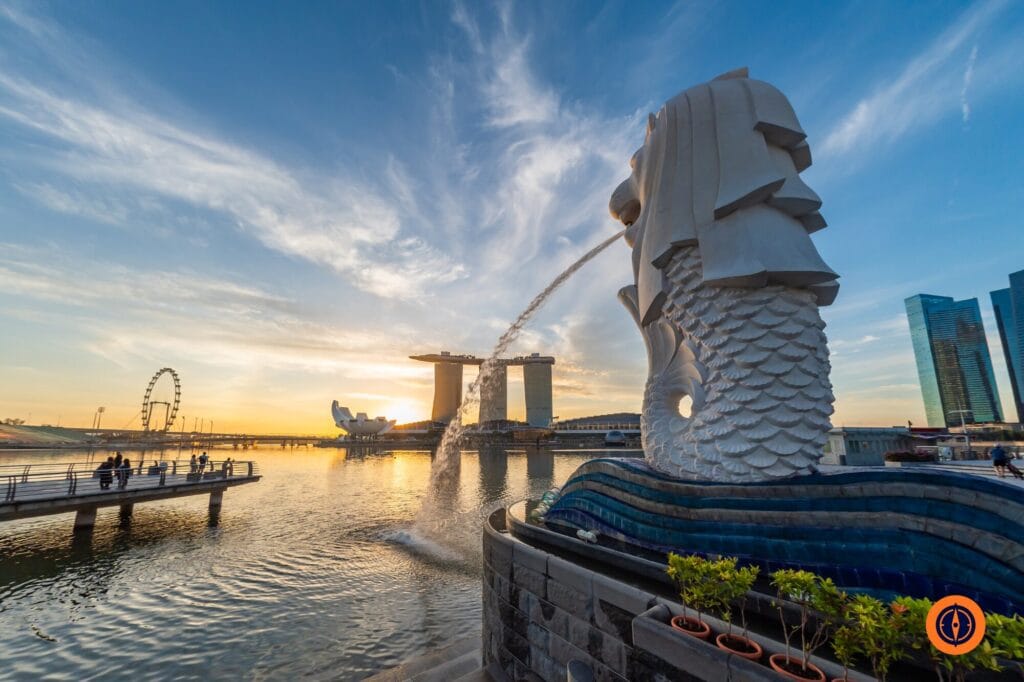
Singapore: Best for a Short and Easy First Solo Trip
Singapore is one of the easiest places to begin solo travel because it is compact, organized and English-friendly. The airport connection is straightforward, public transport is efficient, food is easy to access, and the city works well for a short trip.
The tradeoff is cost. Accommodation can be expensive compared with many Asian destinations, so Singapore may not be the best fit if your budget is tight. However, for travelers who want their first solo trip to feel controlled and manageable, the extra cost may be worth it.
Singapore works especially well for a 3 to 5 day test trip. It lets you practice airport transfers, eating alone, moving around independently and planning your days without committing to a long or complex route.
Taiwan: Best for Food, Friendly Cities and a Softer Learning Curve
Taiwan can be a very good first solo trip destination, especially for travelers who enjoy food, night markets, city wandering and day trips. Taipei is manageable, public transport is useful, and the travel experience can feel welcoming without being too intense.
The language barrier can be more noticeable than in some English-heavy destinations, but major travel areas are still manageable with translation apps and basic preparation. Taiwan works well for travelers who want Asia but prefer a slightly softer pace than Tokyo or Seoul.
For beginners, Taipei plus one or two easy side trips is usually a better first route than trying to circle the whole island immediately.
South Korea: Best for City Energy, Food and Pop Culture Interests
South Korea is a strong choice if you are interested in food, shopping, cafes, history, beauty, pop culture or urban exploration. Seoul has excellent public transport, many accommodation options and enough variety to fill a first solo trip without needing to move around too much.
The city can feel fast-paced, and language barriers may appear outside tourist-heavy areas, but the infrastructure is strong. For a first solo trip, Seoul alone or Seoul with a simple Busan extension is usually more sensible than trying to cover too many cities.
South Korea is especially good for travelers who like energetic cities and do not mind busy urban environments.
Portugal: Best for a First Solo Trip in Europe
Portugal is a popular first solo trip option because it offers history, food, coastal scenery, walkable cities and a relatively approachable travel style compared with some larger European routes. Lisbon and Porto are strong starting points, and the country can work well for travelers who want Europe without building an overly complicated multi-country trip.
The key is to keep the first itinerary focused. Lisbon, Porto and one or two simple day trips can be more satisfying than trying to rush across the country. Like anywhere, neighborhood choice matters, and travelers should check current safety advice and recent accommodation reviews before booking.
Portugal works well if you want culture, food, architecture and a slower first European solo trip.
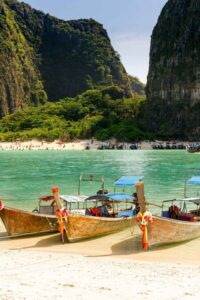
Thailand: Best for Budget, Social Travel and Warm Weather
Thailand is often recommended to first-time solo travelers because it is budget-friendly, social and supported by a long-established tourism route. Bangkok, Chiang Mai and selected islands can all be enjoyable, but the route needs to match your comfort level.
For a first solo trip, Thailand is strongest when you choose well-connected places and avoid making the itinerary too scattered. A beginner route might focus on Bangkok and Chiang Mai, or one beach area with simple transfers. Trying to combine too many islands, overnight buses and remote areas can make the trip more complicated than expected.
Thailand is a good choice if you want affordability, food, social hostels, warm weather and a more relaxed travel style. It may require more street awareness and flexible decision-making than Singapore or Japan, depending on the route.
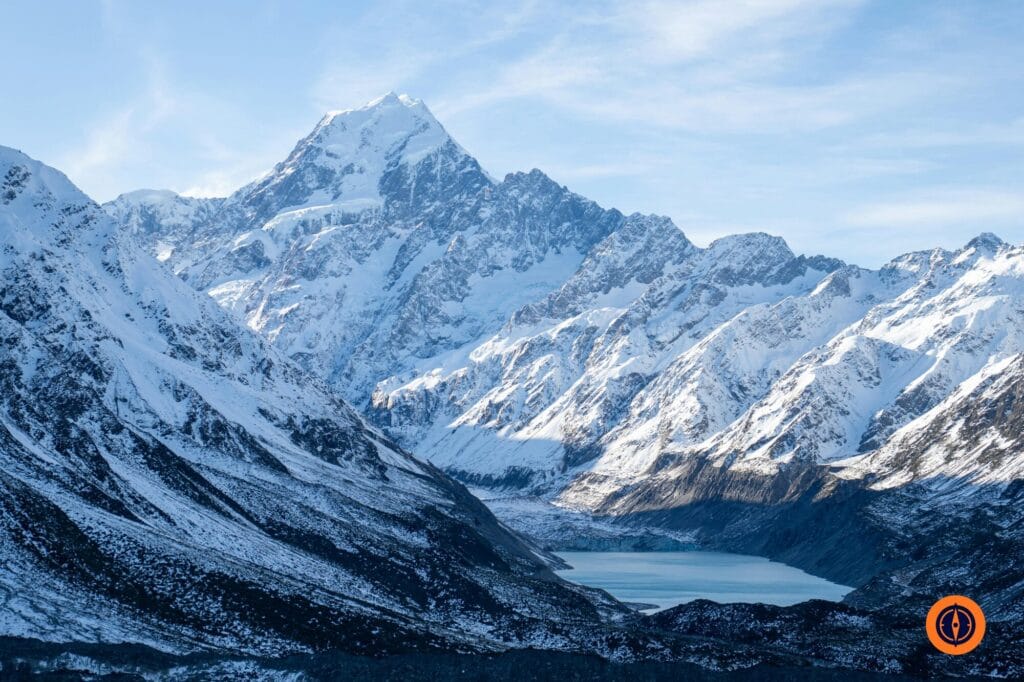
Australia and New Zealand: Best for English-Language Comfort and Outdoor Travel
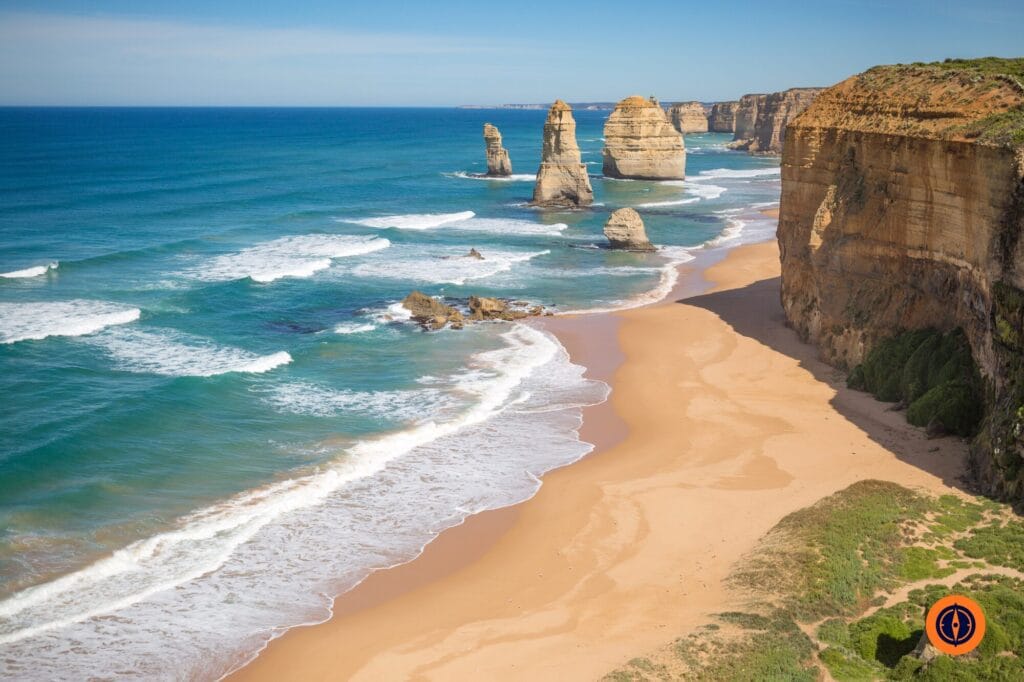
Australia and New Zealand can be excellent first solo trip destinations for travelers who want English-language ease, strong tourism infrastructure and outdoor experiences. The main challenges are cost and distance. Accommodation, activities and domestic travel can be expensive, and some routes require driving or careful transport planning.
For a first trip, major cities such as Sydney, Melbourne or Auckland can be easier than remote road-trip routes. If you want nature, guided day trips can reduce planning stress before you feel ready to rent a car or manage more independent logistics.
These destinations are best for travelers who value language comfort and outdoor scenery and have enough budget to avoid cutting corners on accommodation and transport.
How to Choose Based on Your Travel Personality
- If you want the easiest first solo trip, choose Singapore. It is compact, organized and simple to navigate, although not cheap.
- If you want the best first big cultural trip, choose Japan. It gives you depth, food, history and world-class transport, but it rewards careful planning.
- If you want a friendly food-focused city trip, choose Taiwan. Taipei is approachable, interesting and not too difficult for a beginner with basic preparation.
- If you want a social budget trip, choose Thailand. Start with well-connected places and avoid making the route too complex.
- If you want Europe, choose Portugal. Keep the itinerary focused and prioritize safe, central accommodation.
- If you want English-language comfort and nature, choose Australia or New Zealand. Budget carefully and avoid overcomplicated routes.
The best choice is the one that reduces your biggest anxiety while still giving you a trip you are genuinely excited to take.
Destinations That May Be Harder for a First Solo Trip
Some places are better saved for later, not because they are bad destinations, but because they require more confidence, research or logistical skill.
For a first solo trip, be cautious with destinations where public transport is limited, tourist information is hard to access, political conditions are unstable, scams are common in tourist zones, healthcare access is limited, or long transfers are required immediately after arrival.
Remote-heavy trips can also be harder for beginners. A mountain region, rural island chain or multi-stop overland route may be beautiful, but it can become stressful if you are still learning how you handle independent travel.
This does not mean you should avoid adventure forever. It simply means your first solo trip should build the skills that make those future trips easier.
A Practical Decision Framework
Instead of choosing based only on photos or social media, compare two or three destinations using the same questions.
First, ask whether the destination is safe enough for your current comfort level based on official advisories, recent news and city-level research. Then ask whether your budget allows you to stay in a good area without financial stress. After that, evaluate transport simplicity, language support, visa or entry requirements, healthcare access and whether the destination matches your interests.
The final question is the most personal: if something goes wrong, would you still feel capable there?
That question cuts through a lot of noise. A first solo destination should not depend on everything going perfectly. It should give you enough support that small problems remain small.
Suggested Trip Length for Your First Solo Trip
For most beginners, 4 to 7 days is a good first solo trip length. It is long enough to experience independence properly but short enough that you do not feel trapped if the destination does not suit you.
For Japan, I would usually recommend 7 to 10 days if you are flying internationally because the distance and cost make a very short trip less efficient. For Singapore, 3 to 5 days can be enough for a first test trip. For Portugal, Taiwan or South Korea, 5 to 8 days can work well depending on flights.
Longer is not always better for a first solo trip. A shorter, well-planned trip can teach you more and leave you more confident than a long trip that stretches your budget and energy too far.
Final Verdict
The best destination for your first solo trip is not the most impressive destination. It is the destination that fits your current confidence, budget and travel style while giving you enough structure to enjoy independence.
If you want the easiest short introduction, Singapore is hard to beat. If you want a deeper cultural trip with excellent infrastructure, Japan is one of the strongest choices. If you want food, friendliness and a manageable city base, Taiwan deserves serious consideration. If you want affordability and social energy, Thailand can work well with a simple route. If Europe is your goal, Portugal is a strong starting point.
For your first solo trip, choose the place that makes you feel excited and capable at the same time. That is the balance you are looking for.
And if Japan is the destination you keep coming back to, do not try to build the whole route from scattered social media posts. Start with a clean route, sensible hotel bases and realistic day-by-day pacing. My Japan route blueprints are built to help first-time travelers do exactly that.
FAQs
What is the best destination for a first solo trip?
There is no single best destination for every traveler, but Japan, Singapore, Taiwan, South Korea, Portugal, Thailand, Australia and New Zealand are all strong options depending on your budget and travel style. The best choice is the destination that feels manageable, safe enough, interesting and realistic for your current confidence level.
Is Japan a good first solo trip destination?
Yes, Japan can be an excellent first solo trip destination because it has strong public transport, organized cities, rich culture, excellent food and many accommodation options. The main challenge is planning the route properly. First-time visitors should avoid adding too many cities and should choose practical hotel bases.
Should my first solo trip be close to home?
It can help, especially if you are nervous. A destination within a shorter flight distance can reduce pressure and make the trip feel easier to manage. However, a farther destination can still work if it has strong infrastructure and you plan it carefully.
How long should my first solo trip be?
For many beginners, 4 to 7 days is ideal. It gives you enough time to experience solo travel without committing to a long trip. If you are traveling long-haul to Japan, 7 to 10 days usually makes more sense.
Should I choose a city or nature destination for my first solo trip?
A city is usually easier for a first solo trip because transport, accommodation, food and emergency support are more accessible. Nature destinations can be wonderful, but remote areas often require more planning confidence. A good compromise is staying in a city and taking guided day trips.
Is it better to stay in hostels or hotels for a first solo trip?
It depends on your personality. Hostels can be social and budget-friendly, but quality varies. Hotels offer privacy and comfort, which can help nervous first-time solo travelers feel more grounded. For your first trip, prioritize a safe and convenient location over the cheapest possible room.
How do I know if a destination is safe enough?
Check official government travel advisories, recent local news, city-level safety information and accommodation reviews. Do not judge safety only by social media. Also consider your own behavior, hotel location, transport plan and arrival timing.
How do I know if a destination is safe enough?
Check official government travel advisories, recent local news, city-level safety information and accommodation reviews. Do not judge safety only by social media. Also consider your own behavior, hotel location, transport plan and arrival timing.
What should I avoid on my first solo trip?
Avoid overcomplicated routes, very late arrivals without a transport plan, accommodation far from useful areas, destinations with unstable conditions and itineraries that require constant long transfers. Your first solo trip should build confidence, not drain it.
Disclosure: This post may contain affiliate links.


Compare prices across top platforms in seconds.