Best Day Trips From Kyoto and Osaka
Which Ones Are Worth Your Time?
Introduction
Kyoto and Osaka are exceptionally useful bases for exploring the Kansai region, but that does not mean every nearby destination belongs in your itinerary. The trains may make several places look close, yet a short railway journey can still become a demanding travel day once you include the hotel-to-station journey, transfers, walking, meals, queues and the return trip.
The real challenge is therefore not finding day-trip ideas. It is choosing the destination that adds something meaningful to your route without taking time away from Kyoto or Osaka before you have experienced those cities properly.
For most first-time visitors, Nara is the strongest all-round day trip from either city. Uji is a gentler cultural excursion from Kyoto, while Himeji provides a more focused historical day from Osaka. Kobe works well when you want food and waterfront atmosphere rather than another temple route, and places such as Minoh, Kurama, Kibune, Otsu and Ohara become more appealing when nature or slower pacing is the priority.
This guide compares these destinations according to route simplicity, sightseeing value, physical effort and how naturally they fit into a first Japan trip. Access, admission and visitor information have been checked against official tourism sources, but you should still confirm opening hours, transport notices and weather conditions shortly before travelling.
Quick Comparison of the Best Kansai Day Trips
| Destination | Best Departure Base | Time Needed | Physical Effort | Best For |
|---|---|---|---|---|
| Nara | Kyoto or Osaka | Full day | Moderate walking | The strongest first-time cultural day trip |
| Uji | Kyoto | Half or relaxed full day | Light to moderate | Tea, riverside scenery and a slower pace |
| Himeji | Osaka or Kyoto | Full day | Moderate, with steep castle stairs | Japanese history and castle architecture |
| Kobe | Osaka | Full day | Flexible | Food, waterfront scenery and urban variety |
| Minoh | Osaka | Half or relaxed full day | Around six kilometres return | An accessible nature break |
| Kurama and Kibune | Kyoto | Full day | Moderate to demanding | Mountain temples and hiking |
| Otsu and Miidera | Kyoto | Half or full day | Light to moderate | Lake views and a quieter historical route |
| Ohara | Kyoto | Relaxed full day | Moderate | Rural Kyoto, moss gardens and temples |
If you only have one unallocated day in Kansai, choose Nara unless another destination closely matches a personal interest. With two free days, combine one substantial excursion such as Nara or Himeji with a lighter day in Uji, Minoh, Otsu or Ohara.
How These Day Trips Were Assessed
A destination is not automatically a good day trip simply because a train reaches it quickly. A useful first-time excursion should have a clear sightseeing route after arrival, offer an experience that is not already well represented in your itinerary and allow you to return without compromising the following day.
The recommendations below use five practical criteria. These include the simplicity of the journey, the coherence of the sightseeing route, the amount of walking or physical effort required, the destination’s value for a first-time visitor and the reliability of its transport and operating conditions.
This distinction matters because Nara and Himeji have obvious central attractions, whereas Kobe and Lake Biwa require more careful planning. Without a defined route, it is easy to spend too much of the day moving between disconnected places.
Your hotel base also affects the result. Before adding several excursions, compare whether Kyoto or Osaka should be your main Kansai base and check the practical differences between staying in Kyoto and staying in Osaka.
Nara: The Best Overall Day Trip From Kyoto or Osaka
Nara is the most dependable recommendation for first-time Kansai visitors because it combines significant historical sites, a coherent walking route and a noticeably different atmosphere from both Kyoto and Osaka. Its main attractions are concentrated around Nara Park, so the day can feel substantial without requiring constant transport between unrelated neighbourhoods.
The usual first-time route begins near Nara Park and continues through Todai-ji, the quieter approach to Nigatsudo and, if time and energy allow, Kasuga Taisha. Naramachi can be added later for traditional merchant streets, cafés and small shops, but it should remain optional rather than forcing another district into an already walking-intensive day.
The Official Nara Travel Guide identifies Todai-ji, the Great Buddha and the free-roaming deer of Nara Park as the city’s defining first-time experiences. The park is open and easy to explore independently, but the distances between major sites are greater than photographs sometimes suggest.
Which Nara Station Should You Use?
Kintetsu Nara Station is generally the more convenient arrival point for Nara Park because it is closer to the main sightseeing area. It can be particularly practical when travelling from Osaka-Namba or from parts of Kyoto connected conveniently to the Kintetsu network.
JR Nara Station is farther from the park but remains a reasonable option if your rail ticket or hotel location makes the JR route easier. From there, you can walk through the city or use a local bus rather than treating the station difference as a reason to avoid the trip.
The best choice is the route with the fewest inconvenient transfers from your hotel, not necessarily the train with the shortest advertised journey. Check both your outbound and return routes because the easiest morning departure may not always produce the easiest evening journey.
How to Structure the Day
Arrive in the morning and visit Todai-ji before the busiest part of the day. From there, continue to Nigatsudo for a quieter setting and elevated views before deciding whether you have enough energy for Kasuga Taisha or Naramachi.
This order protects the most important attraction and leaves the optional sections flexible. If you become tired, Todai-ji, Nigatsudo and time around Nara Park already form a worthwhile day without needing to complete every landmark.
The deer are wild animals rather than trained attractions. Nara’s official guidance advises visitors to feed them only the approved deer crackers, avoid teasing them and never offer paper, plastic or other unsuitable items. Review the official deer-safety advice before interacting with them, especially if you are travelling with children.
Is Nara Better From Kyoto or Osaka?
Nara works well from both cities, so the better departure point depends on where you are staying. Osaka can be particularly convenient from Namba, while Kyoto works naturally when Nara is part of a culture-focused Kansai stay.
Do not move hotels solely to improve this one excursion. The difference is rarely important enough to justify another check-out, luggage transfer and check-in, particularly when both cities provide workable rail routes.
When Nara May Not Be the Right Choice
Nara may feel repetitive if your itinerary already contains several temple-heavy Kyoto days and you are more interested in modern cities, nature or food. It also involves considerable walking, so visitors with limited mobility should reduce the number of sites and check local bus options.
For most first trips, however, Nara adds enough historical and atmospheric variety to justify the day. It is the strongest default choice precisely because it remains meaningful without requiring a complicated itinerary.
Uji: The Best Easy Day Trip From Kyoto
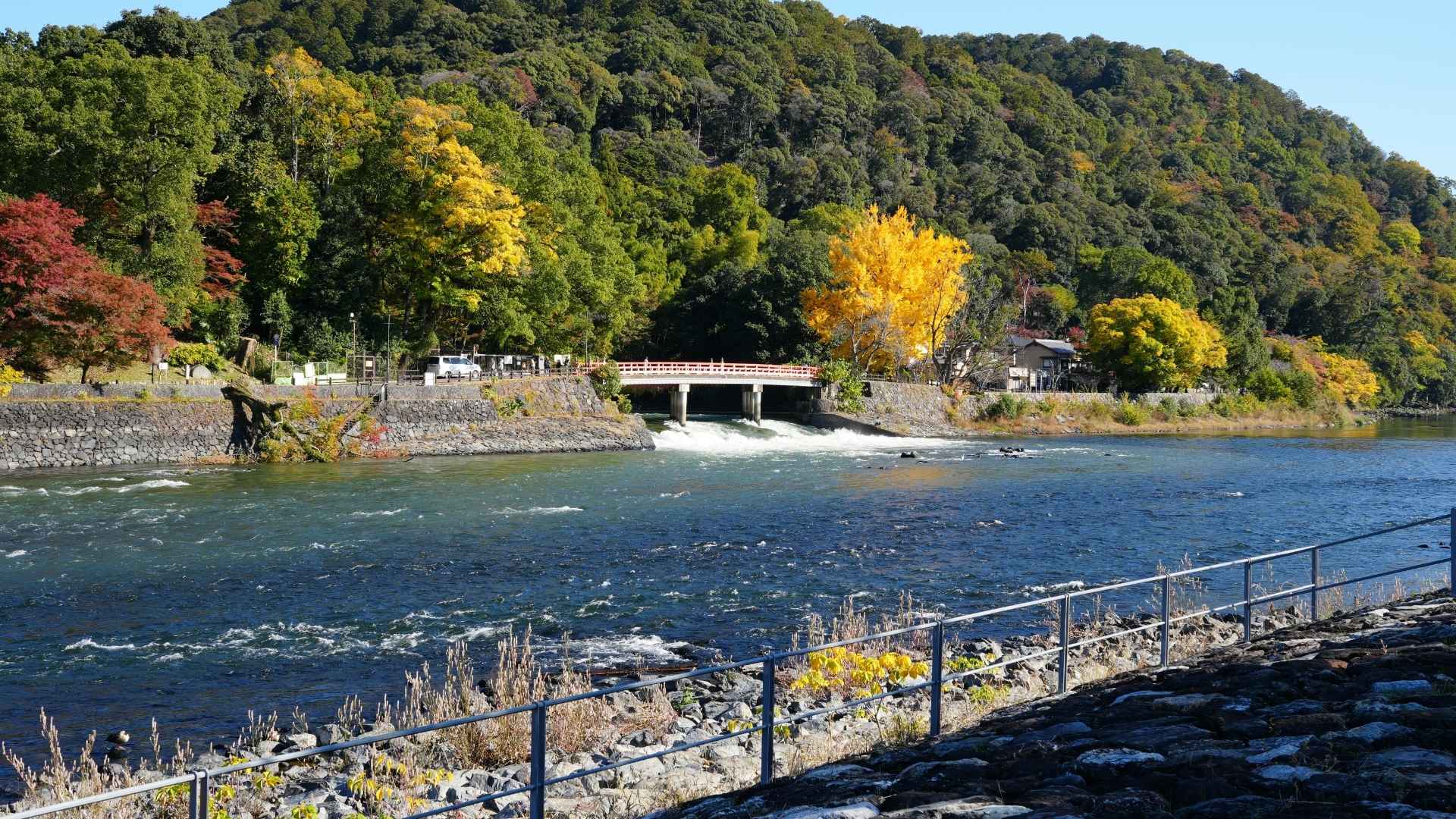
Uji is one of the most manageable day trips from Kyoto, particularly for travellers who want a quieter cultural experience after several crowded sightseeing days. Its main appeal comes from the combination of Byodoin, tea culture, the Uji River and a compact centre that encourages slower exploration.
The Japan National Tourism Organization’s Uji guide notes that the town is served by separate JR and Keihan stations and can be reached from Kyoto in well under an hour. It also explains Uji’s long association with tea and highlights the tea shops along Byodoin Omotesando.
JR Uji or Keihan Uji?
JR Uji Station is usually convenient when you are departing from Kyoto Station. Keihan Uji Station can make more sense if you are staying near Gion, Sanjo, Fushimi or another area with convenient access to the Keihan network.
The stations are on different sides of the central sightseeing area, but either can support a sensible route. Instead of automatically choosing JR, compare the complete journey from your hotel and consider using one station to arrive and the other to leave if that produces a natural walking direction.
A Practical Uji Route
Begin with Byodoin before visiting the surrounding museum and Omotesando area. Afterward, take time for the river, cross toward Ujigami Shrine if it interests you and allow enough space for a proper tea or lunch stop rather than treating Uji as another attraction checklist.
Uji works best when its slower pace is protected. Adding Fushimi Inari or central Kyoto afterward is possible, but doing so can remove the relaxed quality that makes the excursion worthwhile in the first place.
Many shops and cultural attractions finish earlier than restaurants in larger cities, so do not assume Uji will operate like central Kyoto into the evening. Check the official opening hours of any essential attraction and prioritise it before your food and shopping stops.
Who Should Choose Uji?
Choose Uji when tea culture, riverside walking and a calmer atmosphere appeal more than a large collection of major landmarks. It also works well when you have already visited several Kyoto temples but still want a cultural day that feels visually and emotionally different.
If you only have two full days in Kyoto, central Kyoto will usually deserve both days unless Uji is a specific priority. Travellers with three or more Kyoto days have more freedom to include it without weakening their first experience of the city. The Kyoto travel guide can help you determine whether your main Kyoto route has enough time before adding Uji.
Himeji: The Best Day Trip for a Major Castle
Himeji is the strongest choice when you want one important historical landmark explored properly. The day has a clear purpose: visit Himeji Castle, understand its defensive design and architecture, and add Koko-en Garden if time, weather and energy allow.
This focus makes Himeji easier to plan than a broad city excursion. You are not travelling there to cover numerous districts, and the castle is visible from the main approach after leaving Himeji Station.
The official Himeji guide places the castle approximately one kilometre, or a 15-to-20-minute walk, from the station’s north exit. From March 1, 2026, standard adult admission for non-residents is ¥2,500, while the combined Himeji Castle and Koko-en ticket is ¥2,600. Visitors under 18 receive free admission under the conditions explained on the official Himeji Castle page.
What the Castle Visit Requires
Himeji Castle is not a flat museum visit. Reaching the main keep involves sloping approaches, and the interior contains steep, narrow stairs that may be difficult for visitors with limited mobility, balance concerns or large bags.
The official hours also vary by season, and the castle closes on December 29 and 30. Check the current schedule before travelling, particularly during national holidays, cherry-blossom season and other high-demand periods when queues can change the pace of the visit.
Koko-en is located close to the castle and offers landscaped gardens that create a calmer second part of the day. The official combined-ticket information confirms that the garden is about a five-minute walk from the castle and explains the current ticket arrangement.
Is Himeji Better From Osaka or Kyoto?
Himeji is usually a more natural excursion from Osaka, particularly if your hotel provides easy access to Osaka or Shin-Osaka Station. Travellers staying near Kyoto Station can also reach Himeji efficiently, but those based deeper in Gion or eastern Kyoto need to include the journey to Kyoto Station in the real travel time.
The fastest train is not automatically the best-value option. A Shinkansen can substantially reduce the intercity portion, while regular JR services may cost less but require more time. Compare the whole journey and decide whether saving time justifies the additional fare.
If you expect to take several Kansai day trips, Osaka’s Umeda area can be more convenient than Namba for certain railway routes. The comparison of Namba, Umeda and Shinsaibashi explains how these bases affect both evenings and regional transport.
Kobe: The Best Urban Alternative From Osaka
Kobe suits travellers who want a change from temples, shrines and castle interiors. Its appeal comes from the relationship between the mountains and waterfront, together with food, shopping and neighbourhoods shaped by the city’s international port history.
The mistake is approaching Kobe as a collection of every attraction shown on a map. The city stretches between hilly northern areas and the harbour, so a first visit works better when you choose either a lower-city waterfront route or a mountain-and-city route.
Route One: Chinatown and the Waterfront
For a lower-effort day, begin around Sannomiya or Motomachi and continue toward Nankinmachi, Kobe’s Chinatown. After lunch, walk toward Meriken Park and finish around Harborland, where the open waterfront provides a different atmosphere from central Osaka.
This route is suitable for food, casual shopping and a flexible pace. It also gives you several opportunities to stop or shorten the day without losing its central purpose.
Kobe’s official tourism site presents a first-time one-day itinerary connecting the city’s historic foreign residences, Nunobiki Herb Gardens, Meriken Park, Harborland and Chinatown. That official route takes approximately seven hours, but most independent visitors will have a more comfortable day by selecting fewer of its components.
Route Two: Nunobiki and Central Kobe
For a more scenic day, travel to Shin-Kobe and use the ropeway to reach Kobe Nunobiki Herb Gardens. You can then return toward Sannomiya and add one lower-city area, such as Kitano, Motomachi or the waterfront, rather than attempting the entire city.
This version depends more heavily on weather because the views and gardens are central to the experience. Check ropeway operations before departure and keep a lower-city route available if wind or poor visibility affects the mountain section.
Is Kobe Worth Choosing Over Nara or Himeji?
Kobe is worth choosing when your itinerary already contains enough traditional architecture and you want a relaxed urban day. It is especially suitable for food-focused travellers, couples and visitors who prefer waterfront walking to another concentrated historical route.
It is less essential when your Kansai schedule is short. Nara provides stronger first-time cultural value, while Himeji has a clearer landmark, but Kobe can be the better personal choice when variety and atmosphere matter more than seeing another famous site.
Before using one of your Osaka days for Kobe, review the Osaka travel guide and make sure you have not under-allocated Osaka itself.
Minoh: The Best Accessible Nature Break From Osaka
Minoh Park provides a straightforward escape from Osaka’s dense commercial districts. The principal route follows a gently rising valley path from Minoh Station toward Minoh Falls, with forest scenery, refreshment stops and Ryuanji Temple along the way.
According to the official JNTO guide to Minoh Park, the train journey from Osaka-Umeda takes approximately 25 minutes and the walk from Minoh Station to the waterfall takes about 45 minutes. Because the walk is approximately three kilometres each way, the complete outing involves around six kilometres before any additional exploration.
The main path is relatively approachable, but “easy” should not be interpreted as effortless. Visitors still need suitable footwear, enough water and the ability to complete the return walk, while rain, summer heat and seasonal congestion can significantly change the experience.
Minoh becomes especially popular during autumn foliage season. If you are visiting at that time, start earlier and check current trail or transport notices rather than assuming an ordinary half-day schedule will remain comfortable.
Choose Minoh when your route needs greenery and movement rather than another major landmark. It should not automatically replace Nara or Himeji on a short first trip, but it can restore balance to an itinerary dominated by stations, shopping streets and urban evenings.
Kurama and Kibune: Best for an Active Mountain Day From Kyoto
Kurama and Kibune offer a very different version of Kyoto, with mountain temples, forest paths and smaller communities north of the central city. They are often discussed together because a hiking trail connects Kurama-dera with Kifune-jinja, but visiting both does not require completing that trail.
Kyoto’s official access guidance explains that travellers can use the Eizan Railway from Demachiyanagi, with Kurama and Kibuneguchi served on the same line. Kibune requires an additional bus or walk from Kibuneguchi Station, while Kurama-dera is a short walk from Kurama Station before the ascent begins. Review the official Kurama and Kibune transport guidance before departure.
Choose the Day According to Your Fitness
Active travellers can visit Kurama-dera and cross the mountain trail toward Kibune. The route includes elevation, uneven ground and exposed tree roots, making it substantially more demanding than an ordinary Kyoto temple day.
Travellers who do not want the complete hike can visit Kurama and Kibune separately using the railway and local bus. This creates a longer transport day but avoids treating the mountain crossing as compulsory.
The official Kyoto area guide confirms that the trail connects Kurama-dera and Kifune-jinja. Conditions can change after heavy rain, storms or maintenance, so verify current trail information rather than relying only on an older itinerary.
Kurama and Kibune are best when the mountain setting is the main reason for your visit. If you simply want a quieter Kyoto day without a demanding walk, Ohara will usually be the gentler alternative.
Otsu and Miidera: The Best Light Lakeside Trip From Kyoto
Lake Biwa is too large to treat as one simple day-trip destination. Combining Otsu, Biwako Valley, distant lakeside towns and a cruise in one day produces an itinerary that looks varied but lacks geographical coherence.
For a manageable first excursion, concentrate on central Otsu. A sensible route can combine Miidera, the canal or surrounding historical streets, the lakefront and Otsu Port without attempting to cover the wider lake.
The official Otsu Port guide places the port approximately three minutes on foot from Keihan Biwako-Hamaotsu Station and around 15 minutes from JR Otsu Station. Otsu’s official visitor material also presents Miidera as part of a central historical walking route, making these places more compatible than an excursion across several lake zones.
Cruises can add another perspective on Lake Biwa, but they should be treated as conditional rather than essential. Operating days, departure times and weather can affect the schedule, so confirm the official timetable before building the rest of the day around one sailing.
Otsu is appropriate when you want a quieter day with water views and lower sightseeing pressure. It is not a replacement for Nara on most first trips, but it can be more restorative when Kyoto’s central districts have already occupied several demanding days.
Ohara: The Best Slower Rural Day From Kyoto
Ohara is a rural temple area north of central Kyoto that works well for travellers who want moss gardens, mountain scenery and a less hurried atmosphere without committing to the Kurama-to-Kibune hike. Sanzen-in is the main attraction, while Hosen-in and Jakko-in provide possible additions depending on the route and available time.
The official Kyoto guide describes Sanzen-in as Ohara’s central attraction and highlights its moss-covered garden, ponds and seasonal scenery. It also notes that Sanzen-in can be combined with nearby temples, although visiting every site is unnecessary for a satisfying day. See the official Sanzen-in information before visiting.
Kyoto Bus operates services to Ohara from Kyoto Station, Shijo Kawaramachi and Kokusai Kaikan, as explained in the official Ohara guide. Because the destination is bus-dependent, the timetable and seasonal road conditions matter more than they do for rail-based Uji or Nara.
A balanced day might begin with Sanzen-in, continue to a nearby garden or temple and leave time for lunch featuring local vegetables. Jakko-in lies in a different direction from Sanzen-in, so adding it should be a conscious extension rather than an automatic final stop.
Ohara is especially appealing when you want a contemplative day and do not mind slower transport. During autumn and other popular periods, however, the village and buses can become busy, so the label “hidden gem” should not be interpreted as a guarantee of solitude.
Should You Visit Osaka From Kyoto or Kyoto From Osaka?
Osaka and Kyoto can technically be visited as day trips from one another, but this question is really about hotel strategy rather than sightseeing. Visiting Osaka from Kyoto can work well for an afternoon and evening of food, shopping and city energy, while visiting Kyoto from Osaka requires a more disciplined route because Kyoto’s major attractions are spread across several districts.
Do not try to represent either city with a rushed checklist. An Osaka visit should focus on one or two connected areas, while a Kyoto day from Osaka should concentrate on one district, such as Higashiyama, Arashiyama or southern Kyoto.
If you are deciding whether to change hotels or use one city as your base, read the full comparison of staying in Osaka or Kyoto. That decision affects your mornings, evenings and access to every other day trip on this page.
Destinations That Usually Deserve an Overnight Stay
Some destinations can be reached and visited within a very long day, but technical possibility does not always create a worthwhile trip. When the journey consumes several hours in each direction or the destination’s evening atmosphere is part of its appeal, staying overnight usually produces a better experience.
Koyasan
Koyasan is closely associated with Buddhist temples, Okunoin and temple lodging. Returning immediately after sightseeing removes much of the atmosphere that differentiates it from an ordinary temple excursion.
The JNTO guide to Koyasan temple lodgings explains the role of shukubo accommodation in the destination. If Koyasan matters enough to include in your route, one night usually makes more sense than compressing it between early and late trains.
Hiroshima and Miyajima
Fast trains make a long day from Kansai possible, but Hiroshima and Miyajima each carry enough historical and cultural weight to deserve unhurried time. Combining the Peace Memorial area, transport to Miyajima and the return journey in one day can turn important places into a transport exercise.
An overnight stay allows you to separate the memorial sites from Miyajima and reduces the pressure to leave before you are ready. It is particularly preferable when Hiroshima is one of the major reasons for your trip rather than an optional addition.
Kinosaki Onsen
Kinosaki’s appeal is not limited to seeing the town during daylight. The experience includes staying in a ryokan, bathing, walking through the onsen district and enjoying a slower evening after day visitors have begun to leave.
Official visitor information places Kinosaki roughly two and a half hours from Kyoto or Osaka by train. That journey is manageable, but it is long enough that an immediate return sacrifices much of what makes the town special.
Amanohashidate and Ine
The official Amanohashidate access guide estimates approximately two hours from Kyoto by limited express and longer from Osaka. Adding Ine requires further local transport, so combining both places with a same-day return creates limited flexibility when connections or weather do not cooperate.
Amanohashidate alone may work as a long day for a traveller with a specific interest, but Amanohashidate and Ine are better approached as an overnight regional extension. The additional time makes it easier to cross the sandbar, use the viewpoints and explore Ine without constantly watching the return timetable.
Do You Need a Guided Tour?
Nara, Uji, Himeji, Kobe, Minoh, central Otsu and Ohara can all be visited independently by travellers who are comfortable checking routes and opening hours. Their main sights are sufficiently established that a guided tour is not required for basic navigation.
A guide becomes more valuable when historical interpretation is important, when several travellers have different mobility needs or when you want someone else to manage a complicated day. Choose a tour because it improves understanding or removes a real logistical difficulty, not because the destination appears impossible without one.
Before booking, compare the tour’s meeting point, included admissions, walking requirements and time at each attraction. A tour that lists many places can provide less useful time at the destination than a focused self-guided route.
How Many Kansai Day Trips Should You Add?
The right number depends on how many genuinely free Kansai days remain after protecting Kyoto and Osaka themselves. Total trip length alone is a weak measure because two ten-day itineraries can allocate very different amounts of time to the region.
If you have no unallocated day, add no excursion. Kyoto and Osaka already provide enough substance for a first trip, and skipping Nara is better than weakening every other day to accommodate it.
With one free day, choose the destination that fills the clearest gap. Nara is the strongest general choice, while Himeji may be better for a castle enthusiast and Uji may suit someone seeking a lighter day.
With two free days, combine one substantial trip with one gentler excursion. Nara plus Uji works well from a Kyoto-focused route, while Nara plus Himeji provides a stronger historical combination from Osaka.
With three or more free days, introduce variety rather than selecting three similarly demanding destinations. A sequence such as Nara, Minoh and Kobe creates more balance than three consecutive temple or railway-heavy days.
The seven-day Japan itinerary and ten-day Japan itinerary can help you identify whether these are genuinely free days or time that should remain with your core destinations.
Final Recommendation
For most first-time visitors, Nara is the best day trip from either Kyoto or Osaka. It has a clear route, major cultural significance and enough variety to feel different from both bases without creating excessive transport complexity.
From Kyoto, choose Uji when you want a gentler day, Ohara when you want a rural temple atmosphere, and Kurama or Kibune when you specifically want mountain scenery. Central Otsu works best as a quiet reset rather than a first-priority attraction.
From Osaka, choose Himeji for history, Kobe for an urban waterfront day and Minoh for nature. These destinations solve different itinerary needs, so ranking them without considering your existing route would be less useful than matching each one to what your trip is missing.
The best Kansai itinerary is not the one containing the greatest number of destinations. It is the one in which every excursion adds a distinct experience and leaves enough time to appreciate the city where you are staying.
FAQ: Best Day Trips From Kyoto and Osaka
What is the best day trip from Kyoto for first-time visitors?
Nara is the strongest overall choice because it combines important historical sites, a coherent sightseeing area and straightforward access. Uji is better when you want a shorter, quieter day built around tea, Byodoin and the river.
What is the best day trip from Osaka?
Nara is the best general cultural excursion, while Himeji is the strongest option for travellers interested in castles and Japanese history. Kobe is more suitable when food, waterfront scenery and a relaxed urban atmosphere are the priorities.
Is Nara easier to visit from Kyoto or Osaka?
Nara is practical from both cities, and your exact hotel location matters more than the city name. Kintetsu routes can be convenient from Osaka-Namba and parts of Kyoto, while JR may be easier when your hotel or rail plans already favour that network.
Which Kansai day trips can be completed in half a day?
Uji, Minoh and a focused central Otsu route can fit into approximately half a day when you start early and keep the plan limited. Nara, Himeji, Kobe, Ohara and Kurama or Kibune are better treated as full-day excursions.
How many day trips should I add to a first Kansai itinerary?
Add one trip when you have one genuinely free regional day, and no more than two when your Kyoto and Osaka sightseeing is already protected. More excursions can work during a longer stay, but they should provide different experiences and include recovery time.
Which destinations are better as overnight stays?
Koyasan, Kinosaki Onsen, Hiroshima with Miyajima, and an Amanohashidate–Ine route generally benefit from at least one night. Although same-day visits may be technically possible, staying overnight reduces transport pressure and preserves the atmosphere that makes these destinations worthwhile.
Disclosure: This post may contain affiliate links.



Compare prices across top platforms in seconds.