Kyoto Solo Travel Guide
Where to Stay, What to Do and How to Feel Confident
Introduction
Kyoto is one of the best cities in Japan for solo travelers, but it is not always the easiest city to plan casually.
The city is beautiful, historic and deeply rewarding, especially if you enjoy temples, gardens, traditional streets, quiet mornings, cafes, markets and slow cultural sightseeing. It is also generally safe, easy to navigate with a little preparation, and comfortable for travelers who prefer to explore independently rather than join tours every day.
But Kyoto can also feel more tiring than expected. The famous sights are spread out, buses can be crowded, restaurant queues can be long, and some areas become packed during cherry blossom season, autumn foliage season and peak daytime hours. A solo traveler does not have to negotiate with a group, which is a major advantage, but you still need a good base and a realistic route.
This Kyoto solo travel guide is written for first-time independent travelers who want Kyoto to feel calm, meaningful and manageable. It covers where to stay, how safe Kyoto feels, how to get around, what to do alone, where the trip can become frustrating, and how to avoid the common mistakes that make Kyoto harder than it needs to be.
If you are still deciding where Kyoto fits into your wider Japan route, start with my Japan 7-day itinerary or Japan 10-day itinerary first, then use this guide to plan the Kyoto part in more detail.
Quick Answer: Is Kyoto Good for Solo Travel?
Yes, Kyoto is very good for solo travel, especially for first-time visitors who enjoy culture, temples, quiet walks, photography, traditional neighborhoods and slower sightseeing days.
Kyoto works well alone because many of its best experiences do not require a group. You can visit temples at your own pace, wake up early for quieter streets, spend longer in gardens, stop for matcha or coffee when you want, and adjust the day based on energy rather than group timing.
It is also a city where being alone rarely feels strange. Many Kyoto experiences are naturally reflective: walking through temple grounds, sitting in a garden, browsing a market, visiting a shrine, or taking a slow evening walk along the Kamo River. These activities suit solo travelers very well.
The main challenge is not safety. The main challenge is logistics. Kyoto sightseeing is spread across different districts, and first-time visitors often underestimate travel time between places. If you choose a weak hotel base or try to visit too many temples in one day, Kyoto can feel more stressful than peaceful.
For most solo travelers, Kyoto is best when planned slowly. Choose a practical hotel base, group sights by area, start early for famous places, and leave space for wandering. That is where the city becomes much more rewarding.
Who Kyoto Is Best For
Kyoto is best for solo travelers who want a trip with culture, atmosphere and space to think.
If you enjoy temples, gardens, historic streets, seasonal scenery, tea, traditional crafts, markets and photography, Kyoto will probably be one of the strongest parts of your Japan trip. The city rewards people who do not need every hour to be filled with entertainment.
Kyoto is also good for solo travelers who feel nervous about intense nightlife or chaotic big-city energy. Compared with Tokyo or Osaka, Kyoto’s evenings can feel calmer, especially if you stay in the right area. You can still find restaurants and bars, but the city’s appeal is more about mood than speed.
It is also a strong choice for solo female travelers because the city generally feels orderly and comfortable. You still need normal travel awareness, especially at night or in quiet lanes, but Kyoto is not a destination where most solo travelers feel constantly on guard.
However, Kyoto may not be ideal if you want nonstop nightlife, spontaneous late dinners everywhere, or a city where all main attractions are connected by one simple train line. Kyoto is easier when you plan neighborhoods thoughtfully.
If you want food and nightlife to be the center of the trip, Osaka may feel more natural. If you want energy, shopping and urban variety, Tokyo may feel more exciting. But if you want a city that feels meaningful, atmospheric and reflective, Kyoto is hard to beat.
Is Kyoto Safe for Solo Travelers?
Kyoto is generally safe for solo travelers, including first-time visitors and solo female travelers. Violent crime is not something most travelers worry about day to day, and the city’s main tourist areas are well used by visitors, locals, students and commuters.
That said, safe does not mean you should stop thinking. Solo travel always requires practical awareness. You are responsible for your route back to the hotel, your belongings, your phone battery, your dinner plans and your energy level. Kyoto is comfortable, but it still helps to make the easy decision before you are tired.
For emergency support, Japan National Tourism Organization operates the Japan Visitor Hotline 24 hours a day, 365 days a year. JNTO lists support in English, Chinese and Korean for tourist information, accidents, illness, emergencies and natural disasters. The same page also lists Japan’s key emergency numbers: 110 for police and 119 for fire or ambulance.
For solo travelers, I recommend saving these before arrival:
- Japan Visitor Hotline: +81-50-3816-2787
- Police emergency: 110
- Fire or ambulance: 119
- Your hotel phone number
- Your travel insurance emergency number
- Your embassy or consulate contact
Most Kyoto safety issues for travelers are practical rather than dramatic. These include getting lost after dark, walking too far when tired, depending too heavily on buses in crowded periods, losing belongings, or feeling unsure where to eat alone at night.
The good news is that these are manageable. Stay in a useful area, keep mobile data working, avoid overloading the day, and choose a hotel with a simple evening return route.
If safety is one of your bigger planning concerns, my broader guide on whether Japan is safe for travelers explains the country-level safety picture in more detail.
Is Kyoto Safe for Solo Female Travelers?
Kyoto is one of the more comfortable major travel cities for solo female travelers, especially if you are used to being alert in large cities but prefer calmer destinations.
Many solo female travelers appreciate Kyoto because the city has plenty of daytime sightseeing, quiet cultural experiences, cafes, shops and peaceful walking areas. It is not a destination where you need nightlife to enjoy the trip. You can build a full and satisfying itinerary around temples, gardens, food markets, riverside walks, museums and day trips.
The main consideration is your hotel location. A well-located hotel can make solo travel feel much easier. I would prioritize Central Kyoto, Kyoto Station or a well-connected part of Gion/Higashiyama. These areas give you better access to food, transport and straightforward evening returns.
I would be more cautious about booking a very quiet or remote hotel just because it looks atmospheric. A beautiful stay can become less comfortable if you feel isolated after dark or if the route back requires poorly lit streets and awkward transfers.
For solo female travelers, I would also avoid pushing sightseeing too late into the evening in areas where shops close early and streets become quiet. Kyoto is generally safe, but your comfort matters too. If a route feels inconvenient, take a taxi, adjust the plan, or return earlier.
The best solo female travel strategy in Kyoto is not fear. It is smart simplicity: stay somewhere practical, keep your phone charged, plan dinner before you are exhausted, and give yourself permission to slow down.
Where to Stay in Kyoto as a Solo Traveler
For most solo travelers, the best areas to stay in Kyoto are Central Kyoto and Kyoto Station.
Central Kyoto is usually the best overall choice if you want a balance of food, transport, shopping, evening walks and access to major sightseeing areas. Areas around Shijo, Kawaramachi, Karasuma and Sanjo work well because you are not locked into one temple district, and you have more dinner options after sightseeing.
Kyoto Station is best if your route is short, luggage-heavy or day-trip-heavy. If you are arriving from Tokyo, leaving for Osaka, taking a day trip to Nara, or catching an early train, the station area makes the logistics easier. It does not feel as traditional, but it can reduce stress.
Gion and Higashiyama are best if atmosphere matters most. Staying there can be memorable, especially if you want early morning walks around traditional streets. The tradeoff is that prices can be higher, crowds can be intense, and transport may not be as easy depending on the exact hotel location.
Arashiyama is beautiful, but I would not usually recommend it as the main base for a first solo Kyoto trip unless you are intentionally planning a slower scenic stay. It is better treated as a sightseeing area for most first-time visitors.
If you want a deeper hotel-area comparison, my guide on where to stay in Kyoto for first-time visitors compares Kyoto Station, Central Kyoto, Gion/Higashiyama and Arashiyama by transport, atmosphere, budget and itinerary fit.
My practical recommendation for solo travelers is this: choose Central Kyoto if you want evenings to feel easier, and choose Kyoto Station if you want transport to feel easier.
Getting Around Kyoto Alone
Getting around Kyoto alone is manageable, but it is different from Tokyo.
Tokyo is train-heavy and highly connected. Kyoto uses a mix of buses, subway, trains, walking and occasional taxis. That means the best route is not always the most obvious route on a map. Some sights are close geographically but awkward to connect. Others are easier if you use the right train or subway combination.
Kyoto’s official tourism site explains that buses are widely used for sightseeing and daily transportation, but it also recommends using a combination of subways, trains and buses while sightseeing. The same official Kyoto bus guide notes that buses can be especially crowded during cherry blossom season, autumn foliage season and commuting hours.
The official Kyoto City Bus guide lists the flat fare zone at ¥230 for adults, while the Sightseeing Limited Express Bus is listed at ¥500. It also notes that IC cards such as ICOCA, Suica and PASMO can be used, and that the Japan Rail Pass cannot be used on Kyoto City Bus.
This matters because solo travelers often want flexibility. You do not need to buy every pass in advance, but you should understand your likely movement. If your day includes several bus and subway rides, a pass may help. If your day is mostly walking around one district, normal fares or an IC card may be simpler.
The most important Kyoto transport tip is to group your sightseeing by area. Do not jump from Arashiyama to Higashiyama to Fushimi Inari to Gion in one day just because the names all appear on a list. Kyoto feels much better when each day has a clear geographic focus.
Best Things to Do Alone in Kyoto
Kyoto is one of the easiest cities in Japan to enjoy alone because many of the best experiences are naturally solo-friendly.
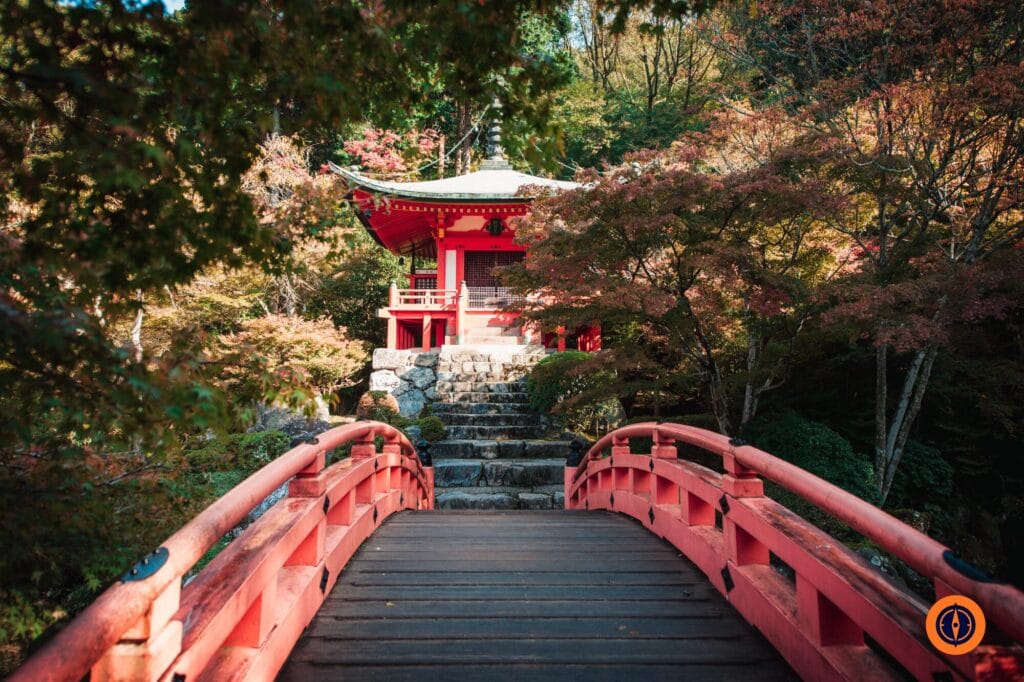
Temples and gardens are the obvious starting point. Places like Kiyomizu-dera, Nanzen-ji, Kodai-ji, Ryoan-ji and other temple areas work well alone because you can move at your own pace. You do not need to match anyone else’s interest level, and you can spend more time in the places that actually affect you.
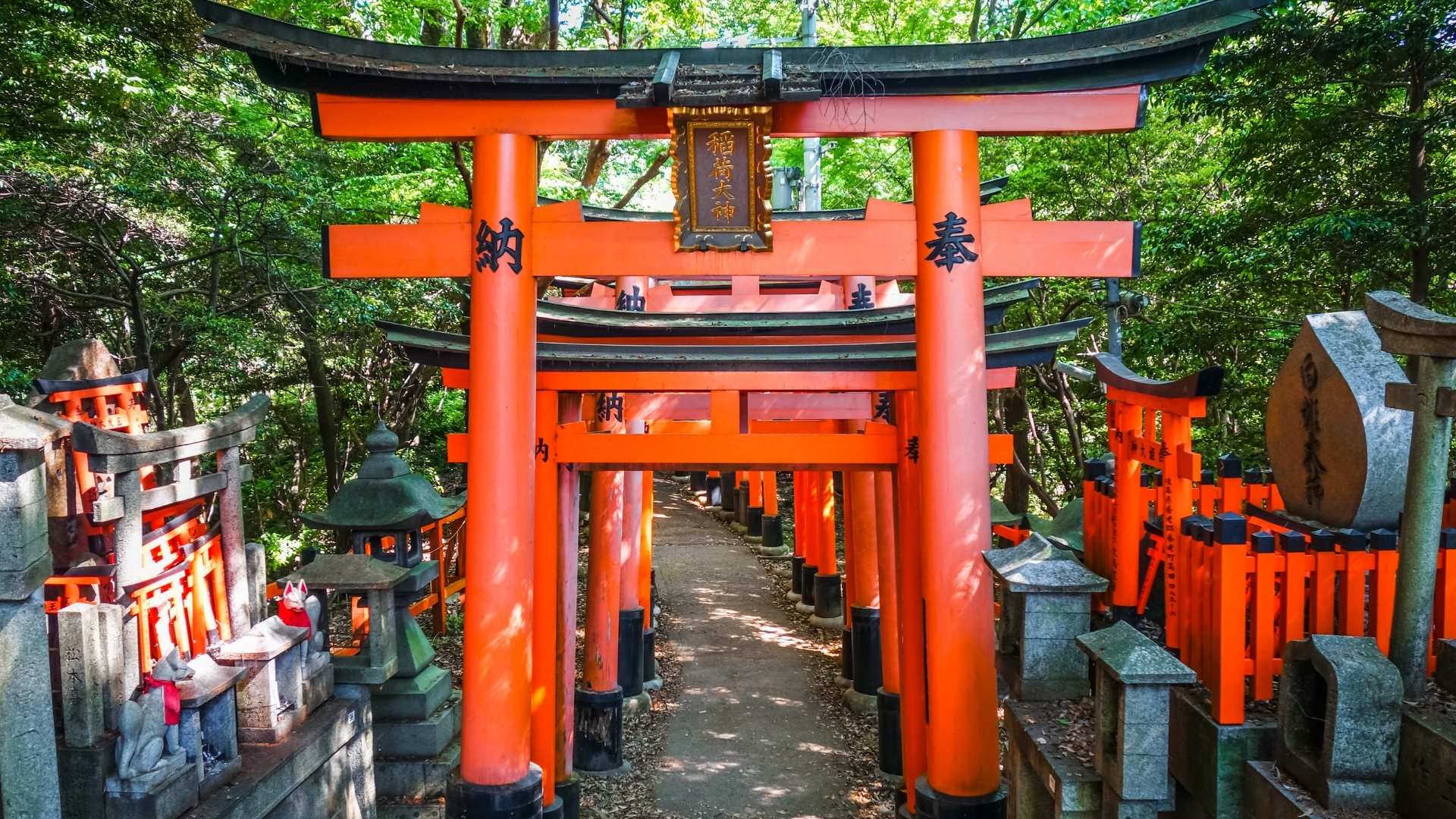
Fushimi Inari is also excellent alone, especially if you start early. The lower shrine area can become crowded, but walking farther up the mountain quickly changes the feeling. As a solo traveler, you can decide how far to go without negotiating with a group.
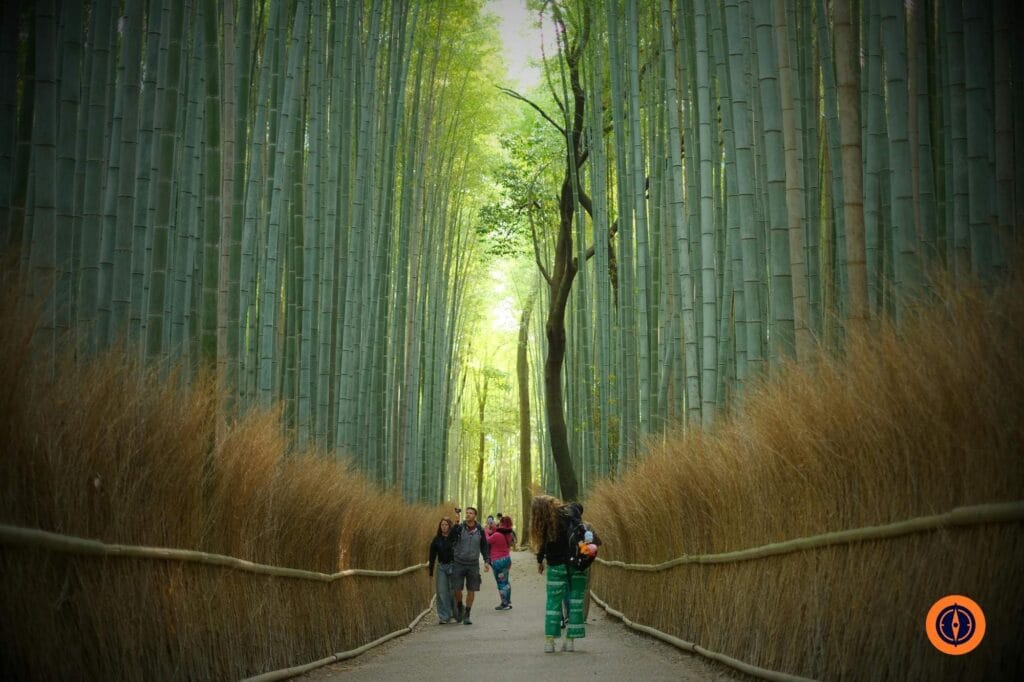
Arashiyama can also be rewarding, but it is best approached carefully. The bamboo grove is famous, but it can be crowded. If you go early, combine it with nearby temples, riverside walking or a slower meal, the area feels more worthwhile.
Nishiki Market works well for solo travelers because you can snack, browse and move at your own pace. It is not a place I would rush through as a checklist item. Treat it as a casual food-and-walking experience rather than a full meal replacement.
The Kamo River is one of Kyoto’s simplest solo pleasures. An evening walk here can be more memorable than trying to force another temple into a tired day. This is especially true if you are staying in Central Kyoto.
Kyoto also suits small cultural experiences. Tea experiences, cooking classes, craft workshops and guided walking tours can be useful for solo travelers who want light social contact without committing to group travel for the whole trip. If you feel lonely during the trip, one structured activity can reset the mood.
A Realistic 2-Day Kyoto Solo Itinerary
If you only have two days in Kyoto, keep the route focused.
On the first day, focus on Higashiyama and Gion. Start early at Kiyomizu-dera, then walk through the surrounding streets before the worst crowds arrive. Continue slowly toward Yasaka Shrine, Maruyama Park and Gion. In the evening, walk near the Kamo River or Pontocho if you still have energy.
This day works well alone because you can control the pace. The main risk is trying to add too many extra temples. Higashiyama is best when you give it room.
On the second day, choose between Fushimi Inari plus Central Kyoto, or Arashiyama plus a slower afternoon. Fushimi Inari is better if you want a classic shrine walk and good train access. Arashiyama is better if you want scenery and a slower western Kyoto day.
With only two days, I would not try to visit every famous Kyoto sight. Solo travel gives you freedom, but it also makes it easier to over-plan because no one is there to push back. Choose fewer places and experience them properly.
If Kyoto is part of a short wider Japan route, my Japan 7-day itinerary can help you keep Tokyo, Kyoto and Osaka realistic.
A Realistic 3-Day Kyoto Solo Itinerary
Three days is a much better amount of time for a solo Kyoto trip.
On day one, focus on Higashiyama, Kiyomizu-dera, Yasaka Shrine, Gion and the Kamo River. This gives you the classic Kyoto atmosphere early in the trip.
On day two, visit Fushimi Inari early, then return toward Central Kyoto, Nishiki Market, Pontocho or a quieter temple depending on your energy. This day gives you a mix of shrine walking, food and city atmosphere.
On day three, choose Arashiyama or a Nara day trip. Arashiyama keeps the day within Kyoto and works well if you want scenery, temples and a slower pace. Nara is better if you want a simple day trip and a different historical atmosphere.
For solo travelers, three days also gives you room for a rest pocket. This could be a slow cafe break, a laundromat hour, a riverside walk, or returning to the hotel before dinner. These pauses are not wasted time. They make the trip sustainable.
If you have ten days in Japan overall, my Japan 10-day itinerary shows how Kyoto can fit with Tokyo, Hakone, Nara and Osaka without rushing every day.
Eating Alone in Kyoto
Eating alone in Kyoto is usually comfortable, but it helps to choose the right kind of place.
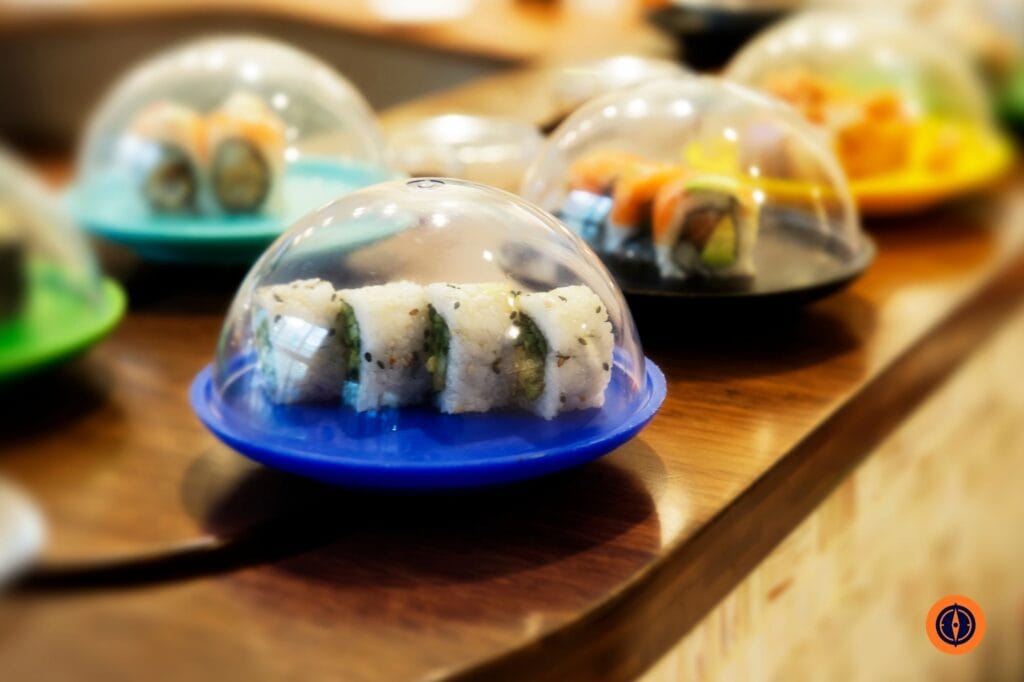
Casual restaurants, ramen shops, curry places, cafes, bakeries, conveyor sushi, department-store food floors, market snacks and small counter-seat restaurants are all good options for solo travelers. You do not need to make every meal a major event.
The bigger challenge is that some popular Kyoto restaurants are small, busy or reservation-focused. If you leave dinner too late in tourist-heavy areas, you may end up tired and indecisive. This is when solo travel can feel harder than it needs to.
A practical rhythm works better. Use breakfast or a cafe as an easy start, choose lunch near your sightseeing area, and plan dinner near your hotel or in Central Kyoto. If you are staying near Shijo, Kawaramachi, Sanjo or Kyoto Station, you will usually have more options.
Do not be embarrassed about eating alone. Japan is generally comfortable for solo dining, and many restaurants are used to individual customers. If a place feels too formal or awkward, simply choose somewhere more casual.
For solo travelers, the best food strategy in Kyoto is not chasing every famous restaurant. It is avoiding the tired, hungry, no-plan moment at the end of the day.
Kyoto Solo Travel Budget
Kyoto can be affordable or expensive depending mainly on accommodation timing and location.
Food and local transport are manageable for most travelers, but hotels can become expensive during cherry blossom season, autumn foliage season and major holiday periods. Solo travelers also feel accommodation costs more directly because there is no one to split the room with.
For a normal solo travel style, Kyoto daily costs might include a hotel, local transport, meals, temple entries, snacks and small extras. The biggest swing factor is the hotel. A well-located business hotel may cost more upfront, but it can save time, energy and taxi temptation.
Temple and shrine costs are usually manageable, but they add up if you stack too many paid entries in one day. A better approach is to choose a few meaningful sights and balance them with free walking areas.
If you are still estimating the full trip, my Japan travel budget breakdown explains realistic 7-day, 10-day and 14-day Japan costs, including accommodation, transport, food and sightseeing.
For Kyoto specifically, my practical budgeting advice is simple: spend more carefully on hotel location, not on trying to see every paid attraction. A good base improves every day.
Common Mistakes Solo Travelers Make in Kyoto
The most common mistake is trying to see too much.
Kyoto looks like a city where you can simply move from temple to temple all day, but that approach becomes tiring quickly. Many sights involve walking, stairs, crowds, bus waits and mental energy. If you try to visit five or six major sights in one day, the city may start to blur.
Another mistake is choosing a hotel that looks charming but does not support the route. Kyoto hotel location matters because the city’s sightseeing geography is not as simple as it appears. A weak base can create repeated friction.
A third mistake is relying too much on buses. Buses are useful, but they can be crowded and slow during peak periods. The official Kyoto tourism bus guidance specifically notes crowding during cherry blossom season, autumn foliage season and commuting hours. Use buses when they make sense, but also consider trains, subway routes, walking and occasional taxis.
Another mistake is visiting famous places at the same time as everyone else. Kiyomizu-dera, Fushimi Inari, Arashiyama and Gion can feel very different early in the morning compared with midday.
Solo travelers can also forget to plan meals. When you are alone, nobody else will suggest stopping for food. Build meals into the day before you are too tired.
Finally, some visitors forget that Kyoto is a living city, not a theme park. This matters most in areas like Gion, private lanes and residential streets. Respectful behavior is not just politeness; it protects the places you came to enjoy.
Kyoto Etiquette and Overtourism: What Solo Travelers Should Know
Kyoto has been dealing with overtourism pressure in certain areas, especially around Gion and other famous sightseeing zones. Solo travelers often move more quietly than groups, but you still need to be mindful.
In April 2026, Kyoto’s official tourism site published 4 Guidelines to Follow When Visiting Kyoto. The guidance asks visitors to respect Gion’s culture, avoid following or photographing geiko and maiko without permission, avoid trespassing, respect private property, protect the bamboo, and beware of unlicensed taxis.
This is important context for solo travelers because Kyoto’s atmosphere depends heavily on respect. The city’s charm comes from real neighborhoods, working cultural traditions and residential streets. A quiet lane may look like a photo spot, but it may also be someone’s home or private property.
The best approach is simple. Follow signs, do not enter private lanes, do not block narrow streets for photos, avoid photographing people without permission, and move gently in crowded areas.
A solo trip to Kyoto becomes more meaningful when you treat the city as a place people live in, not just a backdrop.
Best Day Trips From Kyoto for Solo Travelers
Kyoto is a good base for solo day trips because several excellent destinations are easy to reach by train.
Nara is the easiest classic day trip. It is manageable alone, culturally rich and different enough from Kyoto to feel worthwhile. You can visit major temples, walk through Nara Park and return to Kyoto without making the day too complicated.
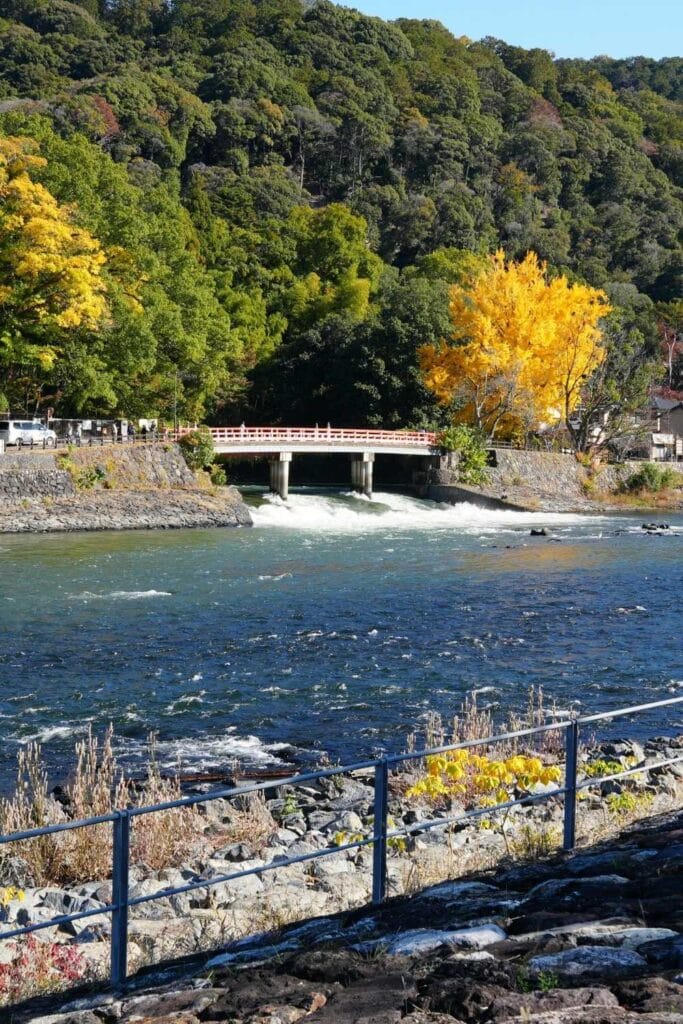
Uji is another strong option, especially if you like tea, riverside walks and a quieter pace. It is less overwhelming than some bigger day trips and works well for solo travelers who want a gentle half-day or slower day.
Osaka is easy to visit from Kyoto, especially in the evening. If you want food, nightlife and a more relaxed big-city energy, Osaka can balance Kyoto nicely. Some travelers prefer staying in Kyoto and visiting Osaka for dinner, while others prefer splitting nights between both cities.
Himeji is possible as a longer day trip, especially if you are interested in castles, but it requires more transport planning. For first-time solo travelers, I would prioritize Nara or Uji first unless Himeji is a major personal interest.
If you are still deciding whether to base yourself in Kyoto or Osaka, the article I’ll prepare later on Is Osaka Better as a Base or Day Trip From Kyoto? will help with that decision.
My Final Recommendation
Kyoto is one of the best cities in Japan for solo travelers, but it works best when you do not overload it.
The city is safe, beautiful and deeply rewarding alone. You can move at your own pace, start early, pause when you need to, and spend more time in the places that actually matter to you. This is where Kyoto suits solo travel especially well.
The main challenge is not whether Kyoto is “safe enough” or “interesting enough.” It is whether your plan is realistic enough. Choose a practical base, group sights by area, avoid chasing every famous temple, and leave space for the slower moments that make Kyoto memorable.
For most solo travelers, I would stay in Central Kyoto for balance or Kyoto Station for logistics. I would plan two or three focused sightseeing days, add one slower evening walk, and avoid turning Kyoto into a checklist.
If you are still choosing your hotel base, read my guide on where to stay in Kyoto for first-time visitors. If you are planning the wider trip, my Japan 10-day itinerary gives a more balanced route, while my Japan 7-day itinerary keeps the trip tighter for shorter visits.
Still deciding how to structure the full trip? My Japan 5-7 Day Starter Route Blueprint and Japan 8-14 Day Core Route Bundle are designed to help first-time independent travelers compare route options, hotel bases and pacing before booking.
FAQ: Kyoto Solo Travel Guide
Is Kyoto good for solo travel?
Yes, Kyoto is very good for solo travel. It is safe, culturally rich, walkable in many areas and full of solo-friendly experiences like temples, gardens, markets, riverside walks and cafes. The main challenge is planning the route realistically because sights are spread out.
Is Kyoto safe for solo female travelers?
Kyoto is generally safe for solo female travelers. Most travelers feel comfortable sightseeing alone during the day and returning to practical hotel areas at night. It is still important to choose a well-located hotel, keep your phone charged and use normal awareness after dark.
Where should solo travelers stay in Kyoto?
Solo travelers usually do best in Central Kyoto or Kyoto Station. Central Kyoto is better for food, evening walks and balance. Kyoto Station is better for transport, luggage and day trips. Gion/Higashiyama can also work if atmosphere is your priority and the hotel is well located.
How many days do solo travelers need in Kyoto?
Two days gives you a quick introduction, but three days is much better for solo travelers. Three days lets you explore Higashiyama, Fushimi Inari, Central Kyoto and either Arashiyama or a day trip without rushing too much.
Is it easy to eat alone in Kyoto?
Yes, it is generally easy to eat alone in Kyoto. Casual restaurants, ramen shops, cafes, curry places, bakeries, market stalls and counter-seat restaurants are comfortable for solo diners. It helps to plan dinner before you are too tired because popular areas can get busy.
Is Kyoto better than Osaka for solo travelers?
Kyoto is better if you want temples, culture, traditional streets and slower solo sightseeing. Osaka is better if you want food, nightlife, easier casual dining and a more relaxed big-city feeling. Many solo travelers enjoy visiting both.
Do I need a tour in Kyoto as a solo traveler?
You do not need a tour to enjoy Kyoto, but one guided walk, food tour, tea experience or cultural workshop can be useful if you want context or light social interaction. Most of Kyoto can still be explored independently.
What should solo travelers avoid in Kyoto?
Avoid overloading the itinerary, staying too far from useful transport, relying only on buses during crowded periods, leaving dinner too late, and treating private streets or cultural areas like photo sets. Kyoto is best when visited slowly and respectfully.
Disclosure: This post may contain affiliate links.


Compare prices across top platforms in seconds.