Where to Stay in Tokyo for First-Time Visitors
Best Areas Compared
Introduction
Deciding where to stay in Tokyo can feel more overwhelming than selecting the hotel itself. The districts that look close on a map may have different transfer patterns, station entrances, and different railway companies.
That is why the most popular area is not the ultimate base for staying. Your best option is the neighbourhood that lowers friction throughout the entire stay like luggage movement, airport arrival, evening meals, sightseeing routes and departure to your next destination.
One traveller may choose to stay in Shinjuku as most planned activities are in western Tokyo, another may consider for a smoother trip in Ueno because they are arriving via Narita and prioritising eastern Tokyo, Akihabara, and Asakusa. While others might want quick access to Kyoto and may value Shinagawa or Tokyo Station more than nightlife.
This guide compares the most useful Tokyo hotel bases for first-time independent travellers who want to choose their accommodation according to the route they will actually follow instead of booking in an area that appears on every generic Tokyo list.
If you are still deciding how Tokyo should fit into your trip, you can refer to this guide first before choosing a hotel.
Quick Answer: What Is the Best Area to Stay in Tokyo?
There is no best area to be choosed, but the following six bases cover the travel needs of first-time visitors:
| Tokyo area | Best for | Main advantage | Main trade-off |
|---|---|---|---|
| Shinjuku | Flexible sightseeing, nightlife and Western Tokyo | Extensive evening and transport choices | Confusing, intense, and large |
| Ueno | Eastern Tokyo, Narita access, and value | Approachable hotel prices and practical transport | Less handy for repeated western Tokyo days |
| Asakusa | Calmer evenings and traditional atmosphere | Walkable neighbourhoods and districts | Longer journeys to Shinjuku and Shibuya |
| Shibuya | Modern Tokyo, nightlife, and shopping | Excellent positioning for western Tokyo | Crowded, expensive, and station-heavy |
| Tokyo Station or Ginza | Central convenience, comfort, and Shinkansen | Polished surroundings and efficient for ongoing travel | Higher hotel prices |
| Ikebukuro | Better value in western base | Many services and strong rail access | Busy station with less atmospheric for first trip |
If you are completely lost, it is recommended to start with Shinjuku, Ueno, and Asakusa to understand these areas in greater depths.
Choose Your Tokyo Hotel Base by Trip Shape
Before comparing room rates on booking platforms, you must determine what role the hotel plays in your entire trip. If Tokyo is your entry point to Japan, your first night should concentrate wholly on reducing stress. Navigation fatigue, immigration queues, and long-haul flights make complex transfers impractical.
Hence, when booking the hotel, prioritize and look for properties that are accessible via the Haneda Airport Monorail or Narita Express (N’EX) without transfers, select hotels that providing automated luggage drop-off or 24-hour desks, ensure a smooth walk under 5 minutes from the station exit to avoid navigating crowds with heavy luggages, and the area should also closed to a quiet local izakaya which is more valuable than a bustling nightlife district or a high-quality konbini (convenience store).
Tokyo is not a centralized city, it is a collection of different districts so it is important to group your hotel option by geographic concentration which will save hours of daily commuting time on the Tokyo Subway network. For instance, the key neighbourhoods in Western Tokyo include Shinjuku, Shibuya, Harajuku, Omotesando, Nakano, while the neighbourhoods of Eastern Tokyo include Ueno, Asakusa, Akihabara, Tokyo Skytree, Ginza.
If Tokyo is the beginning of a longer Japan route, your departure may equally important. For example, you will stay near Shinagawa Station or Tokyo Station for direct access to the Tokaido Shinkansen and heading to Osaka or Kyoto, or choose Shinjuku to make use of the Odakyu Romancecar for your Hakone trip, or staying near Ueno Station to take the high-speed Keisei Skyliner for heading to Narita Airport.
Your evening route is the final part of the hotel decision. While you will travel across the city during the day for sightseeing, but you will return to the hotel every night. A neighbourhood with a manageable station, accessible late-night dining, and well-lit streets becomes more valuable after a 20,000-step day.
Shinjuku: Best for Western Tokyo and Big-City Energy
Shinjuku is one of Tokyo’s premier choice for accommodation because it combines late-night activity, entertainment, shopping, restaurants, hotels and railway connections within one district. It is specifically useful when your itinerary includes day trips, western Tokyo, Nakano, Meiji Jingu, Harajuku, or Shibuya departing via Shinjuku. The Odakyu services and Shinjuku Expressway Bus Terminal also make the area useful for particular Hakone and regional routes.
According to the transit data from official website, Shinjuku Station is one of the busiest transport hub in the world. It integrates:
- JR East Lines: Sobu, Chuo, and Yamanote lines.
- Subway Networks: Toei Subway (Shinjuku and Oedo lines) and Tokyo Metro Marunouchi Line.
- Private railways: Seibu, Keio, and Odakyu lines.
- Highway Buses: The Shinjuku Expressway Bus Terminal (Busta Shinjuku) provides direct routes to overnight destinations, Hakone, and Mt. Fuji.
The variety provides excellent flexibility, but it is also challenging for first-time visitors to navigate.
The Main Shinjuku Trade-Off
Booking a hotel that is simply listed as “Central Shinjuku” is a common tourist mistake. The station has multiple nearby stations, underground routes, exits, and sides that may be more useful than the central area.
- The West Side (Nishi-Shinjuku): It is a kind of skyscraper district dominated by luxury business hotels like the Hyatt Regency Tokyo and the Keio Plaza Hotel. It provides a quieter evening environment, a corporate atmosphere, and broad sidewalks that is ideal for business travellers and families.
- The South Side: Highly modern and accessible. It provides seamless access to the premium shopping complexes like Takashimaya Times Square and the Shinjuku Expressway Bus Terminal.
- The East Side & Kabukicho: It is the entertainment hub of Tokyo and you can find the neon-drenched streets and popular Godzilla head. While staying within Kabukicho means you will experience touts, loud nightlife, and intense crowds. It is suitable for couples or solo travellers seeking nightlife, but not ideal for families with children.
- Shinjuku-sanchome: It located just east of the main station hub. This area provides a boutique alternative with direct access to the Tokyo Metro, excellent local dining, and a more manageable scale than the central complex.
Who Should Choose Shinjuku?
Shinjuku works best if you want late-night dining options, an energetic base, value for different transit options, and planning for day trips to Hakone or Kawaguchiko. It is less suitable if large stations make you anxious, you are travelling alone with extensive luggage, or you prefer a quiet and residential neighbourhood after dark.
Ueno: Best for Practicality, Narita Access and Value
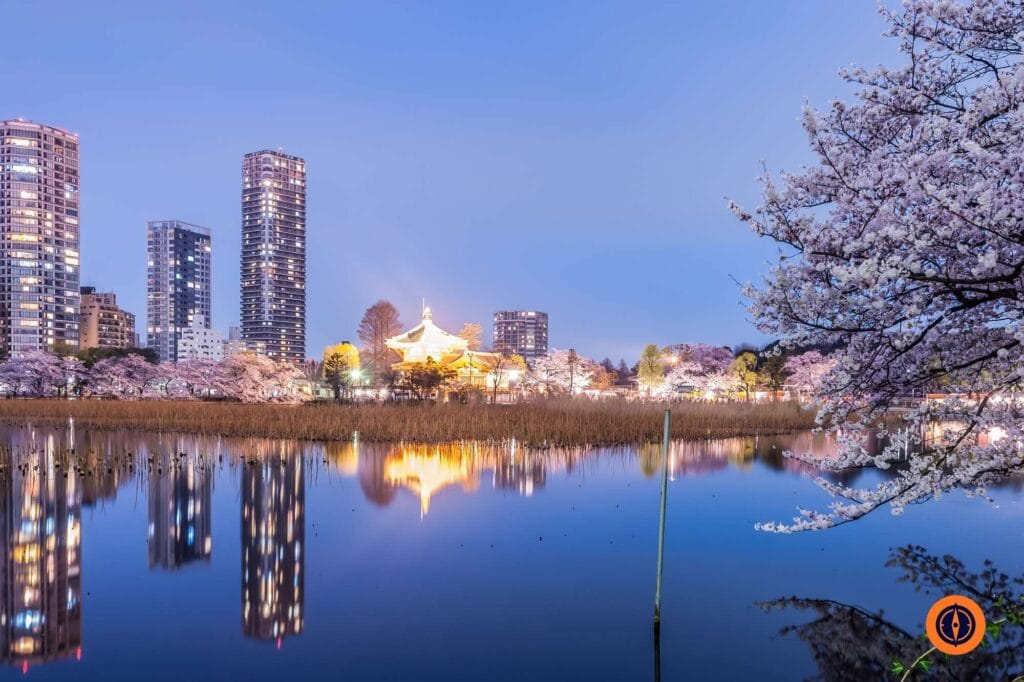
Ueno is one of the strongest and strategic hotel bases in Tokyo, particularly for first-time visitors because it provides less overwhelming alternative compared to the western Tokyo like Shibuya or Shinjuku, while still offering useful transit connectivity and excellent neighbourhood culture.
If your itinerary is heavily focused on shopping, history, and cultural exploration, the area works especially well for visits to Ueno Park and Museum District, Tokyo Skytree and Asakusa which is just a few minutes away from the Tokyo Metro Ginza Line, Akihabara which is the hub for gaming culture, anime, and electronics and also the Shinkansen Network which is perfect to travel to northern Japan like Hokkaido or Tohoku.
In addition, the famous Ameyoko Shopping Street also offers street food stalls, discount cosmetic shops, and casual open-air Izakayas without having to navigate a chaotic nightlife district after 8 p.m.
Why Ueno Works for Narita Arrivals
Keisei Ueno offers a direct railway connection with Narita Airport. It can make Ueno one of the smoothest first-night bases when your flight lands at a comfortable time. However, Keisei Ueno Station (where you arrive from Narita) and JR Ueno Station (where you catch bullet trains and local city lines) are separate facilities. While they are linked by street-level walkways and manageable underground, they do not share the same platforms.
Hence, when booking your hotel, verify whether the property sits near to Okachimachi Station, Keisei Ueno, or JR Ueno. Aligning your hotel location with your most used of daily transit line will save you valuable walking time.
The Main Ueno Trade-Off
Ueno is less efficient if most of your plans are in Shinjuku, Harajuku, Shibuya, and other western districts as staying here means you will need approximately 25-30 minutes cross-city train ride every morning and evening to visit the areas.
However, it is still the best option for travellers who want better hotel value, eastern Tokyo access, and practical transport without staying in a distant suburb.
Asakusa: Best for Traditional Atmosphere and Calmer Evenings
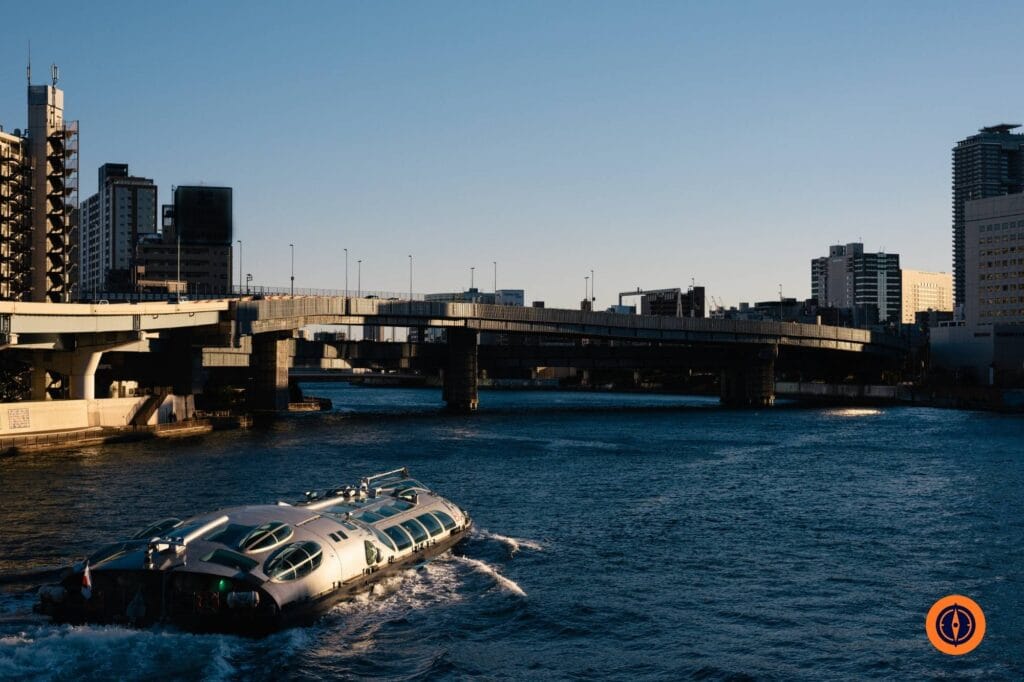
Asakusa offers a more charming and traditional experience in Tokyo that feels different from modern skyscrapers. It centers around the bustling Nakamise Shopping Street, the iconic Kaminarimon (Thunder Gate), Senso-ji Temple, older shopping streets and the Sumida River, giving it a different rhythm from Shibuya or Shinjuku. The neighbourhood truly shines during the early mornings and late evenings where the crowds thin out.
The district is linked by the Tobu Skytree Line, Toei Asakusa Line, and the Tokyo Metro Ginza Line. but first-time visitors need to look closely at the hotel maps as several distinct railway operators use the name “Asakusa Station” which is a not a single unified building, their exits and platforms are physically separated.
Hence, it is vital to check the exact operator indicated on the map and the route from the entrance to the hotel if you plan to use an airport through-service or carry luggage.
The Main Asakusa Trade-Off
Asakusa located at the northeastern corner, it is not quite an efficient base for travelling to Harajuk, Shibuya, or Shinjuku for sightseeings as it usually takes around 35-45 minutes each way and almost always requires a train transfer. You will only choose this area if you genuinely want a historic and walkable base with quiet evenings. Do not book it just because of the cheaper room rates if most of your itinerary takes place on the opposite side of Tokyo.
Shibuya: Best for Shopping, Nightlife and Modern Tokyo
Shibuya is a good base for travellers who want modern Tokyo outside of their lobby door. Nightlife, restaurants, cafes, shopping and immediate access to Daikanyama, Ebisu, Omotesando, and Harajuku are its main benefits. If most of your planned days are in western Tokyo, staying here can lower repeated evening journeys.
However, the prices of the hotel rooms here are among one of the highest, and the layouts are notoriously compact. Multiple railway operators like Keio Inokashira Line, Tokyu services, Tokyo Metro, and JR Lines can also create confusion as navigating these complex underground transfers and managing heavy luggage can be incredibly stressful.
You do not need to stay here if you just want to see the popular Shibuya Crossing and take a few photos. Only pay the Shibuya premium if you plan to visit its nightlife scene or late-night dining after 10 p.m.
Tokyo Station and Marunouchi: Best for Shinkansen Convenience
Tokyo Station and Marunouchi are suitable for travellers who prioritise comfortable hotels, polished surroundings, and efficient transport. This here is especially beneficial when the next route starts with an early Shinkansen.
The Marunouchi which on the west side of Tokyo Station is elegant, quiet, and occupied by luxury hotels, it is facing Imperial Palace, features a more refined business district atmosphere, manicured plazas, and historic red-brick architecture.
While the Yaesu which on the east side of Tokyo Station functions as the high-traffic transit hub and packed with highway bus terminals, commercial shopping streets, and vast subterranean dining alleys.
The nearby Nihonbashi and Kyobashi are another excellent alternatives which providing a quieter neighbourhood vibe while having a manageable 10-minute walk to the primary Tokyo Station complex.
The Main Tokyo Station Trade-Off
The hotels here cater heavily to luxury travellers and business executives which often cost more than those in Ikebukuro, Asakusa, or Ueno. Choose this area if your route is into more Shinkansen access, comfortable hotels, or business district. It is less attractive if vibrant neighbourhood, nightlife and budget is the main priority.
If you are commuting to the west, this article explains whether the Shinkansen is the right option for your route.
Ginza: Best for Comfort, Shopping and Central Positioning
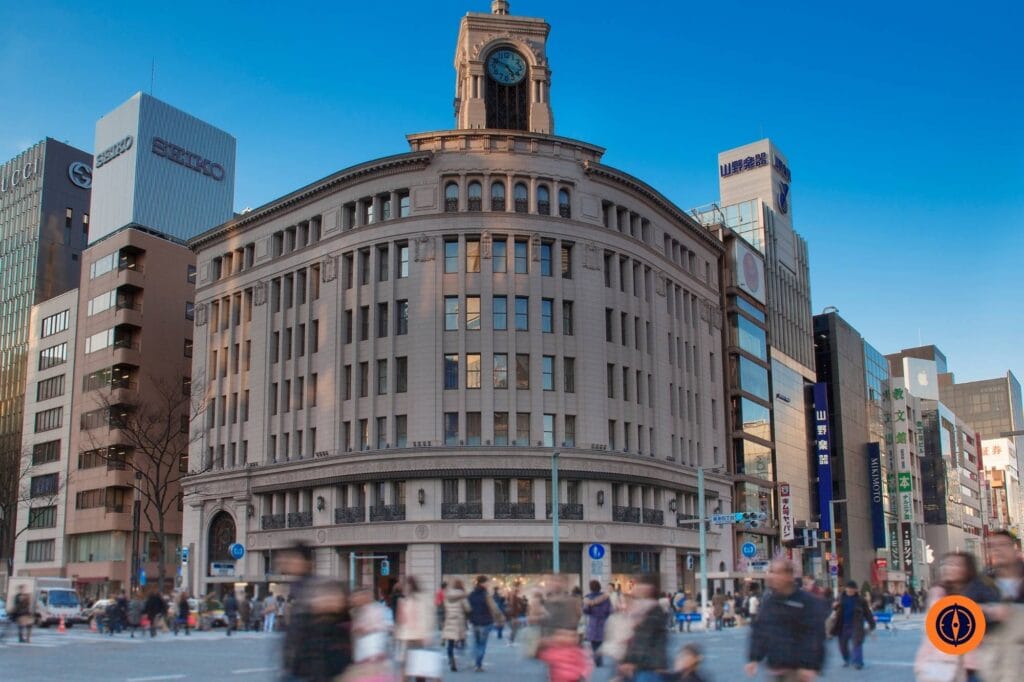
Ginza offers a polished base with useful subway connections, cafes, restaurants, and department stores. It also sits at the geographical heart of the city, positioning you next to Tsukiji, Hibiya, Yurakucho, and Tokyo Station.
Comfort-focused travellers and couples may prefer Ginza’s orderly evening environment over the intensity of Shibuya or Shinjuku. It is central enough to support a highly varied itinerary without relying on an enormous JR station every morning.
The district is a massive hub for the Tokyo Metro network, but reserving a hotel that simply listed under “Ginza” can significantly change the daily transit:
- Ginza Station: Best for local subway lines (Hibiya, Marunouchi, and Ginza lines) that cut directly via central Tokyo.
- Higashi-ginza Station: Highly convenient for the Toei Asakusa Line which providing direct airport through-services to both Haneda and Narita.
- Shimbashi Station: Locates on the edge of Ginza, offering you immediate access to the the Yurikamome line to Odaiba and the critical JR Yamanote Line loop.
The main disadvantage is the price as budget travellers may find that Asakusa or Ueno offers a better balance, while travellers wanting nightlife may prefer Shibuya or Shinjuku. When comparing Ginza hotels, check the closest subway line rather than depending on the district name. A hotel near Shimbashi, Higashi-ginza or Ginza can create a different daily route even if all three properties show up under “Ginza” in booking results.
Ikebukuro: Best Value Alternative in Western Tokyo
Ikebukuro is one of the best-kept secrets for budget-conscious travellers in Tokyo who still want to stay on the trendyu west side of the city and the hotel prices in Shibuya and Shinjuku are too high. It is a massive commercial hub that packed with endless options of entertainment, restaurants, and shopping complexes.
For pop-culture fans, Ikebukuro is also a major destination for spending time in the Pokémon Center Mega Tokyo, the massive Sunshine City complex, and an anime shopping district that rivals Akihabara.
Staying in Ikebukuro can well connected to the JR Yamanote Line loop and making your daily trips to Harajuku, Shibuya, and Shinjuku incredibly affordable and fast. In addition, it offers significantly cheaper room rates and more spacious hotel options than Shibuya.
The Main Ikebukuro Trade-Off
It is one of the busiest transportation hubs in the world and choosing this neighbourhood does not save you from the station complexity, you will still have to navigate the daily crowds and train platforms. Moreover, the neighbourhood can feel more like a modern and dense commercial district rather than an “iconic” postcard view of Tokyo such as the historic streets of Asakusa or Shibuya Crossing.
Shinagawa and Hamamatsucho: Best as Transit Bases
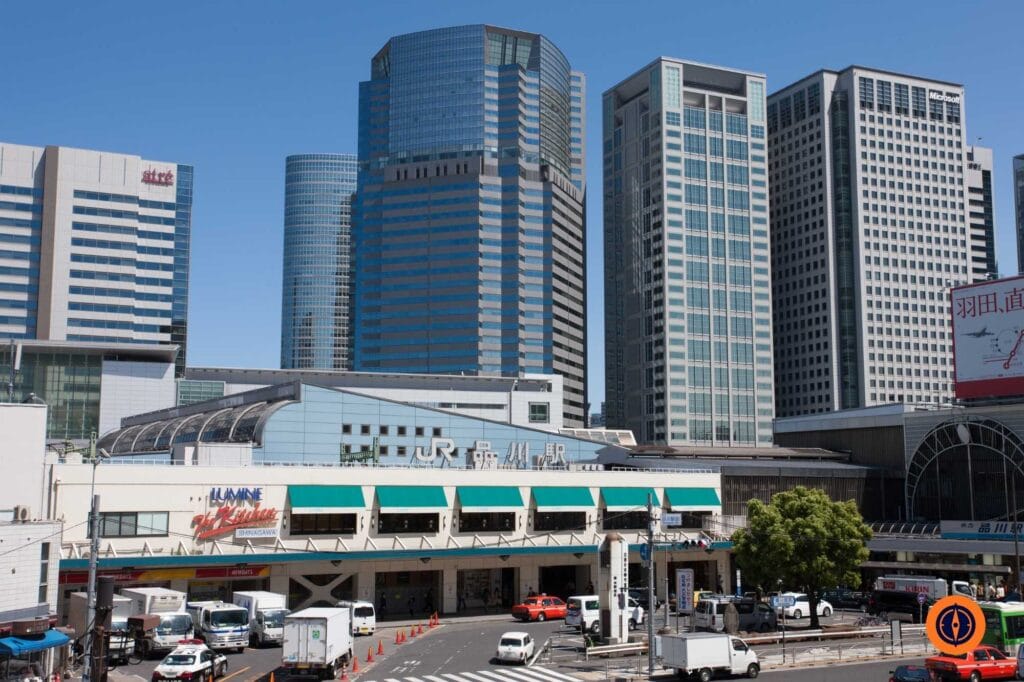
While Shinagawa and Hamamatsucho are highly efficient for daily transits, they are typically operational bases rather than atmospheric neighbourhoods.
- Shinagawa Station: Best for Haneda Airport Access, seamless one-night stays, and immediate Tokaido Shinkansen connections to Kyoto/Osaka.
- Hamamatsucho Station: Best for rapid central-city connections and the Tokyo Monorail link.
Neither area is recommended for first-time visitors who are going to spend 4-5 sightseeing days in Tokyo. They lack of the engaging neighbourhood culture found elsewhere. You will only select these bases if your airport arrival or departure is in urgent need of the location. If you arrive early enough to reach other bases comfortably, there is not need to stay in Shinagawa simply because your flight lands at Haneda.
Which Tokyo Area Is Best for Haneda Airport?
Haneda is located nearer to central Tokyo than Narita which providing versatile choices in terms of taxis, highway buses, monorail, and rail.
- Shinagawa pairs perfectly with Keikyu Line services.
- Hamamatsucho is useful for the Tokyo Monorail.
- Ginza, Tokyo Station, Asakusa, Shibuya and Shinjuku are also manageable depending on the final hotel walk, arrival time, and service.
Tips: Do not select your hotel mainly by looking at an airport map alone. A direct train followed by a difficult 15-minute walk with heavy luggage is far less comfortable than one easy transfer to a hotel’s correct station exit.
Which Tokyo Area Is Best for Narita Airport?
Narita locates much farther outside central Tokyo, making your arrival time is just as important as your hotel option.
- Ueno and Nippori: The most straightforward bases by using the high-speed Keisei Skyliner services.
- Tokyo Station and Shinjuku: Highly efficient when use the dedicated airport limousine buses or the Narita Express (NEX).
- Asakusa: It can be very convenient when the correct through-service matches your arrival time.
Reminder: If your flight arrival is late, prepare for a realistic delays in luggage-claim, customs, and immigration. Do not assume you will automatically catch the last convenient train into the city. The detailed Haneda vs Narita guide explains how to combine the decisions in terms of hotel bases, flight time, and airport.
Should Your Tokyo Hotel Match Your Departure Route?
Your first hotel should protect your arrival, but it should also ideally support your departure. Moving hotels inside Tokyo merely to save a short railway journey usually creates more frictions than it removes.
- Heading to Kyoto/Osaka (Tokaido Shinkansen): Prioritize Shinagawa or Tokyo Station.
- Heading to Hakone or Mt. Fuji: Prioritize Shinjuku for the highway buses or Odakyu Romancecar.
- Heading to Nikko or Northern Japan: Prioritize Ueno (Northern Shinkansen lines) or Asakusa (Tobu Line).
If your departure is very early, booking one final transit night near your departure hub is worthwhile. Otherwise, stay in the same Tokyo hotel and commute to the departure station on the day. This is also where deciding whether Tokyo or Kyoto should come first in your itinerary is the easiet way to prevent unnecessary hotel changes.
Tokyo Hotel Costs: What Should You Expect?
Hotel prices fluctuates heavily based on seasonal demand, booking conditions, and room type. Expect significant price surges during major holiday weekends, New Year, Cherry Blossom season (late March–early April), and limited family-room availability.
Average Tokyo Planning Rates (Per Night)
| Accommodation Tier | Estimated Cost Range (JPY) | Target Traveller |
|---|---|---|
| Capsule / Hostel Dorm | ¥4,000 – ¥9,000 | Budget solo travellers |
| Compact Business Hotel | ¥9,000 – ¥20,000 | Solo travellers / couples prioritizing utility |
| Mid-Range Western Hotel | ¥18,000 – ¥35,000+ | Families, couples, or those needing extra space |
| Luxury / Premium Hotel | ¥35,000+ | Luxury-focused travellers |
Note: These are estimated planning ranges, not guaranteed market prices. Always cross-check your exact calendar dates across multiple neighbourhoods.
Saving ¥3,000 a night on a hotel room may become less valuable if the hotel adds additional train transfers, a long walk, and an inconvenient airport transit route. For holistic budget planning, you can refer to Japan travel budget breakdown which includes attraction tickets, regional rail passes, and food.
When Should You Book a Tokyo Hotel?
For ordinary dates, start monitoring prices and booking rooms 3-5 months prior to arrival. It is best to book in advance if your trip concides with the New Year, Golden Week, or cherry blossom peak, or if you need hotels or connected family rooms with direct Airport Limousine Bus access.
Consider for a refundable booking while your wider route is still flexible. Once the Tokyo night, arrival airport and ongoing destinations are confirmed, evaluate whether converting to a non-refundable with stricter booking for worthwhile savings.
Tips: Do not reserve 10 different Tokyo hotels at the same time and hold them for months. Keep one backup option while finishing your research, then release unnecessary reserved rooms so your itinerary remain accurate and clear. You can also refer to Japan hotel-booking timeline which explains which hotels should be secured first across Tokyo, Kyoto, Osaka and regional stays.
Conclusion
For most first-time visitors, Ueno, Shinjuku and Asakusa is still remain the best options. Nevertheless, the best Tokyo base is not the districts with the most attractions, it is the district that makes your departure, evenings, daily movement, and arrival feel like one connected plan.
Frequently Asked Questions (FAQs)
What is the best area to stay in Tokyo for first-time visitors?
Ueno, Shinjuku, and Asakusa remain the top choices for first-time visitors. Choose Ueno for smoother Narita Airport transit and budget-friendly value. Choose Shinjuku if you prefer western Tokyo access, late-night dining, and vibrant nightlife. Choose Asakusa if you are more into traditional and quieter Japanese atmosphere.
Is it better to stay near Haneda or Narita Airport?
Haneda Airport is nearer to the central Tokyo (roughly 30 minutes away) which making it the preferred option for convenience. Narita Airport locates much farther (appreoximately 60-90 minutes away). If flying into Haneda, consider for hotels in Hamamatsucho or Shinagawa while for Narita Airport, you can look for hotels that near to Nippori or Ueno.
Is it worth changing hotels within Tokyo to save transit time?
No. Moving hotels during your mid-trip in Tokyo for saving a shorter transit time usually create more hassle like luggage dragging and packing. Consider to pick the central and highly connected bases like Ueno or Shinjuku and stay there for your entire trip in Tokyo. Only change hotels if you are departing on a very early morning flight.
How many months in advance should I book a hotel in Tokyo?
For standard travel dates, you should start researching and booking rooms 3-5 months before arrival. If your trip falls during peak seasons like Golden Week or Cherry Blossom, or you need rare family rooms with multiple beds, book 6 months or more in advance.
Should I stay in Shinagawa or Shinjuku?
If you only have one night stay and need immediate access to the Tokaido Shinkansen line to Kyoto or have an early flight out of Haneda, stay in Shinagawa. While if you are spending 3 or more nights for sightseeings, consider to stay in Shinjuku as it provides various options for shopping, dining, entertainment, and so on.
Disclosure: This post may contain affiliate links.



Compare prices across top platforms in seconds.