🇻🇳 Vietnam Solo Travel Budget Breakdown
(Realistic Cost Guide for 2026)
Introduction
Vietnam is widely considered one of the most affordable travel destinations in Southeast Asia. However, actual travel costs vary depending on accommodation style, transportation choices, and activity preferences.
For solo travelers, budgeting accurately requires understanding both daily expenses and transportation costs between regions. Vietnam’s long north-to-south geography means travel between cities can become a significant part of the overall budget.
This Vietnam solo travel budget guide provides a realistic breakdown of accommodation, food, transportation, activities, and emergency funds to help you estimate the cost of an independent trip.
Before estimating expenses, you may also want to review the complete Vietnam solo travel guide, which explains destinations, transportation, and travel preparation.
Average Daily Budget in Vietnam
Daily costs in Vietnam depend largely on accommodation choices, transportation frequency, and the number of organized activities included in your itinerary.
Below is a general estimate for solo travelers.
Budget Traveler
Typical characteristics:
- Hostel dorm accommodation
- Primarily street food or local restaurants
- Sleeper buses or trains for long-distance travel
- Limited organized tours
Estimated daily range: $25–$50
Mid-Range Traveler
Typical characteristics:
- Private rooms in guesthouses or boutique hotels
- Combination of local and international dining
- Domestic flights for longer distances
- Several organized tours or activities
Estimated daily range: $50–$110
Higher Comfort Travel
Typical characteristics:
- Mid-range or upscale hotels
- Frequent restaurant dining
- Domestic flights between regions
- Premium tours and experiences
Estimated daily range: $110+
Quick Comparison Table
| Travel Style | Estimated Daily Budget |
| Budget | $25–$50 |
| Mid-range | $50–$110 |
| Higher Comfort | $110+ |
These estimates exclude international flights but include typical daily expenses within Vietnam.
Accommodation Costs in Vietnam
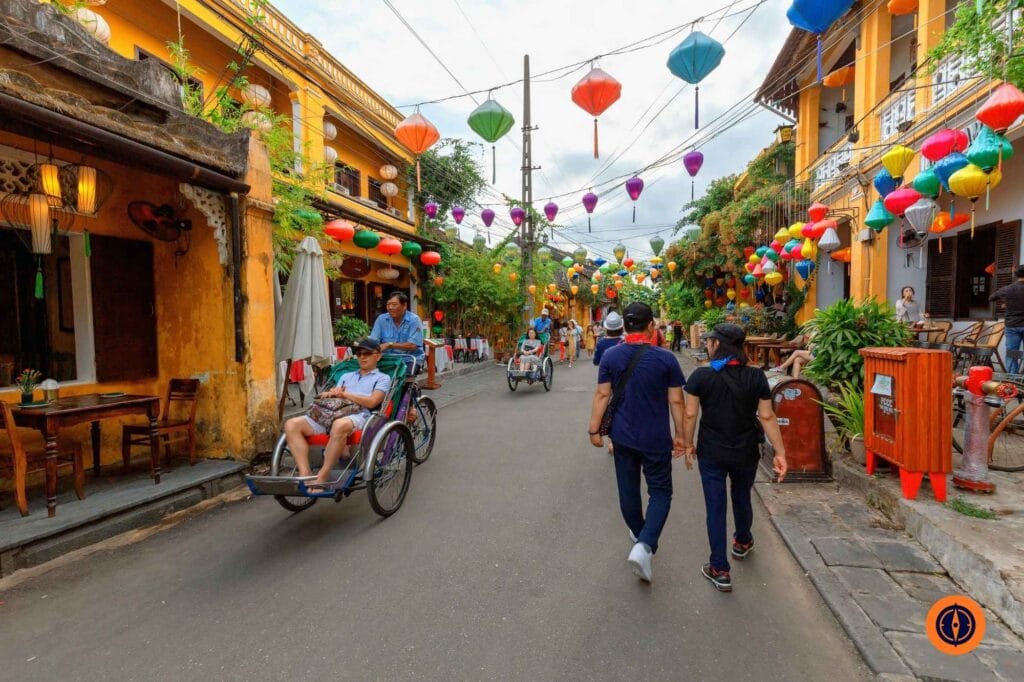
Accommodation prices in Vietnam vary by city, location, and season. Major tourist areas such as Hanoi’s Old Quarter or Hoi An’s historic center may have slightly higher prices than smaller towns.
Hostels
Hostels are common in major travel hubs.
Typical pricing:
- Dorm bed: $6–$18 per night
- Private hostel room: $18–$40 per night
Many hostels include social areas, organized tours, and assistance with transport bookings.
Budget Hotels and Guesthouses
Budget hotels provide private rooms with basic amenities such as air conditioning and private bathrooms.
Typical pricing:
- Budget hotel: $20–$45 per night
These accommodations are widely available in tourist districts.
Mid-Range Hotels
Mid-range hotels offer:
- Larger rooms
- More reliable service
- Central locations
- Additional amenities such as breakfast or pools
Typical pricing:
- Mid-range hotel: $45–$100 per night
Prices may increase slightly in highly visited destinations such as Hoi An.
Location Impact on Pricing
Accommodation costs may be higher in:
- Hanoi Old Quarter
- Hoi An Ancient Town
- Popular coastal areas
Lower prices are typically found in:
- Smaller towns
- Non-central districts
- Off-season travel periods
Booking early during peak travel months helps stabilize prices.
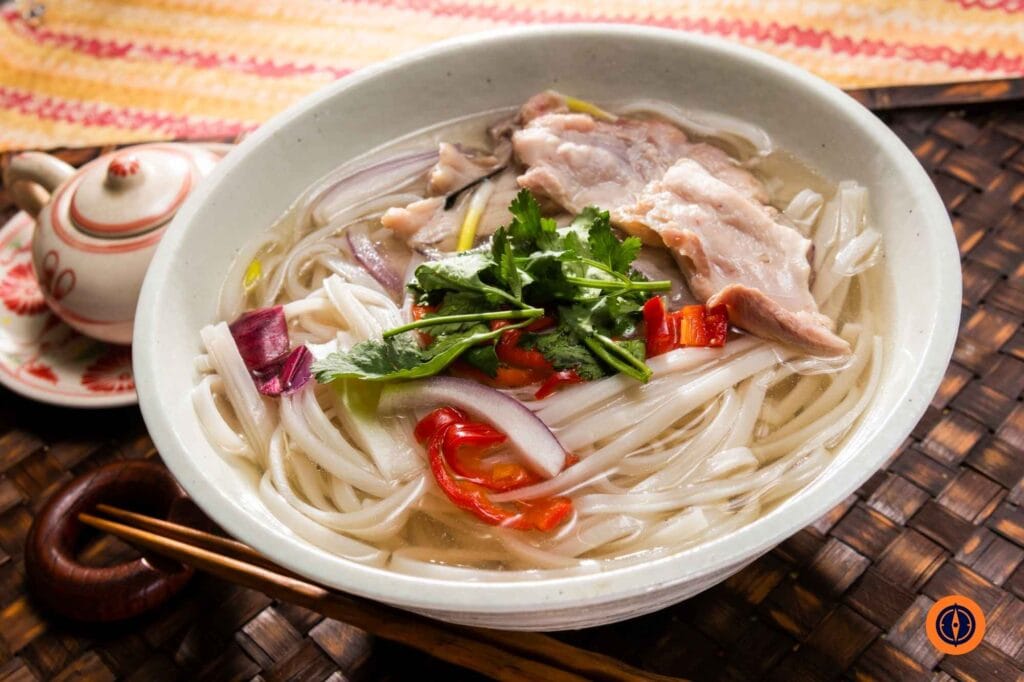
Food and Dining Costs in Vietnam
Vietnam’s food culture makes daily meals both affordable and accessible. Street food and small local restaurants provide cost-effective options for solo travelers.
Street Food and Local Meals
Street food is widely available in cities and tourist districts.
Typical prices:
- Local street food meal: $2–$5
- Small local restaurant: $4–$10
These meals often include popular dishes such as pho, banh mi, or rice-based meals.
Casual and Western Dining
International restaurants and cafés are common in larger cities and tourist hubs.
Typical prices:
- Casual Western meal: $10–$20
- Café drinks or specialty coffee: $3–$6
Dining regularly at Western restaurants can increase daily food expenses.
Estimated Daily Food Budget
- Budget traveler: $10–$20 per day
- Mid-range traveler: $20–$40 per day
Choosing a mix of street food and casual restaurants allows travelers to manage costs while experiencing local cuisine.

Transportation Costs in Vietnam
Because Vietnam stretches over a long north-to-south route, transportation can become one of the largest components of your travel budget. Choosing the right combination of buses, trains, and flights helps balance time and cost.
Urban Transportation
In major cities such as Hanoi and Ho Chi Minh City:
- Ride-hailing services (Grab): $2–$8 per ride
- Taxi rides within city center: $4–$12 depending on distance
- Motorbike taxis: $1–$4 for short distances
Ride-hailing apps are widely used and provide more predictable pricing than traditional taxis.
Long-Distance Transportation
Travel between regions often requires buses, trains, or flights.
Typical price ranges:
- Sleeper bus: $10–$25
- Train ticket: $15–$40 depending on seat class
- Domestic flight: $30–$90 when booked in advance
Flights are the fastest option for longer distances such as Hanoi to Ho Chi Minh City.
Transportation Strategy
To manage costs efficiently:
- Combine flights with buses or trains
- Book long-distance transport early
- Limit unnecessary backtracking between regions
Travelers following a north-to-south route often reduce total transportation expenses.
Tour and Activity Costs
Many of Vietnam’s most popular experiences involve organized tours, particularly in areas where independent travel logistics can be complex.
Examples include:
- Ha Long Bay cruises
- Mekong Delta tours
- Sapa mountain treks
- Cu Chi Tunnels excursions
Booking through reputable agencies improves reliability and safety.
Travelers should also be aware of common scams when managing their travel budget. Our Vietnam solo travel safety guide explains practical precautions for visitors.
Day Tours
Typical pricing:
- City walking tours: $10–$30
- Mekong Delta day trip: $25–$50
- Cu Chi Tunnels tour: $20–$40
These tours usually include transportation and guide services.
Multi-Day Experiences
Certain destinations require longer organized trips.
Typical pricing:
- Overnight Ha Long Bay cruise: $100–$200+
- Sapa trekking tours: $80–$150 depending on duration
These prices often include accommodation, meals, and transport.
Activity Budget Planning
For a typical 10-day trip:
- Minimal tours: $50–$120 total
- Moderate tour participation: $120–$300 total
The number of guided activities included in your itinerary will significantly affect total trip cost.
Estimated Cost for a 10-Day Vietnam Solo Trip
To provide a realistic overview, the following estimates assume a typical north-to-south itinerary including Hanoi, Central Vietnam, and Ho Chi Minh City.
These estimates exclude international flights.
Budget Traveler
Typical characteristics:
- Hostel accommodation
- Mostly street food and local meals
- Sleeper buses or trains for long-distance travel
- Limited organized tours
Estimated costs:
- Accommodation (9 nights): $60–$160
- Food (10 days): $100–$200
- Transportation between cities: $60–$150
- Tours and activities: $50–$120
- Estimated total: $270–$630
Mid-Range Traveler
Typical characteristics:
- Private hotel rooms
- Combination of local and Western dining
- Domestic flights for longer routes
- Several organized tours
Estimated costs:
- Accommodation (9 nights): $250–$600
- Food (10 days): $200–$400
- Transportation between cities: $100–$250
- Tours and activities: $120–$300
- Estimated total: $670–$1,550
These estimates vary depending on season, booking timing, and number of tours included.
Travelers who prioritize comfort or additional guided experiences should expect higher costs.
If you are planning a route through the country, this 10 days Vietnam solo travel itinerary outlines a practical travel plan and estimated daily expenses.
Emergency Fund and Budget Tips
Even with careful planning, unexpected expenses may arise during travel. Setting aside a financial buffer helps avoid stress if plans change or costs increase.
Recommended Emergency Buffer
A practical guideline is to reserve:
- 10–20% of your total travel budget
This fund may help cover:
- Transportation changes or missed connections
- Medical consultations
- Additional accommodation nights
- Lost or damaged belongings
Having a buffer allows flexibility when adjusting plans.
Practical Budget Tips for Vietnam
To keep expenses manageable:
- Use a mix of buses, trains, and flights depending on distance
- Eat primarily at local restaurants and street vendors
- Book tours through reputable agencies rather than street sellers
- Avoid unnecessary backtracking between regions
Following a north-to-south route often reduces both travel time and transportation costs.
Travelers planning their first independent trip may also want to review our solo travel budget guide, which explains how to estimate travel expenses before choosing a destination.
Conclusion
Vietnam remains one of the most affordable destinations for solo travelers, particularly when daily expenses are planned realistically. Accommodation, food, and transportation costs can remain manageable while still allowing a comfortable travel experience.
Understanding how transportation and tours affect your budget helps create a more accurate financial plan.
Travel costs can also vary depending on where you go. This guide to the best cities in Vietnam for solo travelers compares destinations and travel styles.
Disclosure: This post may contain affiliate links.




Compare prices across top platforms in seconds.