Shirakawa-go Day Trip
Kanazawa or Takayama?
Introduction
Researched on 15 September 2026 using official tourism and transport sources. Suggested visit lengths and walking sequences are editorial recommendations, not claims of personal testing. Recheck services for your travel date.
A Shirakawa-go day trip works well from either Kanazawa or Takayama, but the best departure point depends on the rest of your journey. Returning to the same hotel keeps luggage arrangements simple. Stopping between the two cities can avoid backtracking, provided you arrange both bus journeys and somewhere to leave your bags.
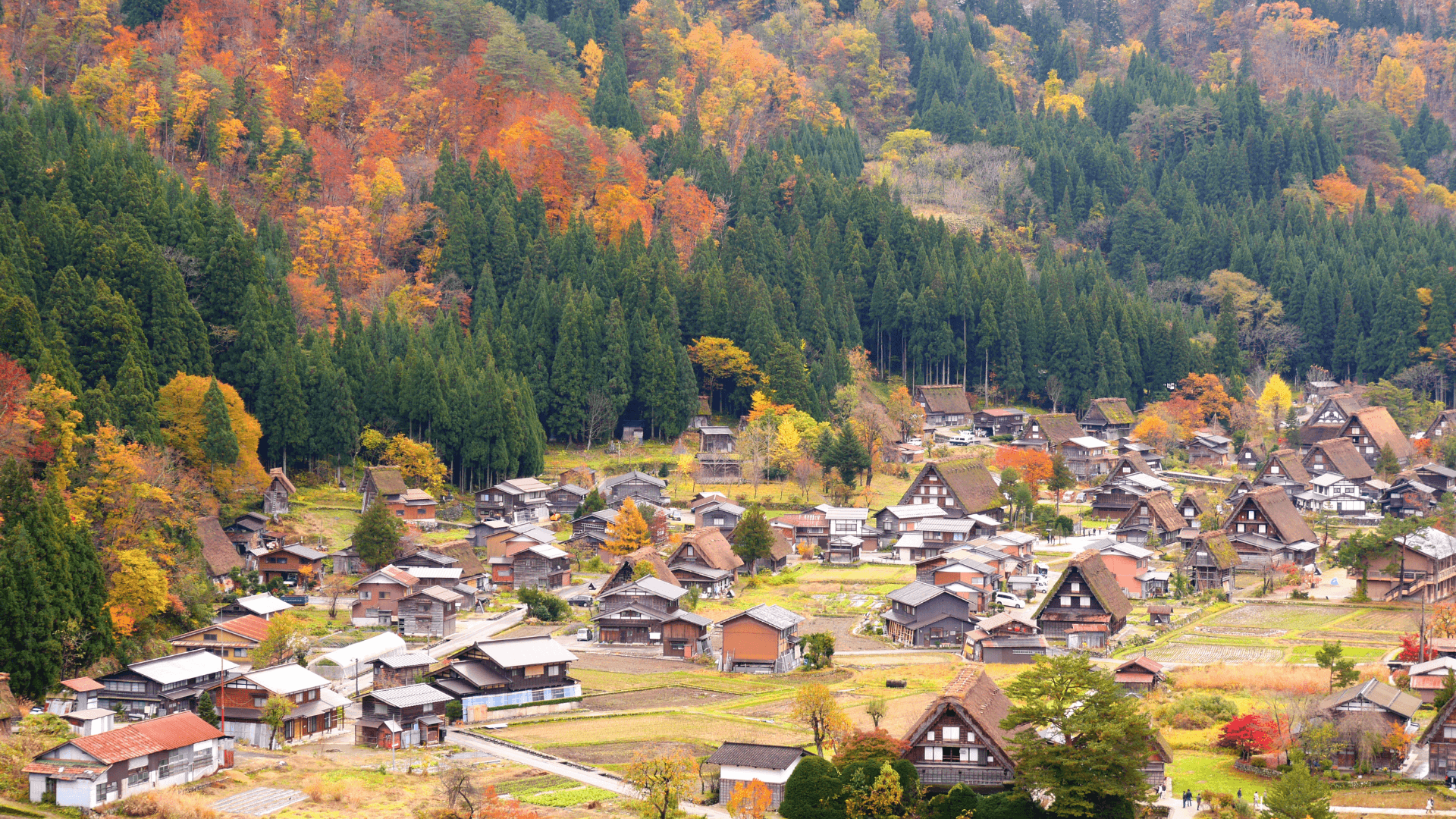
The village most visitors mean by Shirakawa-go is Ogimachi, known for its steeply thatched gassho-style houses. This guide focuses on visiting that village independently, rather than exploring the wider municipality. The most rewarding visit combines the village streets with a house interior and, when conditions allow, the viewpoint above the rooftops. You do not need to enter every building or spend the day chasing the photograph you have seen online.
Choosing Your Base
Takayama is the shorter bus journey, but that does not automatically make it the better overnight base. If you already have several nights in Kanazawa, a return excursion avoids another check-out. If Takayama is part of your route, visiting from there can fit naturally around your stay. Choose the hotel city that supports your wider journey, rather than adding an overnight stop solely to shorten this one bus ride.
A third option is to travel from Kanazawa to Shirakawa-go, explore the village, and continue to Takayama, or make the journey in reverse. This is useful when both cities already belong in your itinerary. It is less attractive when it introduces luggage storage, two scarce bus reservations and a late hotel arrival simply to save a little backtracking. The Kanazawa vs Takayama comparison can help you decide whether both destinations deserve time before you organise the connection between them.
How Long to Allow
The tourist association estimates approximately two to three hours to walk around the village. That is a walking estimate, not a complete allowance for lunch, house visits, a viewpoint excursion and waiting for transport. For planning purposes, allow around three to four hours for a selective visit, or four to five hours if you want a meal, an interior visit and more flexibility. These longer allowances are editorial recommendations. See the official Shirakawa-go visitor FAQ.
Two hours may suit someone who only wants a village walk, but it becomes restrictive when the bus arrives late or lunch takes longer than expected. Conversely, five hours need not become five hours of continuous sightseeing. In poor weather, a shorter visit may be more comfortable. Choose your bus combination around what you genuinely want to do, rather than automatically booking the earliest arrival and latest departure.
Booking the Buses
Search for Shirakawago (Ogimachi) when checking the village stop. The principal city departure points are Kanazawa Station’s west side and Takayama Nohi Bus Center. Pay particular attention to the service markings: Nohi identifies reservation-required departures with an R, while some services are non-reserved. These are different boarding arrangements, not interchangeable ways of holding a seat. Check Nohi’s route timetable and reservation notes.
Start by finding a workable pair of journeys. For a return excursion, check the journey home before purchasing the outbound ticket. For a stop between cities, arrange the two sectors separately and leave enough village time between them. Do not assume a Kanazawa–Takayama through ticket permits an extended sightseeing stop followed by boarding another bus. Ordinary reserved tickets can be checked through the operator-linked Japan Bus Online booking page. Passholders should follow the relevant operator’s reservation instructions instead of assuming an ordinary paid booking will recognise their pass.
Example Bus Combinations
The timetable checked for this article includes Kanazawa 08:40 → Shirakawa-go 10:05, followed by Shirakawa-go 15:10 → Kanazawa 16:35. That gives five hours and five minutes between buses, within a station-to-station excursion lasting seven hours and 55 minutes. Another combination is Kanazawa 08:10 → Shirakawa-go 09:25, then Shirakawa-go 14:45 → Takayama 15:35, allowing five hours and 20 minutes between services. These are worked examples, not guaranteed availability for every date. Verify them against the official Hokutetsu timetable.
Remember that the gap between buses includes finding your bearings, storing or collecting luggage and returning to the boarding area. It is not all sightseeing time. Hotel access also sits outside the station-to-station examples. Avoid attaching an important reservation immediately after the scheduled return, particularly when that booking would be expensive or difficult to change.
Handling Your Luggage
For a same-hotel return trip, leaving your main suitcase at your accommodation is usually the simplest arrangement, subject to its storage policy. Bring only what you need for the day. For a visit between hotel cities, the tourist association currently lists terminal lockers operating from 08:00 to 17:00, with additional nearby storage available until 17:00. Availability is not guaranteed, so confirm the collection deadline when depositing your bags. Check the official storage information.
Coach storage is another consideration. Nohi warns that luggage space is limited and large items may not fit, so do not treat a suitcase-heavy transfer as automatically straightforward. Forwarding your main luggage ahead may help, but only after confirming acceptance and delivery timing with the accommodation and carrier. Keep enough essentials with you for the interval before delivery; same-day arrival should not be assumed. The guide to luggage forwarding in Japan explains how to plan that handover.
A Practical Walking Plan
Use the following sequence as a flexible route, not a timetable you must complete. Before leaving the terminal, locate the return boarding area, check current notices and save the official Ogimachi village map. This map is useful for locations; obtain current bus times from the transport operators rather than older downloadable tourism timetables.
1. Decide About the Viewpoint
Check visibility and access conditions before committing to the viewpoint. If the village is clearly visible and the route is open, visiting early can leave the rest of the day for the streets below. If low cloud obscures the view or the path is unsuitable, start with a house visit instead. The day should not depend on one panorama.
A shuttle departs beside Hakusuien, a short walk from the terminal. The tourist association’s specific operating notice currently lists ¥300 each way, with a break in uphill departures between 11:40 and 13:20. It is therefore not a continuous service throughout lunchtime. Check the return departure as well as the uphill journey before boarding. The walk is an alternative only when conditions and your mobility suit it. See the official viewpoint shuttle notice, in Japanese.
2. Visit One House
After the viewpoint, or instead of it, choose a house interior. Wada House is a useful option near the terminal side of the village. Its public rooms provide a closer look at the building than an exterior photograph can offer, while part of the property remains a family residence. The official listing gives opening hours of 09:00–17:00, adult admission of ¥400, cash payment and irregular closing days. Check that it is open before arranging the day around it. Read the official Wada House visitor information.
3. Leave Time for Lunch
Continue into the village and choose lunch according to the open restaurants, displayed menus and queue lengths. Nohi’s visitor guidance highlights regional food such as Hida beef and mountain-vegetable dishes, while noting that many dining options focus on lunchtime. If a particular dish matters, identify a suitable restaurant before your visit, but keep an alternative rather than letting one long queue consume the afternoon. See Nohi’s Shirakawa-go food guidance.
A substantial lunch can be more useful than replacing a meal with several snacks while walking. Choose according to appetite and budget rather than treating every local speciality as compulsory. Travellers with dietary restrictions should check ingredients directly; a dish described by its vegetables alone does not establish what stock or seasonings it contains.
4. Explore the Village
After lunch, continue through the village lanes towards the Myozenji area, using the map to keep the route coherent. Leave time to notice the houses and their surroundings instead of treating the walk as the connection between paid attractions. Respect signs identifying private land and entrances. A photogenic house is not necessarily a visitor attraction, and an open-looking space is not permission to enter.
If you still have ample time and want another substantial stop, consider crossing the Deai Bridge towards the Gassho-zukuri Minkaen outdoor museum. Treat this as an optional extension, not something that must follow Wada House. Check its seasonal hours and closure arrangements before crossing specifically to visit. Consult the museum’s official visitor information.
5. Return Without Rushing
Work backwards from your booked departure rather than from the closing time of the last attraction. As a practical allowance, aim to reach the terminal area around 20–30 minutes before departure, allowing more time when you must collect luggage or conditions make walking slower. This is an editorial buffer, not an operator’s boarding deadline or a guarantee of a place on a non-reserved bus. If the afternoon runs late, remove the museum extension or final shopping stop rather than rushing through luggage collection and boarding.
What the Visit Costs
Current ordinary adult fares are ¥2,800 one way between Kanazawa and Shirakawa-go, and ¥2,800 between Takayama and Shirakawa-go. A return excursion from either city therefore costs ¥5,600 in bus fares. Buying the two separate sectors for a Kanazawa–Shirakawa-go–Takayama visit also totals ¥5,600. The lower ¥4,200 Kanazawa–Takayama through fare should not be used as the budget for two separate sightseeing-stop journeys. Verify the current Hokutetsu fare table.
| Example expense, per adult | Amount |
|---|---|
| Two ordinary bus sectors | ¥5,600 |
| Wada House admission | ¥400 |
| Viewpoint shuttle, both directions | ¥600 |
| Subtotal before food, storage and hotel-to-terminal travel | ¥6,600 |
This is a specific example, not an all-inclusive day-trip price. Walking rather than using the shuttle removes ¥600; adding another paid attraction increases the total. Ordinary village walking does not require an admission ticket. Allow separately for your chosen meal, drinks and luggage arrangements, and compare the excursion with the wider Japan travel budget breakdown before adding it to an already expensive transfer day.
Weather and Winter
Shirakawa-go is a road-based excursion, so scheduled journey times should not be treated as promises. Nohi explicitly warns that congestion, snow and road disruption can cause substantial delays, including delays of two hours or more. Keep the evening after your visit flexible rather than relying on a tight connection to an important long-distance train or flight. Read the operator’s delay warnings.
In winter, allow for slower walking and check whether viewpoint access is suitable that day. The seasonal light-up is a separate planning exercise, not something automatically included with an ordinary winter visit. Its admission and transport arrangements must be checked in advance, and a regular daytime bus booking does not secure access to the event. The tourist association also restricts ordinary nighttime sightseeing to protect village life. Consult the official light-up information and nighttime visitor guidance before making plans to stay after dark.
Independent or Organised?
An independent visit suits travellers who want control over their village time and are comfortable arranging both bus journeys. A tour may be more useful when suitable buses are unavailable or when another village is genuinely part of the day’s purpose. Compare the actual time in Ogimachi, pickup point and included admissions, not simply the number of destinations advertised. A tour with several stops is not necessarily a deeper visit.
An overnight stay makes sense when the accommodation experience itself is important. It should not be added solely because staying longer sounds more authentic. Confirm meal arrangements, check-in expectations and onward transport before committing, especially if the additional hotel change would make the rest of your route harder to manage.
Conclusion
Choose your departure city from the wider route, secure both bus journeys and build the village visit around a few worthwhile experiences. A house interior, an unhurried walk and a meal give the day substance; the viewpoint and additional museum can remain flexible. The strongest Shirakawa-go day trip is one that still feels worthwhile when the weather changes or one optional stop is removed.
Frequently Asked Questions (FAQs)
Can I Reach Shirakawa-go by Train?
There is no railway station in Ogimachi. Travellers commonly reach Kanazawa or Takayama by train and continue by bus. When estimating the journey, include the transfer between the railway station and bus boarding point rather than treating a train arrival as the bus departure time. The official access guide explains the village’s transport connections.
Does the Japan Rail Pass Cover These Buses?
The nationwide Japan Rail Pass does not cover the Nohi and Hokutetsu bus services discussed in this guide. Its bus coverage is limited to specified JR services, not every bus connecting with a railway station. A pass may cover an eligible train journey to your departure city, but you still need to arrange the village bus separately. Check the nationwide pass’s official coverage.
Does the Regional Pass Guarantee a Seat?
The Takayama-Hokuriku Area Tourist Pass includes designated bus routes serving Shirakawa-go, but fare coverage is not a seat reservation. Check whether your chosen departure requires booking and use the operator’s passholder procedure. Assess the pass against your complete eligible journey rather than purchasing it for this excursion alone. Review the regional pass’s official coverage and conditions.
What if My Return Bus Is Sold Out?
Try a different departure pair or another travel date before committing to the outbound journey. If a suitable non-reserved service operates, understand that boarding depends on available capacity; it is not a guaranteed fallback. Nohi’s FAQ explains that passengers may need to wait for a later bus when a service fills. A tour with confirmed transport is another option, but check its village time before booking. Read Nohi’s boarding FAQ, in Japanese.
Can I Visit With Limited Mobility?
Potentially, but assess the individual parts of the visit rather than treating the whole village as either accessible or inaccessible. Coach boarding, village surfaces, viewpoint access and house interiors present different requirements. Contact the bus operator before booking if you use a wheelchair, and ask individual attractions which areas you can enter. A village-level visit without the viewpoint or upper floors may be more suitable; the shuttle alone does not make the complete excursion step-free.
Can I Include Gokayama Too?
It can be possible with the right transport arrangement, but Gokayama introduces another village visit and another set of connections. Do not assume that a bus passing a village allows you to stop, explore and board a later departure freely. For a first visit, choose a combined itinerary only when the timetable leaves meaningful time in both places. Otherwise, a well-paced Ogimachi visit is more useful than spending much of the day watching the clock between stops.
Disclosure: This post may contain affiliate links.


Compare prices across top platforms in seconds.