Kanazawa vs Takayama
Which Fits Your Japan Trip?
Introduction
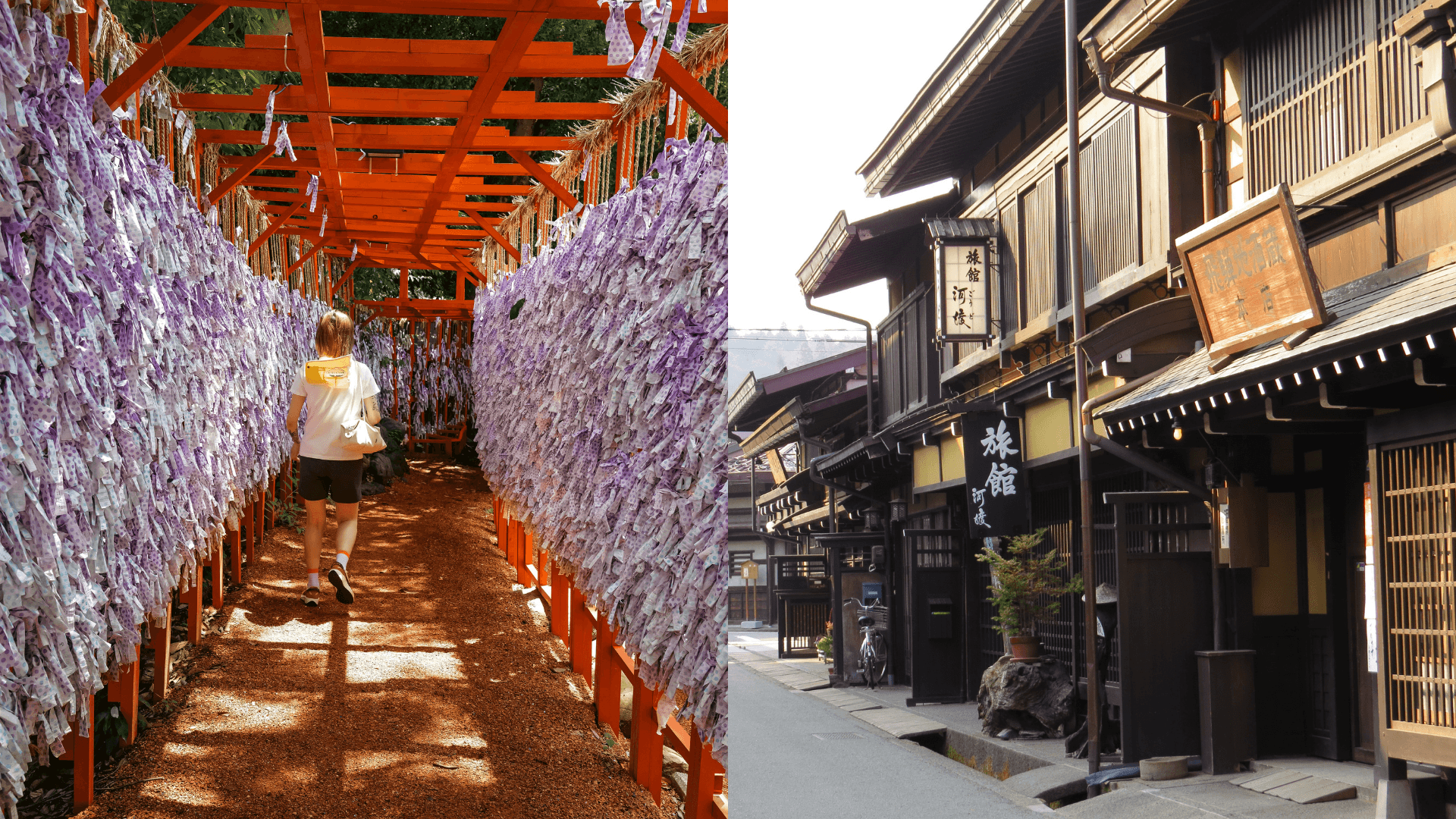
Kanazawa and Takayama both appeal to travellers looking beyond Japan’s largest cities, but they offer different reasons to stay. Kanazawa suits a visit built around gardens, art, crafts and regional food. Takayama is a stronger match when historic merchant streets, morning markets and time in the Hida region are what you most want to experience.
The decision becomes clearer when you consider the nights available and the journey on either side. With two nights, choosing one city usually gives you a more satisfying visit than dividing the stay. With four nights, visiting both becomes easier to justify, particularly when you continue through the region rather than returning to your starting point.
Research checked: 15 September 2026. Transport details and destination information were checked against official tourism and operator sources. Suggested stays and route arrangements are editorial recommendations, not official minimum durations or claims of personal testing.
Quick Comparison
| Planning consideration | Kanazawa | Takayama |
|---|---|---|
| Main appeal | Gardens, historic districts, art and crafts | Merchant streets, morning markets and Hida culture |
| Sightseeing pattern | Explore several districts, combining walking with local transport | Walk around the historic centre; plan regional excursions separately |
| Food interests | Seafood and Kaga cuisine | Hida beef, Takayama ramen and hoba miso |
| Rail access | Direct Hokuriku Shinkansen from Tokyo | Limited Express Hida connections through Nagoya or Toyama |
| Main planning caution | Do not squeeze every district into one day | Do not confuse a town visit with time to explore the surrounding mountains |
Daily Experience
Kanazawa offers several distinct sightseeing areas rather than one old-town walking route. Kenrokuen and the adjoining castle grounds make a natural pairing, while Higashi Chaya and Nagamachi bring different historic surroundings. The city’s official first-visit itinerary combines walking and buses across two days. That is useful context when planning: a short stay can work, but trying to cover every district, a museum and a workshop in one uninterrupted day leaves little time inside the places themselves.
Takayama’s central historic area lends itself more readily to an unhurried walking day. Sanmachi’s preserved merchant streets, shops and sake breweries provide a different experience from travelling between separate urban districts. However, central Takayama and the wider mountain region are not interchangeable. JNTO’s Takayama overview distinguishes the town’s attractions from surrounding destinations. If your main interest is an onsen stay or a mountain excursion, allocate time for that journey separately rather than assuming it fits around a morning in the old town.
Matching Your Interests
Consider what you would actually spend time doing, not just which photographs appeal to you. In Kanazawa, entering a historic teahouse such as Shima or joining a gold-leaf workshop can make the visit more rewarding than simply walking past attractive buildings. Choose it when you want to spend time on gardens, craftsmanship or individual cultural attractions, and check opening days and workshop availability before fixing the visit.
In Takayama, the timing of your stay matters if the markets are part of the appeal. The official morning-market information places trading in the morning, with seasonal starting times and fewer stalls possible during winter or rain. An overnight stay gives you the opportunity to visit before moving on. Arriving around lunchtime and leaving that afternoon may still allow an enjoyable historic-street walk, but it is a different experience from the visit you may have imagined.
Regional Food
Kanazawa is particularly appealing if food is one of your reasons for travelling. Its Kaga cuisine tradition brings together seasonal ingredients, regional vegetables, seafood and careful presentation. You could make one meal a central part of the stay rather than adding several food stops between attractions. Compare menus and prices beforehand: a casual market lunch and a multi-course restaurant dinner serve different purposes and should not be treated as interchangeable budget choices.
Takayama offers more than its well-known Hida beef. The city’s local-food guide also describes thin, curly Takayama ramen and hoba miso, prepared on a magnolia leaf. These give you alternatives to making every meal an expensive beef experience. If you book accommodation with dinner, check the actual menu, dietary arrangements and required arrival time before reserving a late train or bus.
Transport Connections
From Tokyo, Kanazawa has the simpler rail connection of the two: the Hokuriku Shinkansen runs directly there, with the fastest journeys taking roughly two and a half hours. Check your selected departure rather than applying the fastest time to every service. The city’s official rail-access information explains the connection. Takayama does not have a Shinkansen station; rail journeys involve a Limited Express Hida connection through Nagoya or Toyama. This does not make Takayama a poor choice, but it makes the complete connection more important.
From Kyoto, the usual Kanazawa rail journey combines the Thunderbird to Tsuruga with the Hokuriku Shinkansen onwards. Older advice describing a direct Thunderbird all the way to Kanazawa is outdated; JR West’s Tsuruga transfer guide shows the current interchange. For Takayama, travelling through Nagoya is an option to compare against your exact departure and onward plans. In either case, assess hotel-to-hotel time, including luggage and station access, rather than choosing a destination solely from the train’s running time.
Overnight Planning
With two nights, choose one city unless a brief stop in each is a deliberate priority. Arriving on Monday and leaving on Wednesday gives you Tuesday as an uninterrupted sightseeing day, plus whatever time the travel days provide. With three nights, staying in one city creates more room for a workshop, slower exploration or a separate excursion. A two-night and one-night split is possible, but the second city will depend heavily on useful arrival and departure hours.
With four nights, a two-night stay in each city is a reasonable starting point. For example, arrive in Kanazawa on Monday, explore on Tuesday, transfer on Wednesday, explore Takayama on Thursday and leave on Friday. That provides one uninterrupted day in each city and a transfer day, not four full sightseeing days. If you want more time inside museums, gardens or surrounding areas, add nights or choose fewer destinations. The guide to how many days to spend in Japan can help you make that adjustment across the whole trip.
Visiting Both
Kanazawa and Takayama can form a regional journey rather than two unrelated detours. One possible sequence is Tokyo, Kanazawa, Takayama and then Kyoto through Nagoya. The reverse may suit different flights. This is an itinerary option, not a claim that it is always the quickest or cheapest route. If your existing holiday already fills every day in Tokyo and Kansai, replace another stop or extend the trip rather than attaching both cities to an unchanged plan.
Shirakawa-go can be included between them, but sightseeing there needs its own allowance. Hokutetsu lists an estimated two hours and fifteen minutes for the through Kanazawa–Takayama bus journey; that is transport time, not a village visit. Its highway services require advance reservations. Use the official timetable and booking information to plan the journeys separately if stopping: Kanazawa to Shirakawa-go, then Shirakawa-go to Takayama.
Do not assume a through ticket lets you leave one bus and board another after sightseeing. Confirm the tickets or pass reservations needed for both legs, leave sufficient time in the village and settle your luggage arrangements before booking. If doing that makes the transfer day too complicated, travel directly and give the two cities your attention. Shirakawa-go is an option, not a compulsory addition.
Hotels And Costs
Compare complete stays rather than assuming one city is cheaper. Search the same dates, occupancy and cancellation conditions, then distinguish room-only hotels from accommodation that includes dinner and breakfast. A higher nightly rate may cover meals you would otherwise purchase separately, while a lower rate may place you farther from the station or the places you want to visit. In Kanazawa, compare station access against sightseeing-area convenience; in Takayama, check the actual walk between the hotel, transport terminal and historic centre.
Luggage becomes especially important when visiting both cities with a stop between them. Ask hotels about storage or forwarding arrangements rather than assuming bags can be left anywhere or delivered that afternoon. The guide to hotel changes in Japan can help you decide whether another overnight base earns its place. When comparing costs, include intercity tickets, local transport, storage or delivery, meals and admissions alongside accommodation; the Japan travel budget breakdown provides a wider framework.
Seasonal Planning
Travel dates can change the decision more than a general destination ranking. Takayama’s festivals are a particular consideration: the autumn festival takes place annually on 9 and 10 October, and its official visitor guidance warns of heavy crowds and weather-dependent programme changes. If attending is the purpose of your visit, check accommodation before fixing the surrounding route. If you want a quieter visit, do not book those dates expecting ordinary conditions.
Winter requires a different kind of preparation. Kanazawa’s official winter guide highlights wet, slippery surfaces and recommends waterproof footwear with good traction. Snow scenery is not guaranteed on a particular date. For either city, keep some flexibility in outdoor plans and check transport notices before regional journeys. A useful winter itinerary should still feel worthwhile if walking takes longer, a market has fewer stalls or an outdoor excursion needs to be replaced.
Frequently Asked Questions (FAQs)
Can you visit Kanazawa and Takayama without renting a car?
Yes. Both cities are accessible by public transport, and walking forms an important part of central sightseeing. Kanazawa may also involve local buses between districts. A car is not necessary simply to combine the two cities and Shirakawa-go, provided suitable bus services are available. If you add remote accommodation or mountain excursions, check those particular connections before deciding: transport that works well for the city centre may not suit every regional extension.
Can you visit one city as a day trip from the other?
Yes, but consider what remains after the return journey. Using the through-bus estimate, travelling both ways takes roughly four and a half hours before terminal access, waiting and sightseeing. That can suit someone with one specific attraction in mind, but it is a substantial commitment for a brief introduction. An overnight stay is more useful when you want Takayama’s morning market, an evening meal or time that is not governed by the last convenient return service.
Which is the better base for visiting Shirakawa-go?
Takayama has the shorter bus journey on the services shown in the current timetable: some take around fifty minutes, compared with roughly seventy-five minutes or more from Kanazawa. However, the shorter ride should not decide your entire hotel stay. Choose the city you also want to explore. If visiting both, stopping between them can avoid a return journey, but only when the onward booking, sightseeing allowance and luggage arrangements work together.
Is Kanazawa still worth visiting if you are already going to Kyoto?
It can be, particularly when gardens, crafts, regional cuisine or a specific museum interest you. The useful question is what you would do in Kanazawa that deserves additional time in your trip. If your plan is simply another quick walk past historic buildings, extending Kyoto may be more satisfying. If you can identify an experience you would actively make time for, Kanazawa has a clearer purpose. The Japan city comparison can help you weigh it against other destinations.
Is one night enough in Kanazawa or Takayama?
One night can support a focused visit when you arrive early enough and leave reasonably late the following day. It is much less useful when a late arrival is followed by an early departure. Before booking, write down the likely sightseeing hours on both dates and compare them with your priorities. If the main attraction closes before you arrive, or the morning market conflicts with your departure, the overnight stay is not providing the experience you want.
How should winter affect the choice?
Choose according to the activities you would still enjoy in poor weather, not a promise of snowy photographs. Check walking distances, indoor alternatives and the reliability of your planned connections close to departure. If a mountain excursion is the main reason for choosing Takayama, confirm that specific service and attraction’s seasonal operation before booking. For a short visit, avoid connecting a weather-sensitive regional excursion to an essential onward journey with little room for delay.
Disclosure: This post may contain affiliate links.


Compare prices across top platforms in seconds.