Shinjuku vs Ueno vs Asakusa
Which Tokyo Base Fits Your Trip?
Introduction
Choosing between Shinjuku, Ueno and Asakusa is not simply a question of which neighborhood has the most attractions. All three can support a successful first stay in Tokyo, but they place you on different sides of the city and create different airport transfers, station experiences, evening routines and day-trip connections.
Shinjuku gives you broad transport coverage, western Tokyo access and a lively selection of restaurants after sightseeing. Ueno is particularly practical for Narita arrivals and itineraries concentrated around eastern Tokyo. Asakusa offers more historic surroundings, gentler evenings and useful Tobu Railway connections, but it is less efficient when most of your plans are around Shibuya and Shinjuku.
This guide is for travellers who have already shortlisted these three areas and need to make the final hotel-base decision. If you are still considering Shibuya, Ginza, Tokyo Station, Ikebukuro or Shinagawa, start with the broader guide to where to stay in Tokyo for first-time visitors.
Quick Answer: Shinjuku, Ueno or Asakusa?
Choose Shinjuku if your itinerary is concentrated around western Tokyo, you expect to stay out in the evening, or you want convenient access towards Hakone. Its extensive railway network is valuable, but the station and surrounding streets can be tiring when you are unfamiliar with the area.
Choose Ueno if you are arriving through Narita Airport, want convenient access to eastern Tokyo, or prefer a major transport hub that is generally easier to understand than Shinjuku. Its main disadvantage becomes noticeable when you repeatedly travel to Shibuya, Harajuku and other western districts.
Choose Asakusa if the neighborhood experience matters as much as transport efficiency. It suits travellers who want to walk around Senso-ji before the daytime crowds, return to traditional streets in the evening, or depart for Nikko using Tobu Railway. The trade-off is additional cross-city travel when your plans are concentrated in western Tokyo.
| Area | Strongest Reason to Stay | Daily Trade-Off |
|---|---|---|
| Shinjuku | Western Tokyo, evening activity and broad transport | Large station, busy streets and difficult exits |
| Ueno | Narita access, eastern Tokyo and practical transport | Longer journeys to repeated western-Tokyo plans |
| Asakusa | Historic surroundings, walkability and Nikko access | Less efficient for travelling across the city |
There is no universal winner. The most suitable base is the one whose disadvantage will interfere least with the trip you are actually planning.
Understand the Stations Before Choosing the Neighborhood
A hotel can be advertised as being in Shinjuku, Ueno or Asakusa without being close to the station or railway line you expect to use. Checking the district name alone is therefore not enough. You need to identify the station operator, useful exit and complete walking route from the platform to the hotel.
Shinjuku Is a Collection of Transport Hubs
Shinjuku Station is served by JR East, Keio, Odakyu, Tokyo Metro and Toei services. Additional facilities such as Seibu-Shinjuku and Shinjuku-sanchome expand the area further. The official JR East Shinjuku Station map shows several levels, platforms, gates and concourses, which helps explain why two hotels described as “near Shinjuku Station” can create very different journeys.
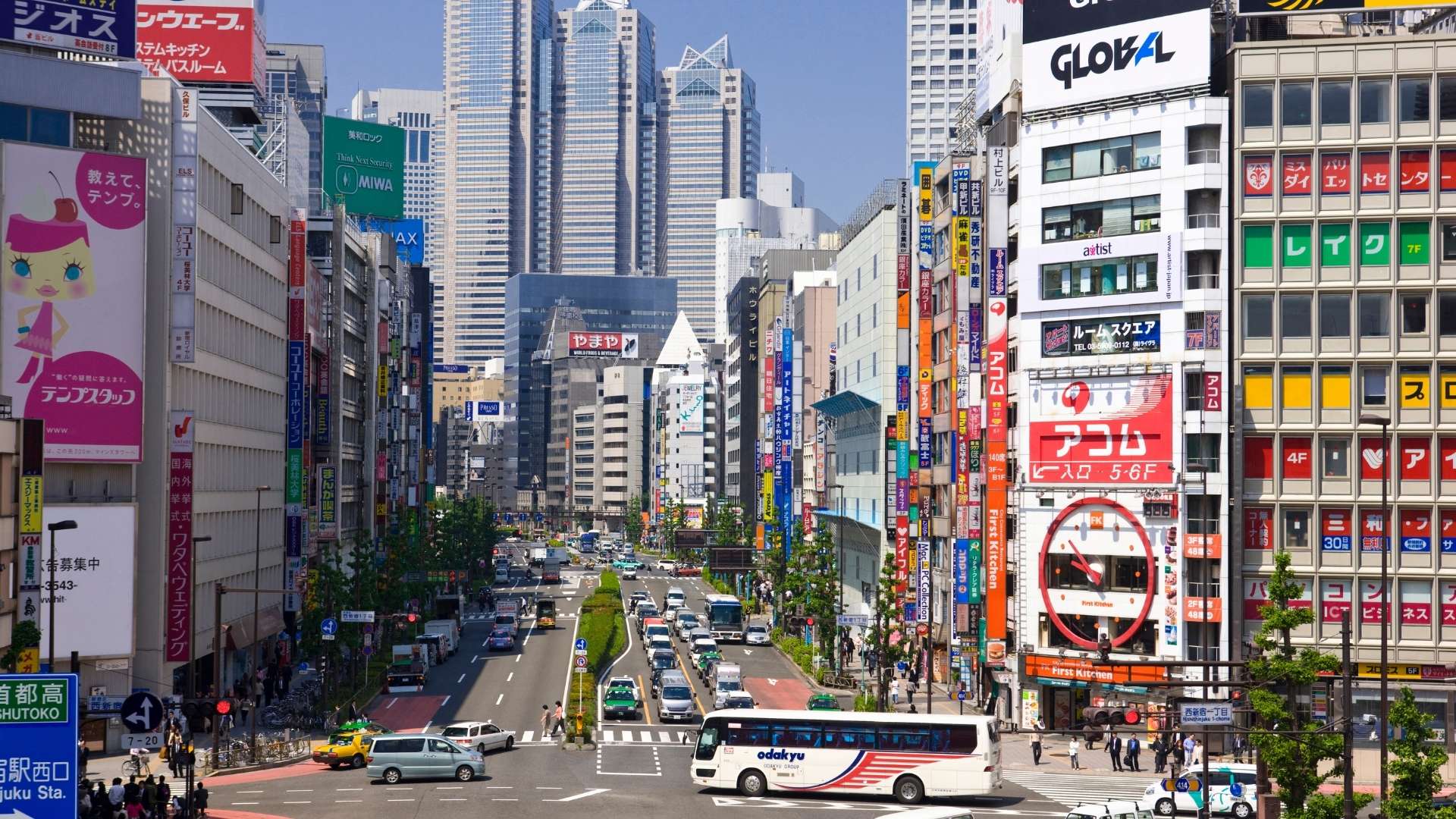
The station’s west, south and east sides should be treated as separate hotel-search zones. A property near the west side may provide a quieter business-district environment, while a hotel near the east side may place you closer to Kabukicho and late-night activity. A hotel near the south side may be more convenient for the Shinjuku Expressway Bus Terminal.
JR Ueno and Keisei-Ueno Are Separate
The Skyliner from Narita Airport arrives at Keisei-Ueno, while many local JR services and northern Shinkansen departures use JR Ueno. The two facilities are close enough to walk between, but they are not the same station and do not share platforms.
This distinction matters when you are carrying luggage. A hotel positioned conveniently for Keisei-Ueno may simplify your arrival from Narita, while a property on the opposite side of JR Ueno may be more useful for daily sightseeing. Okachimachi can also appear in Ueno hotel searches even though it creates a different station routine.
Asakusa Has Multiple Stations
Tokyo Metro, Toei Subway, Tobu Railway and Tsukuba Express all use the Asakusa name, but the facilities are not contained within one unified station building. The Tokyo Metro Asakusa station serves the Ginza Line and provides connections towards Toei and Tobu services, while the Tsukuba Express station is in Nishi-Asakusa, closer to Kappabashi and the western side of the neighborhood.
Before booking an Asakusa hotel, check which operator appears beside the station symbol. This is particularly important when you intend to use an airport through-service, leave for Nikko from Tobu Asakusa or carry luggage between the station and hotel.
Shinjuku: Best for Western Tokyo and Evening Flexibility
Shinjuku works best when a meaningful share of the itinerary is concentrated in western Tokyo. Harajuku, Shibuya, Nakano, Koenji and other western districts are relatively straightforward to reach, while the variety of railway companies creates additional options for excursions outside central Tokyo.
The neighborhood is also useful after sightseeing ends. Restaurants, department stores, convenience stores and late-night dining remain available across a large area, reducing the need to plan every evening meal before returning to the hotel. This can be valuable during the first few days, when jet lag and long sightseeing days make precise dinner reservations less appealing.
That convenience comes with a navigation cost. Shinjuku is not one station entrance opening onto one central square. The correct exit may be some distance from the platform, and choosing the wrong side can lead to an inconvenient surface walk or another journey through the underground network. The official Tokyo guide to Shinjuku identifies the different characters of the station’s west, east and south sides.
The west side, including Nishi-Shinjuku, generally suits travellers looking for larger hotels, wider streets and a business-district atmosphere. The south side is useful for the expressway bus terminal and surrounding commercial facilities. The east side provides faster access to shopping and nightlife, but hotels close to Kabukicho may experience more late-night noise and street activity.
Shinjuku-sanchome can provide an alternative for travellers who want access to the broader Shinjuku area without depending on the main JR station for every journey. However, its usefulness depends on the subway lines you expect to use. A hotel should be selected according to the actual route, not simply because “Shinjuku” appears in the address.
Choose Shinjuku when western Tokyo, active evenings and transport flexibility outweigh your concern about crowds. Avoid choosing it by default if large stations make you anxious, you are arriving with substantial luggage, or your itinerary is primarily concentrated around Ueno, Asakusa and eastern Tokyo.
Ueno: Best for Narita Access and Eastern Tokyo
Ueno supports a different trip shape. It works particularly well when the itinerary includes Ueno Park, Ameyoko, Yanaka, Akihabara, Asakusa and other eastern districts. These places can be grouped into geographically sensible days without repeatedly crossing Tokyo.
The neighborhood combines a major station with museums, markets, casual restaurants and substantial park space. GO TOKYO’s Ueno guide highlights the contrast between Ueno Park’s museums and open spaces and the compact shopping and food streets around Ameyoko. This gives the area enough activity for an evening without reproducing Shinjuku’s intensity.
Ueno’s clearest advantage is Narita Airport access. Keisei states that the fastest Skyliner service between Narita Airport Terminal 2·3 and Keisei-Ueno takes 41 minutes, excluding waiting and transfer time. The train has reserved seats and dedicated luggage space, making the journey particularly useful after a long flight. Current schedules and fares should be checked through the official Keisei Skyliner website.
However, the airport advantage does not automatically make every Ueno hotel equally convenient. A property near JR Ueno may require an additional walk from Keisei-Ueno, while a hotel near Okachimachi may be more useful for local dining but less convenient for a morning Shinkansen. The best position depends on whether airport arrival or daily movement has greater importance.
Ueno becomes less efficient when several consecutive days are focused on Shibuya, Harajuku, Shinjuku and neighborhoods west of the Yamanote Line. Those journeys remain manageable, but their time and crowd exposure accumulate when repeated every morning and evening. The inconvenience is not one unusually long ride; it is the cumulative cross-city movement.
Choose Ueno when Narita access, eastern Tokyo and a more manageable transport base are central to the trip. It is also a sensible compromise for travellers who need broad Tokyo access but do not require Shinjuku’s nightlife or western orientation.
Asakusa: Best for Historic Surroundings and Nikko Access
Asakusa is the most neighborhood-focused choice of the three. Staying there makes it possible to experience Senso-ji and its surrounding streets outside the busiest daytime period rather than visiting only during a crowded sightseeing stop.
The official Tokyo guide to Asakusa describes an area built around Senso-ji, Kaminarimon, Nakamise, traditional shops and the Sumida River. These surroundings give the hotel base a distinct identity, particularly for travellers who value morning walks, local shopping streets and a slower transition into Tokyo.
Asakusa should not be described as uniformly quiet. Nakamise and the temple approach can become extremely busy during the day, while areas around restaurants and entertainment streets can remain active in the evening. The practical advantage is that the main sightseeing environment changes after day visitors leave, allowing hotel guests to experience the neighborhood at different times.
Its transport disadvantage depends on the itinerary. The Ginza Line provides a useful route across central Tokyo, and other operators expand the available connections. Nevertheless, repeated journeys to Shinjuku, Shibuya, Harajuku and other western districts require more time than they would from a western base. The difference matters most when several western-Tokyo days are scheduled consecutively.
Asakusa also provides a meaningful advantage for a Nikko excursion. Tobu Railway operates services from Asakusa towards Nikko and Kinugawa Onsen, which can simplify an early departure compared with crossing Tokyo before beginning the longer journey. Travellers considering this route should verify current services through Tobu Railway’s official access information.
Choose Asakusa when the surrounding neighborhood is part of the desired experience, not merely because a room appears cheaper. It is strongest for travellers who favour eastern Tokyo, traditional surroundings and a possible Nikko excursion, and less suitable when most planned activities are west of central Tokyo.
Match the Base to Your Actual Tokyo Route
The most useful way to compare these areas is to place them against realistic sightseeing patterns. This reveals whether the hotel supports the itinerary or simply looks attractive on a booking page.
Western Tokyo and Hakone Route
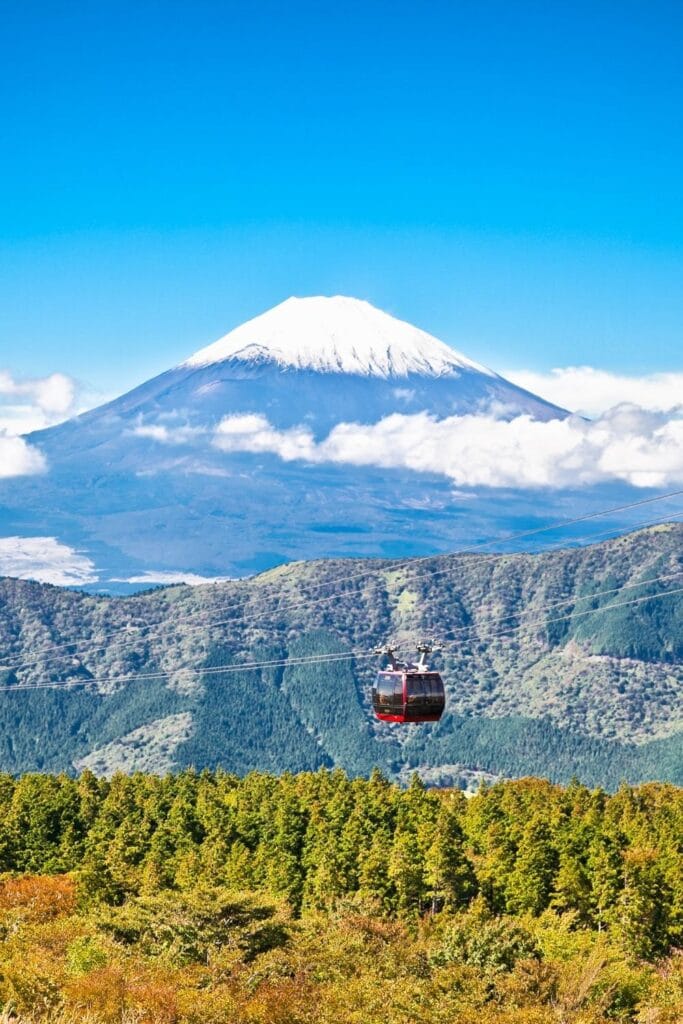
Suppose the Tokyo portion includes Shibuya, Harajuku, Meiji Jingu, Nakano, Koenji and a journey towards Hakone. Shinjuku becomes the logical base because several days begin or finish on the western side, while Odakyu services provide a direct route towards Hakone-Yumoto.
Odakyu indicates that its limited express Romancecar can travel directly from Shinjuku to Hakone-Yumoto in approximately 80 minutes, depending on the service. In this route pattern, Shinjuku’s station complexity has a clear purpose rather than being an unnecessary burden. Odakyu’s official Hakone information
Narita and Eastern Tokyo Route
A traveller arriving at Narita and planning Ueno, Asakusa, Akihabara, Yanaka and the Tokyo Station area will usually benefit more from Ueno. The airport journey is straightforward, several sightseeing areas can be grouped efficiently, and the hotel remains connected to the Yamanote Line and other city services.
Shinjuku would still be possible, but its broader transport network would not provide enough practical value to offset the longer arrival and repeated journeys back east.
Traditional Tokyo and Nikko Route
Asakusa becomes particularly persuasive when the itinerary includes Senso-ji, Kappabashi, Tokyo Skytree, Sumida, Ueno and a Nikko excursion. In this case, the neighborhood experience and Tobu departure both support the same route.
The hotel’s exact station still matters. A property near Tsukuba Express Asakusa may suit Kappabashi but create a longer walk to Tobu services, while a hotel closer to the Tobu and Tokyo Metro facilities may better support the Nikko departure.
A Mixed First-Time Itinerary
Many first-time itineraries include both eastern and western Tokyo. If the days are divided evenly, there may be no geographically perfect base. The decision should then be based on airport arrival, evening preference and the exact hotel-to-station walk.
A well-positioned Ueno hotel can provide a practical middle ground for a Narita arrival, while Shinjuku may be preferable if most evenings finish in western Tokyo. Asakusa should win only when its neighborhood experience is valuable enough to justify the additional cross-city journeys.
The Japan seven-day itinerary and Japan ten-day itinerary can help determine how many Tokyo nights you actually have before choosing a base.
Airport Access and Luggage
Airport travel time is only one part of the arrival experience. Transfer count, reserved seating, luggage space, station complexity and the final walk to the hotel can matter more than saving ten minutes on the train.
For Narita arrivals, Ueno has the clearest simple-transfer advantage through the Skyliner. Shinjuku remains viable because JR East’s Narita Express serves Shinjuku directly and provides luggage storage, although the experience after reaching the station depends heavily on the hotel side. JR East Narita Express information
Asakusa can work from Narita using Keisei and Toei connections, but the exact journey varies by service and arrival time. The hotel must also be near the station used by that route; proximity to Tsukuba Express Asakusa does not necessarily help with an airport journey using the Toei Asakusa Line.
Haneda Airport provides the following indicative train and monorail planning times. These are approximate station-level figures rather than door-to-door guarantees.
| Destination | Approximate Time from Haneda |
|---|---|
| Shinjuku | 50 minutes |
| Ueno | 40 minutes |
| Asakusa | 40 minutes |
Source: Haneda Airport official train and monorail access guide
Do not choose a hotel solely because the destination station appears ten minutes faster. Check your terminal, arrival time, transfer stations, lift access and the final walk. The guide comparing Haneda and Narita for first-time visitors explains these airport differences in greater depth.
Which Base Is Better for Day Trips?
Shinjuku is the strongest of the three for Hakone and several western departures. Odakyu services leave from Shinjuku, while the expressway bus terminal supports numerous regional routes. This advantage is meaningful when a day trip is already part of the itinerary, but it is not a reason to stay in Shinjuku if the rest of the Tokyo plan takes place in the east.
Asakusa has the clearest specialist advantage for Nikko through Tobu Railway. Staying near the appropriate Tobu facility can reduce the amount of city travel required before an early departure.
Ueno is useful for JR East services heading towards northern destinations and for trips beginning along lines serving northeastern Tokyo. It can also be the most convenient final base when the trip ends with a Narita departure.
If the trip continues to Kyoto or Osaka, none of the three is directly on the Tokaido Shinkansen route. You will still need to travel to Tokyo or Shinagawa Station. The guide to Tokyo to Kyoto by Shinkansen, bus or flight can help with that onward decision.
What Will the Area Feel Like in the Evening?
Shinjuku provides the greatest number of late dining and entertainment options, but the experience changes by station side. Nishi-Shinjuku may become relatively quiet around office buildings, while Kabukicho remains bright and active late into the night. Travellers who want convenient restaurants without intense nightlife should inspect the immediate hotel block rather than rejecting or accepting the entire district.
Ueno’s evening environment is concentrated around Ameyoko, Okachimachi and the streets beneath or near the railway. It offers casual restaurants and izakayas without matching Shinjuku’s scale. Hotels near Ueno Park or on quieter side streets may feel different from those immediately beside the busiest market areas.
Asakusa’s temple approach becomes calmer after many daytime visitors leave, but restaurant streets and entertainment pockets can remain active. Some outer streets also become quiet relatively early. Solo travellers should check the return route from the station, street lighting, reception hours and nearby late-night food rather than relying on broad claims that one neighborhood is universally safer.
How to Compare Hotel Value Properly
Hotel prices should be compared using the same dates, occupancy and booking conditions. A refundable twin room in Ueno is not directly comparable with a non-refundable compact double room in Shinjuku, even if the headline nightly rates look similar.
Begin by searching all three areas using identical dates. Select equivalent room types, confirm whether taxes are included and compare the total price for the entire stay. Cancellation conditions matter because an unusually cheap room may require full payment with no flexibility.
Next, identify the station that will actually be used. A hotel that is twelve minutes from the useful station should not be treated as equivalent to one that is four minutes away, particularly if the longer route includes stairs, a pedestrian bridge or a large intersection.
Finally, consider the cost of inconvenience. A cheaper room can lose its value if it adds repeated transfers, difficult luggage movement or a taxi after a late arrival. The Japan travel budget breakdown explains how accommodation interacts with transport and daily spending, while the Japan hotel-booking timeline covers when to secure high-demand stays.
Five Checks Before Booking Your Tokyo Hotel
- Confirm the railway operator. Make sure “Asakusa,” “Ueno” or “Shinjuku” refers to the station and line you intend to use.
- Open the complete walking route. Check the journey from the correct station exit to the hotel entrance rather than relying on the distance shown in a booking platform’s summary.
- Inspect accessibility. Look for lifts, stairs, underground passages and major road crossings, particularly if you have large luggage.
- Check the evening surroundings. Confirm that the route feels manageable and that appropriate dining options remain available when you normally return.
- Review hotel operations. Verify reception hours, luggage storage, check-in deadlines, room size and cancellation conditions before paying.
Conclusion
Choose Shinjuku when western Tokyo and active evenings form a substantial part of the trip. Its transport reach is valuable when you use it deliberately, but the station should not be accepted as a necessary inconvenience without checking the exact hotel side.
Choose Ueno when Narita access, eastern Tokyo and practical movement matter more than nightlife. It offers the strongest logistical case of the three for the right itinerary, but it becomes less attractive when several days repeatedly cross to western Tokyo.
Choose Asakusa when you want the neighborhood itself to shape the stay. Its historic surroundings and Nikko connection provide genuine reasons to sleep there, but those advantages should outweigh the additional travel required for western districts.
The final decision should produce one specific hotel-search zone, not three browser tabs containing dozens of unrelated properties. Once the winning area becomes clear, compare hotels within walking distance of the station and operator you will actually use.
FAQ: Shinjuku vs Ueno vs Asakusa
Which area is easiest after arriving at Narita Airport?
Ueno normally provides the simplest of the three arrivals because the reserved-seat Skyliner travels directly to Keisei-Ueno and includes luggage storage. Shinjuku also has direct Narita Express services, but the station and final hotel transfer can be more complicated. Asakusa may work well when the hotel is positioned near the correct Toei or Keisei-connected route, but services should be checked for the actual arrival time.
Which part of Shinjuku is best for a quieter stay?
Nishi-Shinjuku and some properties south of the main station generally provide a calmer environment than hotels deep inside Kabukicho. However, the hotel’s exact street and walking route matter more than the broad station side. Check recent guest comments about noise and confirm which entrance you will use after returning at night.
Are Keisei-Ueno and JR Ueno the same station?
No. Keisei-Ueno and JR Ueno are separate facilities located within walking distance of each other. The Skyliner uses Keisei-Ueno, while JR local trains and Shinkansen services use JR Ueno. Travellers carrying luggage should check which station is closer to the hotel rather than assuming both offer the same convenience.
Which Asakusa station should a hotel be near?
Choose according to the route you expect to use. Tokyo Metro’s Ginza Line is useful for travelling across central Tokyo, Toei services may support certain airport journeys, Tobu Asakusa is important for Nikko, and Tsukuba Express Asakusa is positioned farther west near Kappabashi. A hotel advertised as “near Asakusa” may not be close to all four.
Which area is better for Hakone or Nikko day trips?
Shinjuku is generally more convenient for Hakone because Odakyu services depart from Shinjuku towards Hakone-Yumoto. Asakusa is stronger for Nikko because Tobu Railway services begin there. Ueno can support northern JR routes, but the best base should still reflect the rest of the Tokyo itinerary rather than one excursion alone.
Which area works best for a trip divided between eastern and western Tokyo?
There is no automatic winner for an evenly divided itinerary. Ueno may be the practical choice after a Narita arrival, while Shinjuku may work better when several evenings finish in the west. Compare the exact hotel walk, airport journey and evening routine; these factors usually break the tie more effectively than trying to identify Tokyo’s geographical centre.
Disclosure: This post may contain affiliate links.



Compare prices across top platforms in seconds.