Kyoto Travel Guide for First-Time Visitors
Is Kyoto Worth Visiting?
Introduction
Kyoto is one of Japan’s most rewarding destinations, but to truly appreciate it, you need to understand its unique rhythm.
Many first-time travelers expect Kyoto to feel as highly connected and effortless as Tokyo, but in fact, Kyoto moves with a completely different rhythm – it is intensely cultural, deeply atmospheric, and slower. Nevertheless, it can also be much more physically demanding than people anticipate. This is because its attractions are geographically spread out, the city rewards realistic pacing and early mornings over hurried, checklist-style sightseeing, and public buses can get unbelievably crowded.
Yet, that exact friction is why Kyoto becomes the most unforgettable chapter during your first-time trip to Japan.
This guide breaks down the realities of visiting Kyoto – from managing the spread-out transit to picking the right neighborhood base and pacing your days so you won’t feel burnt out.
Quick Answer: Is Kyoto Worth Visiting?
Yes, absolutely. Kyoto remains an indispensable cornerstone of a first-time Japan itinerary. It offers an atmospheric, slower-paced, architectural preservation, and unmatched historical depth contrast to the high-octane energy of Osaka or Tokyo.
However, making full use of your time here requires a strategic shift in how you travel. Kyoto is highly rewarding because:
- Independent exploration: The city’s landscape perfectly supports independent and self-guided discovery.
- Atmospheric strolling: Traditional markets, shrines, temples, and historic districts are best experienced via unhurried, deliberate pacing.
- The perfect contrast: It provides an essential cultural counterweight to Japan’s modern metropolitan hubs.
- Emotional impact: For most travelers, the quiet moments found in Kyoto’s side streets become the standout, defining memory in their whole journey.
From a perspective of travel planning, the most common mistakes first-time visitors make are underestimating transit times between spread-out districts, choosing the wrong neighbourhood base, and overpacking daily sightseeing schedules. If you structure your itinerary practically and choose your accommodation strategically, Kyoto will easily be one of the most fulfiling destinations during your whole itinerary.
Why Kyoto Works So Well for First-Time Visitors
Kyoto serves as the fantastic foundational part of the first-time trip to Japan because its most compelling experiences are naturally self-paced.
Instead of forcing you into rigid schedules or packed tour groups, Kyoto is a city that actively rewards independent, loose exploration. The real magic of the city lies in its slower, simpler rituals: stopping for a locally sourced, mindfully prepared meal, unearthing small-batch artisan shops, navigating quiet residential areas, and moss-covered temple grounds in the crisp morning air.
The biggest mistake I see first-timers make is treating Kyoto like Tokyo. During my first trip, I tried to rush from Kinkaku-ji to Fushimi Inari in one afternoon. I spent two miserable hours stuck on a humid, packed Kyoto city bus, missed the golden hour lighting completely, and ended up with blisters. Don’t make my mistake: pick one zone per day. Trust me, pick one neighborhood per day, lace up your walking shoes, and let yourself get a little lost. Slowing down allows your journey through Japan to feel rich and immersive, rather than like an exhausting marathon.
The Independent Traveler Perspective
If you are navigating Japan entirely on your own, Kyoto is exceptionally rewarding due to its contemplative temple gardens, quiet tea houses, historic infrastructure that naturally accommodates silent observation, and independent pacing, making solo exploration feel deeply immersive and completely seamless.
Who Kyoto Is Best For
Kyoto is beautiful, but your experience entirely depends on your travel style. To really enjoy it, you have to be willing to shift down a gear rather than just racing to tick off sights.
This city is a perfect city for you if:
- You’re deeply in love with history and atmosphere: You want to spend your time in exploring historic wooden neighbourhoods, shrines, and old temples.
- You need a full break from the city lights: You look forward to a more peaceful and slower vibe that balances out the energy of Osaka or Tokyo.
- You are an early riser: You are totally fine with waking up early to experience the best spots before the big crowds arrive.
- You enjoy in walking: Your favorite method to visit a new country is by wandering around the quiet side streets.
- You prefer quiet evenings: You enjoy a night stroll and a relaxed dinner via historic lanes rather than bar-hopping or clubbing.
Kyoto might feel overwhelming if:
- Your main priority is modern shopping or nightlife: You are looking for late-night party spots and massive neon-districts.
- You expect Tokyo-style transport: You want a city where a quick subway line can conveniently travel everywhere.
- You like to hurry: You want to pack 5 or 6 sights into a single day.
Frankly, Kyoto is not the most convenient stop in Japan itinerary but it is always one of the cities that could add the most value in your trip.
Is Kyoto Safe for Travelers?
The short answer is yes, it is incredibly safe. In fact, Kyoto is popular for being one of the most comfortable and safest cities for international visitors to experience the culture.
Japan has been kept at its lowest advisory rating (Level 1: Exercise Normal Precautions). This signifies that whether you’re exploring on your own, travelling with your family, solo traveller, you will find Kyoto very welcoming, highly organized, and calm.
However, “safe” does not mean you should ignore the general precautions. Because Kyoto has experienced a massive boom in popularity, local rules and managing crowds is a major part of comfort and trip safety. Below are few essential updates you need to keep your trip unimpeded:
- Keep an eye on your pockets in crowded spaces: While petty theft is rare, pickpocketing can still occur in packed spaces like the narrow lanes of Nishiki Market or busy train stations.
- Plan your late nights: Public transport usually stops running around midnight. If you are out late, stick to registered ride-shares or official taxis to get back to your accommodation.
- Get to know the luggage rules and new transit: Local buses are severely congested and city bus drivers are actively requesting the travellers with big suitcase to make use of trains or taxis for avoiding unpleasant experience due to overcrowded issue. Consider using a luggage delivery service that can send your bags directly from Kyoto Station to your hotel.
- Be a respectful guest: Many popular shrines and temples sit right next to local residential homes. Kyoto has strict rules against eating while taking unauthorized photos of Maiko or Geiko in historic neighbourhoods like Gion, littering, or walking. Respect local privacy, keep noise levels down, and follow the signs.
- Be attentive of the lodging tax: Prepare a small amount of extra budget for your stay. Kyoto uses a tiered accommodation tax to manage congestion and fund the city infrastructure.
- Avoid burning yourself out: It is best to check the travel congestion in Kyoto in advance before pick less crowded times for major sights and head out to see real-time cameras feeds. Selecting a hotel in a central and smart location rather than an isolated and cheap neighbourhood will also save you hours of exhausting transit.
How Many Days Do You Need in Kyoto?
Allocating 2 to 3 days is usually sufficient for most of the first-time visitors. This window provides enough time to cover the major highlights across the city’s spread-out districts without shifting your hard-earned vacation into a tiring checklist.
Here is a quick reference for you to make decision:
- 1 Day: This is considered as a fast day-trip which is difficult to pull off for your first visit due to transit times, but workable if only concentrate on single area.
- 2 Days: Sufficient time to have a solid first taste of Kyoto’s primary western and eastern districts.
- 3 Days: The perfect balance for most of the first-time visitors. This offers breathing room for surprising discoveries, long meals, and slower mornings.
- 4+ Days: This is highy recommended if Kyoto is the central area of your entire trip or if you plan to use it as a hub for nearby day-trips like the Kansai region.
Many travellers underrate Kyoto and thought they can finish the city faster than Osaka. In reality, the city requires more time due to its magic lies in the quieter spaces between the popular landmarks. For example, you can skip the main path at Fushimi Inari and take the unpaved bamboo trail on the right-hand side about 20 minutes up – it’s completely empty.
Quick-Reference Transit Times from Kyoto Station
Kyoto’s attractions are geographically spread out so it is best to use Kyoto Station as your benchmark to plan your days. Here is the realistic look at how long it takes to arrive the city’s most iconic attractions.
| Destination Hub | Primary Route Choice | Estimated Travel Time | Best Planning Tip |
|---|---|---|---|
| Fushimi Inari Shrine | JR Nara Line | 5 mins | Take the train; it drops you off right at the shrine entrance. |
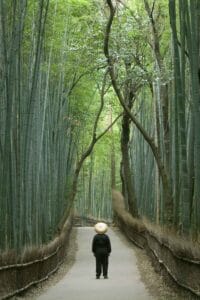
| Arashiyama Bamboo Grove | JR San-In Line | 15 mins | Walk 10 minutes from Saga-Arashiyama Station to reach the grove. |
| Gion & Higashiyama | Subway (Karasuma Line) to Shijo, then walk/bus | 20–25 mins | Avoid direct buses from the station during peak hours due to traffic. |
| Kinkaku-ji (Golden Pavilion) | Taxi or Kyoto City Bus (Route 205) | 35–45 mins | Located in the far northwest; expect additional time for heavy road congestion. |
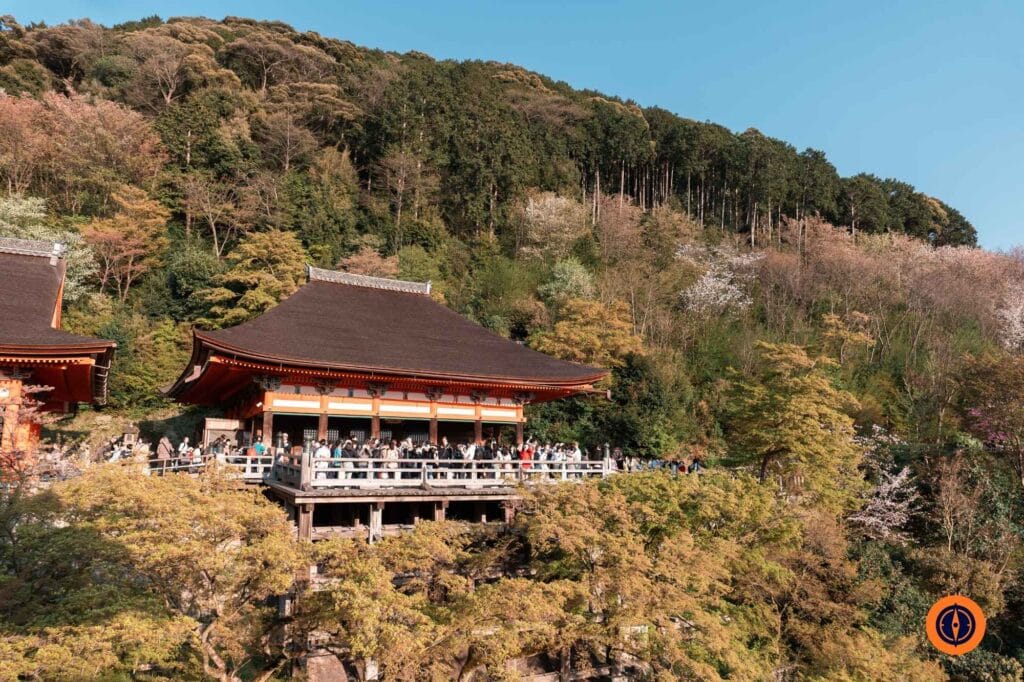
| Kiyomizu-dera Temple | Kyoto City Bus (Route 206) | 25–35 mins | Prepare for a scenic, steep 10-minute uphill walk from the bus stop. |
In addition, most first-time visitors arrive in Kyoto from Tokyo, so it is worth comparing the Tokyo to Kyoto Shinkansen, bus, and flight options before deciding your route.
Navigating Kyoto’s Peak Travel Seasons
Kyoto changes vividly relying on when you visit. If you are planning your trip around 2 major peak seasons in Japan, taking special note of the seasons below will save you from massive headaches.
Spring Cherry Blossoms (Late March to Early April)
- The Vibe: Totally unreal, but it is easy to be the busiest time of the whole year.
- The Reality Check: The hotel prices can increase significantly, and famous attractions like Maruyama Park or the Philosopher’s Path pack out by 8:00 AM.
- Insider Tips: Consider visiting during evening illuminations. A lot of popular temples open after dark with stunning illuminations, which feel much more tranquil than the midday rush.
Autumn Foliage (November)
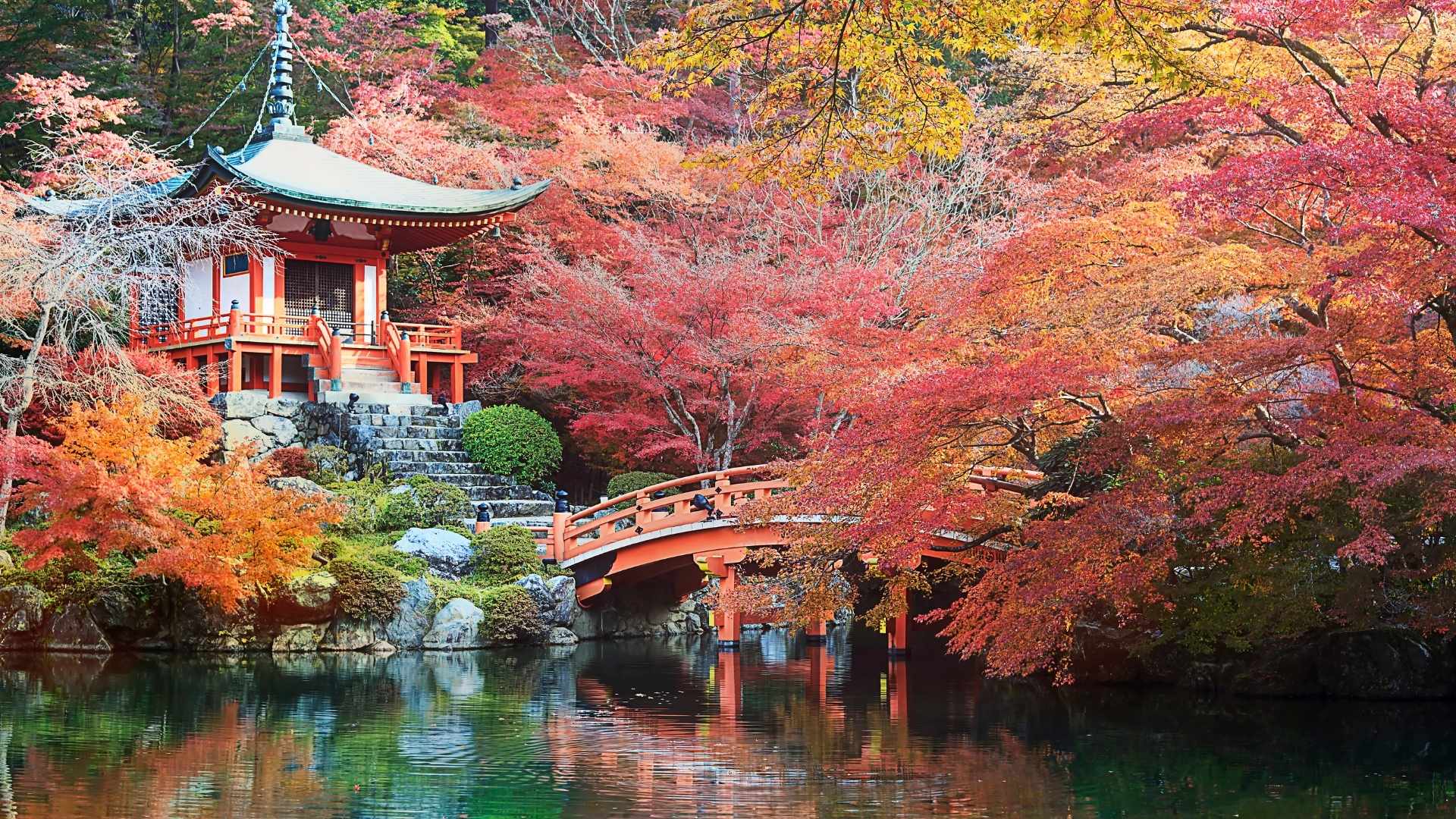
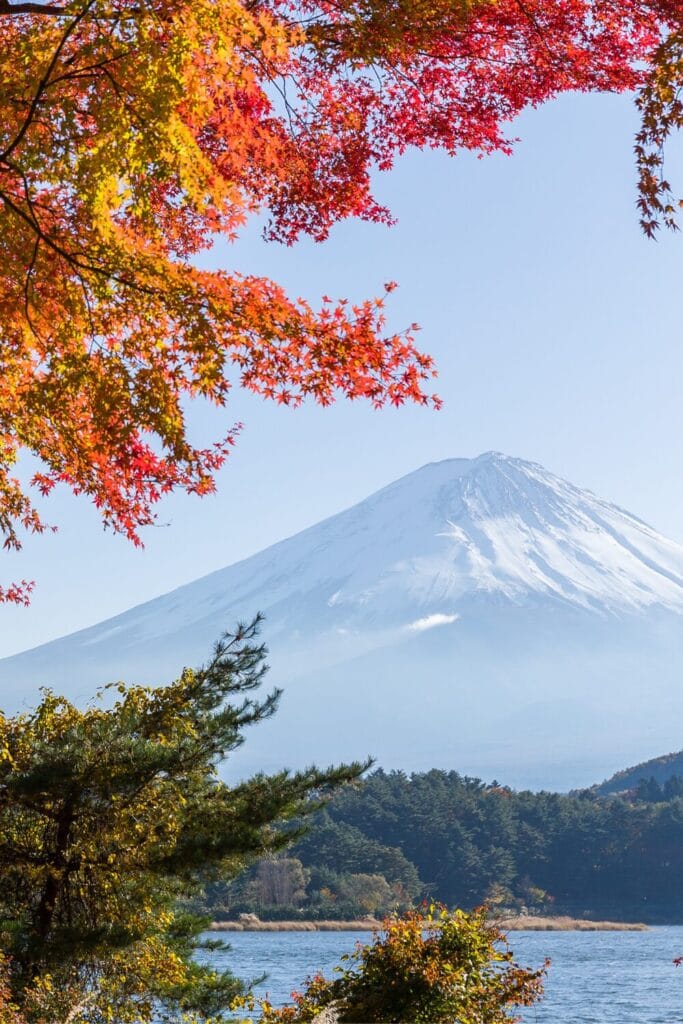
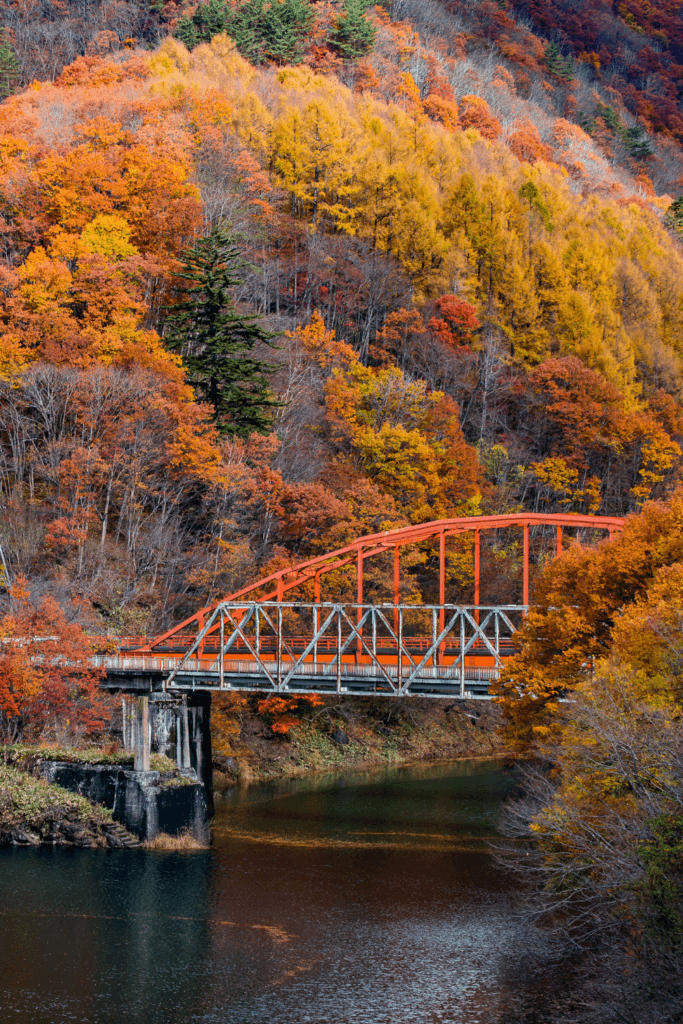
- The Vibe: Many travellers prefer this over cherry blossom season due to amazing deep red maples framing traditional architecture.
- The Reality Check: The weather is crisp and ideal for walking, but traffic gridlock peaks around the western and northern temple districts.
- Insider Tips: Make use of the Keihan line to Tofuku-ji or the early morning train lines to Arashiyama to beat the tour buses completely.
Where to Stay in Kyoto: A Strategic Breakdown
Where you choose to stay in Kyoto will shape your entire experience in this city. Picking the right neighbourhood makes exploration seamless, while reserving the wrong accommodation can add a lot of unnecessary transit fatigue to your daily schedule.
1. Kyoto Station Area
- Best For: Travelers who prioritize moving quickly to another city and maximum transit convenience.
- Why It Works: It is the city’s primary logistical hub, putting endless dining options, local buses, subway routes, and train lines right at your doorstep. It allows catching an early Shinkansen or arriving with heavy luggage completely stress-free.
- The Trade-Off: It feels much more practical than charming as you are trading for bright station lights and modern concrete.
- Insider Detail: A lot of tourist infrastructure is centralized right inside the complex, making this the absolute simplest base to manage for a hassle-free and efficient trip.
2. Central Kyoto & Kawaramachi
- Best For: Travellers who want direct access to the city’s highly balanced home base, best shops and restaurants.
- Why It Works: This vibrant area allows you to easily walk to local markets and restaurants, or jump onto major subway lines to visit the rest of the city without feeling isolated from local life.
- The Trade-Off: It is less historic or visually dramatic compared to the old geisha districts.
- Insider Detail: This is the most trustworthy and middle-ground choice that provides daily convenience with amazing local flavours.
3. Gion & Higashiyama
- Best For: Travellers who want to have an ambience with postcard perfection, photography enthusiasts, and anyone who wants to deeply experience historic streets for early-morning walks.
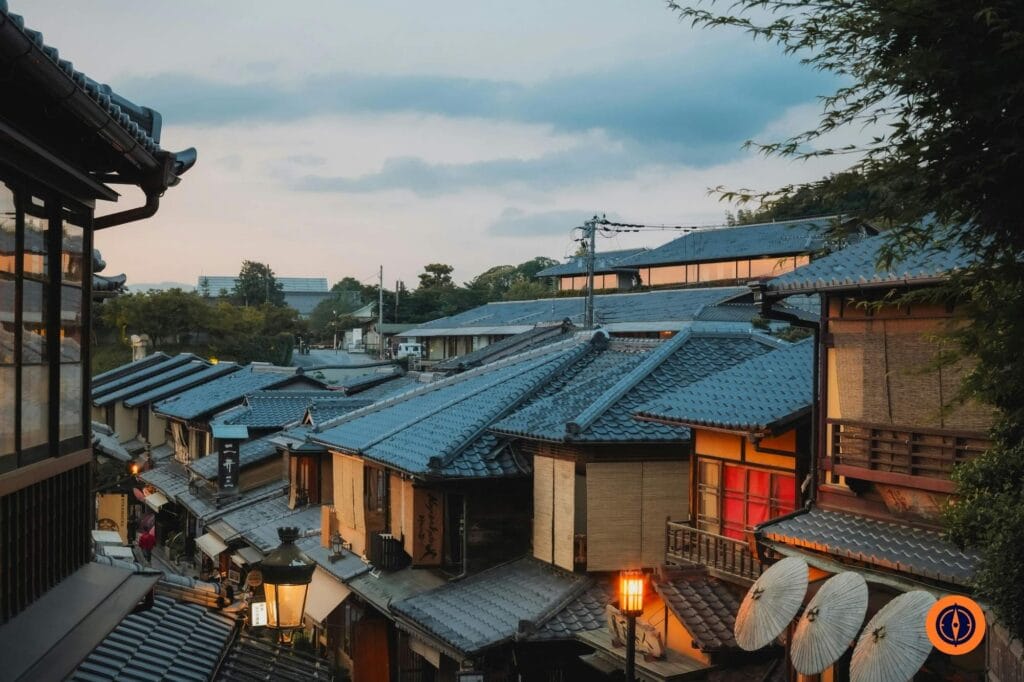
- Why It Works: The area is the historic heart of Kyoto which offers you quick access to ancient temples, iconic wooden teahouses, and sensational evening strolls under glowing lanterns.
- The Trade-Off: The accommodation here tends to be more costly and navigating the narrow streets along with your heavy luggage can be exhausting and challenging.
- Insider Detail: The district is very popular so it is important to have useful resources on hand to understand on how to optimize the transit routes into Gion so you can fully enjoy the trip.
4. Arashiyama
- Best For: Nature lovers, slow-paced travellers, and anyone who is looking for a peaceful and highly scenic getaway.
- Why It Works: Arashiyama located in the far west against the forested mountains which provides a much quieter and nature-infused escape, direct access to the popular bamboo groves, and stunning river views.
- The Trade-Off: It is geographically isolated from the major sightseeings in Kyoto so it is unlikely to suit a fast-paced itinerary.
- Insider Detail: Book Arashiyama stay only if you prefer daily scenic tranquility over central convenience.
If you are pondering in choosing the most common stay for first-time visitors, Kyoto Station vs Gion vs Central Kyoto comparison goes deeper into the suitability of each area, transport, ambience, and convenience.
Is Kyoto Expensive?
Kyoto is consistently ranked as one of the most expensive cities in Japan for accommodation especially during peak seasons. However, Kyoto is not inherently unaffordable as the main trick is to understand the reservation timing, geographic location, and hotel availability.
A Quick Look at Kyoto Accommodations
- Budget Travelers: Business hotels, simple capsule, traditional guesthouses (minshuku), or hostels are widely available if you book early.
- Mid-Range Travelers: Consider for highly functional modern hotel chains that offer comfort with great amenities.
- Premium Locations: Rooms are generally in high demand due to walkable historic districts
Balancing Food vs. Lodging Expenses
The food costs are still manageable as long as you balance your daily spend by mixing basement department store food halls (depachika), convenience stores, and casual local noodle shops with perhaps the occasional premium dining experience.
The primary concern of the budget is still the accommodation costs rather than the entrance fees to shrines and temples or daily meals. If you are being late in making the room reservation, you will need to stay far outside the city center, leading to long commutes or costly daily taxi rides.
Final Verdict: Is Kyoto Worth Visiting?
Ultimately, Kyoto is absolutely worth it. It holds a level of preserved history and cultural depth that you simply won’t find anywhere else in Japan.
Tokyo offers the endless momentum, cutting-edge technology, neon energy while Kyoto anchors you with a slower, mindful pace, beautifully preserved neighborhoods, and ancient traditions. For majority of the first-time visitors, Kyoto stands out as the most memorable journey in Japan, not because it is the busiest or loudest stop but due to its unique ambience enables you to truly slow down and experience surroundings to the fullest.
Frequently Asked Questions (FAQs) About Visiting Kyoto
How many days should I spend in Kyoto?
2 to 3 days is ideal for most first-time visitors as it gives sufficient time to enjoy few key attractions without causing the trip become a rushed checklist.
Where should first-time visitors stay in Kyoto?
Gion or Higashiyama, Central Kyoto, and Kyoto Station Area are generally the first choices depending on your preference in terms of ambience or convenience.
Is Kyoto expensive?
Accommodation is the most expensive in this city especially during the popular seasons but daily sightseeings and food can still be affordable if you plan well.
Is Kyoto or Osaka better for first-time visitors?
Both depends on your preferred style as Kyoto is more into culture and atmosphere while Osaka is popular for a more relaxed urban pace, nightlife, and food. If you are deciding whether to stay in Kyoto or Osaka, this guide will explain in more detail.
Do I need mobile data in Kyoto?
Yes, it is highly recommended as mobile data makes daily travel, transport planning, hotel access, and maps much easier for a city where its attractions are more scattered.
Disclosure: This post may contain affiliate links.



Compare prices across top platforms in seconds.