Solo Travel Packing Checklist for Beginners
Step-by-Step Guide
Introduction
Packing for your first solo trip can feel more stressful than booking flights or accommodation. Without previous experience, it’s common to either overpack “just in case” or forget essential items.
A structured packing plan reduces:
- Airport stress
- Unnecessary baggage fees
- Daily decision fatigue
- Safety risks from missing essentials
This solo travel packing checklist helps beginners prepare efficiently without overpacking or forgetting essentials.
Why Structured Packing Matters
Packing without a framework often leads to three common problems:
- Overweight luggage and baggage fees
- Physical strain from carrying unnecessary items
- Increased stress from disorganized bags
Solo travel requires more independence. You won’t have someone else carrying shared items or reminding you of essentials. Packing correctly reduces small daily inconveniences that can accumulate over time.
A balanced packing strategy focuses on:
- Mobility
- Functionality
- Risk management
- Simplicity
Your goal is not to pack as little as possible. Your goal is to pack intentionally.
Step 1: Understand Your Trip Type and Climate
Before creating a packing list, clarify:
- Trip duration (4 days vs. 14 days)
- Climate (tropical, temperate, cold)
- Activity level (city sightseeing, hiking, beach, mixed)
- Laundry access
Your packing volume should match your trip structure.
For first-time solo travelers:
- 4–7 days → carry-on may be enough
- 7–14 days → small checked bag + daypack
- Multi-city trip → prioritize mobility
Avoid packing based on “what if” scenarios. Pack based on confirmed plans.
Consider Your Accommodation Type
Where you stay affects what you pack.
Hotel:
- Towels provided
- Toiletries often available
- Hair dryer usually included
Hostel:
- May require your own towel
- Bring flip-flops for shared showers
- Padlock sometimes needed
Apartment rental:
- Laundry access may be available
- Kitchen access may reduce need for snacks
Always check the listing details before packing duplicates.
How Packing Changes for Different Solo Travel Styles
Not all solo trips require the same packing strategy.
City-Based Trips
If staying in one main city:
- You can pack lighter.
- Laundry services are usually available.
- Emergency purchases are easy.
Multi-City Trips
If moving every 2–3 days:
- Prioritize mobility.
- Avoid heavy hard-shell luggage.
- Use a compact daypack for daily transport.
Nature or Outdoor Trips
If including hiking or rural areas:
- Pack appropriate footwear.
- Bring small medical kit.
- Consider weather unpredictability.
Match your packing plan to your confirmed itinerary.
If you have not finalized your itinerary yet, review our complete guide on how to plan your first solo trip before packing.
Step 2: Essential Documents and Money Items
Keep these items in a secure, easily accessible pouch.
Required Documents
- Passport (with at least 6 months validity)
- Visa (if required)
- Flight confirmations
- Accommodation confirmations
- Travel insurance policy
- Emergency contact list
Money & Financial Access
- Primary credit/debit card
- Backup card stored separately
- Small amount of local currency
- Digital wallet setup
Tip:
Store digital copies in cloud storage and email a copy to yourself.
Never pack critical documents in checked luggage.
Step 3: Clothing Strategy (Pack by Function, Not “Just in Case”)
Overpacking usually happens in the clothing category.
Instead of packing by outfit, pack by function.
Base Clothing Framework (7-Day Trip)
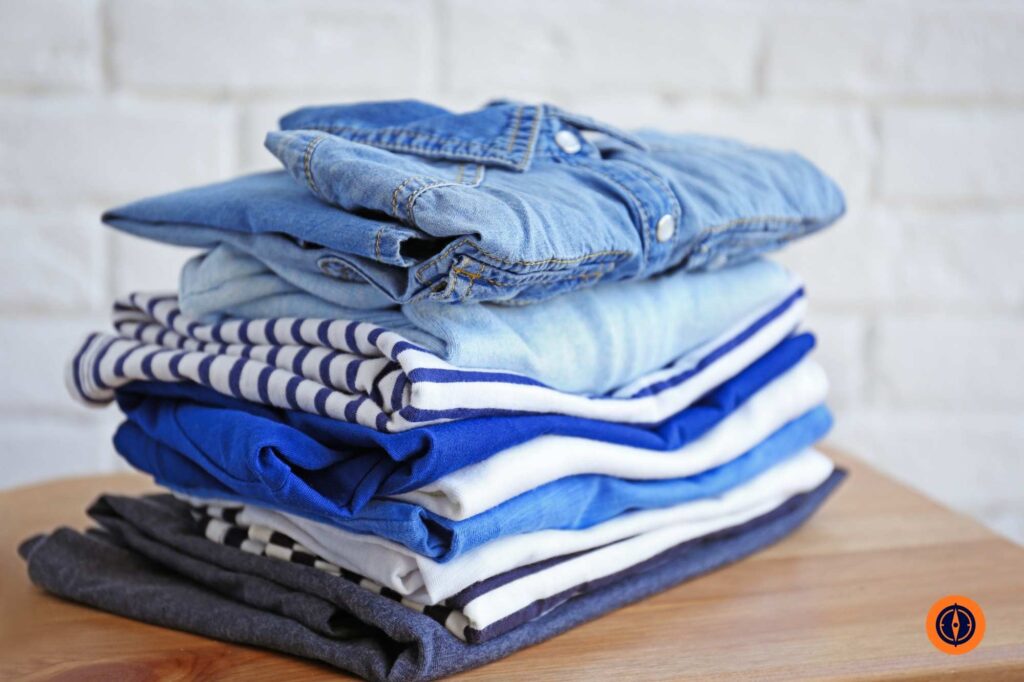
- 4–5 tops
- 2–3 bottoms
- 1 lightweight jacket or layer
- 1 sleepwear set
- 7 underwear
- 4–5 socks
- 1 comfortable walking shoe
- 1 secondary footwear (optional)
Adjust based on climate:
Cold weather:
- Thermal layer
- Insulated jacket
- Gloves / scarf
Tropical:
- Breathable fabrics
- Lightweight rain layer
- Sandals
Choose neutral colors to mix and match.
Avoid:
- New shoes (risk of blisters)
- “Maybe I’ll wear this” items
Layering Is More Efficient Than Heavy Packing
Instead of packing multiple thick items, use layers:
- Lightweight base layer
- Mid-layer (sweater or hoodie)
- Outer layer (windproof or waterproof)
Layering works in most climates and reduces luggage bulk.
Fabric Selection Matters
Choose:
- Quick-dry fabrics
- Wrinkle-resistant materials
- Breathable cotton blends
Avoid:
- Heavy denim for long walking days
- High-maintenance fabrics requiring ironing
Practical clothing improves comfort significantly during solo trips.
Rewear Strategy for Efficient Packing
Beginner travelers often pack as if each day requires a new outfit.
Instead, rotate strategically:
- Tops can be worn twice if not heavily soiled.
- Bottoms can be worn multiple times.
- Lightweight fabrics dry overnight if hand-washed.
For trips longer than 7 days, plan one laundry session instead of doubling your clothing volume.
This reduces weight and simplifies movement.
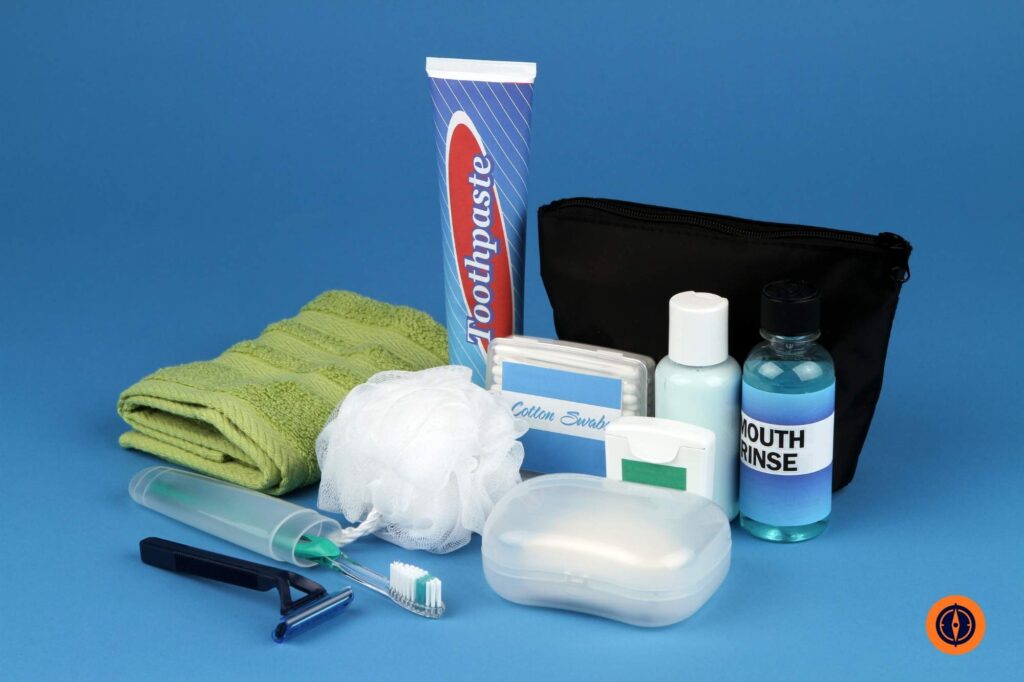
Step 4: Toiletries and Health Basics
Pack only what you cannot easily buy at your destination.
Toiletries
- Toothbrush & toothpaste
- Deodorant
- Basic skincare
- Travel-size shampoo (if needed)
- Razor
- Hairbrush
Health & Medication
- Prescription medication (full supply)
- Basic pain relief
- Motion sickness tablets (if needed)
- Small first aid kit
- Hand sanitizer
- Reusable water bottle
Keep medications in original packaging when possible.
Travel-Size vs Full-Size
For trips under 7 days: Travel-size products reduce weight and space.
For longer trips: Bring small refillable containers.
Liquids should follow airline rules if using carry-on luggage.
Step 5: Tech and Travel Essentials
Technology supports navigation, safety, and communication.
Core Tech
- Phone
- Charger
- Power bank
- Universal adapter
- Earphones
Optional but helpful:
- Small daypack
- Reusable shopping bag
- Travel lock
- Sunglasses
- Compact umbrella
Avoid carrying unnecessary electronics if not required.
Digital Safety Essentials
In addition to chargers, consider:
- Two-factor authentication enabled on accounts
- Offline maps downloaded
- Backup copies of important files
If your phone is lost, you should still have access to:
- Emergency contacts
- Booking details
- Insurance information
Personal Comfort Items (Optional but Helpful)
These are not mandatory but improve solo travel comfort:
- Eye mask (for flights or hostels)
- Earplugs
- Small neck pillow (inflatable)
- Lightweight scarf (multi-use: warmth, modesty, pillow)
Comfort matters more when traveling alone because you rely entirely on your own rest and recovery.
Step 6: Safety and Backup Items
Safety packing is about prevention, not fear.
Consider:
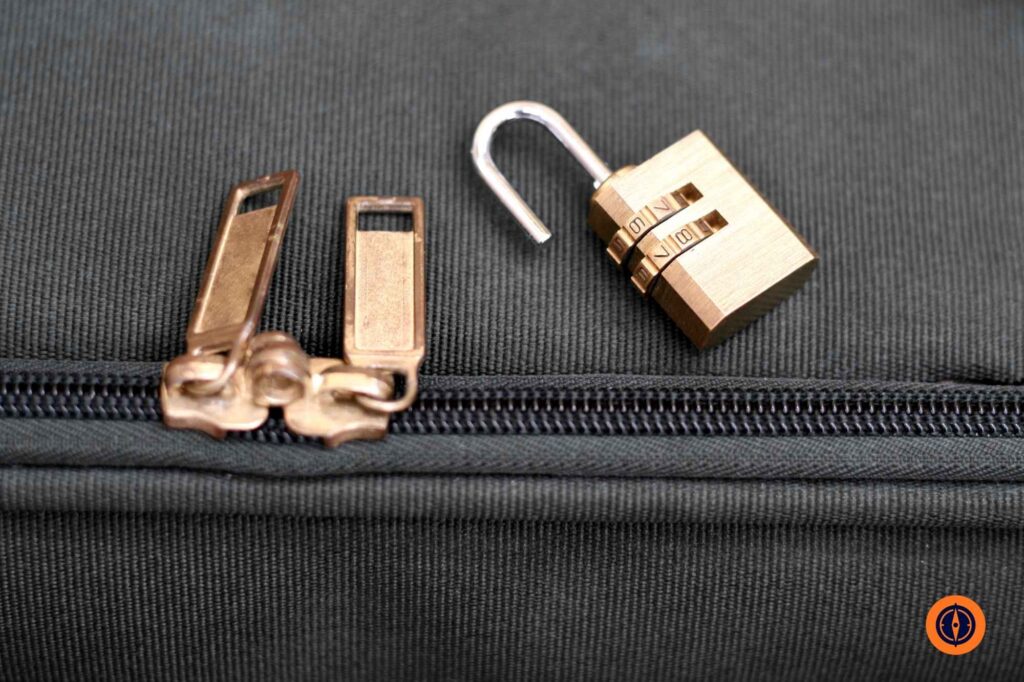
- Luggage lock
- Hidden money pouch
- Printed emergency contacts
- Copies of passport
- Basic emergency cash (separate location)
If traveling to unfamiliar areas:
- Portable door stopper alarm
- Small flashlight
These items add peace of mind without increasing bulk significantly.
Digital and Financial Backup Planning
Solo travelers should separate risk.
Best practice:
- Keep one card in wallet.
- Keep backup card in luggage.
- Keep emergency cash in separate pocket.
If a wallet is lost, you still have access to funds and enable bank notifications to monitor transactions instantly. This prevents small problems from escalating.
Many of these precautions are part of a broader solo travel safety strategy.
Step 7: What NOT to Pack
First-time solo travelers often overpack these items:
- Too many shoes
- Heavy books
- Excessive toiletries
- Multiple jackets
- Large “just in case” gadgets
Remember:
You can buy basic items almost anywhere.
Mobility is more valuable than excess preparation.
Step 8: Choose the Right Luggage
Your luggage choice affects mobility more than most people realize.
Carry-On Suitcase
Best for:
- Short trips
- Urban destinations
- Frequent transport changes
- Backpack
Best for:
- Multi-city travel
- Uneven streets
- Public transport-heavy trips
- Checked Suitcase
Best for:
- Longer trips
- Cold weather travel
- Lower mobility requirements
Avoid oversized luggage unless absolutely necessary.
Carry-On vs Checked Luggage: How to Decide
Choosing between carry-on and checked luggage depends on your trip length, mobility needs, and comfort level.
Choose Carry-On If:
- Your trip is under 7 days
- You prefer quick airport exits
- You want to avoid baggage fees
- You are moving between cities frequently
Carry-on travel improves mobility and reduces the risk of lost luggage. However, it requires stricter planning and limited clothing.
Choose Checked Luggage If:
- You are traveling for more than 10 days
- You are visiting cold destinations requiring heavier clothing
- You prefer comfort over strict minimalism
- You are staying in one primary location
There is no universal “best” option. The right choice depends on your itinerary and personal comfort.
Overpacking may also increase baggage fees, which can affect your total travel budget.
Step 9: Organize for Accessibility
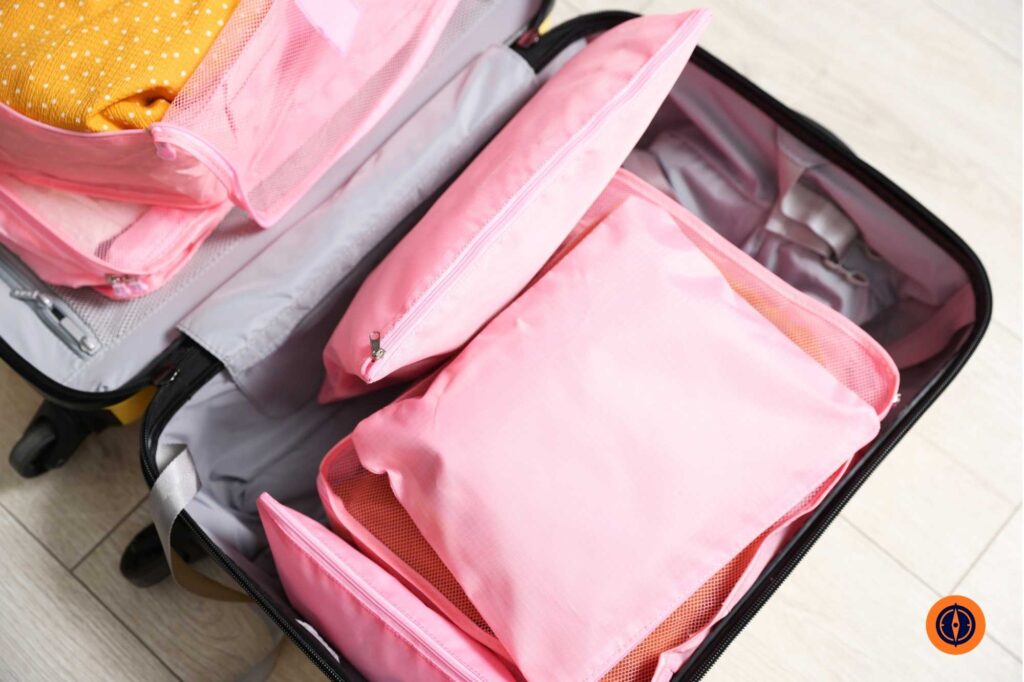
Efficient packing is not just about what you bring, but how you arrange it.
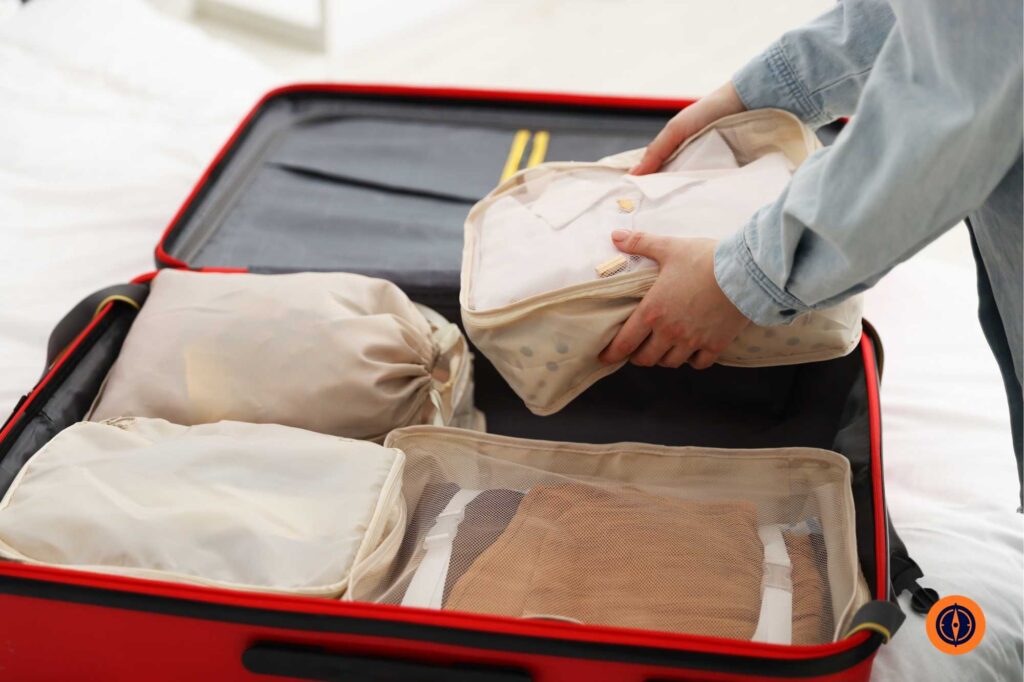
Use:
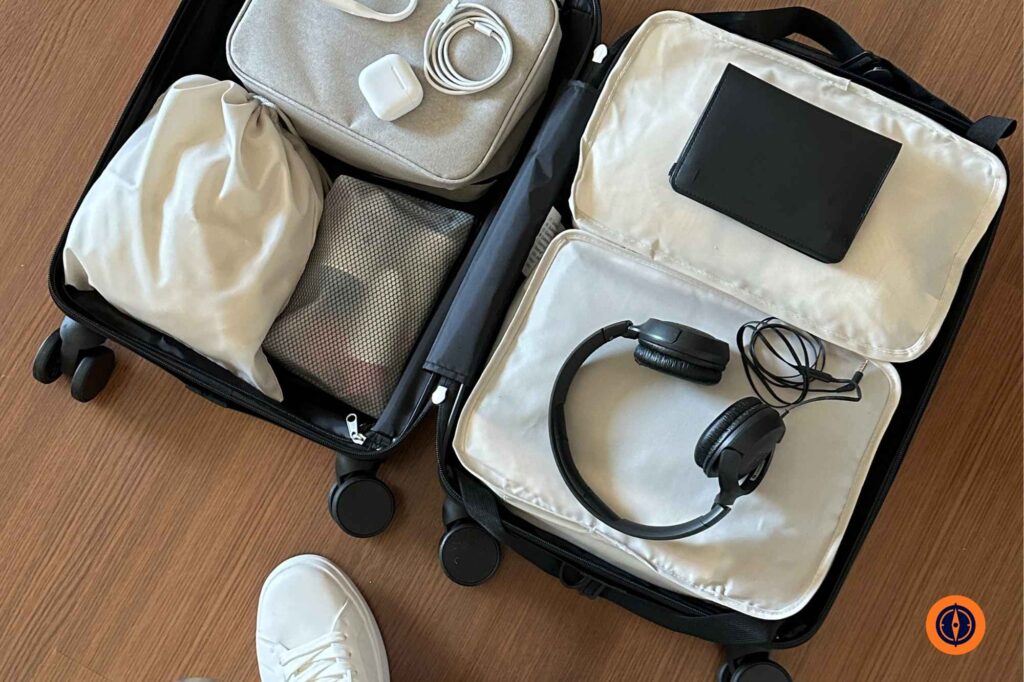
- Packing cubes
- Separate document pouch
- Dedicated tech pouch
- Small laundry bag
Keep high-access items near the top:
- Passport
- Charger
- Snacks
- Medication
This reduces the need to unpack completely in public areas.
Airport Day Packing Strategy
Keep essential items in a small, easily accessible pouch:
- Passport
- Boarding pass
- Phone
- Charger
- Power bank
- Medication
- Pen for immigration forms
Avoid placing critical documents inside large luggage compartments. Airport environments can be rushed and crowded.
During security screening:
- Remove electronics efficiently
- Keep liquids organized
- Wear easy-to-remove shoes
Reducing friction at the airport lowers stress for first-time solo travelers.
Emotional Packing
Avoid bringing items solely for emotional comfort unless essential.
Examples:
- Excessive books
- Multiple “backup” outfits
- Large beauty tools
Most solo travel stress comes from logistical issues, not from lacking extra clothing.
Mobility increases confidence.
Printable Solo Travel Packing Checklist
You can convert the below into a downloadable checklist later.
Documents
☐ Passport
☐ Visa
☐ Insurance
☐ Flight confirmations
☐ Accommodation details
Clothing
☐ Tops
☐ Bottoms
☐ Jacket
☐ Underwear
☐ Socks
☐ Walking shoes
Toiletries
☐ Toothbrush
☐ Deodorant
☐ Medication
Tech
☐ Phone
☐ Charger
☐ Adapter
☐ Power bank
Safety
☐ Travel lock
☐ Backup card
☐ Emergency contacts
Pre-Departure Packing Checklist Review
48 hours before departure:
- Lay out everything.
- Remove 10-15% of non-essential items.
- Weigh your luggage.
- Check airline baggage rules.
- Confirm weather forecast one final time.
This final review prevents airport stress.
Common Packing Mistakes First-Time Solo Travelers Make
Even with preparation, beginners often repeat predictable mistakes.
1. Packing Too Many Shoes – Shoes add significant weight and space.
2. Ignoring Weather Variability – Always check the forecast 48 hours before departure.
3. Forgetting Laundry Planning – Packing double clothing instead of planning one wash session increases bulk unnecessarily.
4. Overpacking Toiletries – Most toiletries can be purchased at your destination.
5. Packing “Just in Case” Items – If you cannot clearly explain when you will use it, leave it behind.
Packing discipline improves mobility and reduces daily frustration.
FAQs About Solo Travel Packing
Should beginners travel with carry-on only?
For short trips, carry-on is manageable and reduces airport delays. For longer trips, a small checked bag may be more practical. Choose based on comfort and mobility.
How many outfits should I pack for a week?
You do not need seven full outfits. Packing 4-5 tops and 2-3 bottoms is usually sufficient when items can be mixed and reused.
Is it better to pack light for solo travel?
Packing light improves mobility and reduces fatigue. However, balance is important. Do not remove essential safety or health items to save minimal space.
What size suitcase is best for solo travel?
For 4-7 days, a 20-22 inch carry-on is usually sufficient. For longer trips, a medium suitcase (24-26 inch) balances capacity and mobility.
Should I pack differently for international travel?
Yes. International trips require additional planning for:
- Voltage adapters
- Travel insurance documents
- Visa documentation
- Local SIM or eSIM setup
Is it better to pack everything at once or gradually?
Gradual packing reduces last-minute stress. Begin organizing 5-7 days before departure and finalize 48 hours before travel.
Final Packing Principle for First-Time Solo Travelers
Efficient packing is not about minimalism. It is about intentional preparation.
When your luggage is organized, appropriately sized, and aligned with your itinerary, daily movement becomes easier.
You will:
- Walk longer distances comfortably
- Navigate transportation smoothly
- Reduce airport stress
- Spend less time reorganizing belongings
A well-packed bag supports your travel experience quietly in the background.
Overpacking creates friction. Structured packing creates freedom.
Disclosure: This post may contain affiliate links.


Compare prices across top platforms in seconds.