
Best Destination for First Solo Trip
How to Choose the Right One
Introduction
Choosing the best destination for your first solo trip requires evaluating safety, infrastructure, and budget compatibility. With so many options available, it is easy to focus on popular places without evaluating whether they match your experience level, budget, or comfort zone.
For first-time solo travelers, destination choice plays a major role in overall confidence and trip success. A location with reliable transportation, accessible information, and stable conditions can reduce stress significantly.
Instead of asking, “Where is the most exciting place to visit?”, a better question is, “Which destination aligns with my current preparation level and travel goals?”
This guide provides a structured framework to help you evaluate destinations based on safety, budget compatibility, accessibility, and infrastructure. The goal is not to rank countries, but to help you make a confident, informed decision.
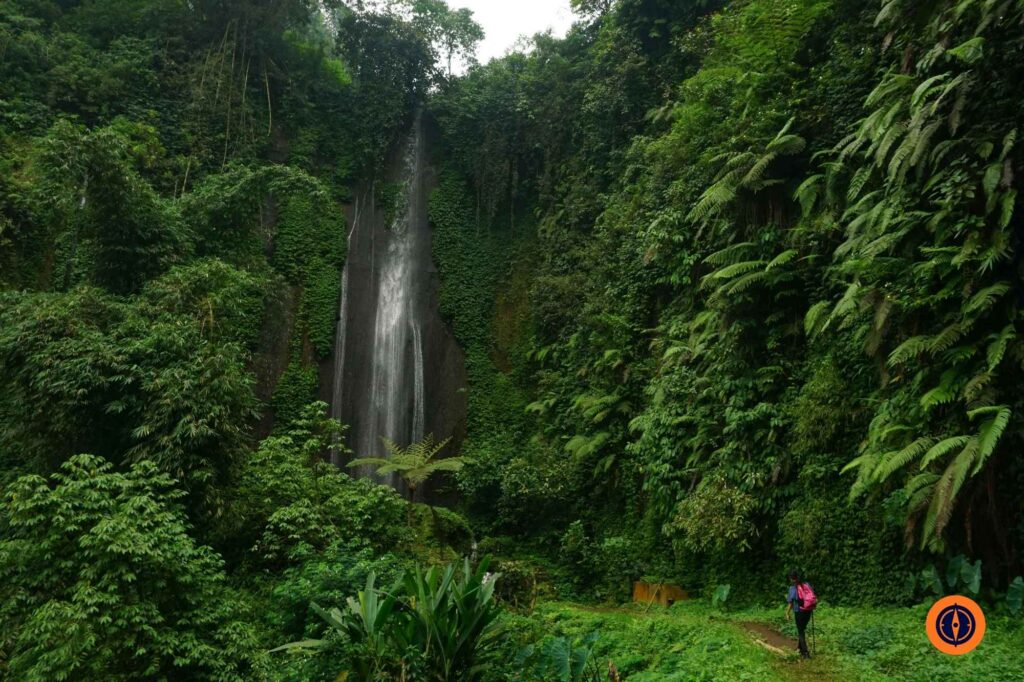
How to Identify the Best Destination for Your First Solo Trip
For experienced travelers, adapting to unfamiliar environments may feel manageable. For first-time solo travelers, however, destination complexity can directly affect confidence, stress levels, and decision-making.
Choosing an appropriate destination for your first solo trip helps you:
- Reduce logistical uncertainty
- Navigate transportation systems more easily
- Access reliable accommodation options
- Communicate more effectively
- Handle unexpected situations calmly
A destination with strong tourism infrastructure often provides clearer signage, established transportation routes, and accessible information. This lowers the learning curve of traveling alone.
In contrast, selecting a highly complex destination for your first trip-such as one with limited public transport, language barriers, or unstable conditions-may increase avoidable stress.
Your first solo trip does not need to be ambitious. It needs to be manageable.
If you are still structuring your overall plan, review a step-by-step solo travel planning framework before finalizing your destination. Clear planning and appropriate destination choice work together.
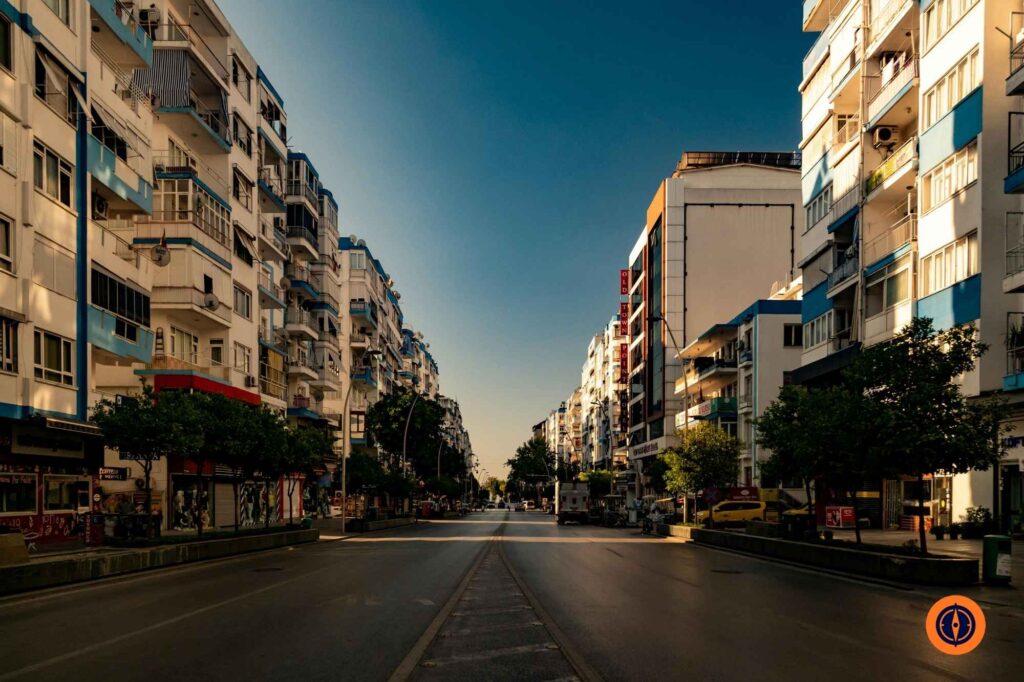
Step 1: Match Destination to Your Experience Level
Not all destinations require the same level of travel experience. For a first solo trip, it is important to choose a location that aligns with your current confidence and navigation skills.
Beginner-friendly destinations typically offer:
- Reliable public transportation
- Clear signage in major tourist areas
- Well-reviewed accommodation options
- Accessible customer service
- Established tourism infrastructure
If you are new to traveling alone, consider starting with:
- Major cities rather than remote areas
- Locations with strong tourism support
- Countries known for clear transportation systems
Urban destinations often provide easier access to transportation, medical services, and information centers. This reduces uncertainty and allows you to focus on building confidence.
Remote or rural regions may require more advanced logistical planning. While they can be rewarding, they may not be ideal for a first solo experience.
Choosing a destination that matches your experience level does not limit your growth. It creates a foundation for future trips.
Step 2: Evaluate Safety and Stability
Safety is one of the most important factors when choosing your first solo travel destination. While no location is completely risk-free, some destinations offer stronger infrastructure, clearer emergency systems, and greater political stability.
Before selecting a destination, review:
- Official government travel advisories
- Recent news regarding political or social stability
- Local emergency contact numbers
- Healthcare accessibility
- Neighborhood safety information
Beginner-friendly destinations often have:
- Clear emergency services
- Reliable public transportation
- Visible police presence in tourist areas
- Strong tourism support systems
Avoid relying solely on social media opinions. Use official government sources and reputable travel platforms for updated information.
It is also important to research specific cities rather than evaluating an entire country as a single unit. Safety levels can vary significantly between regions.
If you want a structured breakdown of how to prepare for safety while traveling alone, review a practical solo travel safety guide before making your final decision.
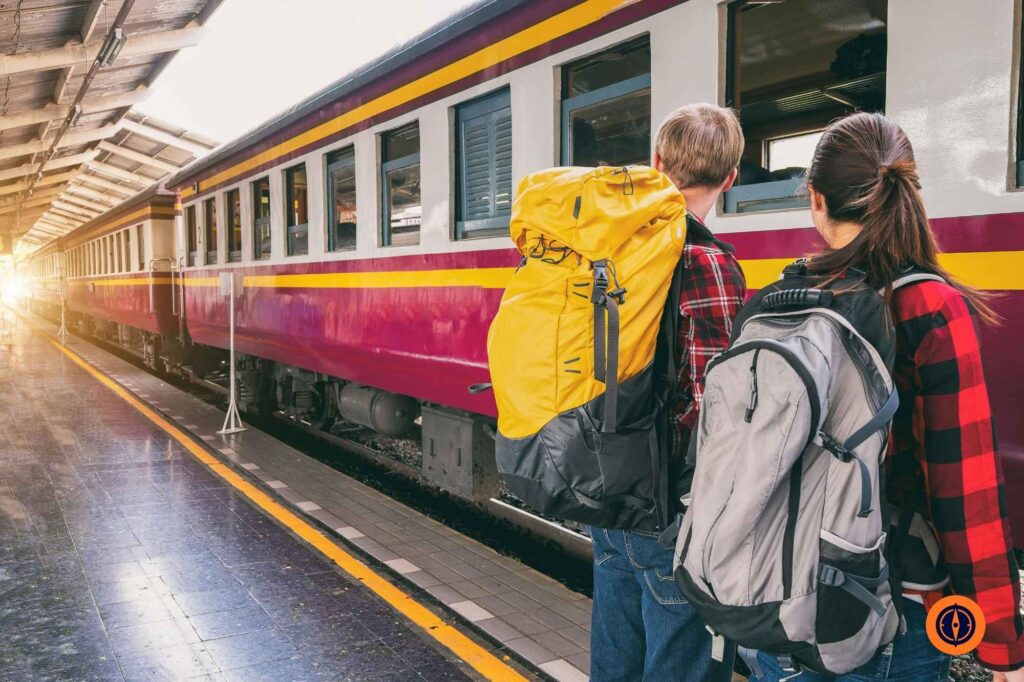
Step 3: Consider Budget Compatibility
Your destination must align with your financial expectations. A mismatch between budget and location can create unnecessary stress during your first solo trip.
Before choosing a destination, research:
- Average daily accommodation costs
- Typical food expenses
- Local transportation pricing
- Attraction or activity fees
- Currency exchange rates
Some destinations are considered “budget-friendly” due to lower cost of living, while others require significantly higher daily spending. This does not mean expensive destinations should be avoided, but your budget should realistically match the cost structure of the location.
When evaluating cost, consider:
- Whether you plan to stay in hostels, mid-range hotels, or private rentals
- Whether public transportation is affordable and accessible
- Whether dining out is part of your daily routine
It is also helpful to calculate an estimated daily average rather than focusing only on flight prices. Flights are fixed costs, but accommodation and daily expenses determine your overall financial comfort during the trip.
If you are unsure how to calculate a realistic travel budget, review a structured solo travel budget guide before finalizing your destination choice.

Step 4: Transportation and Accessibility
Transportation complexity can significantly affect your first solo travel experience. A destination that is easy to access and navigate reduces uncertainty and improves confidence.
When evaluating accessibility, consider:
- Availability of direct flights from your location
- Airport transfer options (train, bus, official taxi services)
- Reliability of public transportation systems
- Walkability of major tourist areas
- Ride-hailing app availability
Destinations with clear transportation systems allow you to move independently without constant assistance. This is especially important for first-time solo travelers who are still building navigation confidence.
Complicated transfer routes, limited signage, or unreliable public transport may increase stress during your first trip. While these challenges can be managed with experience, simpler logistics are recommended for beginners.
Also consider:
- How far your accommodation is from the airport
- Whether late-night arrivals are manageable
- If public transport runs consistently throughout the day
Transportation simplicity directly affects daily comfort. A destination that allows you to move around easily supports a smoother overall experience.
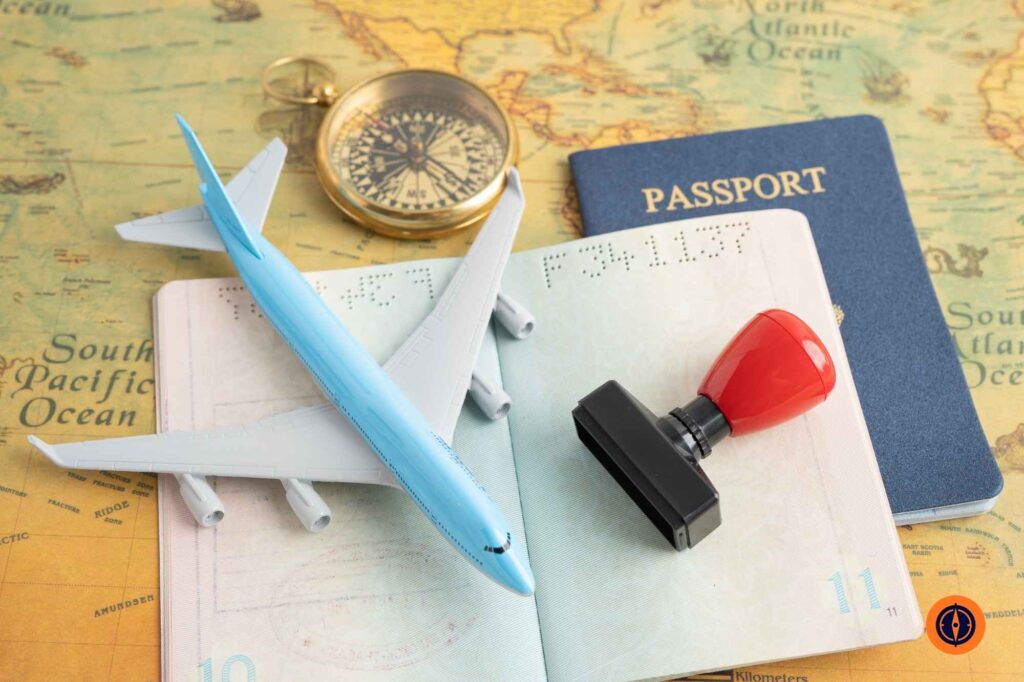
Step 5: Visa and Entry Requirements
Visa policies can influence the practicality of your first solo travel destination. Some countries offer visa-free access or simple online applications, while others require in-person embassy appointments or additional documentation.
Before choosing a destination, verify:
- Whether your passport allows visa-free entry
- If an eVisa is required
- Length of permitted stay
- Passport validity requirements (many require 6 months validity)
- Proof of onward travel requirements
Destinations with straightforward entry processes are often more suitable for first-time solo travelers. Complicated visa procedures can add unnecessary administrative stress before departure.
It is also important to check:
- Entry health requirements
- Travel insurance requirements
- Immigration documentation needed upon arrival
Always rely on official government immigration websites for accurate and updated information.
Choosing a destination with simple and transparent entry requirements reduces pre-departure uncertainty and allows you to focus on practical trip planning.
Step 6: Language and Communication
Language accessibility can influence how comfortable you feel during your first solo trip. While it is not necessary to speak the local language fluently, basic communication ease reduces stress and improves navigation confidence.
When evaluating a destination, consider:
- Whether English (or a language you speak) is commonly understood in tourist areas
- Availability of bilingual signage in airports and public transportation
- Accessibility of translation apps
- Tourist information centers or help desks
Destinations with clear signage and accessible information make it easier to navigate independently. This is especially helpful during airport transfers, hotel check-ins, and public transportation use.
If visiting a country where you do not speak the local language, simple preparation can help:
- Download offline translation apps
- Save key phrases
- Keep accommodation details written in the local language
Language differences should not discourage solo travel. However, for a first trip, choosing a destination with easier communication may reduce unnecessary friction.
As you gain experience, you may feel more comfortable exploring destinations with greater language barriers.
Step 7: Travel Style Alignment
Your first solo destination should align with the type of travel experience you actually enjoy. Choosing a location based only on popularity may lead to disappointment if it does not match your interests.
Before deciding, ask yourself:
- Do I prefer city exploration or nature-focused environments?
- Am I interested in food, history, beaches, hiking, or cultural experiences?
- Do I enjoy fast-paced sightseeing or slower, relaxed travel?
- Do I prefer structured itineraries or flexible wandering?
For example:
If you enjoy:
- Museums, architecture, and public transport → major cities may be ideal.
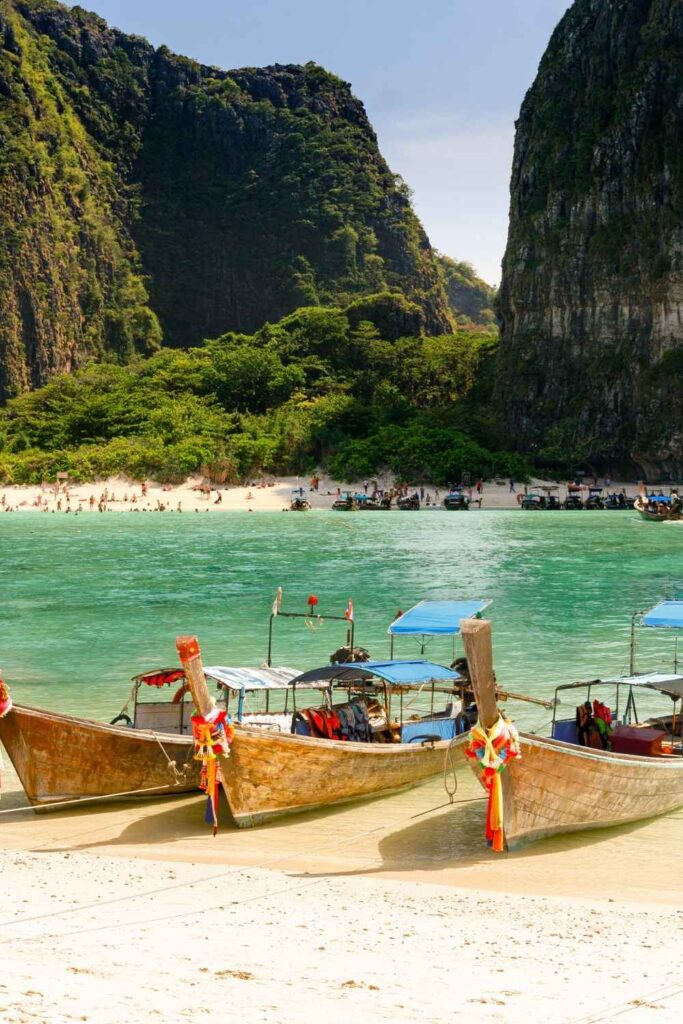
- Beaches and relaxation → coastal destinations may be more suitable.
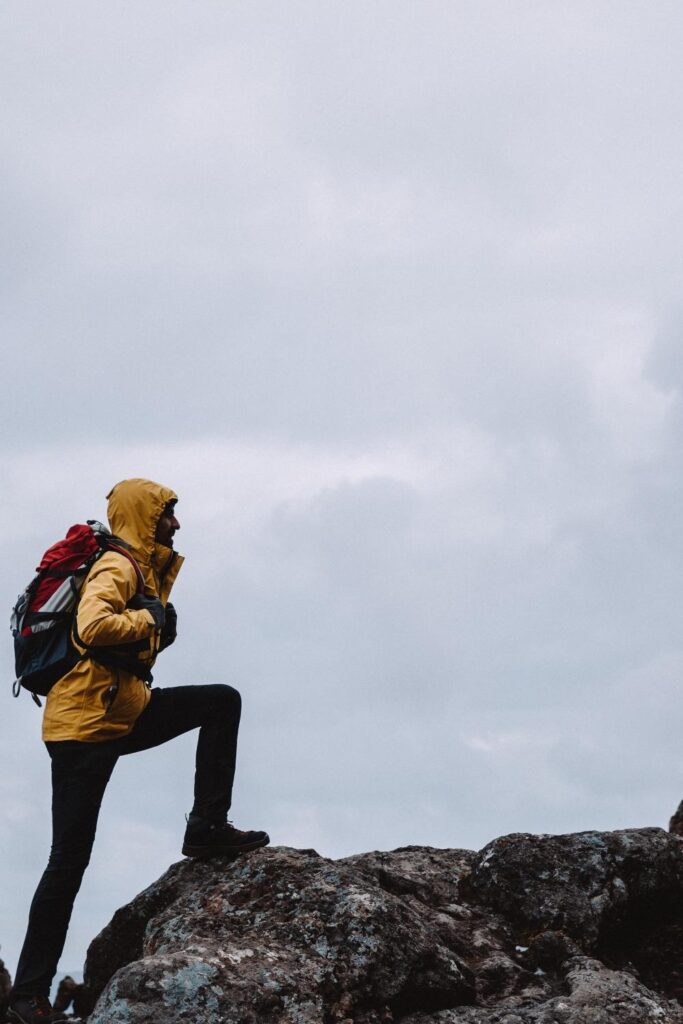
- Hiking and outdoor exploration → national parks or nature-based regions may be better aligned.
Aligning destination choice with your personal interests increases satisfaction and reduces the likelihood of feeling overwhelmed or under-stimulated.
Your first solo trip does not need to include every possible activity. It should reflect what genuinely interests you.
When your destination matches your travel style, planning becomes easier and daily decisions feel more natural.
Beginner-Friendly Regions to Consider
Rather than focusing on individual countries immediately, it can be helpful to evaluate broader regions known for strong tourism infrastructure and accessibility.
Below are examples of regions that many first-time solo travelers find manageable. This is not a ranking, but a starting point for research.
Southeast Asia
Many parts of Southeast Asia offer:
- Affordable daily costs
- Established backpacker routes
- Accessible transportation
- Large international travel communities
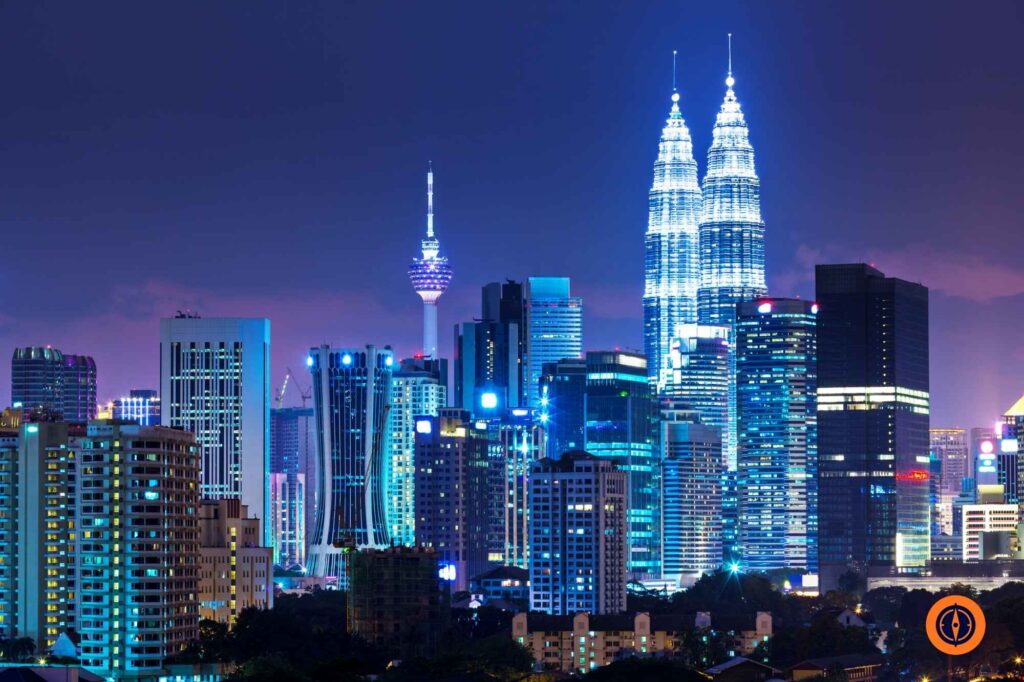
Countries such as Thailand, Singapore, and parts of Malaysia are often researched by beginners due to their tourism infrastructure and accommodation variety.
Western Europe
Western European destinations typically provide:
- Reliable public transportation
- Clear signage
- Strong healthcare systems
- Stable political environments
Cities in countries like France, Germany, Spain, and the Netherlands are commonly considered manageable for first-time solo travel.
Japan
Japan is often researched by solo travelers because of:
- High safety standards
- Efficient public transport
- Clear organization and cleanliness
- Reliable infrastructure
While language barriers exist, transportation systems and signage are often accessible in major cities.
Australia and New Zealand
These destinations are known for:
- English accessibility
- Strong tourism infrastructure
- High safety standards
- Well-developed transportation networks
They may be suitable for travelers seeking familiarity in language and systems.
Selected North American Cities
Certain cities in North America may offer:
- Strong infrastructure
- Accessible healthcare
- English-language support
- Reliable transportation networks
As with any region, research specific neighborhoods and city-level conditions rather than generalizing.
The purpose of this section is to provide research direction, not to declare “best” destinations. Your final decision should still follow the structured evaluation framework discussed earlier.

Destinations That May Be More Challenging for First Solo Trips
Some destinations may present additional complexity for first-time solo travelers. This does not mean they should be avoided permanently, but they may require stronger planning skills and prior travel experience.
Destinations may be more challenging when they involve:
- Limited public transportation infrastructure
- Frequent transportation disruptions
- Unclear signage or navigation systems
- Significant language barriers in tourist areas
- Political or social instability
- Limited access to healthcare facilities
Remote or rural regions can also require more advanced logistical preparation. Long-distance transfers, limited accommodation options, and reduced connectivity may increase daily stress for beginners.
In some countries, cultural norms may differ significantly from what you are accustomed to. Without prior international travel experience, adapting quickly may feel overwhelming.
If you are unsure whether a destination may be too complex for your first trip, review:
- Recent traveler reports
- Official government advisories
- Local transportation maps
- Availability of English-language services
Challenging destinations are not “bad” choices. They are simply better suited for travelers who have already built confidence through previous solo experiences.
Starting with a manageable destination creates a stronger foundation for exploring more complex regions in the future.
A Simple Destination Decision Framework
To avoid emotional or impulsive decisions, use a structured evaluation method before finalizing your first solo travel destination.
Create a short comparison list of 2–3 destinations you are considering. Then score each one using the following categories:
1. Safety and Stability
- Are government travel advisories favorable?
- Is there reliable emergency infrastructure?
- Are tourist areas generally well-managed?
Score: 1–5
2. Budget Compatibility
- Does the average daily cost fit your budget?
- Are accommodation options affordable?
- Is transportation reasonably priced?
Score: 1–5
3. Transportation Simplicity
- Are direct flights available?
- Is airport transfer straightforward?
- Is public transportation easy to understand?
Score: 1–5
4. Language Accessibility
- Is English (or your language) commonly used in tourist areas?
- Is signage clear and readable?
- Are translation tools sufficient?
Score: 1–5
5. Tourism Infrastructure
- Are there well-reviewed accommodations?
- Is there a visible tourism presence?
- Are tours and information services accessible?
Score: 1–5
6. Travel Style Fit
- Does the destination match your interests?
- Does it align with your preferred pace of travel?
- Will you feel engaged and comfortable there?
Score: 1–5
After scoring each destination, compare totals.
The goal is not to find a “perfect” destination. The goal is to identify which option presents the lowest friction and highest alignment for your first solo experience.
Structured evaluation reduces uncertainty and prevents decisions based solely on trends or social media influence.
Selecting the best destination for your first solo trip is about alignment, not trends.
FAQs About Choosing a Solo Travel Destination
What is the best destination for a first solo trip?
There is no universal “best” destination. The right choice depends on your budget, comfort level, travel goals, and experience. Beginner-friendly destinations typically offer reliable transportation, strong tourism infrastructure, and accessible communication.
Should I choose a destination close to home for my first solo trip?
For many first-time solo travelers, choosing a destination within a short flight distance can reduce stress. Shorter travel time, familiar cultural elements, and easier return options may improve overall confidence.
Is it better to visit a popular tourist destination for my first solo trip?
Popular destinations often provide stronger infrastructure, clearer transportation systems, and accessible accommodation options. While less crowded destinations can be rewarding, established tourist hubs are often easier for beginners.
How long should my first solo trip be?
A shorter trip-such as 4 to 7 days-can be ideal for a first solo experience. It allows you to test independent travel without committing to an extended stay. As confidence grows, trip length can gradually increase.
Should safety be my top priority when choosing a destination?
Safety is an important factor, but it should be evaluated alongside infrastructure, budget compatibility, and accessibility. A balanced evaluation framework is more effective than focusing on one factor alone.
Disclosure: This post may contain affiliate links.

Compare prices across top platforms in seconds.