Where to Stay in Tokyo for First-Time Visitors
Best Areas Compared
Introduction
Choosing where to stay in Tokyo can feel overwhelming because Tokyo does not have one obvious center. Unlike some cities where most visitors naturally stay near one historic core, Tokyo works more like a network of major districts. Each area has its own transport strengths, hotel price range, evening atmosphere, food scene and sightseeing convenience.
For first-time visitors, the best area to stay in Tokyo is not necessarily the most famous one. It is the area that makes your first few days in Japan easier. This matters because Tokyo is often where travelers arrive, recover from the flight, learn the train system, buy essentials and begin the wider Japan route.
A weak hotel base can make Tokyo feel bigger and more tiring than it needs to be. A strong base makes the city feel exciting instead of intimidating. The right area gives you easy food, clear transport, a comfortable evening routine and fewer decisions when you are jet-lagged or carrying luggage.
This guide compares the best areas to stay in Tokyo for first-time visitors, including Shinjuku, Ueno, Asakusa, Shibuya, Tokyo Station, Ginza, Ikebukuro, Roppongi, Akasaka and Shinagawa. The goal is not to find the single “perfect” neighborhood. The goal is to choose the area that fits your route, budget, arrival airport and travel style.
If Tokyo is part of a wider Japan route, you may also want to compare this with my Japan 7-day itinerary or Japan 10-day itinerary before booking your hotel.
Quick Answer: Best Area to Stay in Tokyo for First-Time Visitors
For most first-time visitors, Shinjuku is the best all-round area to stay in Tokyo because it gives you strong transport, food, shopping, nightlife, hotels and easy access to many parts of the city. It is not the calmest area, but it is one of the most convenient.
If you want better value and easier Narita Airport access, Ueno is often a smarter choice. If you want a more traditional atmosphere and a calmer first impression of Tokyo, Asakusa is a strong option. If you want youth culture, shopping and nightlife, Shibuya may suit you better.
If comfort, polished surroundings and efficient transport matter more than budget, Tokyo Station, Marunouchi or Ginza can work well. If you are using Haneda Airport or need Shinkansen convenience, Shinagawa may be practical, but it is not the most atmospheric base for sightseeing.
| Area | Best For | Main Strength | Main Tradeoff |
|---|---|---|---|
| Shinjuku | First-time convenience, nightlife, transport | Best all-round base | Crowded and confusing |
| Ueno | Value, Narita access, museums, practical travel | Good prices and easy transport | Less glamorous |
| Asakusa | Traditional atmosphere, slower travel | Old Tokyo feeling and lower-key evenings | Less central for western Tokyo |
| Shibuya | Youth culture, shopping, nightlife | Energy and trend-focused Tokyo | Busy and often expensive |
| Tokyo Station / Marunouchi | Shinkansen, comfort, business travel | Polished and efficient | Less neighborhood atmosphere |
| Ginza | Shopping, dining, comfort | Elegant and convenient | Higher hotel prices |
| Ikebukuro | Value, shopping, transport | Practical alternative to Shinjuku | Less iconic for first trip |
| Shinagawa | Haneda access, Shinkansen, transit | Very practical for movement | Not very memorable |
If this is your first time in Tokyo and you are unsure, choose Shinjuku for convenience, Ueno for value, or Asakusa for atmosphere.
How to Choose the Right Tokyo Area
Before choosing a hotel, ask what you need Tokyo to do for your trip. If Tokyo is your arrival city, your first hotel should help you recover from the flight and understand the city without too much stress. Airport access, food nearby, clear station routes and a safe evening walk matter more than being in the trendiest district.
If Tokyo is your main sightseeing base, transport matters most. Tokyo is large, and sightseeing days often involve moving between neighborhoods. Staying near a useful station can save more time and energy than staying near one famous attraction.
If Tokyo is your food, shopping and nightlife city, then Shinjuku, Shibuya, Ginza or Ueno may be better depending on your budget and style. If Tokyo is your calm cultural start before Kyoto, Asakusa or Ueno may feel more comfortable.
For first-time independent travelers, I would not choose a Tokyo hotel only by the cheapest rate. Tokyo transport is excellent, but the city can feel exhausting if your hotel is too far from useful lines or if the station route is confusing every night. The practical rule is simple: stay near a useful train or subway station, choose an area that fits your evenings, and do not underestimate how tired you may be on your first two days in Japan.
Shinjuku: Best All-Round Area for First-Time Visitors
Shinjuku is one of the strongest areas to stay in Tokyo for first-time visitors because it combines transport, hotels, food, shopping, nightlife and city energy in one place. If you want Tokyo to feel big, exciting and convenient, Shinjuku does that very well.
This recommendation also aligns with official Tokyo tourism guidance. GO TOKYO describes Shinjuku as a major western Tokyo hub with JR lines, private railways, Tokyo Metro and Toei Subway connections, plus shopping, dining and nightlife around the station. That combination is why Shinjuku works so well as an all-round first-time base, even though the station can feel overwhelming at first.
The main benefit is flexibility. You can spend one day exploring west Tokyo, another day going to Asakusa or Ueno, another day visiting Shibuya and Harajuku, and still return to a lively base with plenty of food choices. For first-time visitors who have not fully understood Tokyo’s geography yet, that flexibility is valuable.
The tradeoff is intensity. Shinjuku Station is huge and can be confusing, especially when you are jet-lagged or carrying luggage. The area also includes very different moods, from polished skyscraper districts to nightlife streets. Kabukicho can be interesting to walk through, but it is not where every traveler wants to stay directly.
Shinjuku is best if you want the strongest all-round Tokyo base, like having restaurants nearby, enjoy nightlife or shopping, and do not mind crowds. For most first-time visitors, Shinjuku is a safe recommendation if you choose the exact hotel location carefully. I would avoid staying too deep inside the nightlife streets if you want quiet sleep, but staying within a reasonable walk of Shinjuku Station can make Tokyo much easier.
Ueno: Best for Value, Narita Access and Practical Sightseeing
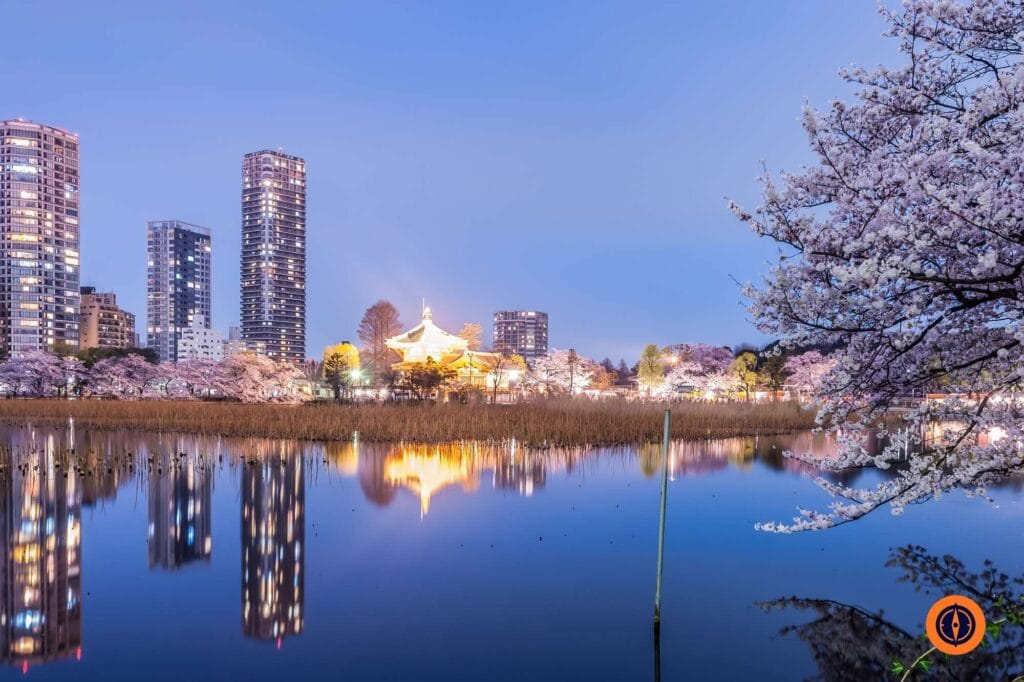
Ueno is one of the most underrated areas to stay in Tokyo for first-time visitors. It is practical, well connected, often better value than Shinjuku or Shibuya, and especially useful if you arrive through Narita Airport.
The official Tokyo travel guide explains that Narita is much farther from central Tokyo than Haneda, but it has strong rail and bus links into the city. Ueno becomes practical because the Keisei Skyliner connects Narita Airport with Ueno, making the first arrival day easier for travelers who want a direct and affordable-feeling base.
Ueno also gives you access to Ueno Park, museums, Ameyoko shopping street, casual restaurants and good transport links. GO TOKYO’s Ueno guide highlights the area’s mix of park space, museums and the lively Ameyoko shopping area, which explains why Ueno feels practical rather than purely touristy.
For budget-conscious travelers, Ueno can be a smart choice because hotel prices are often more reasonable while still keeping you connected to useful train routes. If you want to spend more of your budget on food, experiences or better stays in Kyoto, Ueno can make sense.
The atmosphere is mixed in a good way. You get parks, museums, old shopping streets, transport connections and a more lived-in Tokyo feeling. It may not be the most stylish area, but it feels practical and approachable.
The tradeoff is that Ueno is less convenient for some western Tokyo areas like Shibuya, Harajuku and Shinjuku compared with staying in Shinjuku itself. You can still reach them, but the city will feel a little more spread out.
Ueno is best if you want good value without staying too far out, arrive through Narita Airport, like museums and casual food streets, and prefer less intense evenings than Shinjuku. For many first-time visitors, Ueno is the best balance of price and convenience.
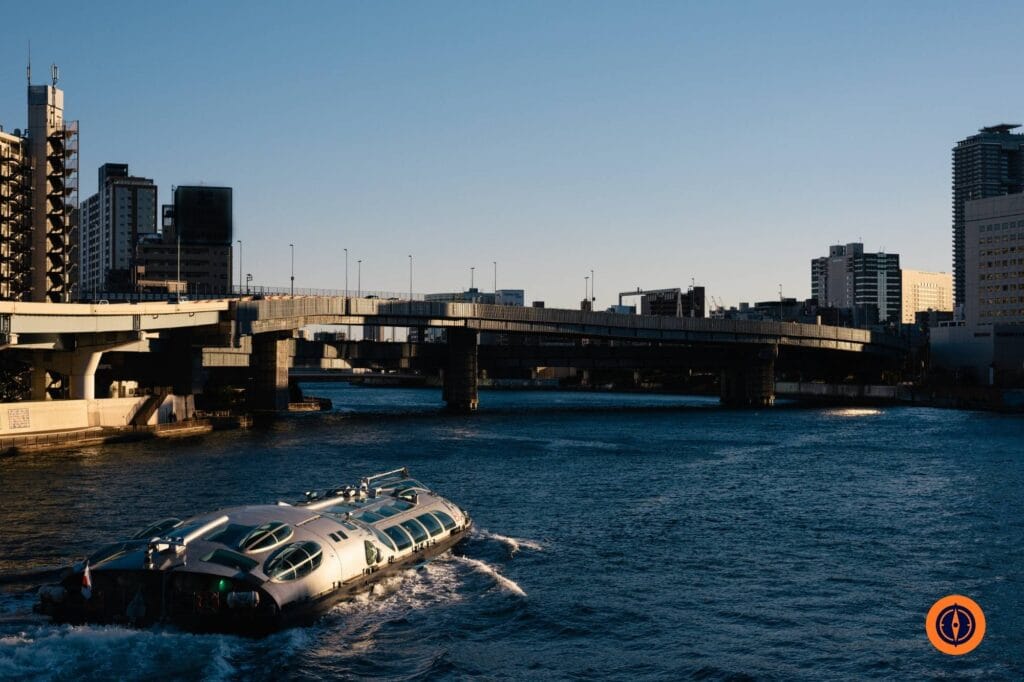
Asakusa: Best for Traditional Atmosphere and a Slower First Tokyo Stay
Asakusa is one of the best areas to stay in Tokyo if you want the city to feel more traditional, walkable and atmospheric. This is the area around Senso-ji, Kaminarimon Gate, Nakamise shopping street, old streets, small restaurants and views toward Tokyo Skytree.
GO TOKYO describes Asakusa as an area centered around Senso-ji Temple, Kaminarimon Gate and Nakamise shopping street, which explains why it feels so different from Shinjuku or Shibuya. This is useful context for first-time visitors because Asakusa is not just another hotel area. It is one of Tokyo’s strongest bases if you want tradition, walkability and a calmer start to the city.
For first-time visitors who feel nervous about Tokyo’s size, Asakusa can be comforting. It is still touristy, but it is easier to understand on foot. You can walk in the morning, return in the evening, and enjoy a neighborhood that feels more human-scale than some of Tokyo’s bigger transport hubs.
Asakusa can also offer better hotel value than the trendiest areas. It works especially well if you like cultural atmosphere, casual food and a quieter evening mood. It is also convenient for certain airport routes, especially if your hotel is close to the right subway or railway connection.
The tradeoff is that Asakusa is not the best base for every Tokyo sightseeing plan. It sits on the eastern side of the city, so trips to Shibuya, Harajuku, Shinjuku and western Tokyo take longer. If your Tokyo wishlist is mostly modern neighborhoods, Asakusa may feel less convenient.
Asakusa is best if you want traditional atmosphere, prefer a more walkable neighborhood, like temples and old streets, and are okay with longer travel to western Tokyo. I would choose Asakusa for travelers who want Tokyo to feel less overwhelming.
Shibuya: Best for Youth Culture, Shopping and Nightlife
Shibuya is one of Tokyo’s most famous neighborhoods, and it can be a great place to stay if it matches your travel style. This is the area for crossing lights, shopping, music, cafes, fashion, nightlife, youth culture and easy access to Harajuku, Omotesando, Daikanyama and parts of western Tokyo.
Tokyo’s official tourism site describes Shibuya as the center of modern Japanese culture, known for its famous crossing, fashion, shopping, cafes, bars and restaurants. That is why Shibuya can be a strong hotel base for travelers who want modern Tokyo energy, but it is less ideal for visitors who prefer quiet evenings or better-value rooms.
The biggest advantage of staying in Shibuya is atmosphere. You are close to some of Tokyo’s most recognizable city scenes, and evenings feel active without needing to travel far. For younger travelers, couples who enjoy nightlife, and visitors who care about shopping and food, Shibuya can be a strong base.
It is also convenient for west Tokyo sightseeing. Harajuku, Meiji Shrine, Omotesando and Ebisu are nearby. Shinjuku is also not far away by train. If your Tokyo plans lean toward modern neighborhoods rather than old Tokyo, Shibuya may be more enjoyable than Ueno or Asakusa.
The downside is price and crowding. Hotels in Shibuya can be expensive, and the area can feel busy almost all the time. Station navigation can also be confusing because of large crowds, multiple exits and ongoing area changes.
Shibuya is best if you want modern Tokyo energy, like shopping and cafes, plan to spend time in Harajuku or Omotesando, and do not mind crowds. If you want a calmer or better-value base, Ueno or Asakusa may be easier.
Tokyo Station and Marunouchi: Best for Shinkansen, Comfort and Efficient Travel
The Tokyo Station and Marunouchi area is best for travelers who want comfort, efficiency and excellent onward transport. This area is especially useful if your route includes the Shinkansen to Kyoto, Osaka, Kanazawa or other cities.
Tokyo Station is one of Japan’s major rail hubs, and staying nearby makes departure day much easier. Tokyo Station City’s official access information is useful for understanding how central the station is for rail movement, shopping and connections. For travelers who value smooth logistics, this area can reduce stress significantly.
The atmosphere here is very different from Shinjuku or Asakusa. Marunouchi feels orderly, elegant and business-like, with offices, hotels, restaurants and access to the Imperial Palace area. Nearby Ginza adds shopping and dining. This can be a very comfortable base if your budget allows.
The tradeoff is that Tokyo Station does not feel like a neighborhood in the casual, lively sense. It is convenient, but not as emotionally memorable as Asakusa or as energetic as Shinjuku. It can also be expensive.
Tokyo Station and Marunouchi are best if you want easy Shinkansen access, polished hotels, efficient movement and a calmer business-district environment. For first-time visitors with a comfortable budget, this area can work very well. For budget travelers, it is usually not the first place I would look.
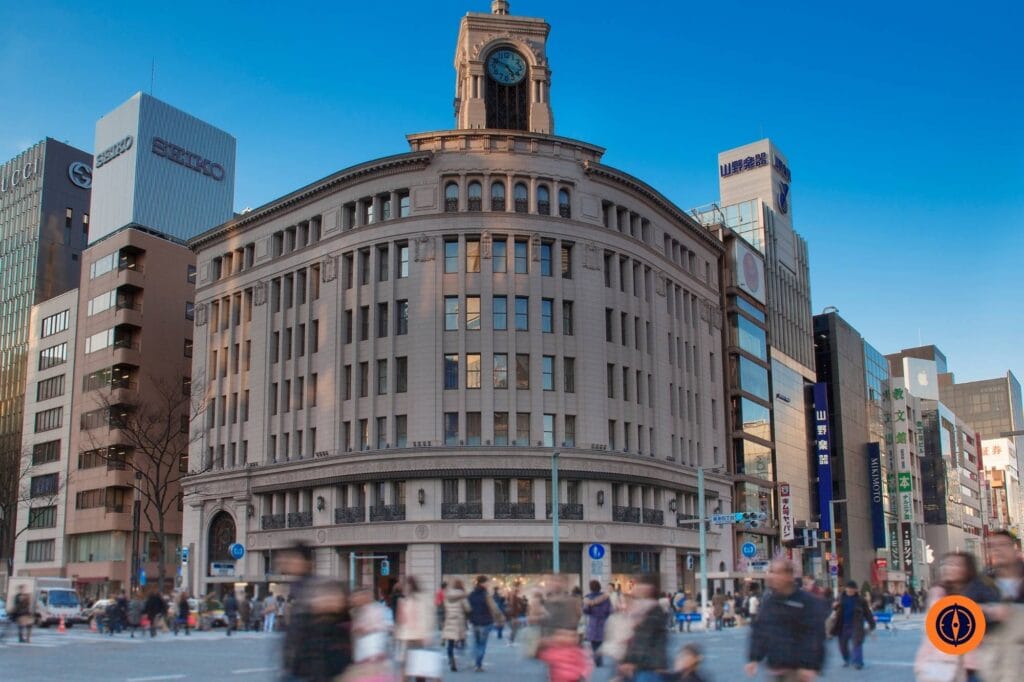
Ginza: Best for Shopping, Dining and a More Polished Stay
Ginza is one of Tokyo’s best areas for travelers who want shopping, dining and a more refined city stay. It is close to luxury stores, department stores, restaurants, cafes, theaters and convenient subway connections.
Ginza also gives easy access to Tokyo Station, Tsukiji, Hibiya, Yurakucho and parts of central Tokyo. For travelers who want Tokyo to feel elegant rather than chaotic, Ginza can be very appealing.
Ginza is especially good for couples, comfort-focused travelers and visitors who prefer clean, organized surroundings. It can also be useful if you plan to eat well, shop or stay somewhere with a more premium feel.
The downside is cost. Ginza hotels can be expensive, and the area may feel less exciting at night compared with Shinjuku, Shibuya or other nightlife-heavy neighborhoods. It is polished, not wild.
Ginza is best if you want shopping and dining nearby, prefer a refined city base, have a higher hotel budget and do not need nightlife outside the hotel door. For a first-time Tokyo stay, Ginza is a strong choice if comfort matters more than budget.
Ikebukuro: Best for Value and a Practical Alternative to Shinjuku
Ikebukuro can be a good alternative if you want transport, shopping and value without paying Shinjuku or Shibuya prices. It is a major hub on the northwest side of central Tokyo, with department stores, restaurants, entertainment, anime-related shopping and plenty of hotels.
It is not always the first area people imagine for a Tokyo trip, but it can work well for independent travelers who want a practical base. Depending on season and availability, Ikebukuro can offer better hotel prices while still keeping you on useful train lines.
The area also has enough food and shopping nearby that you do not feel isolated in the evenings. This matters because a hotel area should support your daily routine, not only your sightseeing list.
The tradeoff is that Ikebukuro is less iconic for a first trip. It does not have the same instant appeal as Shinjuku, Shibuya or Asakusa. Some parts near the station can also feel busy or slightly messy, though this is true of many major Tokyo hubs.
Ikebukuro is best if you want better value near a major station, do not need the most famous hotel area, and are comfortable navigating a busy station. I would not make Ikebukuro the default recommendation for every first-time visitor, but it is a smart backup if Shinjuku and Ueno prices are too high.
Roppongi and Akasaka: Best for Nightlife, Dining and Certain Travelers
Roppongi and Akasaka can be good areas for specific travelers, but I would not usually recommend them as the default first-time Tokyo base. They are central and useful, but they do not always give the easiest first Tokyo experience.
Roppongi is known for nightlife, restaurants, international dining, museums and access to areas like Tokyo Midtown and Roppongi Hills. It can suit travelers who want restaurants, bars, art and a more international atmosphere. Akasaka is slightly more business-like and can be convenient for dining, hotels and central movement.
These areas can feel comfortable for travelers who prefer a more international city experience. They may also suit repeat visitors, business travelers or couples who want restaurants and nightlife without staying in Shinjuku or Shibuya.
The tradeoff is that they are not as intuitive for classic first-time sightseeing. You may rely more on subway transfers, and the area may not give the same clear “Tokyo first trip” feeling as Shinjuku, Asakusa, Ueno or Ginza.
Roppongi or Akasaka may suit you if you want nightlife and dining, prefer an international atmosphere, are comfortable using subway transfers or have stayed in Tokyo before. For a first Tokyo trip, I would usually choose these only if the hotel is excellent value or the area clearly matches your evening style.
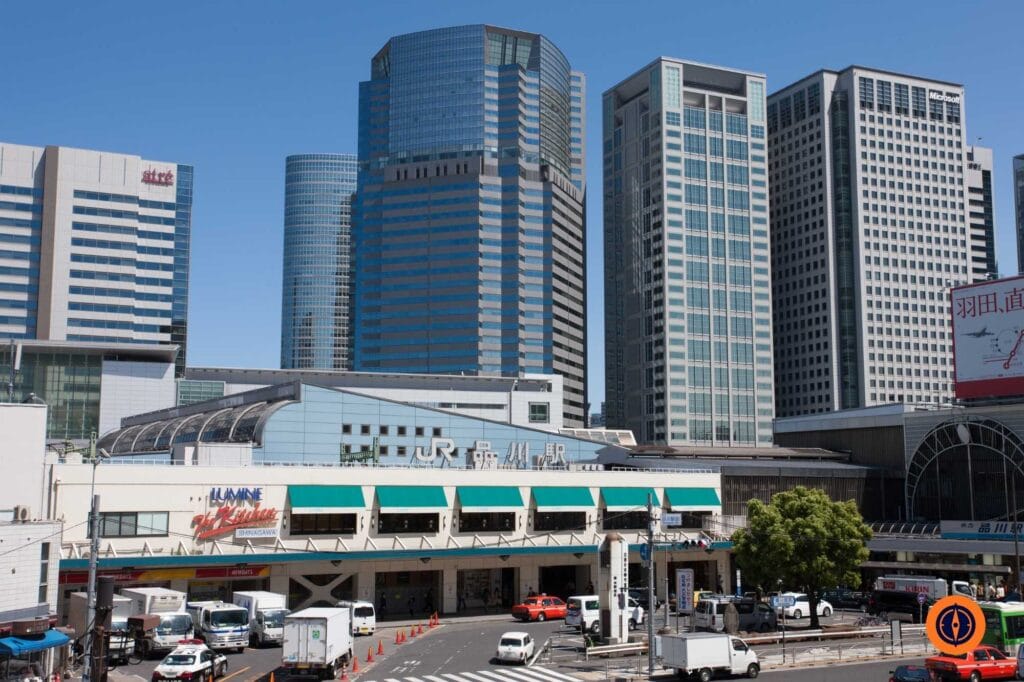
Shinagawa: Best for Haneda Access and Shinkansen Logistics
Shinagawa is a practical area, especially for airport and rail movement. It is useful if you are arriving through Haneda Airport, using the Shinkansen, or needing a straightforward transit base.
JNTO’s Haneda Airport access guide explains that Haneda is close to central Tokyo and connected by train, monorail, bus and taxi. This makes Shinagawa useful because it can work well for travelers who want smoother movement from Haneda or toward Shinkansen routes.
Shinagawa can make sense if you arrive late, leave early or want a comfortable hotel before moving onward. It can also work if you value clean, efficient movement more than neighborhood personality.
However, Shinagawa is not the most exciting place to stay for sightseeing. It is practical, but it does not offer the same food, nightlife, shopping or atmosphere as Shinjuku, Ueno, Asakusa or Ginza.
Shinagawa is best if you arrive or depart through Haneda Airport, need Shinkansen convenience, want a smooth transit base, or are staying one night before moving onward. For most first-time visitors staying several nights in Tokyo, I would choose another area unless Shinagawa strongly supports the route.
Areas I Would Be Careful With on a First Tokyo Trip
Tokyo has many safe and interesting neighborhoods, but not every area is ideal for a first-time visitor. I would be careful with hotels that look cheap but are far from useful train or subway lines. Tokyo’s public transport is excellent, but if your hotel requires a long walk plus multiple transfers every day, the savings may not feel worth it.
I would also be careful with staying too deep in nightlife areas if you want quiet sleep. This matters in parts of Shinjuku, Shibuya, Roppongi and some station-adjacent zones. Being near nightlife can be fun, but staying directly inside the loudest part is not always comfortable.
Do not choose a Tokyo hotel only because it is near one attraction. Tokyo sightseeing usually involves multiple neighborhoods, so it is better to stay near a strong station than beside a single famous place.
Airport access also deserves attention. Tokyo’s official airport access guide explains that both Haneda and Narita connect into the city by trains, buses and taxis, but they do not feel the same on arrival. Haneda is much closer to central Tokyo, while Narita sits farther outside the city and usually requires a longer transfer.
Before booking, check the nearest station, walking distance from station to hotel, airport route from Haneda or Narita, evening food options, and whether the return route feels simple at night. A good Tokyo hotel base should reduce decision fatigue. You will already be learning a new city, so your hotel should not make that harder.
Best Area to Stay in Tokyo by Traveler Type
For most first-time visitors, Shinjuku is the best all-round base because it gives you transport, food, nightlife and flexibility. It works especially well if you want Tokyo to feel energetic and do not mind crowds.
For budget-conscious travelers, Ueno and Asakusa are usually better places to start. Ueno is stronger for transport and Narita access, while Asakusa is better for traditional atmosphere and a more relaxed first impression.
For solo travelers, Shinjuku, Ueno and Asakusa are all strong choices depending on personality. Shinjuku gives convenience and energy. Ueno gives value and transport. Asakusa gives atmosphere and calmer evenings. If it is your first solo trip to Japan, I would choose the area that gives you the easiest evening routine.
For couples, Ginza, Asakusa, Shibuya and Shinjuku can all work. Ginza feels polished, Asakusa feels atmospheric, Shibuya feels young and lively, and Shinjuku gives the most options.
For families or small groups, Ueno, Asakusa and Tokyo Station/Ginza can be easier than the busiest nightlife parts of Shinjuku or Shibuya. Families often benefit from simpler station access, calmer evenings and nearby food options.
For travelers arriving through Narita, Ueno is especially convenient because of the Skyliner connection. For travelers arriving through Haneda, Shinagawa, Ginza, Tokyo Station and parts of eastern Tokyo can be practical depending on the route.
Shinjuku vs Ueno vs Asakusa: Which Is Best?
For many first-time visitors, the real decision is Shinjuku vs Ueno vs Asakusa. These three areas cover the most common first-trip needs: convenience, value and atmosphere.
Choose Shinjuku if you want the strongest all-round Tokyo base. It gives you food, transport, nightlife, shopping and access to many areas. It is the best choice if you want Tokyo to feel exciting and you are comfortable with crowds.
Choose Ueno if you want value, Narita access and practical transport. It is less glamorous, but it is one of the smartest bases for travelers who want to control hotel costs without staying too far out.
Choose Asakusa if you want atmosphere and a slower first impression. It is best if you like traditional streets, temples and a more walkable neighborhood, but it is less convenient for western Tokyo.
My practical rule is this: if you want the easiest all-round Tokyo base, choose Shinjuku. If you want better value, choose Ueno. If you want traditional atmosphere, choose Asakusa.
Best Area for a 2- or 3-Night Tokyo Stay
For a short two- or three-night Tokyo stay, I would choose Shinjuku, Ueno, Asakusa or Tokyo Station depending on your route. With limited time, you should avoid areas that create complicated transfers or make your first nights harder than necessary.
Shinjuku is strongest if you want to see several different sides of Tokyo quickly. It gives you many food options and easy access to major neighborhoods, but it can feel intense if you arrive tired.
Ueno is better if you arrive through Narita and want a practical base with good value. It is especially useful if you plan to visit Asakusa, Ueno Park, Akihabara or eastern Tokyo.
Asakusa is best if you want a slower cultural start. It will not be the most convenient for every Tokyo neighborhood, but it can make a short stay feel more grounded and easier to understand on foot.
Tokyo Station is best if your short Tokyo stay is tied to a Shinkansen departure. If you are heading to Kyoto or Osaka soon after arrival, staying near Tokyo Station can make the transition easier.
For a short stay, avoid choosing an area that adds complicated transfers. Your first Tokyo base should help you settle in quickly.
![[Tokyo] Senso-ji Temple](https://solotravelglobe.com/wp-content/uploads/2026/05/Untitled-design-25-1024x682.jpg)
Best Area for a 4- or 5-Night Tokyo Stay
For four or five nights, you can choose based more on personality because you have enough time to move around the city. Your hotel area still matters, but it does not need to do everything perfectly.
Shinjuku becomes very strong for this trip length because its transport and food options support different kinds of days. You can use it as a flexible base for west Tokyo, central Tokyo and some day trips.
Ueno also works well for a longer stay if you want value and do not mind traveling farther to western neighborhoods. It can be especially useful if you want to balance Tokyo with museums, old shopping streets, Akihabara, Asakusa and day trips.
Asakusa is lovely for slower travelers, but if most of your plans are in Shibuya, Shinjuku, Harajuku and western Tokyo, the extra travel may become noticeable over several days.
Ginza or Tokyo Station can be excellent for a more comfortable trip, especially if your budget allows and you prefer a polished base. Shibuya works well if your itinerary is heavily focused on youth culture, shopping and nightlife.
For longer Tokyo stays, the best area is the one that matches your evenings. You can travel to sights during the day, but you will return to your hotel area every night.
Best Area for Tokyo Day Trips
If you plan several Tokyo day trips, choose your hotel based on the departure station. This is where the “best area” can change depending on your route.
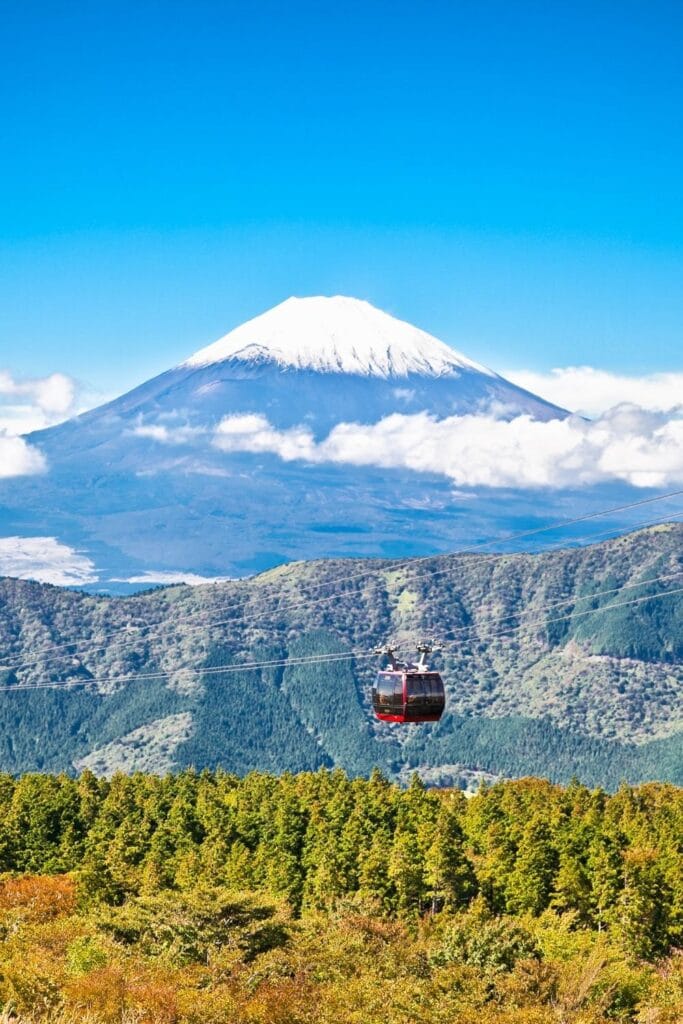
Shinjuku is useful for day trips toward Hakone, Mount Takao, Kawagoe or western routes, depending on how you travel. Tokyo Station is useful for Shinkansen and some longer rail routes. Ueno can work well for certain northern or eastern connections. Shinagawa is practical for some Shinkansen and Haneda-related movement.
This is why “best area in Tokyo” depends on your actual plan. A hotel that is perfect for Shibuya shopping may not be ideal if you have early day trips from Tokyo Station or Shinjuku.
If your day trips are still undecided, choose Shinjuku or Tokyo Station/Ginza for maximum flexibility. If you are trying to keep costs under control, Ueno is often a strong compromise.
Airport Access: Should You Choose Based on Haneda or Narita?
Your arrival airport should influence your first Tokyo hotel, especially if you are arriving late or traveling with luggage.
Tokyo’s official airport access guide explains that both Haneda and Narita connect into the city by trains, buses and taxis, but they do not feel the same on arrival. Haneda is much closer to central Tokyo, while Narita sits farther outside the city and usually requires a longer transfer.
This is why Ueno is especially attractive for Narita arrivals, while Shinagawa, Ginza, Tokyo Station and parts of eastern Tokyo can be practical for Haneda arrivals. Shinjuku is still possible from either airport, but the journey can feel longer after an international flight.
The practical rule is this: if you arrive late, choose the hotel area that gives you the simplest transfer, not the most exciting neighborhood. You can explore the city properly after sleeping.
Tokyo Transport Notes for Choosing a Hotel
Tokyo’s transport system is excellent, but it rewards travelers who stay near useful lines. For a first trip, this can matter more than being beside one famous attraction.
Tokyo Metro’s official ticket page explains that visitors can use options such as regular tickets, PASMO IC cards, Tokyo Subway Tickets and other passes depending on their route. For most first-time visitors, an IC card or mobile IC setup is useful because it reduces the need to buy individual tickets for every ride.
However, do not choose a hotel only because it is near one line. Choose a hotel that makes your actual sightseeing days easier. If your plans are mostly Shinjuku, Shibuya and Harajuku, staying far east may add time. If your plans are Asakusa, Ueno, Akihabara and Ginza, staying west may be less efficient.
When comparing hotels, I would give extra value to being within a comfortable walk of a station you can understand. A hotel that is technically near a major station but requires a confusing route through underground exits may feel harder than a slightly smaller hotel with a clearer walk.
Tokyo Hotel Booking Tips for First-Time Visitors
Book earlier if you are traveling during cherry blossom season, autumn foliage season, New Year, major holidays, school breaks or event-heavy periods. Tokyo has a large hotel supply, but well-located hotels in popular areas can still become expensive.
Do not judge hotel location only by neighborhood name. Shinjuku, Shibuya, Ueno and Asakusa are broad areas, and the exact station exit can matter. A hotel may say “Shinjuku” but still require a long walk or awkward route from the station.
Read recent reviews for comments about station access, elevators, luggage storage, noise, room size and late-night surroundings. Tokyo hotel rooms can be compact, so location and convenience often matter more than extra space.
If you are traveling solo, prioritize a simple route back at night and enough food options nearby. Tokyo is generally safe, but a clear route reduces stress when you are tired.
If you are traveling as a couple or small group, compare whether staying closer to the right station reduces the need for taxis or repeated transfers. A slightly higher nightly rate may be worth it if it makes every day easier.
If you are arriving after a long international flight, avoid creating a complicated first night. Your first Tokyo hotel should be easy to reach, easy to check into and easy to recover in.
If you are still estimating the full cost of your trip, my Japan travel budget breakdown explains how accommodation, transport, food and sightseeing fit together for 7-day, 10-day and 14-day Japan routes.
My Final Recommendation
For most first-time visitors, the best areas to stay in Tokyo are Shinjuku, Ueno and Asakusa.
Choose Shinjuku if you want the best all-round base with strong transport, food, shopping and nightlife. It is the easiest recommendation for travelers who want Tokyo to feel big and exciting, as long as they are comfortable with crowds.
Choose Ueno if you want better value, good transport and easier Narita access. It is one of the smartest hotel areas for travelers who want practicality without paying Shibuya or Ginza prices.
Choose Asakusa if you want traditional atmosphere and a calmer first impression of Tokyo. It is not the most convenient base for every route, but it can make Tokyo feel more approachable and memorable.
Choose Shibuya if youth culture, shopping and nightlife matter most. Choose Tokyo Station or Ginza if comfort and polished convenience matter more than budget. Choose Shinagawa if Haneda access or Shinkansen logistics are the priority.
If you are still deciding what to actually do in Tokyo after choosing your base, my Tokyo travel guide for first-time visitors gives the wider planning context, including how many days to spend, what to prioritize, how Tokyo feels on the ground and where the city fits into a first Japan route.
If you want your Tokyo stay to fit into a wider Japan route, my Japan 10-day itinerary shows how Tokyo works with Hakone, Kyoto, Nara and Osaka. If you only have one week, my Japan 7-day itinerary keeps the route tighter and more realistic.
Still deciding how to structure the full trip? My Japan 5-7 Day Starter Route Blueprint and Japan 8-14 Day Core Route Bundle are designed to help first-time independent travelers compare route options, hotel bases and pacing before booking.
FAQ: Where to Stay in Tokyo for First-Time Visitors
What is the best area to stay in Tokyo for first-time visitors?
For most first-time visitors, Shinjuku is the best all-round area to stay in Tokyo because it has strong transport, food, shopping, nightlife and hotel options. Ueno is better for value and Narita access, while Asakusa is better for traditional atmosphere.
Is it better to stay in Shinjuku or Ueno?
Stay in Shinjuku if you want nightlife, convenience and the most energetic Tokyo base. Stay in Ueno if you want better value, easier Narita access and a more practical atmosphere. Shinjuku is better for excitement; Ueno is better for budget and simplicity.
Is Asakusa a good area to stay in Tokyo?
Yes, Asakusa is a good area to stay in Tokyo if you want traditional atmosphere, temples, old shopping streets and a calmer first impression. The main tradeoff is that it takes longer to reach western Tokyo areas like Shibuya, Harajuku and Shinjuku.
Is Shibuya a good place to stay in Tokyo?
Shibuya is a good place to stay if you want shopping, youth culture, nightlife and easy access to Harajuku, Omotesando and west Tokyo. It can be crowded and expensive, so it is best for travelers who specifically want that energy.
Should I stay near Tokyo Station?
Stay near Tokyo Station if you want Shinkansen access, polished hotels and efficient movement. It is especially useful if you are heading to Kyoto or Osaka by bullet train. It is less atmospheric than Shinjuku, Ueno or Asakusa, but very practical.
Is Ginza a good area to stay in Tokyo?
Ginza is a good area if you want shopping, dining, comfort and a more refined Tokyo stay. It is convenient and pleasant, but usually more expensive. Budget travelers may prefer Ueno, Asakusa or Ikebukuro.
Where should solo travelers stay in Tokyo?
Solo travelers usually do well in Shinjuku, Ueno or Asakusa. Shinjuku is best for convenience and energy, Ueno is best for value and transport, and Asakusa is best for atmosphere and calmer evenings.
Which Tokyo area is best for Narita Airport?
Ueno is one of the best Tokyo areas for Narita Airport because the Keisei Skyliner connects Narita with Ueno in around 45 minutes. Tokyo Station and Shinjuku are also possible through other airport train or bus options, but travel times may be longer.
Which Tokyo area is best for Haneda Airport?
Shinagawa, Ginza, Tokyo Station and parts of eastern Tokyo can be practical for Haneda Airport, depending on your exact route. Haneda is much closer to central Tokyo than Narita, so many areas are manageable if your flight time is not too early or late.
How many nights should I stay in Tokyo?
Most first-time visitors should spend at least three nights in Tokyo. Two nights can work for a quick introduction, but three to five nights gives you a much better chance to understand different neighborhoods without rushing.
Disclosure: This post may contain affiliate links.



Compare prices across top platforms in seconds.