Thailand Solo Travel Budget Breakdown
Realistic Cost Guide
Introduction
Thailand is often described as an affordable travel destination. However, actual costs vary depending on travel style, city selection, and seasonal timing.
For solo travelers, budgeting accurately requires understanding both fixed and daily expenses. This guide provides a structured breakdown of accommodation, food, transportation, activities, and emergency funds to help you estimate a realistic solo travel budget for Thailand.
Rather than focusing on minimum possible spending, the goal is to establish a comfortable and manageable cost range.
Before estimating expenses, it helps to review the complete Thailand solo travel guide, which covers destinations, transportation, and planning basics.
Average Daily Budget in Thailand
Daily costs in Thailand vary depending on travel style and location. Major cities and popular islands tend to be more expensive than smaller towns or northern regions.
Below is a general daily budget estimate for solo travelers.
Budget Traveler
- Hostel dorm accommodation
- Primarily street food or local restaurants
- Public transportation or shared rides
- Limited paid activities
Estimated daily range: $25–$50
Mid-Range Traveler
- Private budget hotel or boutique guesthouse
- Mix of local and Western dining
- Occasional domestic flights
- Organized tours or excursions
Estimated daily range: $50–$120
Higher Comfort Travel
- Mid-range or upscale hotels
- Frequent dining in international restaurants
- Private transfers
- Premium tours
Estimated daily range: $120+
| Travel Style | Estimated Daily Budget |
| Budget | $25-$50 |
| Mid-range | $50-$120 |
| Higher Comfort | $120+ |
These estimates exclude international flights.
Actual costs depend on season, booking timing, and destination within Thailand.
For broader financial planning tips, you may also review our solo travel budget guide, which explains how to estimate travel costs before choosing a destination.
Accommodation Costs in Thailand

Accommodation is typically the largest variable expense after flights. Prices vary by city, season, and property type.
Hostels
Hostels are widely available in Bangkok, Chiang Mai, and popular island destinations.
- Dorm bed: $8–$20 per night
- Private hostel room: $20–$40 per night
Prices may increase during peak tourist seasons.
Budget Hotels and Guesthouses
Budget hotels offer private rooms with basic amenities such as air conditioning and private bathrooms.
- Budget hotel: $20–$50 per night
These are common in both major cities and tourist areas.
Mid-Range Hotels
Mid-range properties provide improved comfort, service, and location access.
- Mid-range hotel: $50–$120 per night
Bangkok and island destinations may reach the higher end of this range.
Location Impact on Pricing
Accommodation costs tend to be higher in:
- Central Bangkok
- Phuket and nearby islands
- Peak season (typically November to February)
Lower pricing is often found in:
- Chiang Mai
- Smaller northern towns
- Off-peak months
Booking in advance during high season reduces price fluctuations.
Food and Dining Costs in Thailand
Thailand offers flexible dining options, allowing solo travelers to adjust spending based on preference and comfort level.
Street Food and Local Eateries
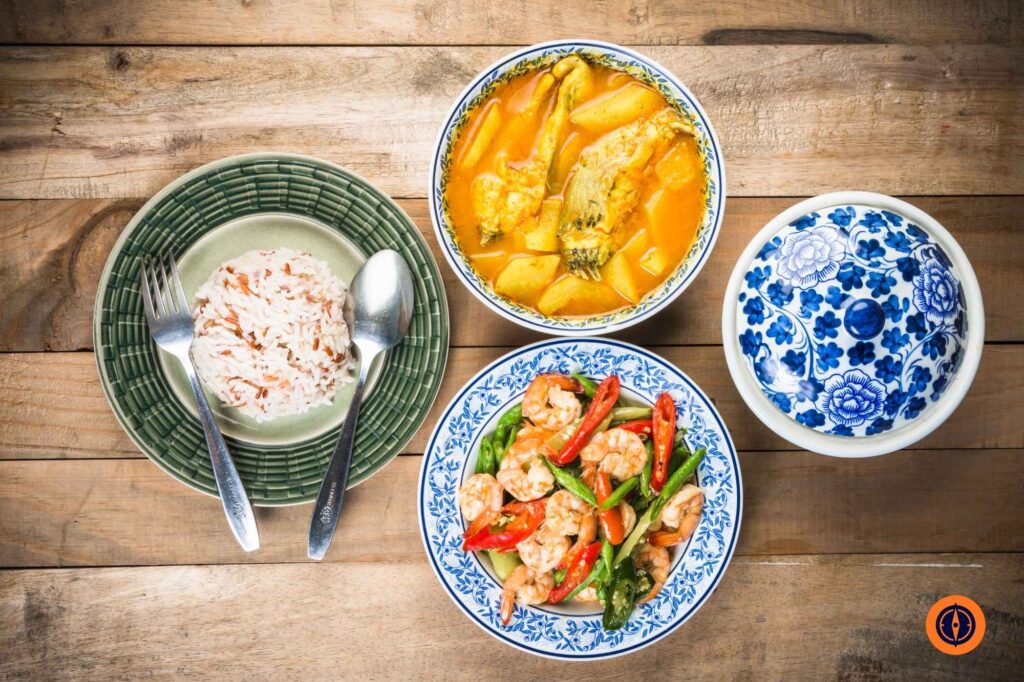
Street food is widely available and affordable in most cities.
- Simple local meal: $2–$5
- Local restaurant meal: $5–$12
These options provide cost-effective daily meals.
Casual and Western Dining
Western restaurants and international cuisine are available in major tourist areas.
- Casual Western meal: $10–$20
- Café or specialty coffee: $3–$6
Frequent dining in international venues increases daily food spending.
Estimated Daily Food Budget
- Budget traveler: $10–$20 per day
- Mid-range traveler: $20–$40 per day
Actual costs depend on dining frequency and location.
Choosing a mix of local and occasional international dining helps maintain balance between experience and budget.
Transportation Costs in Thailand
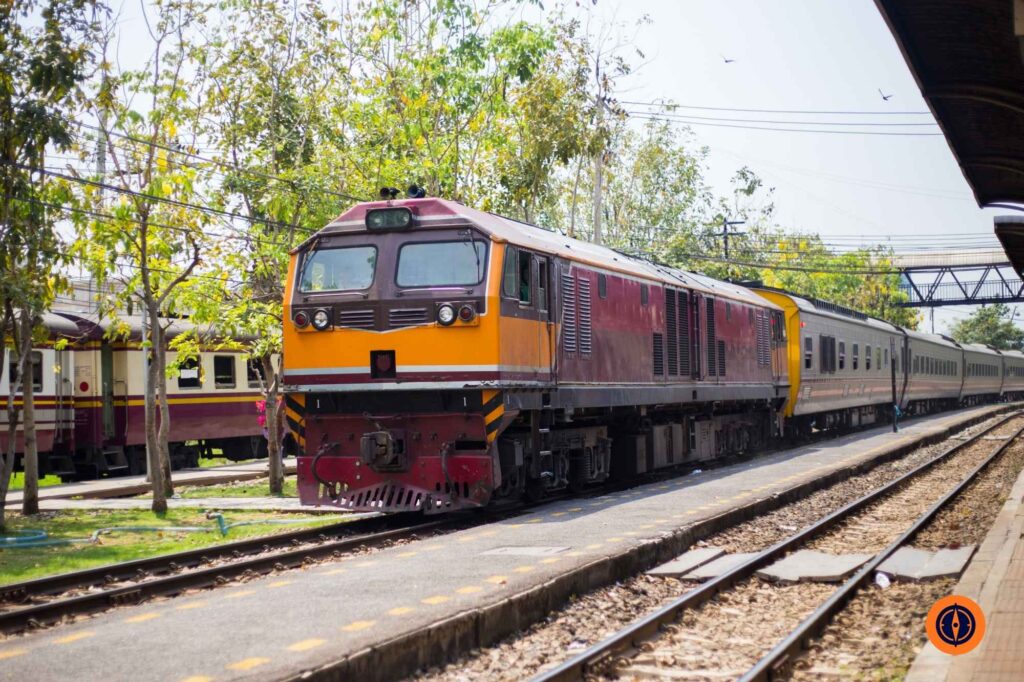
Transportation expenses in Thailand depend on travel distance and frequency of intercity movement. Major cities provide multiple options, while island or rural areas may rely more on taxis or private transfers.
Urban Transportation
In Bangkok:
- BTS Skytrain or MRT subway: $1–$3 per ride
- Airport Rail Link: low single-digit fare
- Grab or taxi within city: $5–$15 depending on distance
Using public transport regularly keeps daily costs low.
In cities like Chiang Mai, ride-hailing services and shared taxis (songthaews) are common.
Intercity Transportation
Traveling between major cities may involve:
- Domestic flights: $25–$80 (booked in advance)
- Overnight train: $20–$40 depending on class
- Long-distance bus: $15–$35
Flights are the fastest option but may increase total trip cost.
Island and Coastal Transfers
Island destinations may require:
- Ferry tickets: $10–$30
- Combined bus and ferry packages
- Local taxis upon arrival
Planning transfer routes ahead of time helps avoid last-minute premium pricing.
Estimated Transportation Budget
For a 7-day trip covering two cities:
- Urban transport: $15–$40 total
- One intercity transfer: $20–$80
Costs vary based on travel pace and route complexity.
Activities and Tour Costs in Thailand
Activity spending depends heavily on travel style. Some experiences in Thailand are low-cost, while organized excursions and premium tours can significantly increase daily expenses.
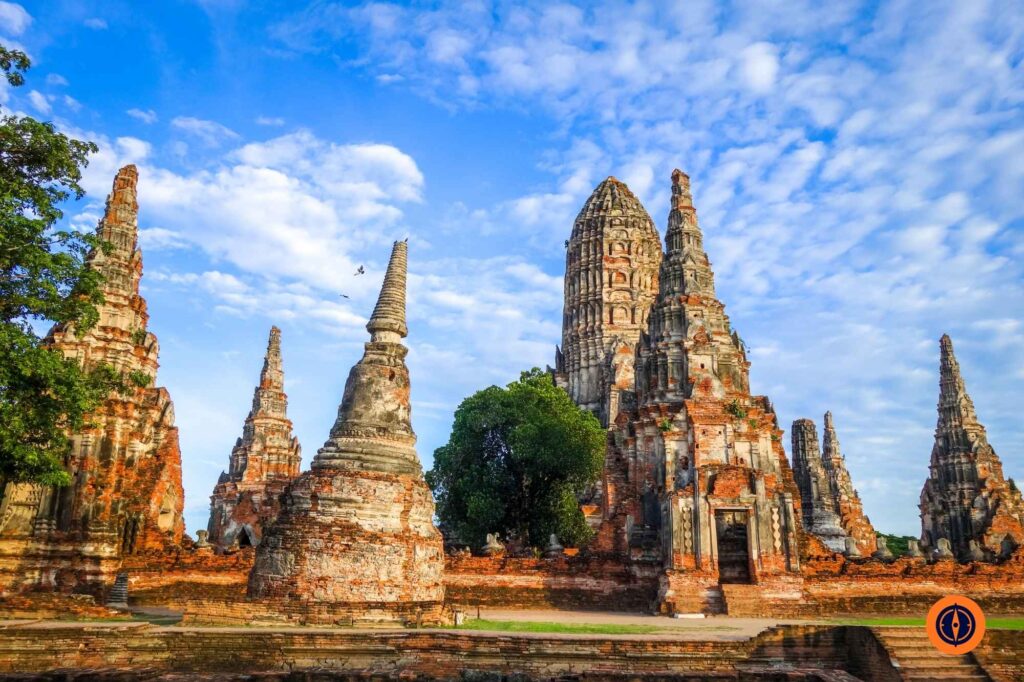
Cultural and Temple Visits
Many temples are free to enter, while others charge modest fees.
- Temple entrance fees: $1–$10
- Historical parks: variable pricing depending on location
Budgeting small daily amounts for entry fees is sufficient in most cities.
Organized Tours and Excursions
Common paid activities include:
- Island hopping tours
- Cooking classes
- Guided city tours
- National park excursions
Estimated range:
- Half-day tours: $20–$50
- Full-day tours: $40–$100
Island destinations may fall on the higher end of this range.
Adventure and Specialty Activities
Certain experiences, such as scuba diving or premium boat tours, may cost more.
- Introductory diving session: $80–$150+
- Private excursions: variable pricing
These activities are optional and should be budgeted separately if planned.
Activity Budget Planning
For a 7-day trip:
- Light activity schedule: $40–$100 total
- Moderate tour schedule: $100–$300 total
Adjust expectations based on your itinerary intensity.
Flights to Thailand (International Costs)
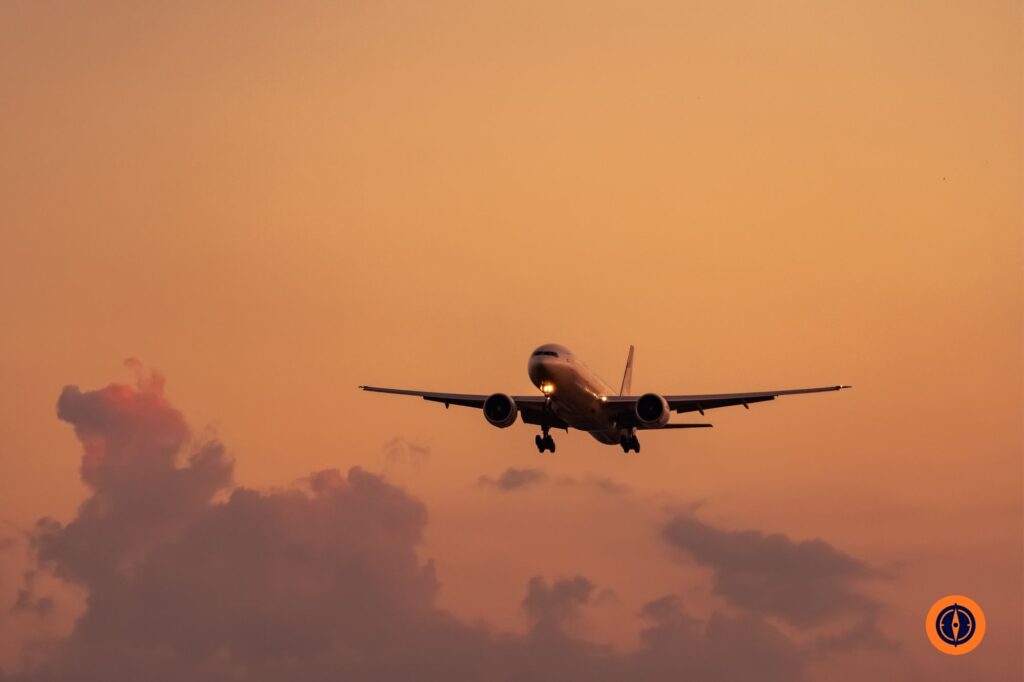
International airfare is often the largest fixed expense when planning a solo trip to Thailand. Prices vary significantly depending on departure country, season, and booking timing.
Typical Flight Ranges
Estimated round-trip ranges (varies by origin):
- From Southeast Asia: $80–$250
- From Australia: $300–$800
- From Europe: $500–$1,200
- From North America: $700–$1,500
These ranges fluctuate based on:
- Peak season (November–February)
- Holiday travel periods
- Booking window
- Airline selection
Booking 2–4 months in advance often provides better pricing for long-haul routes.
If you are planning your first visit, this 7-day Thailand solo travel itinerary outlines a practical route and estimated daily expenses.
Ways to Reduce Flight Costs
- Compare nearby airports
- Be flexible with departure dates
- Avoid peak holiday windows
- Monitor fare alerts
International flights should be treated as a separate budget category rather than included in daily cost estimates.
Emergency Fund and Unexpected Expenses
Regardless of how carefully you plan your budget, unexpected costs can occur. Including an emergency buffer reduces financial stress during your trip.
Recommended Emergency Allocation
A practical guideline is to reserve:
- 10–20% of your total planned budget
This buffer may cover:
- Medical consultations
- Transportation delays or last-minute bookings
- Lost or damaged items
- Currency exchange fluctuations
Common Unexpected Costs in Thailand
- Taxi fares during late-night arrivals
- Higher accommodation prices during peak season
- Additional baggage fees
- Weather-related schedule changes
Having a reserve fund allows you to respond calmly rather than making rushed decisions.
Access to Funds
Before departure:
- Inform your bank of international travel
- Carry multiple payment methods if possible
- Keep a small amount of local currency upon arrival
Financial preparation supports smoother independent travel.
Understanding common travel scams is also important when budgeting. Our Thailand solo travel safety guide explains practical precautions for visitors.
Closing
Thailand can be a cost-effective destination for solo travelers when expenses are planned realistically. Daily costs vary based on accommodation type, transportation choices, and activity intensity.
Costs can also vary depending on where you travel within the country. This guide to the best cities in Thailand for solo travelers explains how destinations differ in price and travel style.
Rather than focusing on minimum spending, aim for a balanced budget that supports comfort and flexibility. Structured financial preparation reduces uncertainty and allows you to focus on the experience rather than managing unexpected costs.
Disclosure: This post may contain affiliate links.





Compare prices across top platforms in seconds.